USGS - science for a changing world

Amphibian Research and Monitoring Initiative

ARMI » Home

» ARMI Annual Updates

ARMI Home

News & Stories
The Oregonian meets ARMI scientist Michael Adams Jamie Francis (photographer for The Oregonian) photographs salamander eggs ARMI scientist Mike Adams has just found in Willamette National Forest.

June 17, 2013

Staff from The Oregonian, based in Portland Oregon, went out to the Willamette National Forest with ARMI scientist Michael Adams and some of his field crew to talk about the state of amphibians.

Adams, lead author of the recent paper on national declines in amphibian populations ( dx.plos.org/10.1371/journal.pone.0064347 ) discussed the findings of the paper and what it takes to a(...more)
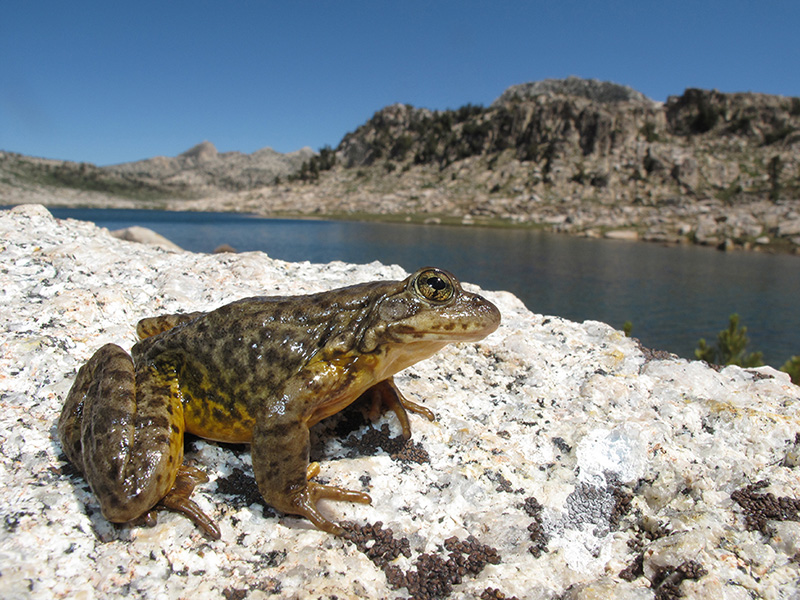
Endangered Frogs Get Helping Hands on Road to Recovery Content image.

By: USFWS Pacific Southwest Region; June 12, 2013

Another hop forward in the quest to recover the endangered mountain yellow-legged frog (Rana muscosa) took place on June 12, 2013, with the release of 100 juvenile frogs to Indian Creek at the James Reserve, part of the University of California Natural Reserve System.

Watched over by a team of Federal, State, and private scientists, the mountain yellow-legged frog continues t(...more)
NEW STUDY: ARMI paper documents surprising rates of amphibian declines in U.S. ARMI Annual Meeting in Gainesville, Florida.

By: Ball L; May 22, 2013

We have summarized nine years of regional monitoring data to describe the rate at which amphibian populations have been changing at our survey sites across the country. The results, published in the scientific journal PLoS ONE, estimate declining trends for many species of frogs, toads and salamanders in all regions of the country. It is the first-ever broad assessment of amphibian populations in(...more)
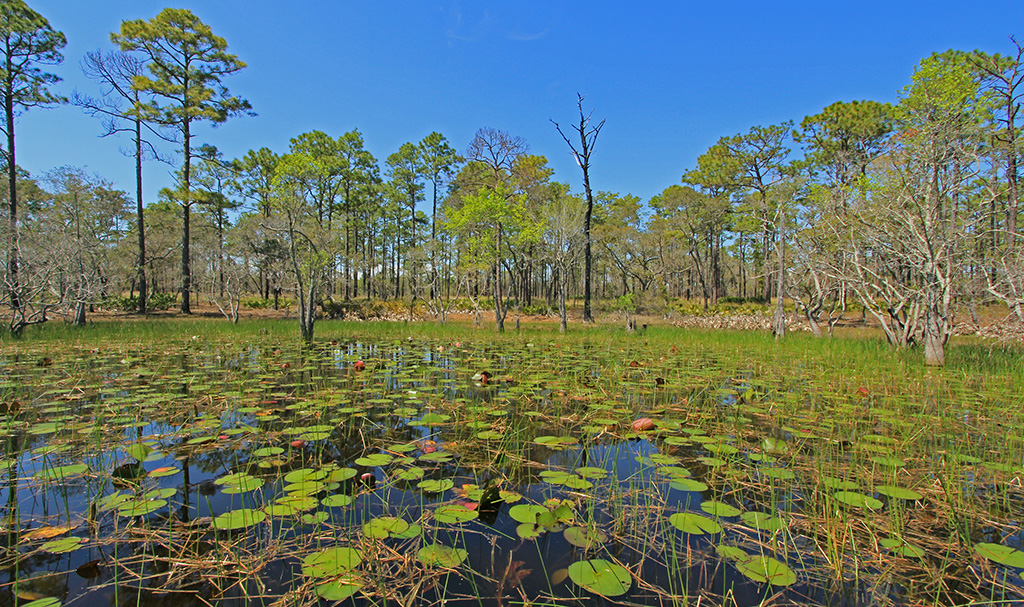
Top Story at USGS: ARMI Research from Nation’s Amphibian Hotspot ARMI scientist H. Waddle installs automated frog call recorders

By: Ball L; May 17, 2013

ARMI scientists Drs. Susan Walls (Southeast ARMI) and Hardin Waddle (South Central ARMI) recently published 3 papers from research conducted in our nation’s amphibian biodiversity hotspot.
Walls and her colleagues synthesized what is known about current and possible future effects of extreme precipitation events on amphibians across the country; and then report findings from these actual we(...more)

A view of ARMI
Through the eyes of ARMI

ARMI Mission Statement

In response to indications of worldwide declines in amphibian populations, the President and Congress directed Interior Department agencies to initiate a national program of amphibian monitoring, research, and conservation. There is an urgent need to determine the scope and severity of the problem and to investigate causes. The U.S. Geological Survey is uniquely qualified to coordinate and lead a cooperative national effort because its scientists have been in the forefront of studying amphibian populations and life history traits, measuring and monitoring environmental characteristics, and conducting research into potential causes of decline. As a result, the Agency formed the National Amphibian Research and Monitoring Initiative (ARMI).

ARMI Goals and Objectives

  • » Provide information to natural resource managers on the status and trends of amphibians
  • » Relate status and trends to management options at the scale of management units.
  • » Identify causes of declines.
  • » Provide essential scientific information to support effective management actions to arrest or reverse declines.

Accessibility FOIA Privacy Policies and Notices

Take Pride in America logo USA.gov logo U.S. Department of the Interior | U.S. Geological Survey
URL: http://armi.usgs.gov/
Page Contact Information: ARMI Webmaster
Page Last Modified: Wednesday, June 19, 2013