Search ARMI Database
Search term(s)
Contribution Number
Search Results
1290 record(s) found.
Data Release Student Network for Amphibian Pathogen Surveillance Data: U.S. Geological Survey data release

Papers & Reports Terrestrial Movement Patterns of the Common Toad (Bufo bufo) in Central Spain Reveal Habitat of Conservation Importance

Papers & Reports Amphibians in a protected landscape: A 30 year assessment
News & Stories Broad-Scale Assessment of Methylmercury in Adult Amphibians
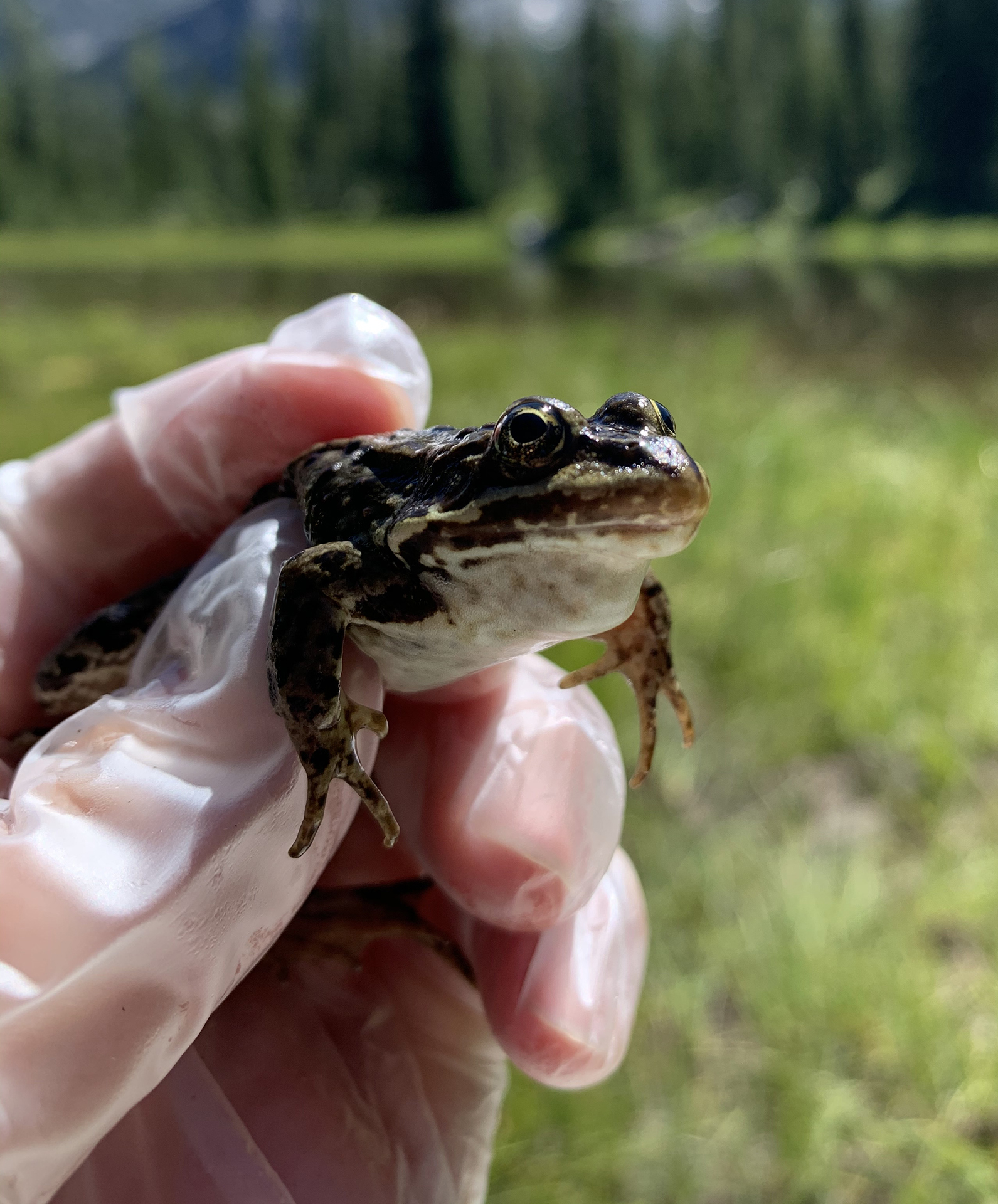
The first widescale assessment of methylmercury in adult amphibians in the U.S. shows that this toxic compound is common, widespread and, at least for some populations, can reach very high levels. The ARMI-led publication brought together scientists from around the country to test more than 3,200 amphibians representing 14 species from 26 populations. Amphibians are the most endangered group of vertebrates worldwide, but prior to this study, little information was available on mercury bioaccumulation in amphibians across the U.S.
Mercury is a contaminant of global concern that can harm humans and wildlife. In aquatic ecosystems, microbes can convert elemental mercury to methylmercury, which increases risks because methylmercury is more bioavailable, more toxic, and it biomagnifies through food webs.
Study results showed that the amount of methylmercury in amphibians varied widely among sites and by life history characteristics, such as diet, size, and sex. Amphibian methylmercury concentrations ranged from barely detectible at some locations, to levels above wildlife health benchmarks in others. The study also evaluated using dragonfly larvae to estimate bioaccumulation for amphibians that can’t be sampled because they are rare or secretive. Scientists determined that the concentration found in these insects can provide insight into methylmercury bioaccumulation in amphibians.
Despite its toxicity, scientists only have a limited understanding of methylmercury’s effects on amphibians and these results can be used to inform future research on the health effects of methylmercury exposure on amphibians. The study also provides new methods and baseline data that can help scientists and managers assess the risk from mercury for species of management concern, including species listed as threatened and endangered under the Endangered Species Act.
To view the full article click this link: https://pubs.acs.org/doi/10.1021/acs.est.3c05549
News & Stories It's Always Halloween When You Work on Toads
As first appeared in USGS NTK:
My late fall trek to Lost Lake in Rocky Mountain National Park to look for evidence of toad breeding is beautiful. The aspen leaves are golden. The air is downright cold at the 7 am start. The ten-mile hike starts downhill but soon angles up and continues up for the next eight miles. That is a lot of time to think about the end of another summer field season and about how few toads we observed. I can’t help but wonder if our field techs somehow overlooked breeding and egg masses? Or was it because it didn’t happen? It was only early October, but I settled in to a decidedly grim and early Halloween-edgy mood that was resistant to the bright blue of the sky and clung to me like a veil the rest of the hike.
Not a soul was camping at Lost Lake. The lake was still with only a few ravens providing their opinions on campers and, no doubt, toad conservation. All senses narrowed to look for a toadlet or an adult toad as I poked through the drying grasses and shrubs around the lake, and hopefully scanned the water’s edge. I could feel, more than see, the daylight dwindling.
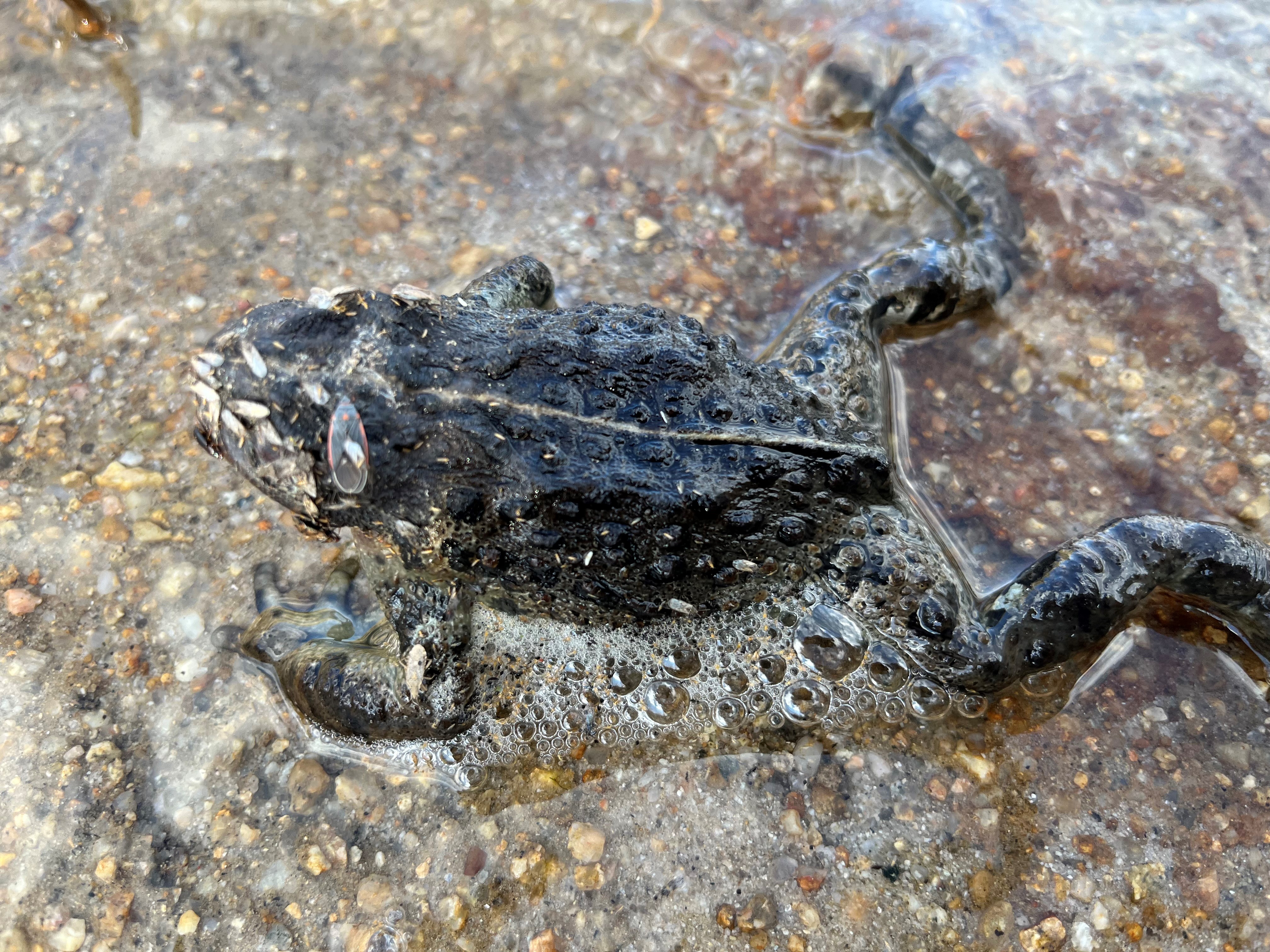
On the far side of the lake I saw her, sitting on the shoreline. I stopped short as I saw the stiffness of her body and the blank white stare of her eye. The toad was dead. But hadn’t been dead long. I pulled out the “tools of the trade” and measured her, checked her for an identifying passive integrated transponder tag, and swabbed her to test for the amphibian chytrid fungus. She was not marked, and I only assumed she was a female based on size. I recorded a few bits of environmental data, and although firm-ish, the toad was in no condition to travel for further examination. I felt a chill and realized that the sun was completely gone. I left her on the shore with a quick prayer to the amphibian goddess and a furtive look around for moose.
Boreal toads, like the one I found, have been on the decline in Rocky Mountain National Park (RMNP), and the southern Rocky Mountain region for a while. One contributor to these declines is the amphibian chytrid fungus that thickens the skin, blocks osmosis (water intake), and eventually leads to heart attack and death. As a research zoologist, my colleagues and I have been working on amphibians in RMNP in northern Colorado for three decades. Our work ranges from questions of immediate interest to the National Park Service, like “how are the wood frogs doing with the hydrological changes on the west side of the park,” or “why are boreal toads declining” to overall management questions like, “what is the status of the amphibian species in the park and what factors may affect persistence?”
Although there are some bad days like my autumn hike to Lost Lake, there are glimmers of hope, or at least of gains in information that we might use towards amphibian conservation. We are currently working on a paper using three decades of data on chorus frogs, salamanders, and wood frogs in RMNP to examine changes in persistence over time across the landscape of the park. This work also considers a variety of mechanisms (e.g., visitor use) that may affect the probability of persistence and thus provides RMNP with information that can contribute to conservation decisions about the management of the park’s amphibians.
Erin Muths is a research zoologist at the Fort Collins Science Center and is a principle investigator for the Amphibian Research and Monitoring Initiative for the Ecosystems Mission Area. Her lab has studied boreal toads and other amphibians in the Rocky Mountains for more than 25 years. She is going to be sorcerer for Halloween.
News & Stories Do Your Halloween Plans Involve Eye of Newt? Newts Have Some Things They Want You to Know!
As first appeared in USGS NTK:
First of all, newts are not the villains, instead, they are often the victims.
Newts are at risk, along with many animals, from climate change and from disease. In fact, they could be poster animals for climate change: In southern California, recent record warm air temperatures along with peak drought conditions are linked with a 20% reduction in mean body condition (e.g., mass) in the California newt (Taricha torosa)*. The disease Batrachochytrium salamadrivorans (Bsal, literally eater of salamanders in Latin) has caused significant devastation to salamander populations in Europe. This fungal disease affects primarily newts and salamanders and the Northeastern U.S. is considered the salamander capital of the world. While Bsal is not present in the United States now**, there is serious potential for the disease to spread from Europe to the U.S. through the pet trade***.
Second, newts are quiet neighbors that contribute to society.
For example, newts eat a variety of insects, and they are eaten by birds, snakes, and some mammals.
Third, newts appreciate Halloween and keep it alive all year!
Newts have three distinct developmental life stages that are in effect, costume changes! They begin as aquatic larva, metamorphose into terrestrial juveniles (sometimes called efts), then metamorphose into adults.
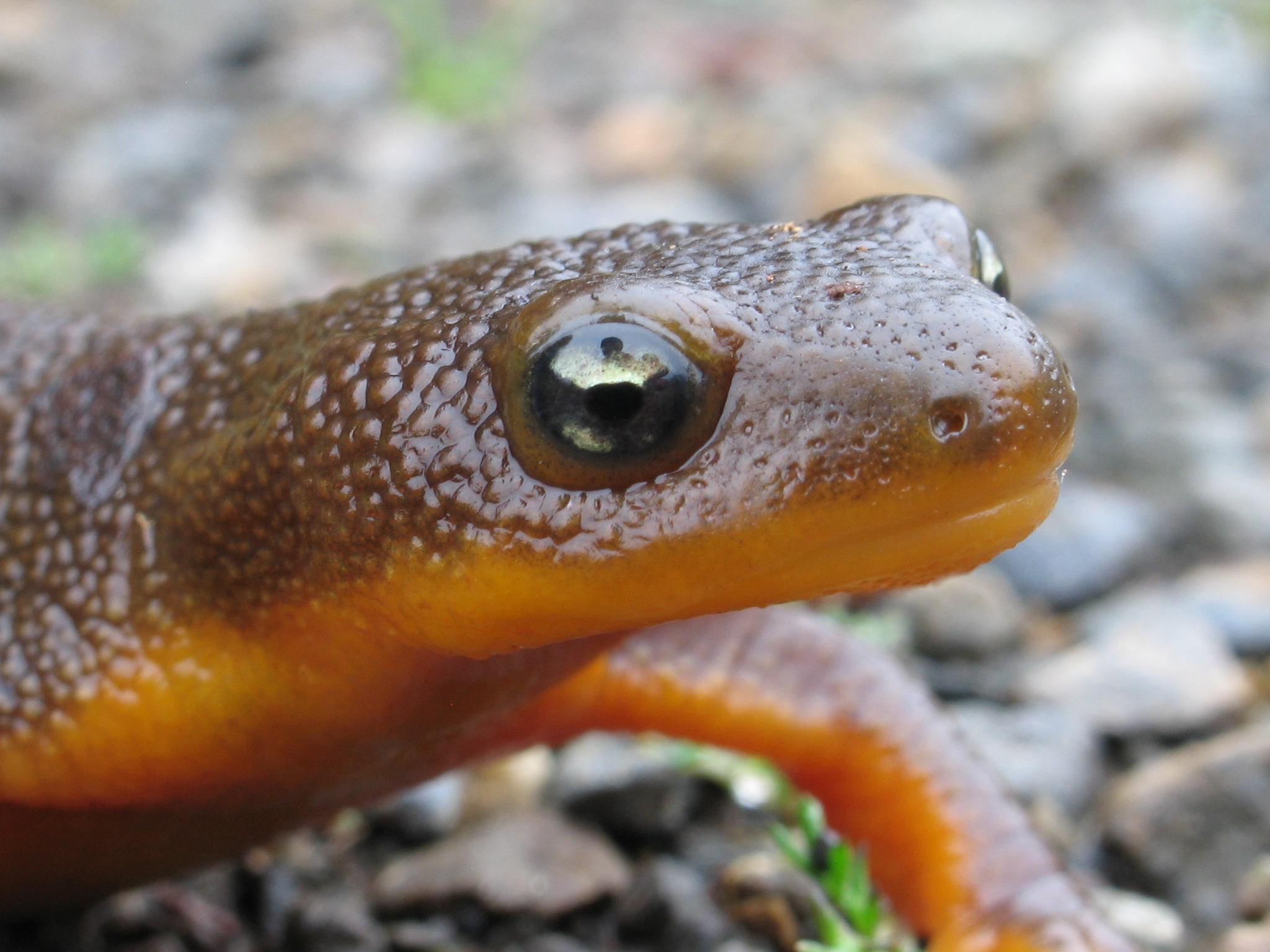
And finally, newts value their eyes.
If you are really looking for some eye of newt, go look in your local grocery, “eye of newt” is actually a very un-scary and easily acquired mustard seed.
Erin Muths is a research zoologist at the Fort Collins Science Center and is a principle investigator for the Amphibian Research and Monitoring Initiative for the Ecosystems Mission Area. Her lab has studied boreal toads and other amphibians in the Rocky Mountains for more than 25 years. She is going to be sorcerer for Halloween.
Michael Adams is a supervisory research ecologist at the Forest and Rangeland Ecosystem Science Center and is the Lead for the Amphibian Research and Monitoring Initiative for the Ecosystems Mission Area. His lab has studied newts and other amphibians in the Pacific Northwest for the past 25 years. His Halloween plans are a mystery to everyone including himself.
References:
*Bucciarelli, G.M., Clark, M.A., Delaney, K.S. et al. Amphibian responses in the aftermath of extreme climate events. Sci Rep 10, 3409 (2020). https://doi.org/10.1038/s41598-020-60122-2
**Waddle, J.H., Grear, D.A., Mosher, B.A., Grant, E.H.C., Adams, M.J., Backlin, A.R., Barichivich, W.J., Brand, A.B., Bucciarelli, G.M., Calhoun, D.L. and Chestnut, T., 2020. Batrachochytrium salamandrivorans (Bsal) not detected in an intensive survey of wild North American amphibians. Scientific reports 10(1), p.13012.
***Connelly, P.J., Ross, N., Stringham, O.C. and Eskew, E.A., 2023. United States amphibian imports pose a disease risk to salamanders despite Lacey Act regulations. Communications Earth & Environment, 4(1), p.351.

Papers & Reports Assessing potential collateral damage to tiger salamanders from insecticide applications for plague mitigation
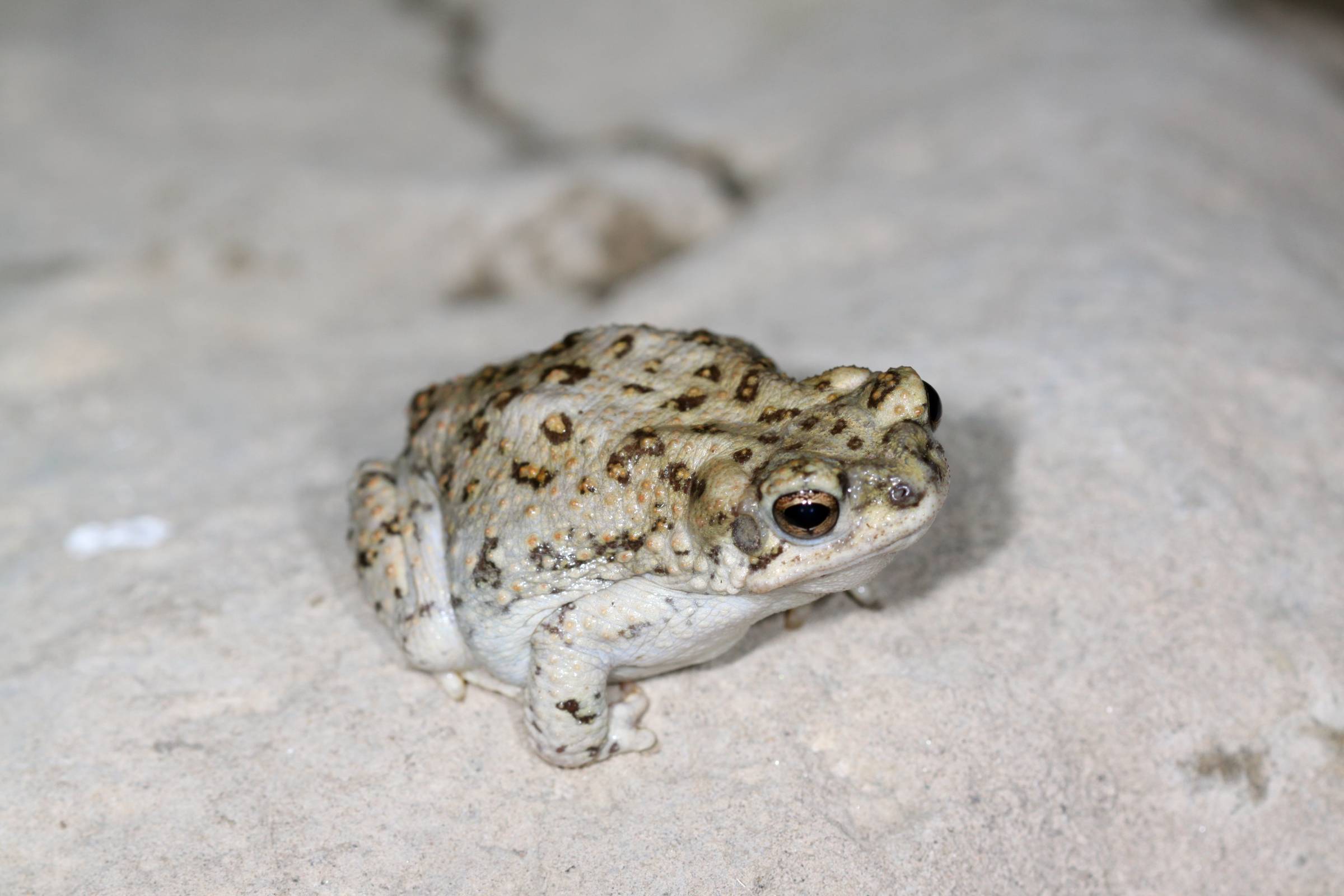
Papers & Reports Genetic Connectivity in the Arizona toad (Anaxyrus microscaphus): implications for conservation of a stream dwelling amphibian in the arid Southwestern U.S.
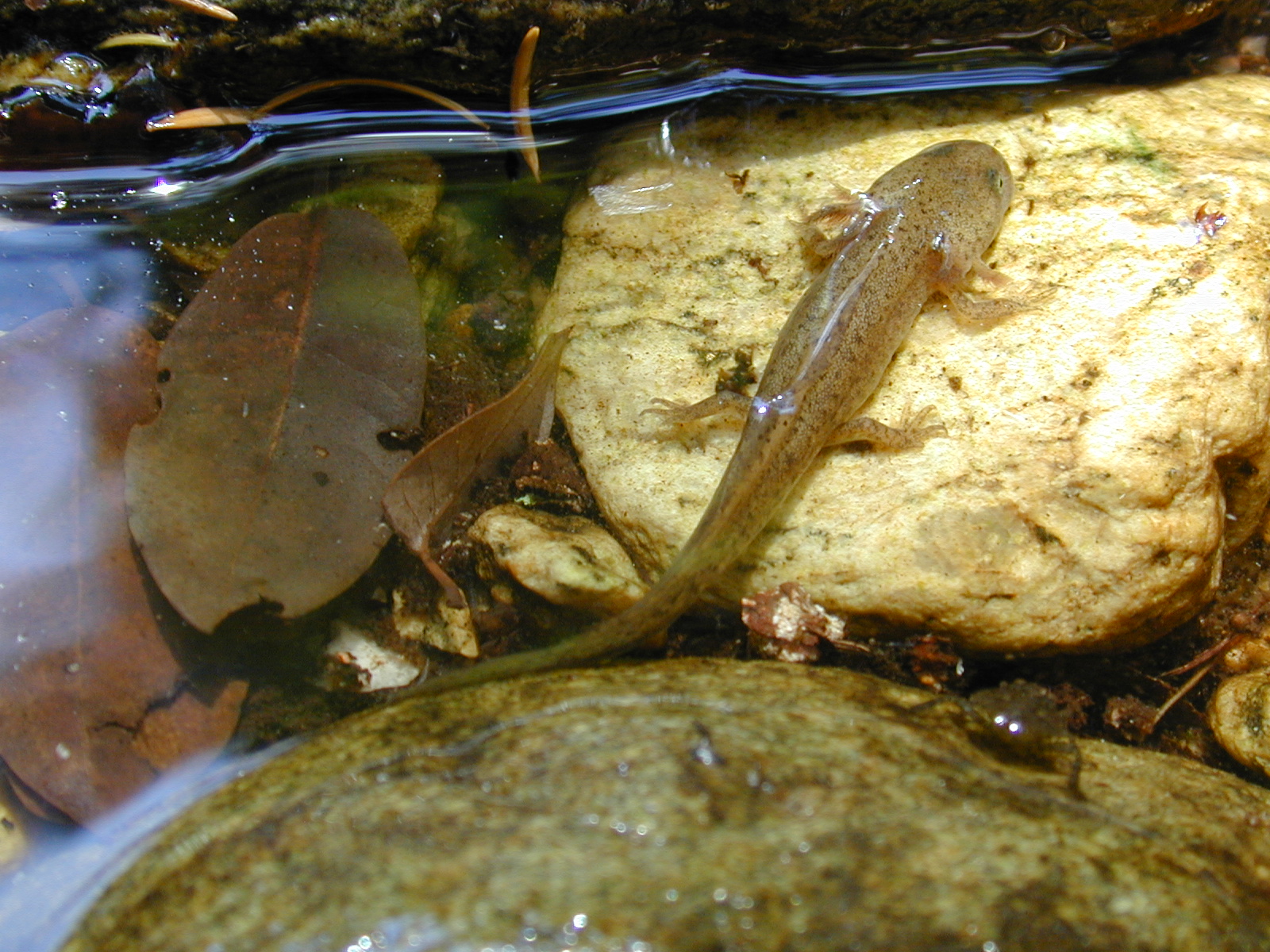
Papers & Reports Native amphibian toxin reduces invasive crayfish feeding with potential benefits to stream biodiversity
Results
We found that the presence of TTX in any form significantly reduced crayfish movement and decreased the amount of food consumed over time. Crayfish responses to the anuran treatment did not significantly differ from controls.
Conclusion
Our laboratory results show that naturally occurring neurotoxin from native California newts limits invasive crayfish foraging and feeding rates, which may play a role in preserving local stream ecosystems by limiting invasive crayfish behaviors that are detrimental to biodiversity.
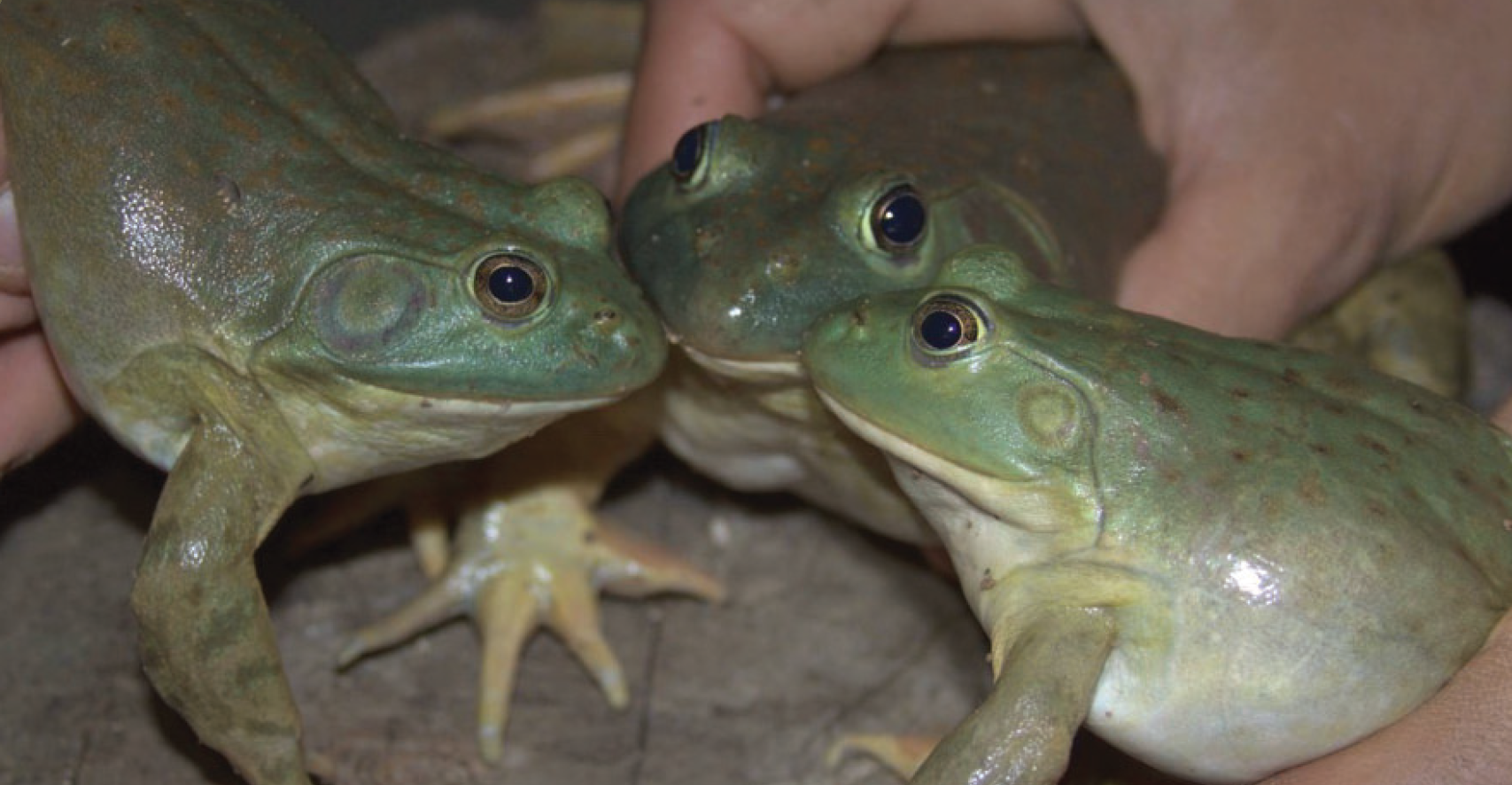
News & Stories Successful eradication of invasive American bullfrogs leads to co-extirpation of emerging pathogens
Recent ARMI-led research showed the removal of invasive American bullfrogs from livestock ponds and small lakes in southern Arizona also resulted in the apparent local extirpation of two pathogens associated with the bullfrogs. The American bullfrog is native eastern North America but has become widespread in the West, where it preys on many native species of conservation concern. Other recent ARMI-led research from the area suggested that American Bullfrogs could act as reservoirs for pathogens like amphibian chytrid fungus (Batrachochytrium dendrobatidis; Bd) and ranaviruses, which are often lethal to native amphibians, but less so to American Bullfrogs.
In the early 2000s, American bullfrogs were eradicated from ponds in the Buenos Aires National Wildlife Refuge near the Arizona-Mexico border to assist with the reintroduction efforts for the federally threatened Chiricahua Leopard Frog. In 2015, the bullfrog reinvaded the refuge and was once again removed. This reinvasion from outside the refuge motivated funding for a multi-year, landscape-scale eradication program. In the fall-winter of 2016 and the winter of 2020-2021, the research team tested the water at bullfrog eradication and control (no eradication efforts occurred) sites for the DNA (environmental DNA or eDNA) of invasive bullfrogs, federally threatened Chiricahua Leopard Frogs, and Bd and ranaviruses.
Results from the eDNA sampling showed American Bullfrogs were eradicated successfully from most sites, and where bullfrogs were eradicated, the pathogens were also no longer detected. Chiricahua Leopard Frogs did not increase in occurrence after eradicating bullfrogs, possibly due to an exceptional drought that could have limited the ability of native amphibians to colonize sites.
To our knowledge, this is one of the few studies to link eradication of an invasive species to co-eradication of emerging pathogens. Our spatially replicated experimental approach provides strong evidence that management of invasive species can simultaneously reduce predation and disease risk for imperiled species.
To view the full article click this link: https://doi.org/10.1111/conl.12970
Papers & Reports BioLake: A first assessment of lake temperature-derived bioclimatic predictors for aquatic invasive species
Data Release Student Network for Amphibian Pathogen Surveillance Data: U.S. Geological Survey data release
Papers & Reports Critical review of the phytohemagglutinin assay for assessing amphibian immunity
News & Stories Elevated road segment passage design may provide enhanced connectivity for amphibians, reptiles, and small mammals
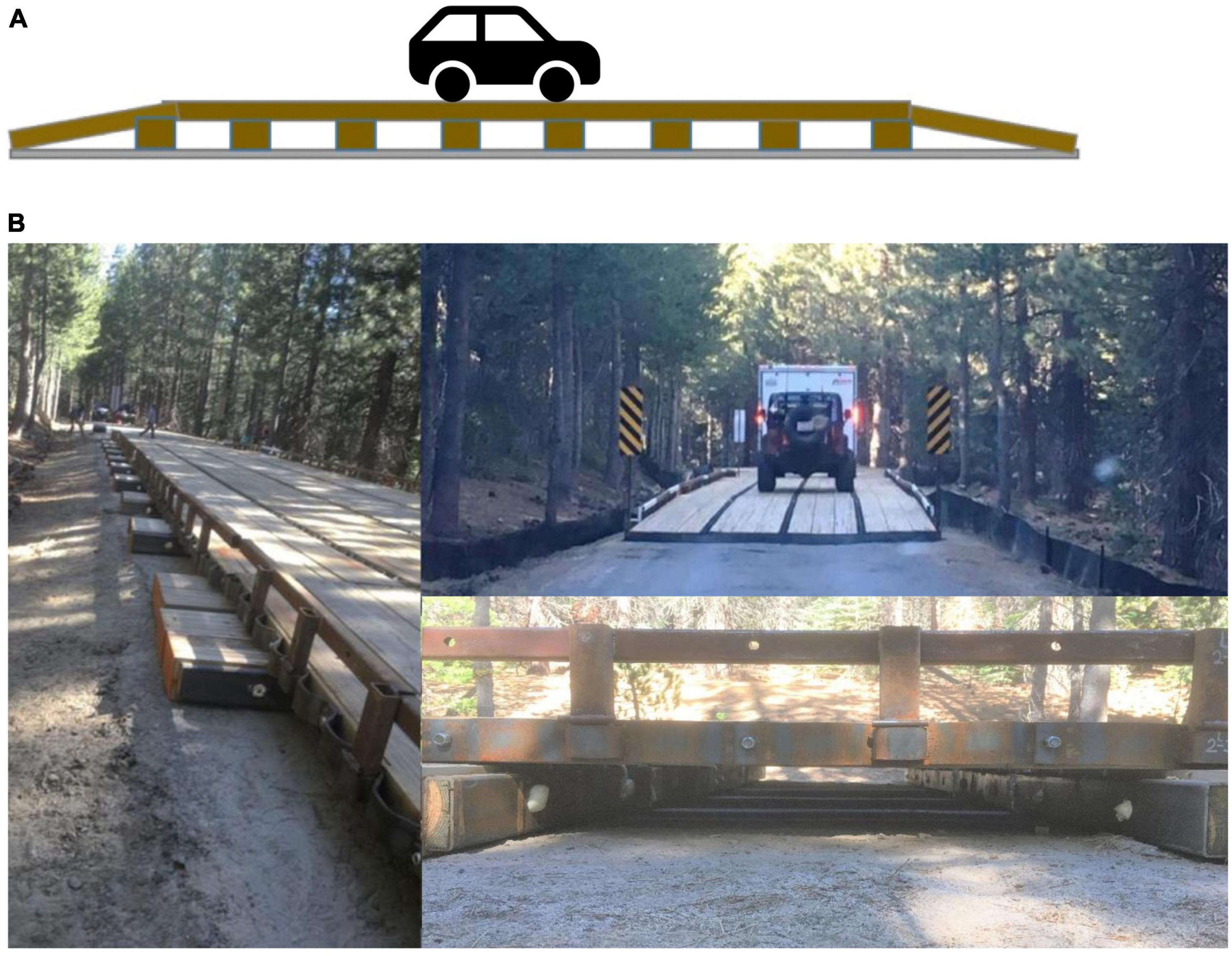
Introduction: Designs for safe and effective road crossing structures for small animals are typically under-road microtunnels and culverts which have varying levels of effectiveness reported in the scientific literature. Many species, particularly migratory amphibians, may have limited ability to find and use passages if they are too far apart, resulting in substantial barrier effects.
Methods: We designed a novel open elevated passage (elevated road segment: ERS), similar to a low terrestrial bridge, that could theoretically be built to any length based upon species needs and movement characteristics. A 30 m length prototype ERS was installed along a forest road with a history of amphibian road mortality in Sierra National Forest, Fresno County, CA, USA. From 2018 to 2021, we monitored small animal activity under the ERS in relation to surrounding roadside and forest habitats using active infrared cameras.
Results: We documented a total of 8,815 unique use events, using species specific independence criteria, across 22 species of amphibians (3), reptiles (4), and small mammals (15). Poisson regression modeling of taxonomic group activity under the ERS, roadside and forest, showed that amphibian activity was highest in the forest habitat, no differences were observed for reptiles, and small mammal activity was highest under the ERS. However, mean activity estimates under the ERS were equal to or greater than the open roadside habitat for all 22 species, suggesting that adding cover objects, such as downed logs and vegetation may further enhance passage use.
Discussion: Overall, results showed that the design of the ERS crossing has potential to provide high connectivity for a wide range of amphibian, reptile, and small mammal species while reducing road mortality. ERS systems can also be used in areas with challenging terrain and other hydrological and environmental constraints. Incorporating current road ecology science, we provide supplemental ERS concept designs for secondary roads, primary roads and highways to help increase the options available for road mitigation planning for small animals.
To view the full article click this link: https://doi.org/10.3389/fevo.2023.1145322
This is one of many research studies USGS is conducting to inform safe and effective road crossing systems for amphibians and reptiles. See https://www.usgs.gov/centers/werc/science/reptile-and-amphibian-road-ecology for more information.
Papers & Reports Geographic Distribution. Storeria occipitomaculata
Data Release Data from an annual trapping effort of an urban aquatic turtle population in Lafayette, Louisiana from 2009–2021
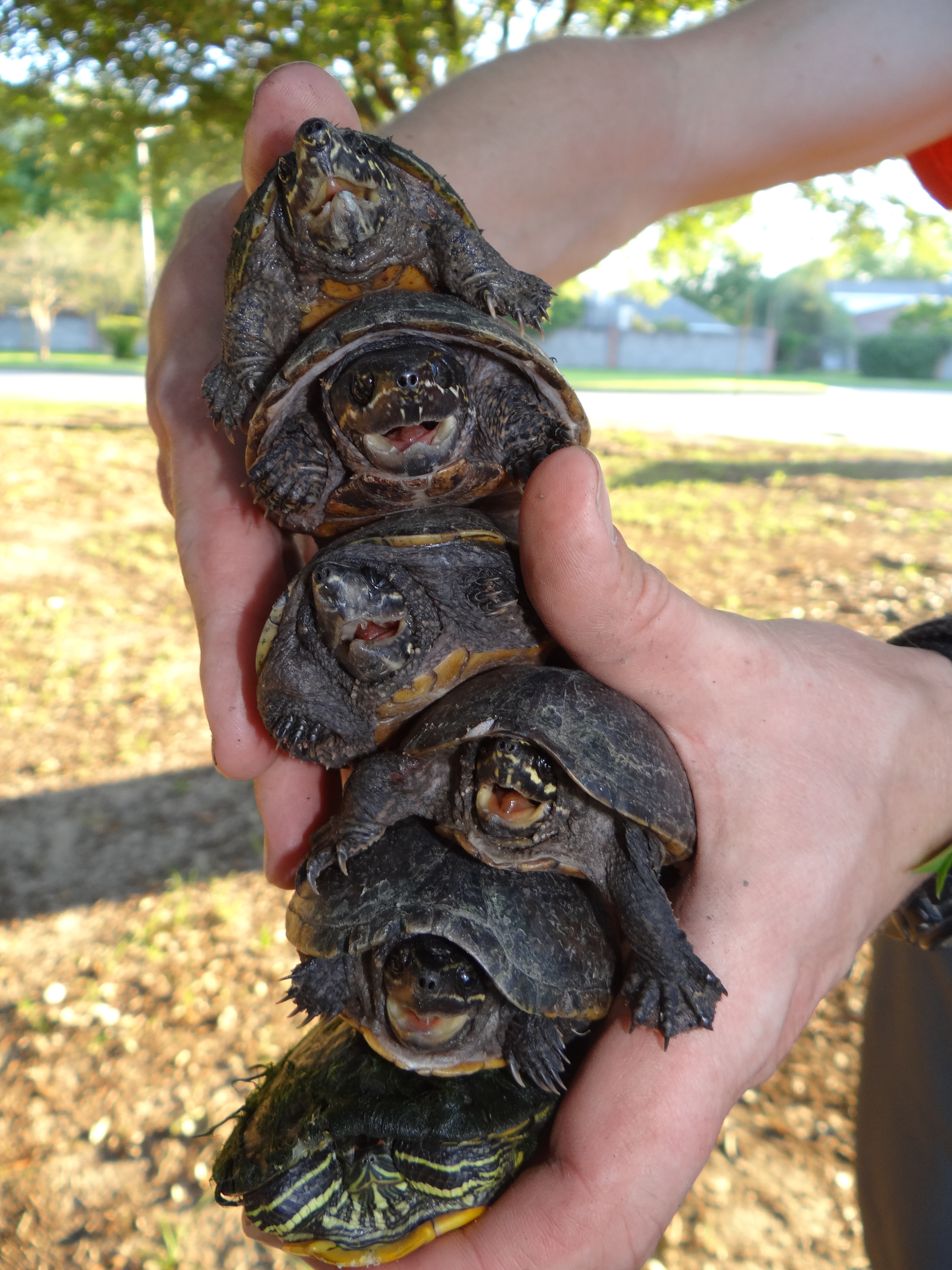
Papers & Reports Thirteen Years of Turtle Capture-Mark-Recapture in a Small Urban Pond Complex in Louisiana, USA
Papers & Reports A Dataset of Amphibian Species in U.S. National Parks
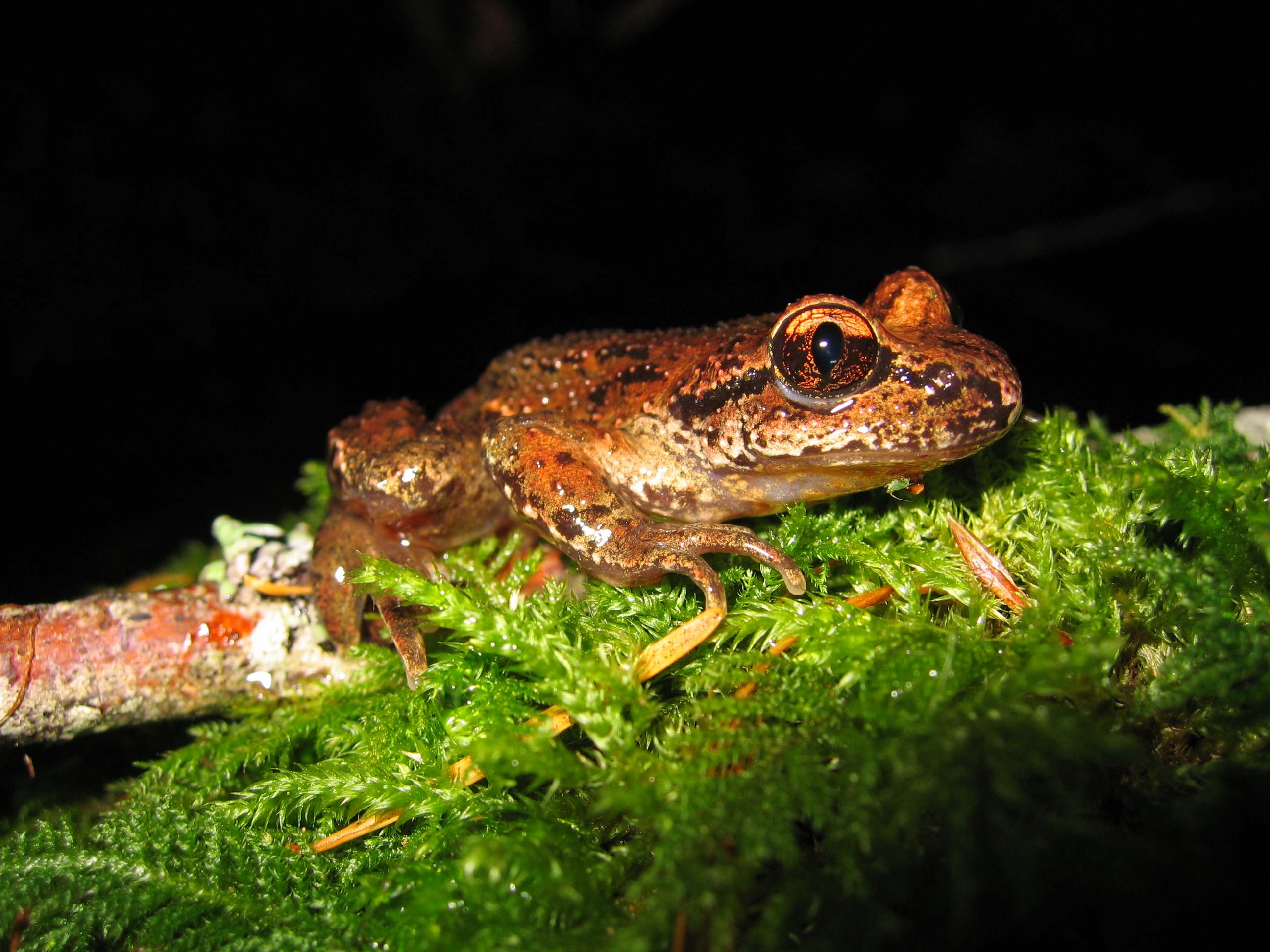
Papers & Reports Adjacent and downstream effects of forest harvest on the distribution and abundance of larval headwater stream amphibians in the Oregon Coast Range