
Search ARMI Database
Search term(s)
Contribution Number
Search Results
1292 record(s) found.
Papers & Reports In situ effects of pesticides on amphibians in the Sierra Nevada
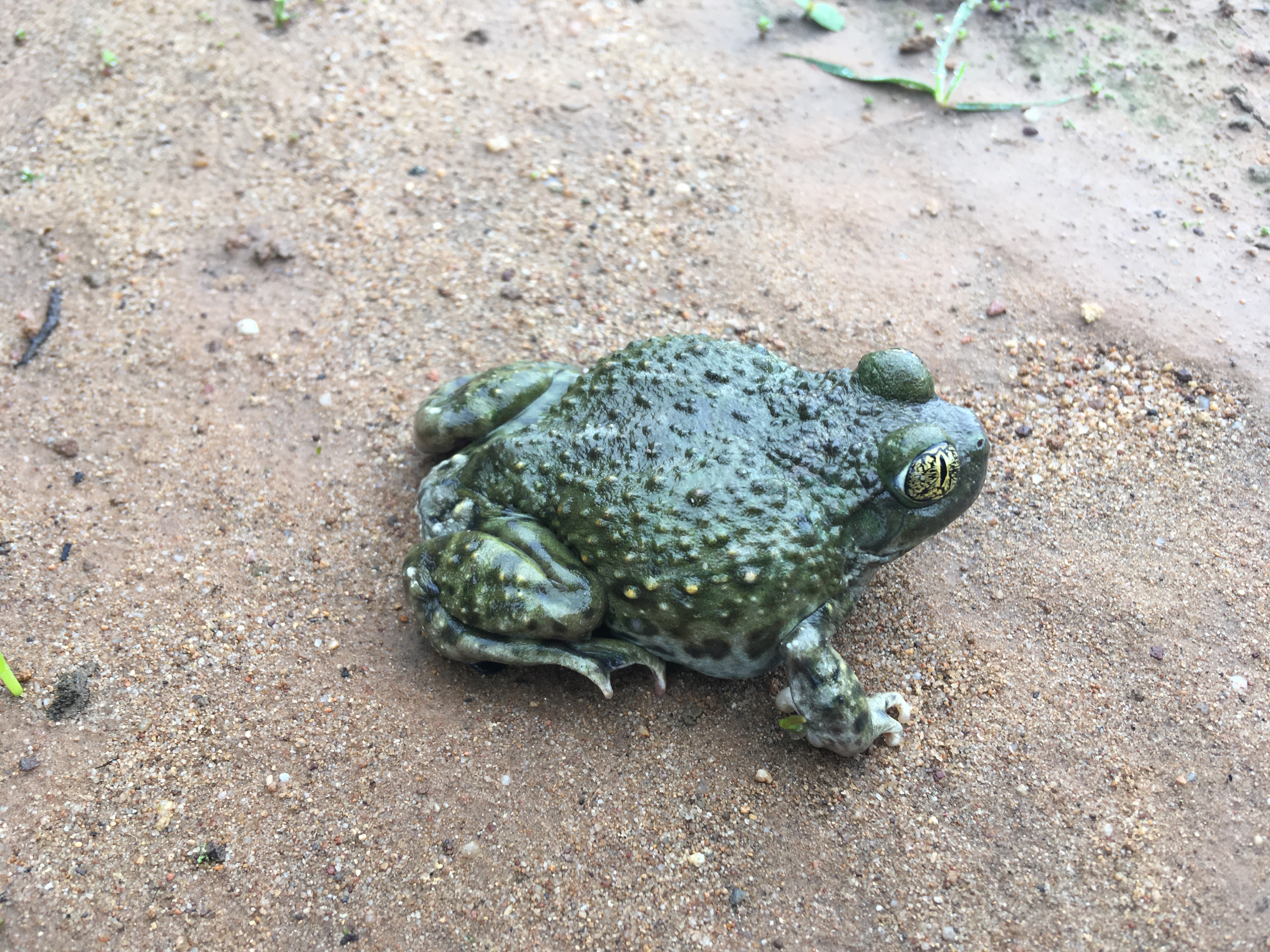
Papers & Reports Movement and habitat selection of the western spadefoot (Spea hammondii) in southern California
Papers & Reports Performance of occupancy estimators when basic assumptions are not met: a test with field data where truth is known.

News & Stories 2015 ARMI annual meeting
This year the annual ARMI meeting was a no-host event held outside of Denver in early December. This short meeting focused on in-depth discussions about management questions, basic science, and cross-discipline, integrative research to address amphibian declines. Topics included disease, methodologies, web-site and data management advances, and outreach.
Papers & Reports Monitoring Yellowstone’s wetlands: can long-term monitoring help us understand their future?
Papers & Reports Population genetic structure and disease in montane boreal toads: Why does chytridiomycosis infection increase with heterozygosity?
Papers & Reports Environmental DNA: Can it improve our understanding of biodiversity on NPS lands?
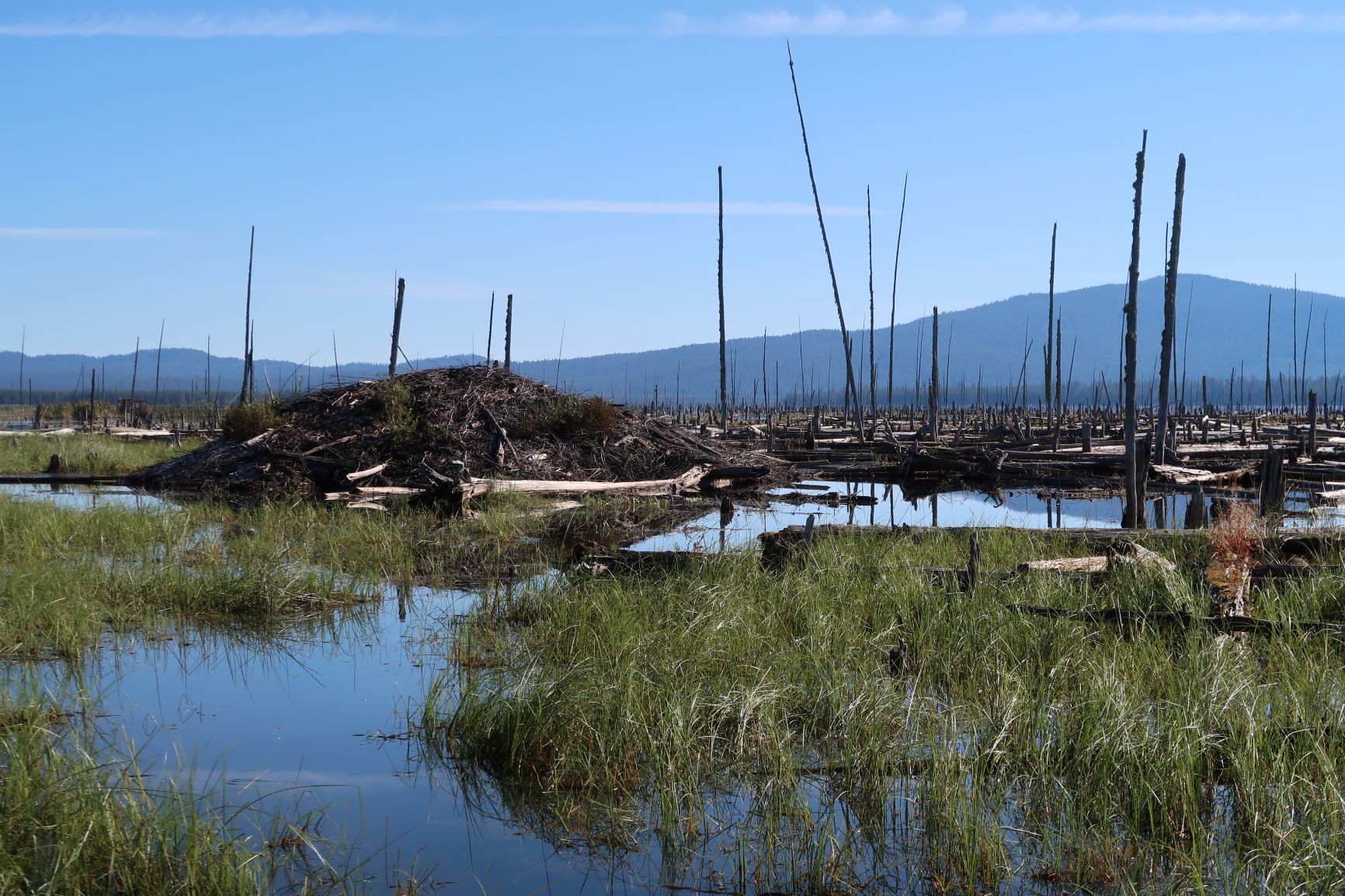
Papers & Reports Using occupancy models to accommodate uncertainty in the interpretation of aerial photograph data: status of beaver in central Oregon, USA
Papers & Reports The Source, Discharge, and Chemical Characteristics of Selected Springs, and the Abundance and Health of Associated Endemic Anuran Species in the Mojave Network of Parks
Radiocarbon dating of the water yielded estimated ages of about 7,000 years at Piute Spring and about 3,000 years at Darwin Spring, and tritium-helium-3 dating indicated an age of less than 2 years at Fortynine Palms Oasis. Stable hydrogen-isotope ratios were used to interpret an average altitude of recharge of 2,348 meters for Darwin Spring (about 1,415 meters higher than the altitude of Darwin Spring), 1,668 meters for Piute Spring (about 766 meters higher than the altitude of Piute Spring), and 1,400 meters for the Upper Pool at Fortynine Palms Oasis (about 543 meters higher than the altitude of the Upper Pool). Water-quality data collected for this study did not appear to be sensitive to trends in precipitation or seasonality in the Darwin Falls and Piute Spring study areas; however, it was sensitive to trends in Fortynine Palms Oasis where salinity increased by more than 10 percent during the 2 years of this study. Such a rapid response is consistent with the comparatively short travel time of less than 2 years from recharge to discharge at Fortynine Palms Oasis. Of the 14 trace elements analyzed, only concentrations of uranium at Fortynine Palms Oasis and arsenic at Darwin Spring were above drinking water standards; both constituents are derived from natural sources in the drainage basin and, therefore, are likely to have accumulated as a result of natural processes.
Endemic anuran species were surveyed at Darwin Falls for the western toad [Anaxyrus boreas] and the red-spotted toad [Anaxyrus punctatus], at Piute Spring for the red-spotted toad, and at Fortynine Palms Oasis for the red-spotted toad and California treefrog [Pseudacris cadaverina]. Historically, red-spotted toads were at the edge of their range at Darwin Falls, but they were not detected during this study and have not been detected since the early 1980s. The 2006 western toad population at Darwin Falls was estimated at 381 adults (95-percent confidence interval [CI] of 314–482). The population of red-spotted toads at Piute Spring was estimated at 1,153 adults (95-percent CI of 935–1,503). However, an elevated rate of abnormalities (approximately 5 percent) was recorded in red-spotted toads as well as the presence of the chytrid fungus,[Bactrochochytrium dendrobatidis], at Piute Spring. In Joshua Tree National Park, the California treefrog now occupies only three of the seven historically occupied drainages. Populations of California treefrogs at Fortynine Palms Oasis have declined more than 50 percent from 288 in 1969–71 to 109 in 2006. A similar decline was observed in the populations of red-spotted toads at Fortynine Palms Oasis from 300 adults in 1969–71 to 155 adults (95-percent CI of 90–139) in 2006. The red-spotted toads at Fortynine Palms Oasis also exhibited the presence of [Bactrochochytrium dendrobatidis].
Papers & Reports Modeling false positive detections in species occurrence data under different study designs
Papers & Reports Glyphosate and its degradation product AMPA occur frequently and widely in U.S. soils, surface water, groundwater, and precipitation
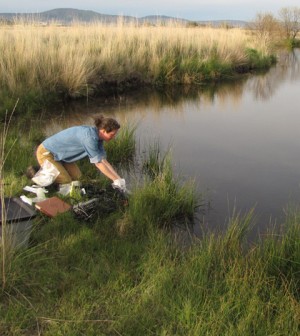
News & Stories ARMI research on amphibian chytrid fungus occupancy and detection in wetlands featured in the Environmental Monitor
The amphibian chytrid fungus is an aquatic fungus implicated as a contributor to amphibian declines worldwide. Most research has focused on the dynamics of the pathogen in its amphibian hosts, with little emphasis on the ecology of the fungus in the environment. Therefore, we investigated patterns of amphibian chytrid fungus occupancy and density in amphibian habitats using occupancy models, powerful tools for estimating site occupancy and detection probability. This study provided evidence that the fungus occurs in the environment year-round, and its density varies seasonally. We detected the amphibian chytrid fungus in 47% of sites sampled, but estimated that it occupied 61% of sites, highlighting the importance of accounting for imperfect detection. When the amphibian chytrid fungus was present, there was a 95% chance of detecting it with four samples of 600 ml of water or five samples of 60 mL. Our findings provide important baseline information to advance the study of Bd disease ecology, and advance our understanding of amphibian exposure to free-living Bd in aquatic habitats over time.
For more coverage from Environmental Monitor, follow the jump: http://www.fondriest.com/news/new-amphibian-chytrid-fungus-tests-ease-search-wide-ranging-frog-disease.htm
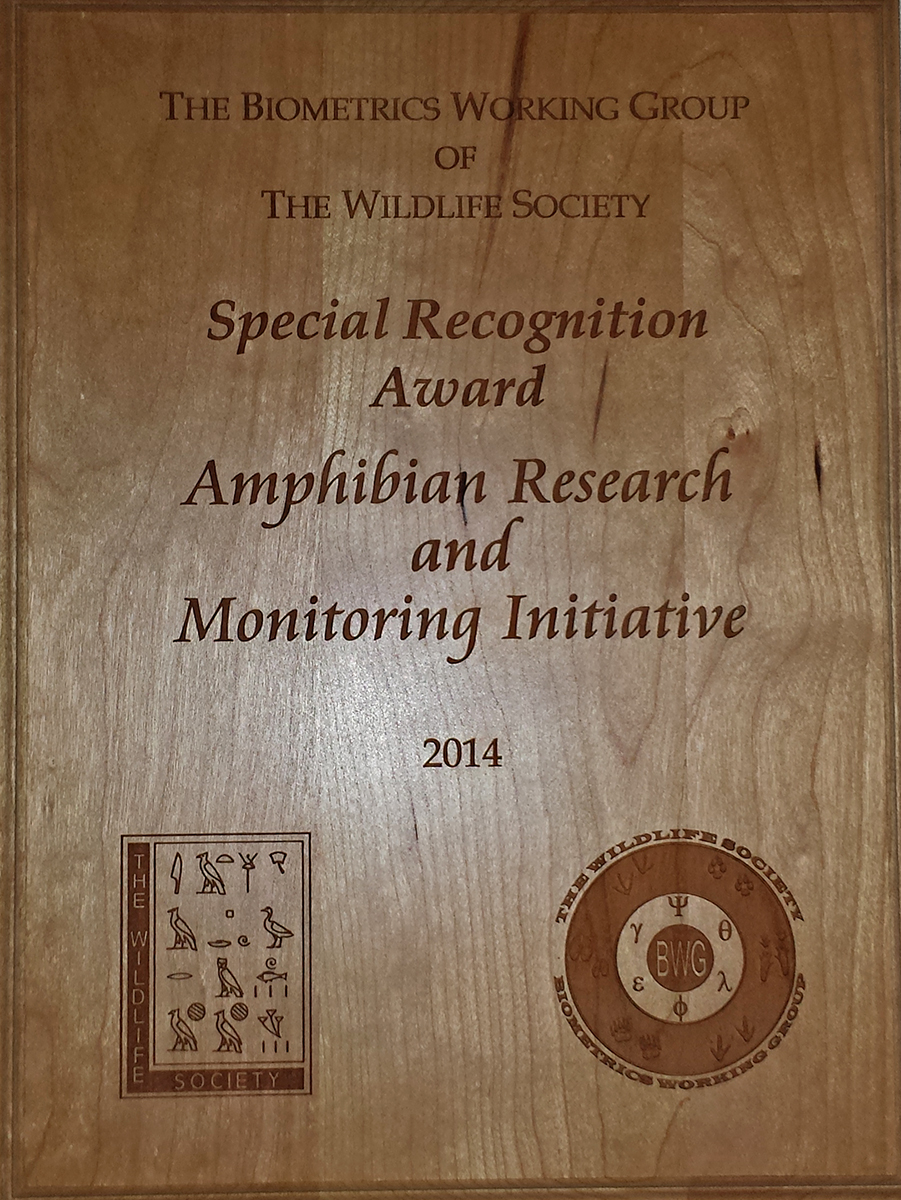
News & Stories ARMI recognized!
The 2014 Special Recognition Award from The Wildlife Society's Biometrics Working Group was presented to the Amphibian Research and Monitoring Initiative. The award is meant to recognize a group or an individual that has made an outstanding contribution to the development and application of quantitative methods to the fields of wildlife science and management. This year the award is presented to the Amphibian Research and Monitoring Initiative (ARMI) implemented by the U.S. Geological Survey and the U.S. Fish and Wildlife Service. ARMI has shown a deep appreciation for biometrical methods and their importance for drawing inferences about biological populations and communities. Most significantly ARMI propelled forward the development of a class of models (occupancy) that is now used worldwide by ecologists and conservation biologists. This funding support was largely responsible for dozens of papers on the development of occupancy modeling and for the 2006 book (MacKenzie et al. 2006, Academic Press; see Acknowledgements in this book) summarizing developments to that time. This development has not only been useful to ARMI projects, but has also benefited the worldwide community of animal ecologists, wildlife managers, and the field of biometrics.
News & Stories ARMI recognized!
The 2014 Special Recognition Award from The Wildlife Society's Biometrics Working Group was presented to the Amphibian Research and Monitoring Initiative. The award is meant to recognize a group or an individual that has made an outstanding contribution to the development and application of quantitative methods to the fields of wildlife science and management. This year the award is presented to the Amphibian Research and Monitoring Initiative (ARMI) implemented by the U.S. Geological Survey and the U.S. Fish and Wildlife Service. ARMI has shown a deep appreciation for biometrical methods and their importance for drawing inferences about biological populations and communities. Most significantly ARMI propelled forward the development of a class of models (occupancy) that is now used worldwide by ecologists and conservation biologists. This funding support was largely responsible for dozens of papers on the development of occupancy modeling and for the 2006 book (MacKenzie et al. 2006, Academic Press; see Acknowledgements in this book) summarizing developments to that time. This development has not only been useful to ARMI projects, but has also benefited the worldwide community of animal ecologists, wildlife managers, and the field of biometrics.
Papers & Reports The effects of hydropattern and predator communities on amphibian occupancy

Papers & Reports Potential reduction in terrestrial salamander ranges associated with Marcellus shale development
Papers & Reports Short-term occupancy and abundance dynamics of the Oregon Spotted Frog (Rana pretiosa) across its core range
Papers & Reports Using monitoring data to map amphibian breeding hotspots and describe wetland vulnerability in Yellowstone and Grand Teton National Parks
National Park Service (NPS) Inventory and Monitoring (I&M)
networks. An eight-year amphibian monitoring data set provided
opportunities to examine spatial and temporal patterns in
amphibian breeding richness and wetland desiccation across
Yellowstone and Grand Teton National Parks. Amphibian
breeding richness was variable across both parks, and only 4 of
31 permanent monitoring catchments contained all four widely
distributed species. Annual breeding richness was also variable
through time and fl uctuated by as much as 75% in some years and
catchments. Wetland desiccation was also documented across the
region, but alone did not explain variations in amphibian richness.
High annual variability across the region emphasizes the need for
multiple years of monitoring to accurately describe amphibian
richness and wetland desiccation dynamics.