
Search ARMI Database

Search term(s)

Filter search results with:


To view all contents, leave all fields blank and click "Search" button.

Contribution Number


Search Results

1290 record(s) found.
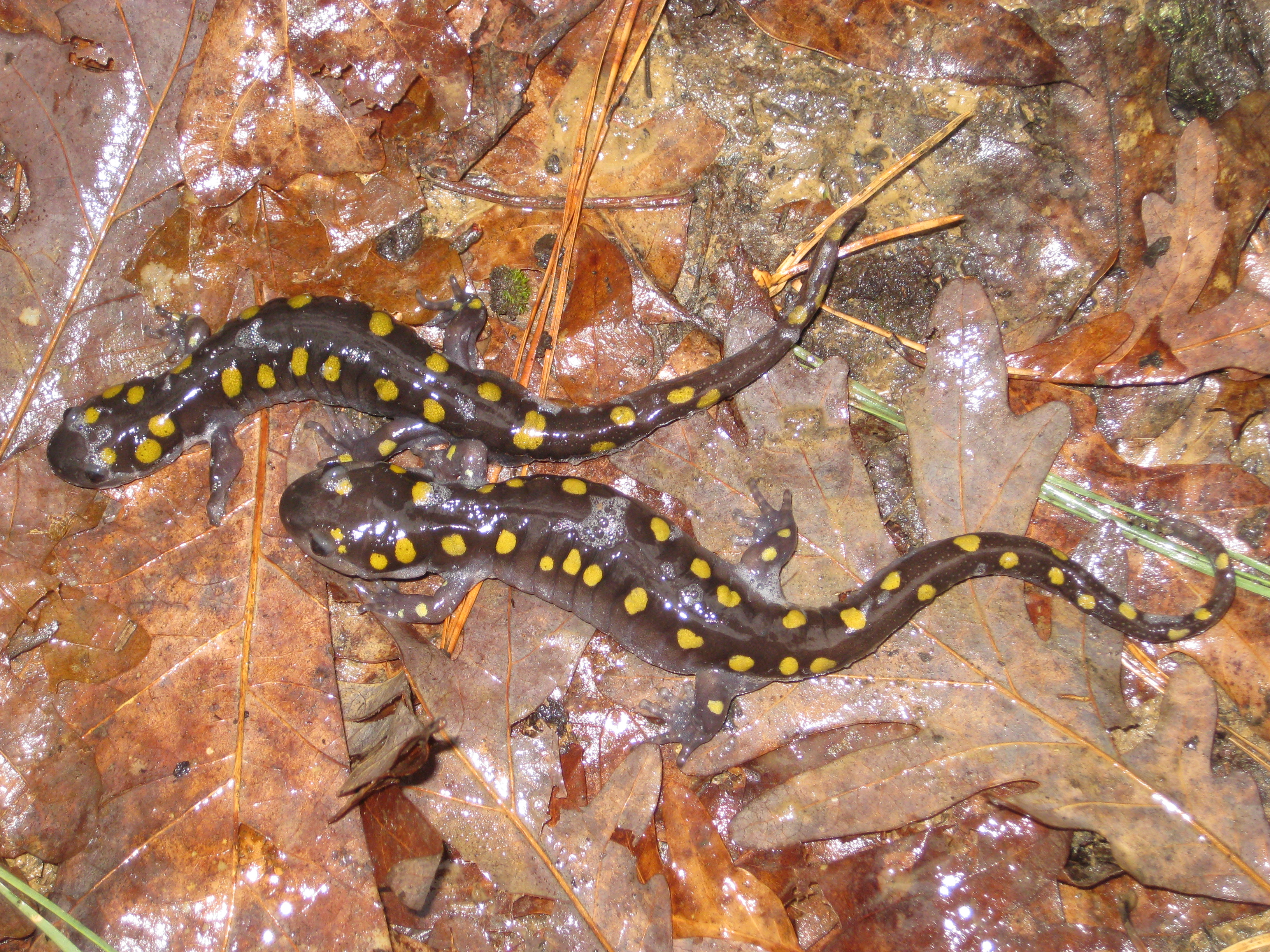
Data Release Long-term effects of timber harvest on vernal pool availability and occupancy of two obligate amphibians: U.S. Geological Survey data release
Authors: Evan HC Grant; Adrianne B Brand
Date: 2023-05-23 | Outlet: ScienceBase
This data set is comprised of 3 files of information collected on amphibians and vernal pool habitats at Canaan Valley National Wildlife Refuge from 2004 - 2016.
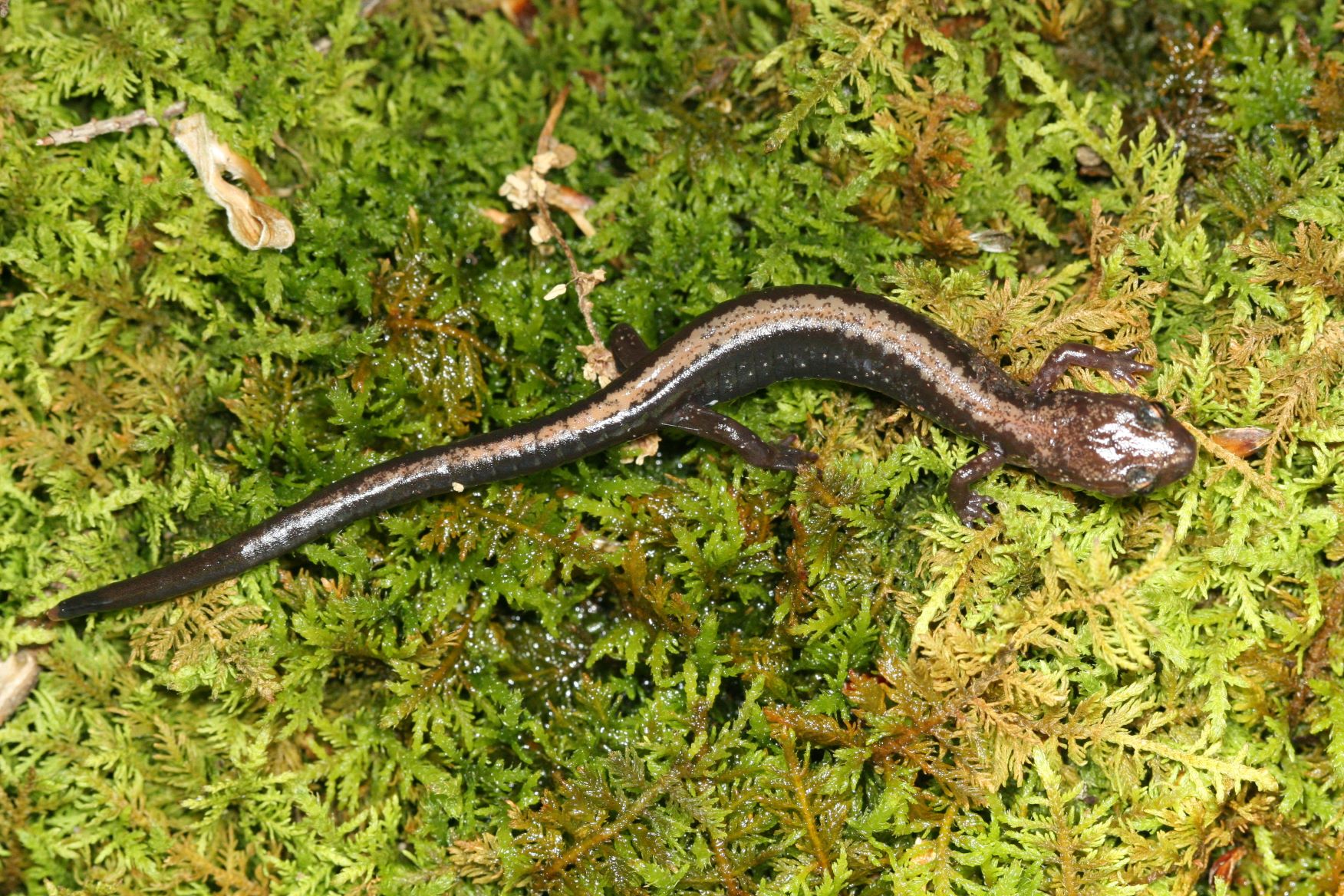
Data Release Data release - Abiotic and biotic factors reduce viability of a high-elevation salamander in its native range
Authors: Evan HC Grant; Graziella V DiRenzo; Adrianne B Brand
Date: 2023-04-11 | Outlet: ScienceBase
Includes data used to estimate population demographic parameters for an exemplary high-elevation amphibian species, the federally endangered Shenandoah salamander (Plethodon shenandoah). These parameters were entered into a Markov projection model which we used to forecast the future population status of the Shenandoah salamander.
Papers & Reports Broad-scale Assessment of Methylmercury in Adult Amphibians
Authors: Brian J Tornabene; Blake R Hossack; Brian J Halstead; Collin A Eagles-Smith; Michael J Adams; Adam R Backlin; Adrianne B Brand; Colleen S Emery; Robert N Fisher; Jill Fleming; Brad M Glorioso; Daniel A Grear; Evan HC Grant; Patrick M Kleeman; David AW Miller; Erin Muths; Christopher A Pearl; Jennifer C Rowe; Caitlin T Rumrill; Hardin J Waddle; Megan E Winzeler; Kelly L Smalling
Date: 2023-10-30 | Outlet: Environmental Science & Technology
Mercury (Hg) is a toxic contaminant that has been mobilized and distributed worldwide and is a threat to many wildlife species. Amphibians are facing unprecedented global declines due to many threats, including contaminants. While the bi-phasic life history of many amphibians creates a potential nexus for methylmercury (MeHg) exposure in aquatic habitats and subsequent health effects, the broad-scale distribution of MeHg exposure in amphibians remains unknown. We used non-lethal sampling to assess MeHg bioaccumulation in 3,241 juvenile and adult amphibians during 2017–2021. We sampled 26 populations (14 species) across 11 states in the United States, including several imperiled species that could not have been sampled by traditional lethal methods. We examined whether life history traits of species and whether concentration of total mercury in sediment or dragonflies could be used as indicators of MeHg bioaccumulation in amphibians. Methylmercury contamination was widespread, with a 33-fold difference in concentrations across sites. Variation among years and clustered subsites was less than variation across sites. Life history characteristics such as size, sex, and whether the amphibian was a frog, toad, newt, or other salamander were the factors most strongly associated with bioaccumulation. Total Hg in dragonflies was a reliable indicator of bioaccumulation of MeHg in amphibians (R2 ? 0.67) whereas total Hg in sediment was not (R2 ? 0.04). Our study, the largest broadscale assessment of MeHg bioaccumulation in amphibians, highlights methodological advances that allow for non-lethal sampling of rare species and reveals immense variation among species, life histories, and sites. Our findings can help identify sensitive populations and provide environmentally relevant concentrations for future studies to better quantify potential threats of MeHg to amphibians.
Papers & Reports Assay validation of saliva glucocorticoids in Columbia Spotted Frogs and effects of handling and marking
Authors: Brian J Tornabene; Blake R Hossack; Creagh W Breuner
Date: 2023-10-13 | Outlet: Conservation Physiology: Toolbox
Non-invasive methods are important to conservation physiology to reduce negative effects on the species being studied. Glucocorticoid (GC) hormones are often used to assess health of individuals, but collection methods can be invasive. Many amphibians are imperiled worldwide, and saliva is a non- or semi-invasive matrix to measure GCs that has been partially validated for only four amphibian species. Validation ensures that assays are reliable and can detect changes in saliva corticosterone (sCORT) following exposure to stressors, but it is also necessary to ensure sCORT concentrations are correlated with plasma concentrations. To help validate the use of saliva in assessing CORT responses in amphibians, we captured uniquely marked Columbia Spotted Frogs (Rana luteiventris) on sequential days and collected baseline and stress-induced (after handling) samples. For a subset of individuals, we collected and quantified CORT in both saliva and blood samples, which have not been compared for amphibians. We tested several aspects of CORT responses and, by collecting across separate days, measured repeatability of CORT responses across days. We also evaluated whether methods common to amphibian conservation, such as handling alone or handling, clipping a toe, and tagging elevated sCORT. Similar to previous studies, we show that sCORT is reliable concerning parallelism, recovery, precision, and sensitivity. Saliva CORT was weakly correlated with plasma CORT (R2 = 0.21), and we detected elevations in sCORT after handling, demonstrating biological validation. Toe-clipping and tagging did not increase sCORT over handling alone, but repeated handling elevated sCORT for ~72 hours. However, sCORT responses were highly variable and repeatability was low within individuals and among capture sessions, contrary to previous studies with urinary and waterborne CORT. Saliva CORT is a semi-invasive and rapid technique that could be useful to assess effects of anthropogenic change, and conservation efforts, but will require careful study design and future validation.
Papers & Reports Successful eradication of invasive American bullfrogs leads to co-extirpation of emerging pathogens
Authors: Blake R Hossack; D Hall; C L Crawford; Caren S Goldberg; Erin Muths; Brent H Sigafus; Thierry C Chambert
Date: 2023 | Outlet: Conservation Letters
Interventions of host-pathogen dynamics provide strong tests of relationships, yet they are still rarely applied across multiple populations. After American Bullfrogs (Rana catesbeiana) invaded a wildlife refuge where federally threatened Chiricahua Leopard Frogs (R. chiricahuensis) were reintroduced 12 years prior, managers launched a landscape-scale eradication effort to help ensure continued recovery of the native species. We used a before-after-control-impact (BACI) design and environmental DNA sampling of 19 eradication sites and 18 control sites between fall 2016 and winter 2020–2021 to measure community-level responses to bullfrog eradication, including for 2 pathogens. Dynamic occupancy models revealed successful eradication from 94% of treatment sites. Native amphibians did not respond to bullfrog eradication, but the pathogens amphibian chytrid fungus (Batrachochytrium dendrobatidis) and ranaviruses were co-extirpated with bullfrogs. Our spatially replicated experimental approach provides strong evidence that management of invasive species can simultaneously reduce predation and disease risk for imperiled species.
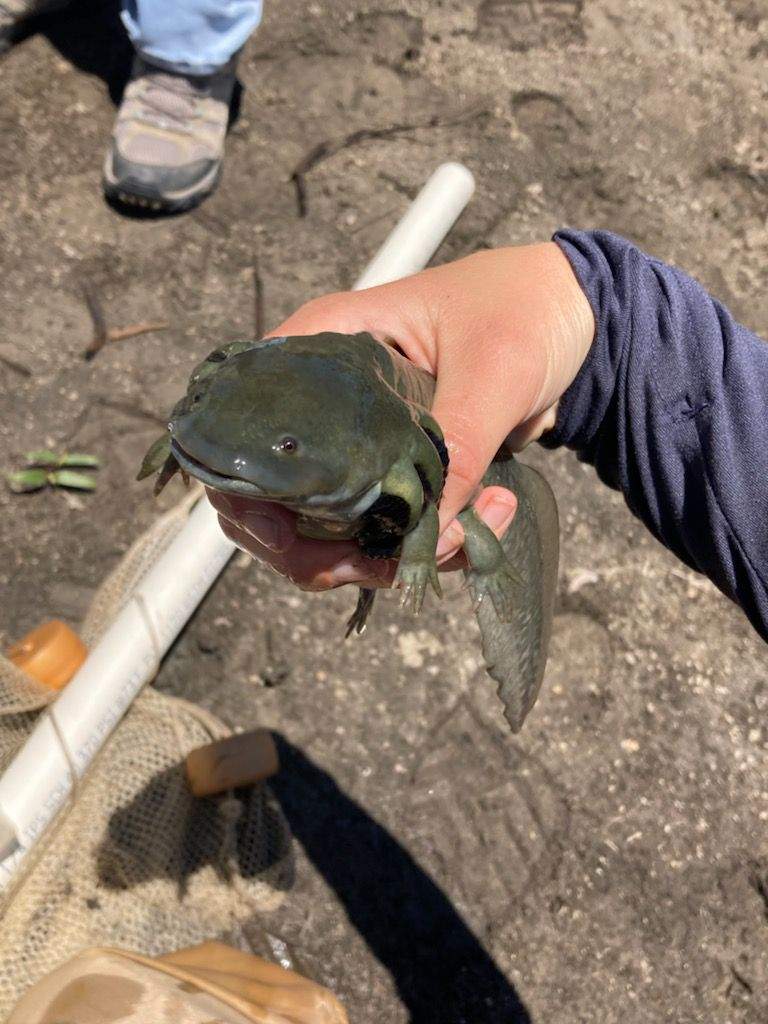
Data Release Student Network for Amphibian Pathogen Surveillance Data: U.S. Geological Survey data release
Authors: Megan E Winzeler; Daniel A Grear
Date: 2023-05-08 | Outlet: USGS Science Base
Data in this dataset were collected as a part of the Student Network for Amphibian Pathogen Surveilance (SNAPs) program throughout the United States by undergraduate students in biology or ecology courses as a part of their curriculum2020-2022. This data was collected in the field by students and sent to the USGS National Wildlife Health Center (NWHC) for testing of two amphibian fungal pathogens, Batrachochytrium dendrobatidis (Bd) and Batrachochytrium salamandrivorans (Bsal).
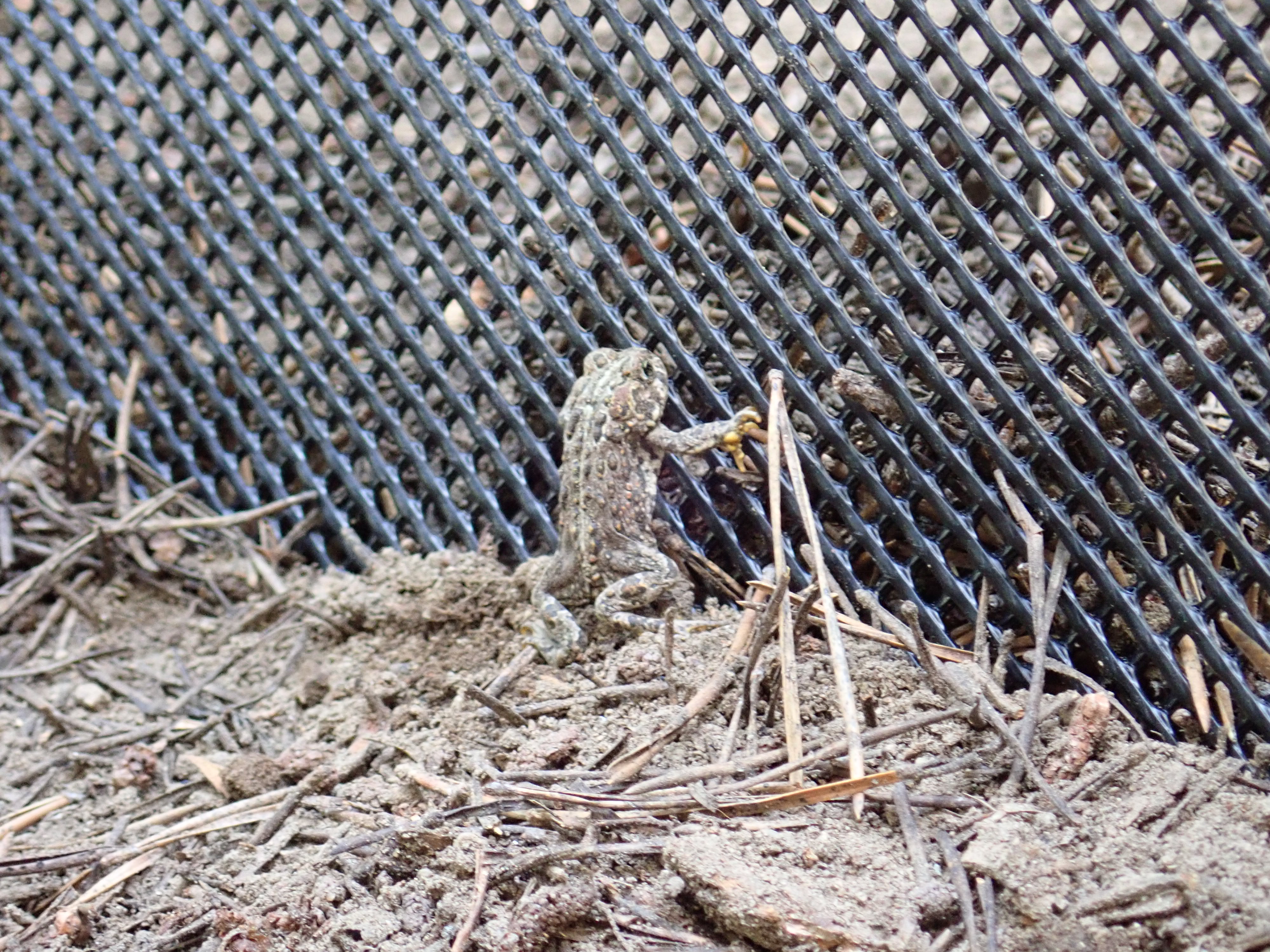
Papers & Reports Prioritizing the risk and management of introduced species in a landscape with high indigenous biodiversity
Authors: Jonathan Q Richmond; Jennifer Kingston; Brittany Ewing; Wendy Bear; Stacie A Hathaway; Cedric Lee; Camm C. Swift; Kristine L Preston; Allison J Schultz; Barbara E. Kus; Kerwin Russel; Philip Unitt; B Hollingsworth; Robert E Espinoza; Michael Wall; S Tremor; Kai Palenscar; Robert N Fisher
Date: 2023 | Outlet: Bulletin of the Southern California Academy of Sciences
Risk analysis protocols for prioritizing the management of non-native species are numerous, yet few incorporate risk and management in the same analysis or accommodate a broad diversity of taxa outside of a specific geographic area. We adapted a protocol that accounts for these factors to address non-native animal species in the Southern California/Northern Baja California Coast Ecoregion near the international border in San Diego County, an area with high indigenous biodiversity and high numbers of species of conservation concern. This stepwise, semi-quantitative protocol is applicable to any animal group in any predefined geographic area, relies on consensus-building among taxonomic experts, and has been vetted through previous use and in peer-reviewed literature. Our results show that the final prioritization was driven mainly by management feasibility, with top-ranked species having multitrophic effects that favor other non-native invaders over native residents. Conditions within the assessment area required some modification to the protocol as it was originally designed, namely a shift in emphasis from eradication to control, given that eradication is implausible for most non-native species in the assessment area. We call attention to taxon-specific issues that surfaced during the analysis, identify areas for improvement in this first-ever risk assessment for invasive animal species in the Natural Communities Conservation Plan/Habitat Conservation Plan (NCCP/HCP) reserve system of San Diego County, and provide suggestions for further refinement of the protocol. This study builds on the effort to standardize risk analysis for invasive species globally, given that many of the same invaders present threats to indigenous biodiversity worldwide.
Papers & Reports Elevated road segment (ERS) passage design may provide enhanced connectivity for amphibians, reptiles, and small mammals
Authors: Cheryl S Brehme; Stephanie Barnes; Brittany Ewing; Philip Gould; Cassie Vaughan; Michael Hobbs; Charles Tornaci; Sarah Holm; Hanna Sheldon; Jon Fiutak; Robert N Fisher
Date: 2023-05-24 | Outlet: Frontiers in Ecology and Evolution 11:1145322
Introduction: Designs for safe and effective road crossing structures for small animals are typically under-road microtunnels and culverts which have varying levels of effectiveness reported in the scientific literature. Many species, particularly migratory amphibians, may have limited ability to find and use passages if they are too far apart, resulting in substantial barrier effects.

Methods: We designed a novel open elevated passage (elevated road segment: ERS), similar to a low terrestrial bridge, that could theoretically be built to any length based upon species needs and movement characteristics. A 30 m length prototype ERS was installed along a forest road with a history of amphibian road mortality in Sierra National Forest, Fresno County, CA, USA. From 2018 to 2021, we monitored small animal activity under the ERS in relation to surrounding roadside and forest habitats using active infrared cameras.

Results: We documented a total of 8,815 unique use events, using species specific independence criteria, across 22 species of amphibians (3), reptiles (4), and small mammals (15). Poisson regression modeling of taxonomic group activity under the ERS, roadside and forest, showed that amphibian activity was highest in the forest habitat, no differences were observed for reptiles, and small mammal activity was highest under the ERS. However, mean activity estimates under the ERS were equal to or greater than the open roadside habitat for all 22 species, suggesting that adding cover objects, such as downed logs and vegetation may further enhance passage use.

Discussion: Overall, results showed that the design of the ERS crossing has potential to provide high connectivity for a wide range of amphibian, reptile, and small mammal species while reducing road mortality. ERS systems can also be used in areas with challenging terrain and other hydrological and environmental constraints. Incorporating current road ecology science, we provide supplemental ERS concept designs for secondary roads, primary roads and highways to help increase the options available for road mitigation planning for small animals.

News & Stories 2022 Annual ARMI meeting hosted by the Aquarium of the Pacific in Long Beach, CA
Authors: Erin Muths
April 25, 2023

The USGS Amphibian Research and Monitoring initiative met at the Aquarium of the Pacific in Long Beach, CA, during November 1-3, 2022. ARMI researchers and collaborators met in a hybrid meeting to discuss a full suite of topics about amphibian conservation and how to provide the most useful information for managers. Discussions included updates on current regional projects, and the initial wrap up of a 5-year national research effort to look at relationships among disease, contaminants, and demography (e.g., survival). A major topic of the meeting was the identification and development of new efforts to address connections among climate change (current and predicted), and potential changes in range for species broadly distributed across the United States. Such work would include the identification and examination of a suite of landscape-level data such as wetland and pond dynamics, and incorporate other relevant data such as human footprint indices. The modular organization of ARMI makes it uniquely suited to address these and other landscape-scale questions because it facilitates the collection of field data, in a statistically robust manner, and across a broad swath of the country. This capability, paired with the quantitative know-how to effectively use those data, sets ARMI apart. Goals for this project include addressing particular hypotheses about species range and potential drivers of change and developing new continental-scale models that integrate landscape changes, especially in water dynamics. Ultimately, these models can be used to provide better and more easily updated predictions of the presence and persistence of amphibians and other species across the landscape informing management and conservation.
Papers & Reports Inferring pathogen presence when sample misclassification and partial observation occur
Authors: Evan HC Grant; Riley O Mummah; Brittany A Mosher; Jonah Evans; Graziella V DiRenzo
Date: 2023-04-11 | Outlet: Methods in Ecology and Evolution
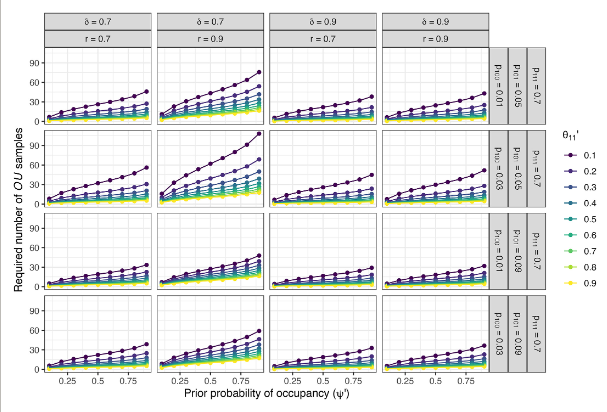
1. Surveillance programs are essential for detecting emerging pathogens and often rely on molecular methods to make inference about the presence of a target disease agent. However, molecular methods rarely detect target DNA perfectly. For example, molecular pathogen detection methods can result in misclassification (i.e., false positives and false negatives) or partial detection errors (i.e., detections with ‘ambiguous’, ‘uncertain’, or ‘equivocal’ results). Then, when data are to be analyzed, these?partial observations?are?either?discarded?or censored;?this, however, disregards information that could be used to make inference about the true state of the system. There is a critical need for more direction and guidance related to how many samples is enough to declare a unit of interest ‘pathogen-free’.
2. Here, we develop a Bayesian hierarchal framework that accommodates false negative, false positive, and uncertain detections to improve inference related to the occupancy of a pathogen. We apply our modeling framework to a case study of the fungal pathogen Pseudogymnoascus destructans (Pd) identified in Texas bats at the invasion front of white-nose syndrome. To improve future surveillance programs, we provide guidance on sample sizes required to be 95% certain a target organism is absent from a site.
3. We found that the presence of uncertain detections increased the variability of resulting posterior probability distributions of pathogen occurrence, and that our estimates of required sample size were very sensitive to prior information about pathogen occupancy, pathogen prevalence, and diagnostic test specificity. In the Pd case study, we found that the posterior probability of occupancy was very low in 2018, but occupancy probability approached 1 in 2020, reflecting increasing prior probabilities of occupancy and prevalence elicited from the site manager.
4. Our modeling framework provides the user a posterior probability distribution of pathogen occurrence, which allows for subjective interpretation by the decision-maker. To help readers apply and use the methods we developed, we provide an interactive?RShiny?app?that generates target species?occupancy estimation and sample size estimates to make these methods more accessible?to the scientific community (https://rmummah.shinyapps.io/ambigDetect_sampleSize).?This modeling framework and sample size guide may be useful for improving inferences from molecular surveillance data about emerging pathogens, non-native invasive species, and endangered species where misclassifications and ambiguous detections occur.
Papers & Reports By land, air, and water – USGS science supporting fish and wildlife migrations throughout North America
Authors: Mona Khalil; Mark Wimer; David Hu; Michael J Adams; Melanie Steinkamp; Suzanna C Soileau
Date: 2022-06-22
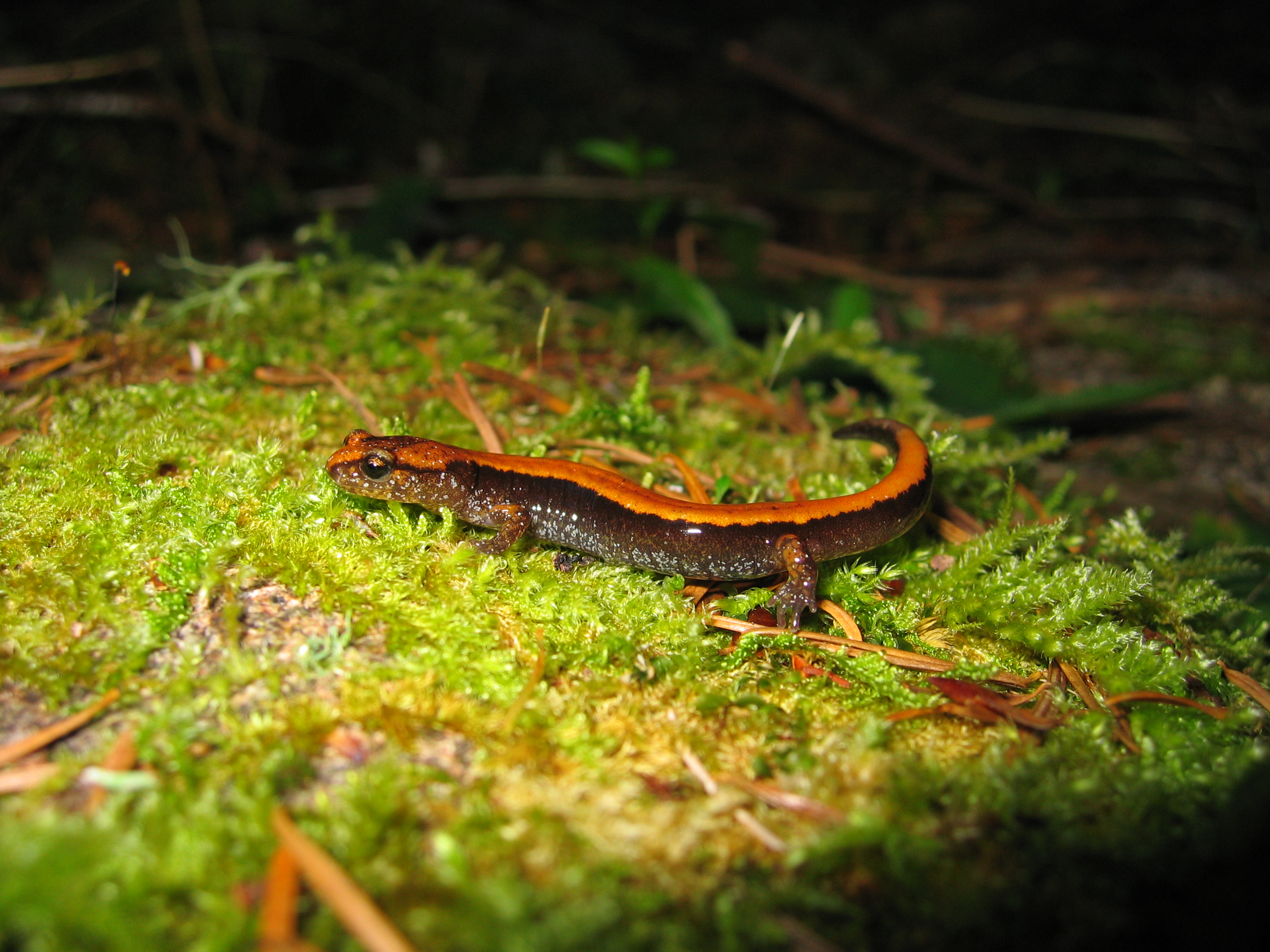
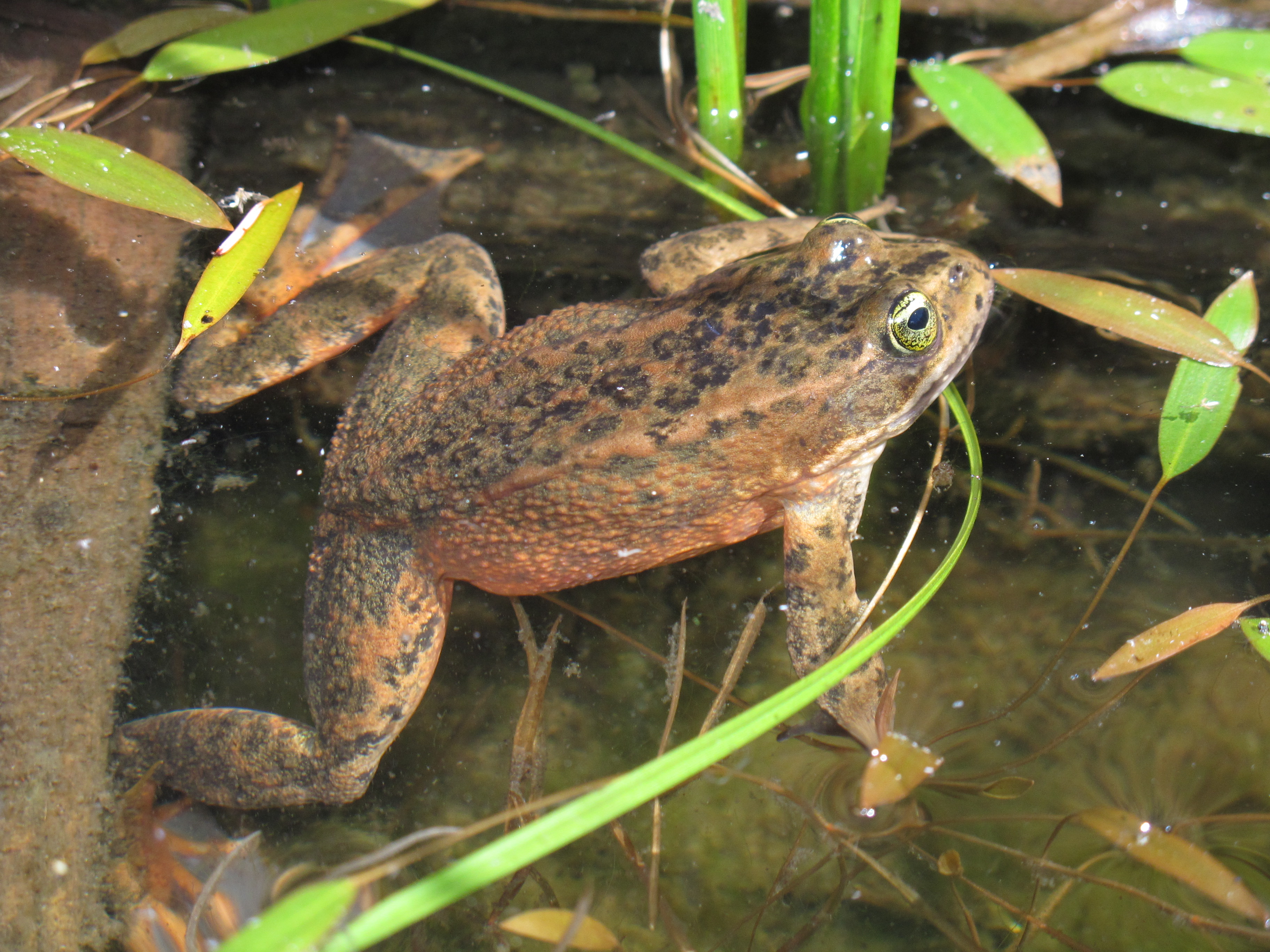
Countless species of animals—big game, birds, bats, insects, amphibians, reptiles, and fish—migrate to reach suitable habitats to feed, reproduce, and raise their young. Animal migrations developed over millennia commonly follow migration corridors—unique routes for each species—to move among seasonal habitats. Changes along those corridors, whether from human development (buildings, roads, dams) or from natural disturbances (for example, climate change, drought, fire, flooding, or invasive species), can make them harder to navigate. The U.S. Geological Survey’s Ecosystems Mission Area provides science that assists land managers in mapping, enhancing, protecting, and reconnecting migration corridors critical for diverse fish and wildlife populations that migrate, such as Odocoileus hemionus (mule deer) and Antilocapra americana (pronghorn), trout and salmon, salamanders, tortoises, bats, and Danaus plexippus (monarch butterflies).
Papers & Reports Broad-scale assessment of methylmercury in adult amphibians
Authors: Brian J Tornabene; Blake R Hossack; Brian J Halstead; Collin A Eagles-Smith; Michael J Adams; Adam R Backlin; Adrianne B Brand; C S Emery; Robert N Fisher; Jill Fleming; Brad M Glorioso; Daniel A Grear; Evan HC Grant; Patrick M Kleeman; David AW Miller; Erin Muths; Christopher A Pearl; Jennifer C Rowe; Caitlin T Rumrill; Hardin J Waddle; Megan E Winzeler; Kelly L Smalling
Date: 2023-10-30 | Outlet: Environmental Science and Technology 57:17511-17521
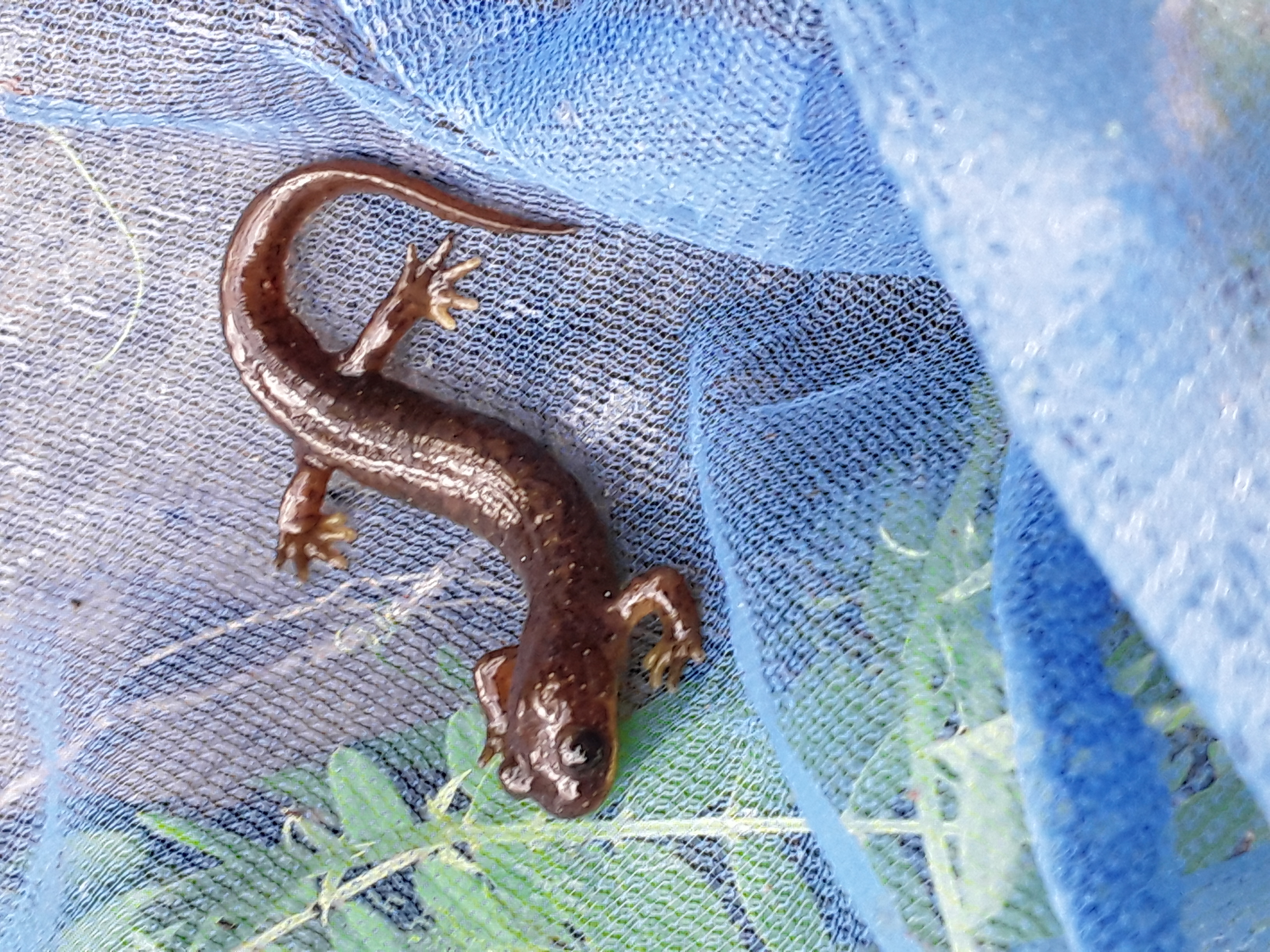
Mercury (Hg) is a toxic contaminant that has been mobilized and distributed worldwide and is a threat to many wildlife species. Amphibians are facing unprecedented global declines due to many threats including contaminants. While the biphasic life history of many amphibians creates a potential nexus for methylmercury (MeHg) exposure in aquatic habitats and subsequent health effects, the broad-scale distribution of MeHg exposure in amphibians remains unknown. We used nonlethal sampling to assess MeHg bioaccumulation in 3,241 juvenile and adult amphibians during 2017–2021. We sampled 26 populations (14 species) across 11 states in the United States, including several imperiled species that could not have been sampled by traditional lethal methods. We examined whether life history traits of species and whether the concentration of total mercury in sediment or dragonflies could be used as indicators of MeHg bioaccumulation in amphibians. Methylmercury contamination was widespread, with a 33-fold difference in concentrations across sites. Variation among years and clustered subsites was less than variation across sites. Life history characteristics such as size, sex, and whether the amphibian was a frog, toad, newt, or other salamander were the factors most strongly associated with bioaccumulation. Total Hg in dragonflies was a reliable indicator of bioaccumulation of MeHg in amphibians (R2 ? 0.67), whereas total Hg in sediment was not (R2 ? 0.04). Our study, the largest broad-scale assessment of MeHg bioaccumulation in amphibians, highlights methodological advances that allow for nonlethal sampling of rare species and reveals immense variation among species, life histories, and sites. Our findings can help identify sensitive populations and provide environmentally relevant concentrations for future studies to better quantify the potential threats of MeHg to amphibians.
Data Release Cascade torrent salamander (Rhyacotriton cascadae) surveys in Oregon and Washington 2022
Authors: Jennifer C Rowe; Christopher A Pearl; Brome McCreary; Meredith S Diskin; Chelsea Waddell; Michael J Adams
Date: 2023-04-04
We conducted visual surveys for (Rhyacotriton cascadae at 65 sites in Oregon and Washington that were historically occupied by the species to evaluate it's status across it's range and determine whether the species merits listing under the Endangered Species Act. This dataset includes counts of all amphibians observed during each site survey, as well as habitat and water sampling covariates between 4 May and 12 October of 2022.
Data Release Oregon spotted frog (Rana pretiosa) telemetry and habitat use at Crane Prairie Reservoir in Oregon, USA
Authors: Christopher A Pearl; Jennifer C Rowe; Brome McCreary; Michael J Adams
Date: 2022-04-06
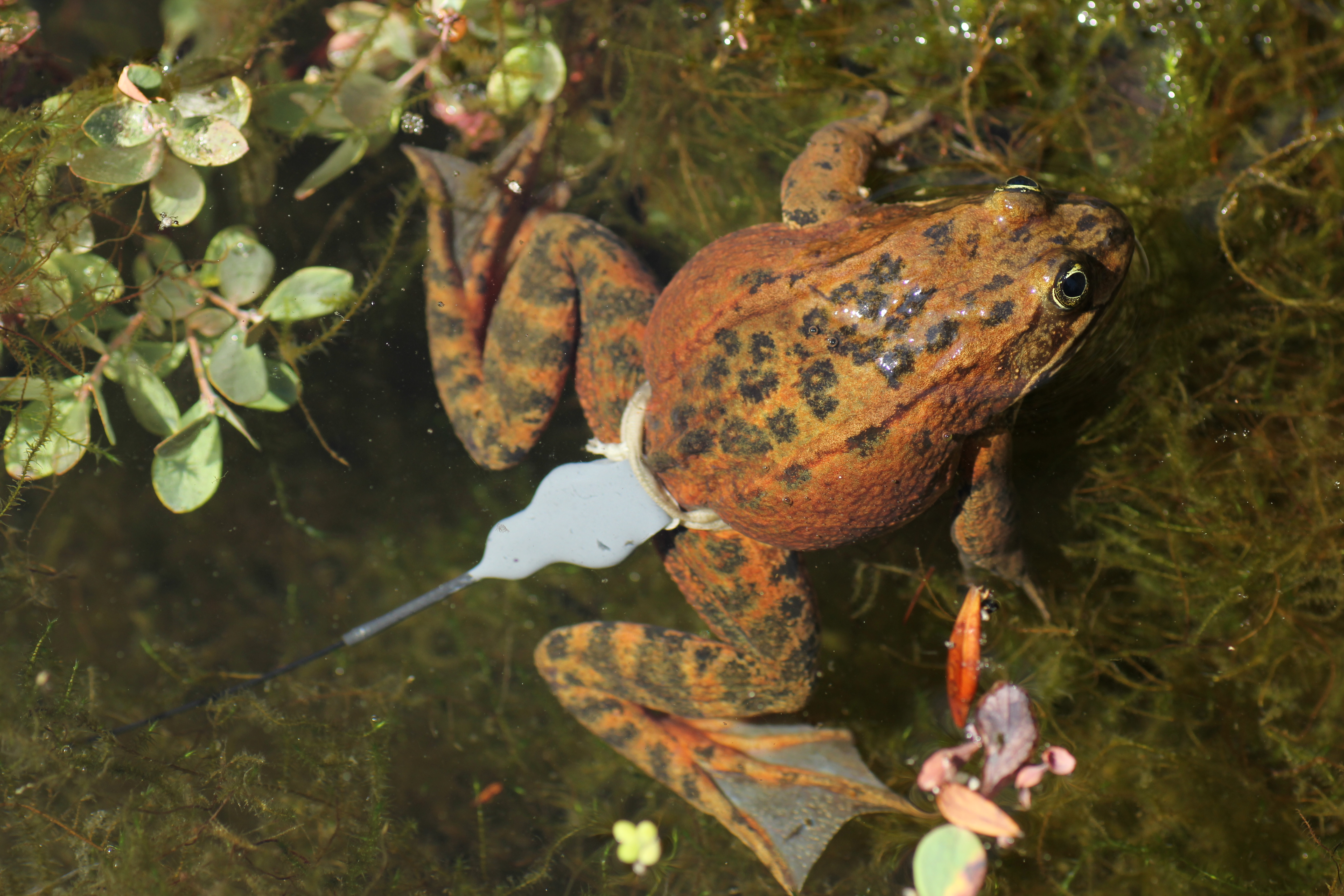
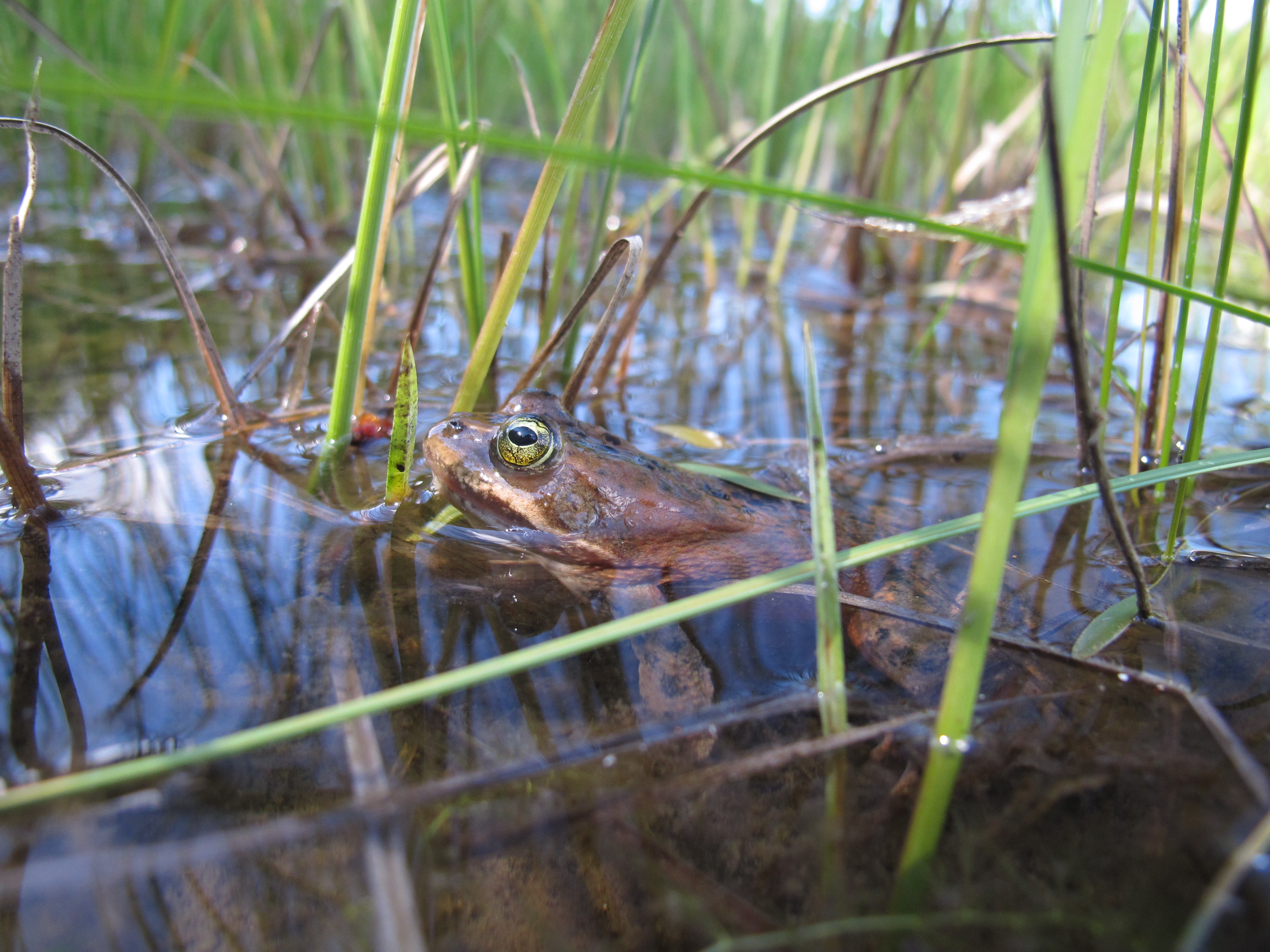
We used radio-telemetry to study late-season movement and habitat use by Oregon spotted frogs (Rana pretiosa) at Crane Prairie Reservoir in Oregon. This dataset includes individual frog location data and habitat use during each tracking event that occurred roughly weekly between September and late November of 2018.
Papers & Reports Looking ahead, guided by the past: The role of U.S. national parks in amphibian research and conservation
Authors: Brian J Halstead; Andrew M Ray; Erin Muths; Evan HC Grant; Rob L Grasso; Michael J Adams; Katy S Delaney; Jane Carlson; Blake R Hossack
Date: 2022-03 | Outlet: Journal of Ecological Indicators 136: 108631
Protected areas like national parks are essential elements of conservation because they limit human influence on the landscape, which protects biodiversity and ecosystem function. The role of national parks in conservation, however, often goes far beyond limiting human influence. The U.S. National Park Service and its system of land units contribute substantively to conservation by providing protected lands where researchers can document trends in species distributions and abundances, examine characteristics important for generating these trends, and identify and implement conservation strategies to preserve biodiversity. We reviewed the contribution of U.S. national parks to amphibian research and conservation and highlight important challenges and findings in several key areas. First, U.S. national parks were instrumental in providing strong support that amphibian declines were real and unlikely to be simply a consequence of habitat loss. Second, research in U.S. national parks provided evidence against certain hypothesized causes of decline, like UV-B radiation, and evidence for others, such as introduced species and disease. However, describing declines and identifying causes contributes to conservation only if it leads to management; importantly, U.S. national parks have implemented many conservation strategies and evaluated their effectiveness in recovering robust amphibian populations. Among these, removal of invasive species, especially fishes; conservation translocations; and habitat creation and enhancement stand out as examples of successful conservation strategies with broad applicability. Successful management for amphibians is additionally complicated by competing mandates and stakeholder interests; for example, past emphasis on increasing visitor enjoyment by introducing fish to formerly fishless lakes had devastating consequences for many amphibians. Other potential conflicts with amphibian conservation include increasing development, increased risk of introductions of disease and exotic species with increased visitation, and road mortality. Decision science and leveraging partnerships have proven to be key components of effective conservation under conflicting mandates in national parks. As resource managers grapple with large-scale drivers that are outside local control, public-private partnerships and adaptive strategies are increasing in importance. U.S. national parks have played an important role in many aspects of identifying and ameliorating the amphibian decline crisis and will continue to be essential for the conservation of amphibians in the future.
Papers & Reports Population Dynamics of the Threatened Oregon Spotted Frog (Rana pretiosa) Before and After Drought Mitigation
Authors: Jennifer C Rowe; Christopher A Pearl; Adam Duarte; Brome McCreary; Michael J Adams
Date: 2023-09-22 | Outlet: The Journal of Wildlife Management
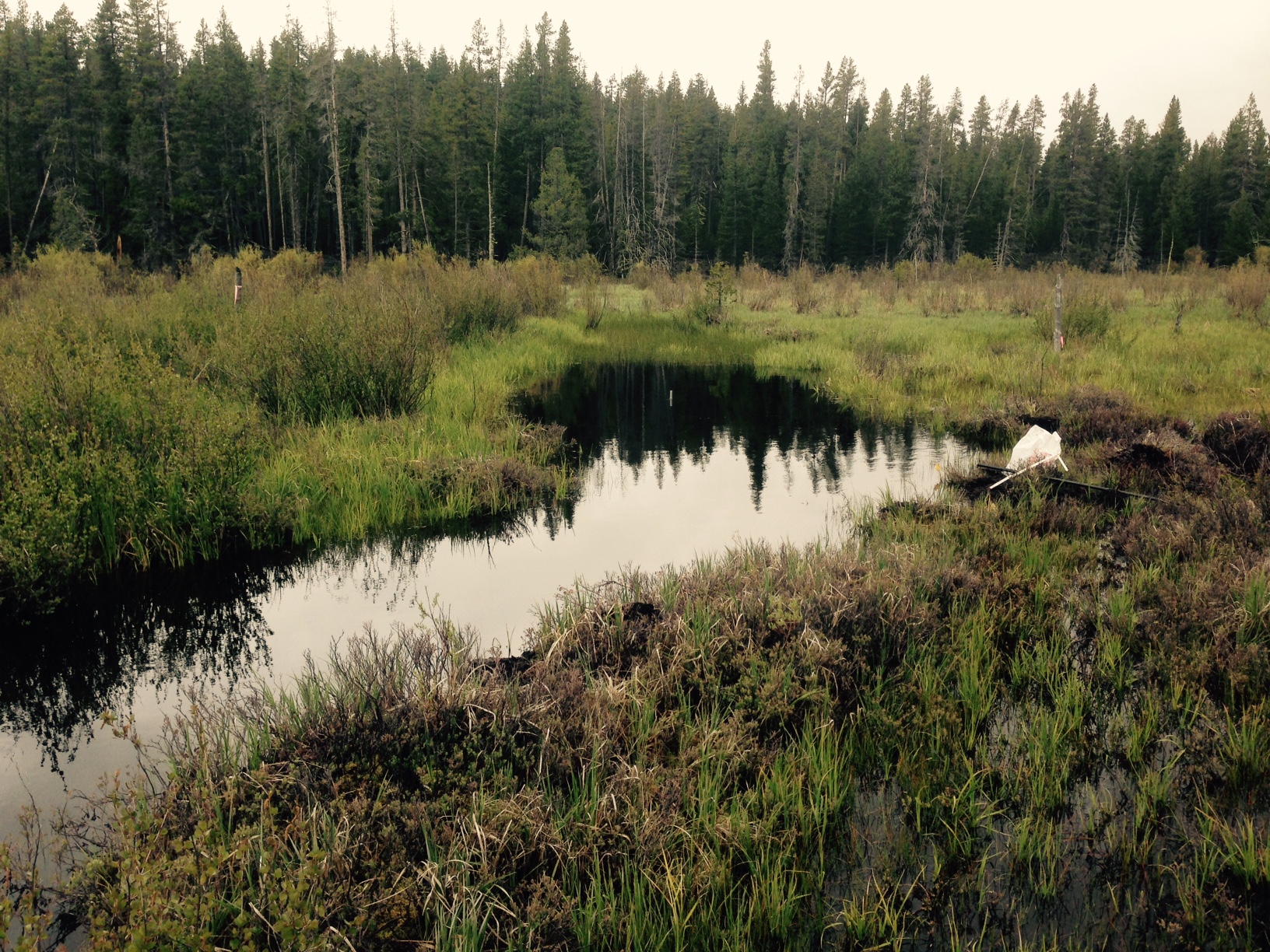
Amphibians are among the most sensitive taxa to climate change, and species inhabiting arid and semiarid landscapes at the extremes of their range are especially vulnerable to drought. The Jack Creek, Oregon, USA, population of Oregon spotted frogs (Rana pretiosa) faces unique challenges because it occupies the highest elevation site in the species' extant range and one that has been transformed by loss of American beavers (Castor canadensis[/]), which historically maintained open water. We evaluated the effects of drought mitigation (addition of excavated ponds) on relationships between local and regional water availability, inactive legacy beaver dams, and Oregon spotted frog population dynamics in the Jack Creek system. We conducted egg mass surveys and capture-mark-recapture sampling at a treatment reach with excavated ponds and 3 reference reaches over 13 years; surveys spanned a period before and after pond excavation at the treatment and 1 primary comparison reference reach. We analyzed data using a combination of robust design capture-mark-recapture estimators and generalized linear mixed models to characterize population dynamics. Adult Oregon spotted frog survival was approximately 19.5% higher at the treatment reach than the primary reference reach during the study period. Annual survival was most strongly associated with late summer vegetation greenness, a proxy for water availability, and males had higher survival than females. Among the 4 study reaches, the treatment reach consistently had higher late summer vegetation greenness, and the hydrology functioned more independently of regional precipitation patterns relative to the reference reaches; however, these dynamics were not linked to pond excavation. Breeding was concentrated in 2 legacy beaver ponds that were deepened by excavation during the study compared to an unexcavated beaver pond, 2 excavated ponds without legacy beaver dams, and 9 reference ponds. These results point to the benefit of enhancing existing beaver structures and indicate that management actions aimed at maintaining surface water for breeding in spring and saturated soils and ponded water for adults in late summer would benefit this unique population of Oregon spotted frogs in the face of drought.
Papers & Reports ANAXYRUS MONFONTANUS (Hot Creek Toad). REPRODUCTION
Authors: Patrick M Kleeman
Date: 2023-09 | Outlet: Herpetological Review
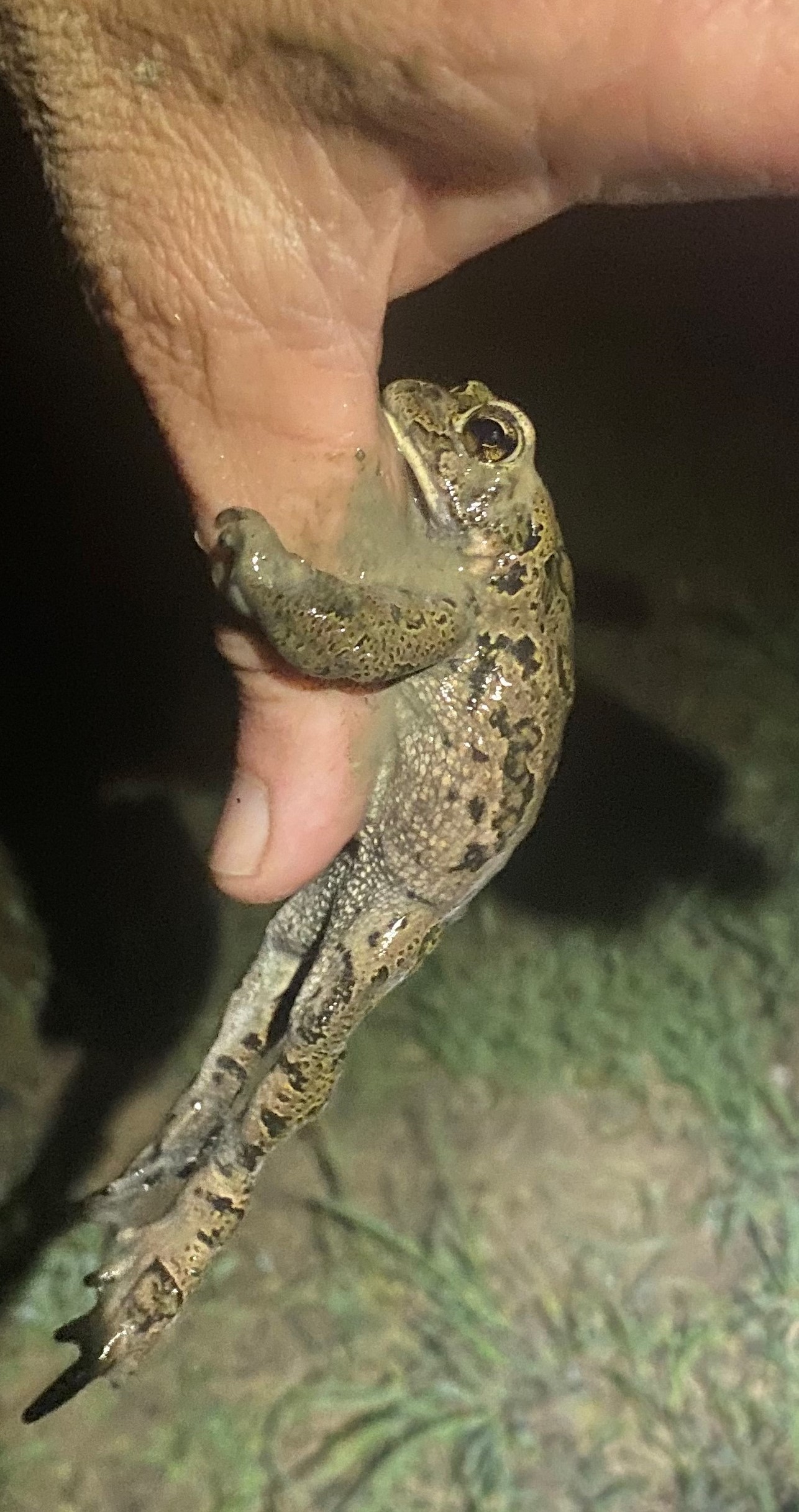
A natural history note describing a late season breeding event by Hot Creek Toads following monsoonal rains.
News & Stories Collaborative Study Measures Effects of Invasive Bullfrogs on Native Amphibians and Pathogens of Conservation Concern
Authors: Blake R Hossack
January 24, 2023

A new collaborative study provided evidence that invasive, non-native American Bullfrogs influence the occurrence of native amphibians and increase occurrence of pathogens, including ranaviruses and amphibian chytrid fungus (Bd). These pathogens can cause lethal diseases of amphibians and have been linked with widespread population declines. ARMI scientists partnered with collaborators from Arizona Game and Fish Department, US Fish and Wildlife Service, Turner Endangered Species Fund, University of Arizona, Washington State University, and National Autonomous University of Mexico (UNAM) to analyze water samples from 233 sites in the southwestern USA and northern Sonora, Mexico, for the presence of environmental DNA (eDNA). Federally threatened Chiricahua Leopard Frogs and Western Tiger Salamanders were 8 times and 2 times, respectively, less likely to occur at sites where bullfrogs occurred. Ranaviruses were 10 times and Bd was 2.5-times more likely to be present at sites with bullfrogs than without bullfrogs. These results provide evidence that bullfrogs reduce occurrence of native amphibians and can increase occurrence of pathogens. This information can clarify risks for native species and aid in the prioritization of conservation actions.

Paper:

Hossack, B. R., E. B. Oja, A. Owens, D. Hall, C. Cobos, C. L. Crawford, C. S. Goldberg, S. Hedwall, P. E. Howell, J. Lemos-Espinal, S. MacVean, M. McCaffery, E. Muths, A. H. McCall, C. Mosley, B. H. Sigafus, M. J. Sredl, and J. C. Rorabaugh. 2023. Empirical evidence for effects of invasive American Bullfrogs on occurrence of native amphibians and emerging pathogens. Ecological Applications e2785. https://doi.org/10.1002/eap.2785

Papers & Reports Research Needs to Inform Amphibian Conservation in the Anthropocene
Authors: Evan HC Grant; Staci M Amburgey; Brian Gratwicke; Victor Acosta Chaves; Anat M Belasen; David Bickford; Carsten Bruhl; Natalie E Calatayud; Nick Clemann; Simon Clulow; Jeff Dawson; David A DeAngelis; Kenneth C Dodd; Annette Evans; Gentile Francesco Ficetola; Mattia Falaschi; Sergio Gonzalez-Mollinedo; D M Green; Roseanna Gamlen-Greene; Richard A Griffiths; Brian J Halstead; Craig Hassapakis; Geoffrey Heard; Catharina Karlsson; Tom Kirschey; Brittany A Kosch; Sophia Kusterko Novaes; Luke Linhoff; John C Maerz; Brittany A Mosher; Katherine M O'Donnell; Leticia M Ochoa-Ochoa; J D Roberts; A Silla; Tariq Stark; Jeanne Tarrant; R Upton; Judit Voros; Erin Muths
Date: 2023 | Outlet: Conservation Science and Practice
The problem of global amphibian declines has prompted extensive research over the last three decades; initially the focus was on identifying and characterizing the extent of the problem, but more recently efforts have shifted to evidence-based research designed to improve conservation outcomes. Using input from participants at the 9th World Congress of Herpetology, a US Geological Survey Powell Center symposium, amphibian listservs, the IUCN Assisted Reproductive Technologies and Gamete Biobanking group, and respondents to a survey, we developed a list of 25 priority research questions for amphibian conservation at this stage of the Anthropocene. These research needs represent critical knowledge gaps for amphibian conservation.
Papers & Reports Sierra Nevada amphibians demonstrate stable occupancy despite precipitation volatility in the early 21st Century
Authors: Brian J Halstead; Patrick M Kleeman; Jonathan P Rose; Gary M Fellers
Date: 2023-02-07 | Outlet: Frontiers in Ecology and Evolution
Climate can have a strong influence on species distributions, and amphibians with different life histories might be affected by annual variability in precipitation in different ways. The Sierra Nevada of California, United States, experienced some of the driest and wettest years on record in the early 21st Century, with variability in annual precipitation predicted to increase with climate change. We  examined the relationship between adult occupancy dynamics of three high elevation anurans and site and annual variation in measures of winter severity, summer wetness, and cumulative drought. We further evaluated how these weather conditions affected the probability that each species would reproduce, conditional on their occurrence at a site. We found that although different aspects of weather affected the occupancy dynamics of each species differently, adult occupancy probabilities were generally stable throughout our 15-year study period. The probability of reproduction, although slightly more variable than adult occupancy, was similarly stable throughout the study. Although occurrence of the three species was resilient to recent extremes in precipitation, more detailed demographic study would inform the extent to which amphibian populations will remain resilient to increasing severity, duration, and frequency of drought and flood cycles.