
Muck, Mystery, and the Comeback of a Tiny Frog
During early spring fieldwork, wetland muck is more than nuisance to scientists – it's also part of the amphibian survival story.
Where Blanchard’s Cricket Frogs Spend the Winter Blanchard’s cricket frogs (Acris blanchardi), among the Midwest’s smallest and least freeze-tolerant amphibians, don’t submerge in ponds like their larger relatives. Instead, they crawl into moisture-rich microhabitats like cracks in slumping stream banks, root tangles, and seepage zones parallel to shallow water. In these muddy shelters, temperatures remain just above freezing. Studies in southwestern Wisconsin found frogs overwintering about 2 inches below the surface in riverbank cracks, but never in large crayfish tunnels or under dense leaf litter.
These mucky substrates aren’t just hiding spots – they also buffer against harsh winter air and maintain stable moisture and temperature conditions essential for survival.
Tracking a Quiet Comeback Once common across the upper Midwest (Minnesota, Wisconsin, Michigan), these frogs declined steeply by the late 1900s. Habitat conversion, climatic shifts, pollutants, and disease were all suspected, but no single cause was clearly responsible.
To understand current distributional patterns, biologists have been leading nighttime call surveys along backroads. Observers park at dusk, drive quietly, and listen to detect the frogs' metallic trills. Automated recorders have now extended monitoring into early spring, capturing those first choruses when the ice begins to thaw.
This concerted effort paid off: in 2024, USGS scientists revisited hundreds of historical sites across Minnesota, Wisconsin, Iowa, and Illinois. These resurveys found more occupied sites than surveys from the mid-2000s and even detected signs of northward expansion along the upper Mississippi River corridor. While not all former strongholds are repopulated, the increase in detections indicates a real, if partial, rebound.
Celebrating Mucky Monitors Maybe you’d like to join the researchers – both professional and community scientists – who wade into this mess, night after murky night, attuned to the calls of frogs and toads celebrating the spring? Check with your local state wildlife agency to see if your state has a community science program to help study breeding-season frogs!
This Mucky Monday, we're celebrating mud’s ecological role! That nutrient-rich, insulating layer beneath our feet is part of the critical infrastructure that shelters tiny frogs through savage winters.
Amphibian Week Activities
Amphibian Week is almost here and if you want to learn more about amphibians in the Midwest, Join us for an Amphibian Walk! There will be a guided walk in La Crosse, Wisconsin, on the evening of May 6, 2026. Click here to view the event calendar. Come to hear and (hopefully) see some local Midwest amphibians.
Be sure to check out Amphibian Week - ARMI, Amphibian Week 2026 | PARC for national and international events (in person and virtual).
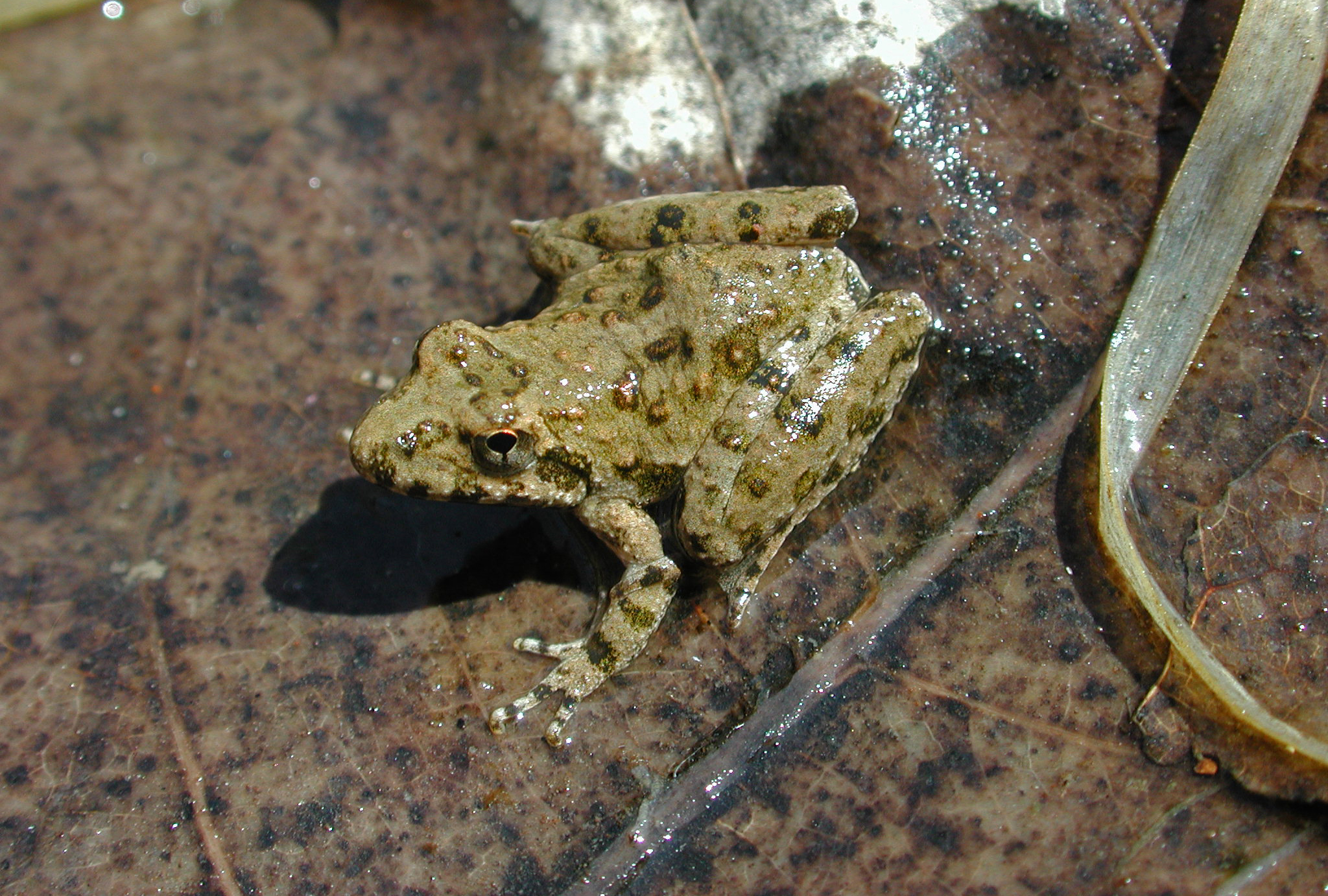
Blanchard’s cricket frog (Acris blanchardi)
Photo by: Mark Roth
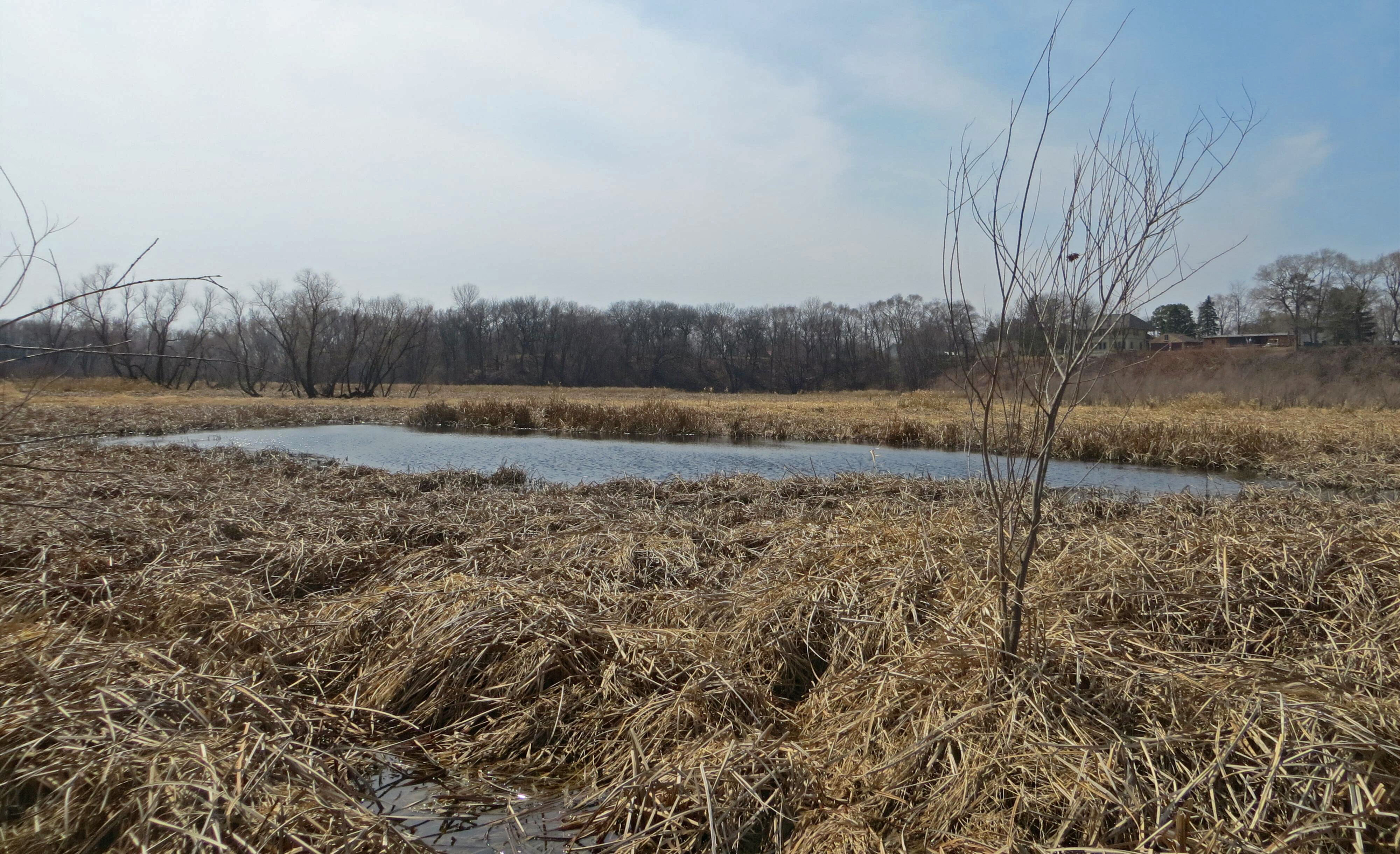
In this site in southwestern Wisconsin, Blanchard cricket frogs are quietly waking up from their winter hibernation along the edges of ponds, where ample underground microhabitats exist for safe overwintering.
Photo by: Mark Roth
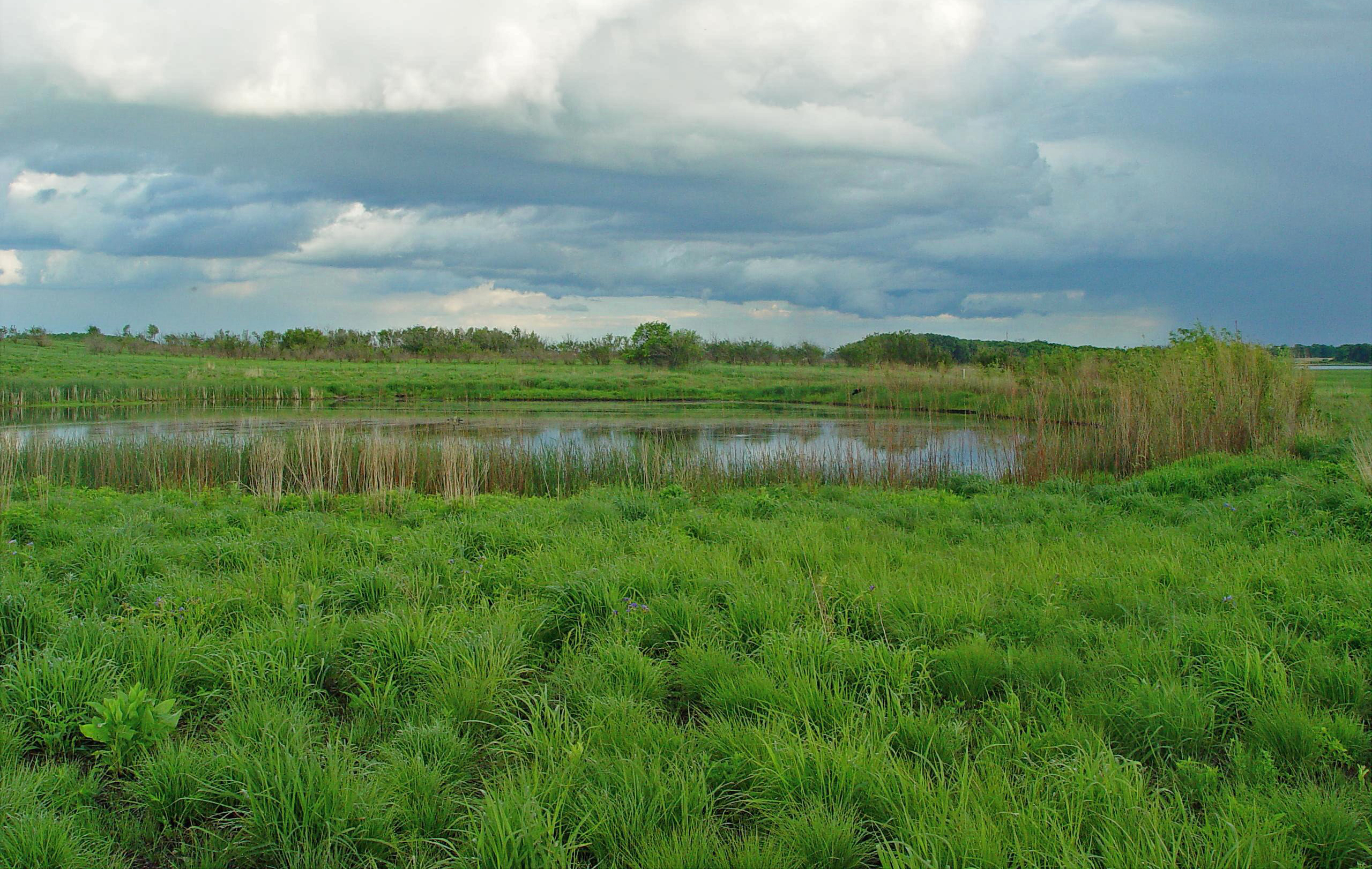
As spring turns to summer the metallic trills of Blanchard cricket frogs only add to the cacophony of chorusing frogs at this pond in Northcentral Iowa.
Photo by: Mark Roth