
Spadefoot Toads: Urban Surprises
Urban environments present unique challenges for wildlife, and spadefoot toads (Scaphiopus holbrookii) are prepared for the challenge. These amphibians, named for the distinctive spade-like projection on their hind feet used for digging, can sometimes surprise us by persisting even in cities and suburbs. Spadefoot toads often rely on temporary pools formed by heavy rain, which can be found in parks, vacant lots, and roadside ditches. Their ability to rapidly breed and develop in these short-lived habitats enables them to persist in developed areas in the right conditions, although threats such as pollution, habitat fragmentation, and vehicle traffic continue to put pressure on their populations.
The life cycle of spadefoot toads is a testament to their adaptability. Breeding occurs explosively after significant rain events, with adults emerging from underground burrows to mate and lay eggs in temporary water bodies. The eggs rapidly hatch into tadpoles, which must metamorphose into terrestrial toadlets before the pools dry up, often within just a few weeks. This accelerated development is critical for survival in unpredictable urban environments. As adults, spadefoot toads spend much of their time burrowed underground, escaping the heat and predators, and only surface when conditions are favorable.
Recognizing the importance of amphibians like spadefoot toads, the National Park Service (NPS) Inventory and Monitoring Program works with the US Geological Survey’s Amphibian Research and Monitoring Initiative to track species like these in parks around the National Capital Region. Since 2005, this partnership has tracked population trends, breeding activity, and habitat quality, providing valuable data to inform conservation strategies and park management. It is the sporadic observations, such as spadefoot toads breeding in multiple Washington, DC parks in 2025, that underscore the importance of consistent, long-term efforts to track wildlife populations. Through regular surveys and collaboration with park managers, NPS and USGS help ensure that spadefoot toads and other amphibians will be enjoyed by future generations despite the challenges presented by urbanization.
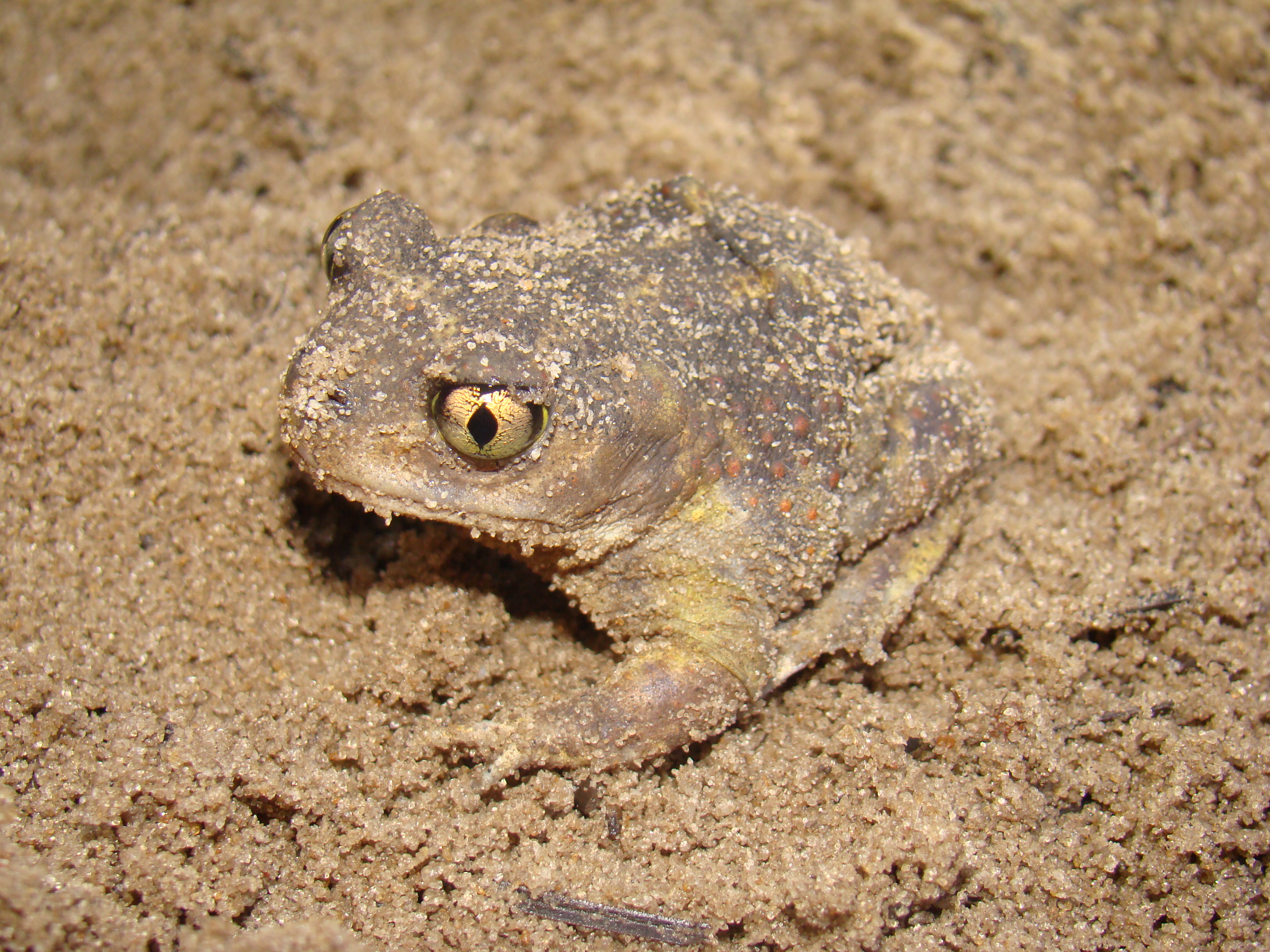
Florida Panhandle
Scaphiopus holbrookii - Eastern Spadefoot
Photo by: Brad M. Glorioso
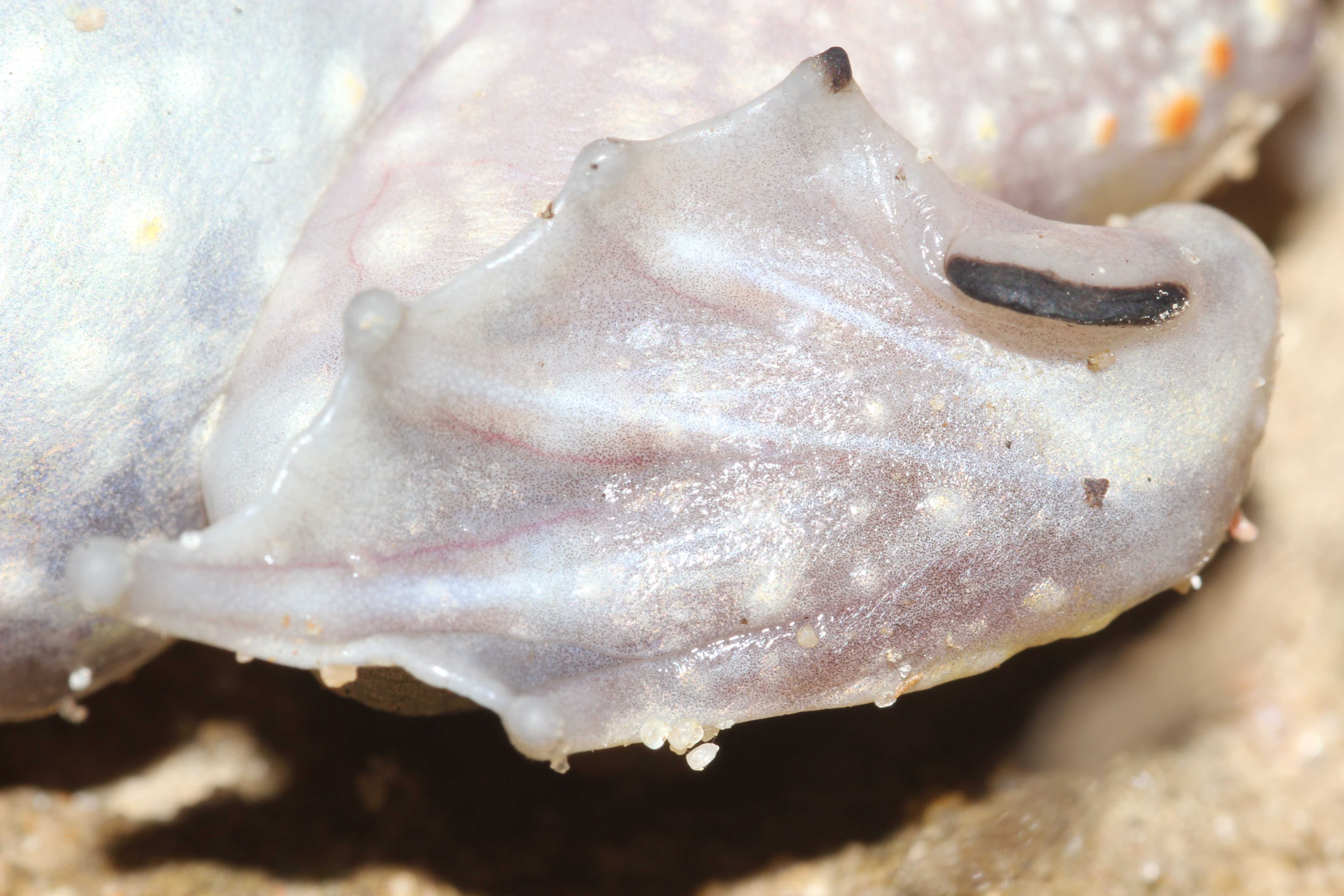
Close Up of Spade; Florida Panhandle.
Scaphiopus holbrookii - Eastern Spadefoot
Photo by: Jeromi Hefner
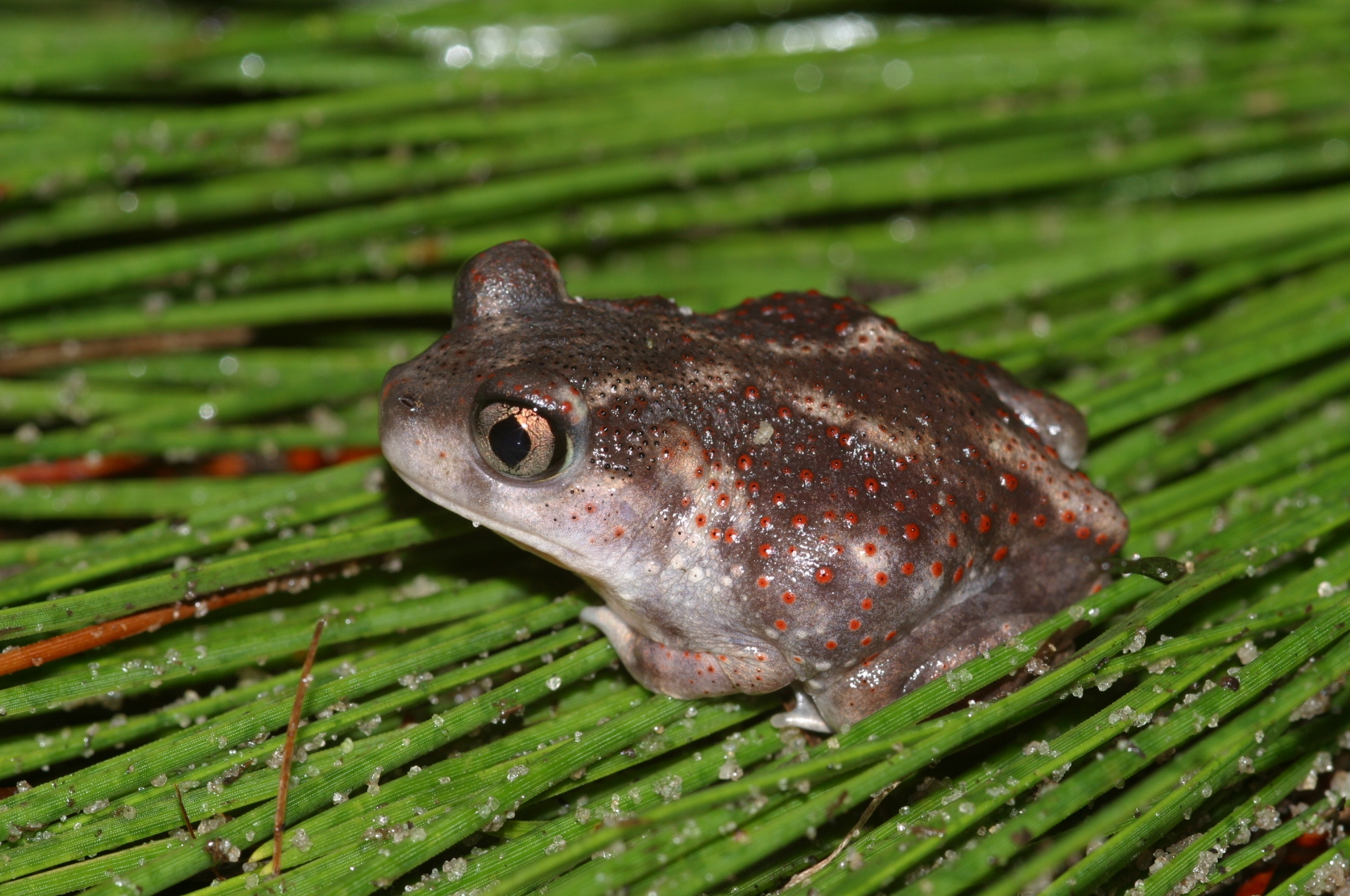
Florida Pandhandle. Scaphiopus holbrookii - Eastern Spadefoot
Photo by: Jeromi Hefner