
Sandy Saturday
Meet the Dusky Gopher Frog – one of the rarest amphibians in North America.
Like other frogs, the Dusky Gopher Frog begins life in the water. The female lays eggs in temporary, open-canopy ponds. Once the tadpoles hatch and metamorphize into adults, the frogs move to the sandy soils of longleaf pine savannas. Here, they spend most of their time in underground burrows made by other animals, such as the Gopher Tortoise.
Historically, the pine savannas and the open-canopy ponds Dusky Gopher Frogs relied upon were maintained by naturally occurring summer fires which would prevent hardwood trees and shrubs from encroaching into the ponds. However, habitat loss and decades of fire suppression have limited quality habitat for the Dusky Gopher Frog. This endangered frog species once occurred from southeast Louisiana to Alabama; by the early 1970s, only one population of about 100 adults was known to exist in DeSoto National Forest in Mississippi.
Through years of painstaking habitat restoration, captive breeding, and translocation work, Dusky Gopher Frogs now exist in more locations in Mississippi. Scientists are now setting their sights on Louisiana, where the species hasn't been seen since 1967.
Habitat restoration began in late 2025 at the Talisheek Pine Wetlands Preserve, just 15 miles from the last known Louisiana sighting of the Dusky Gopher Frog. The USGS, Louisiana Department of Wildlife and Fisheries, USFWS, Audubon Nature Institute, and The Nature Conservancy are working together to monitor the restored sites to ensure they’re suitable for the Dusky Gopher Frog.
Over the next few years, thousands of captive-reared frogs will be released with the goal of establishing a self-sustaining population in Louisiana. Maintaining a viable Dusky Gopher Frog population would be one step closer towards the recovery of the species and could support future considerations for it to be removed from the Endangered Species list.
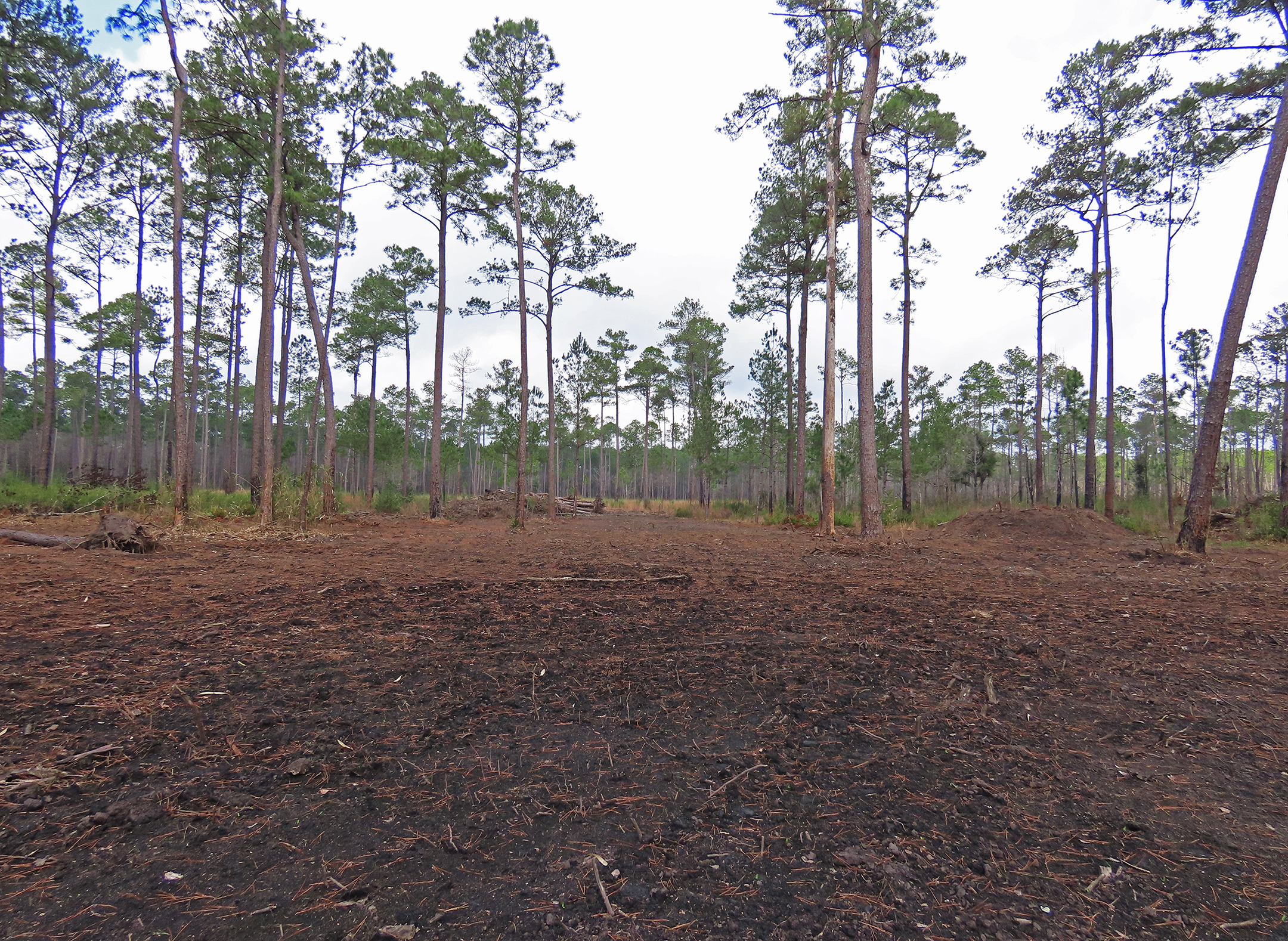
The planned introduction site at the Talisheek Pine Wetlands Preserve after restoration and before filling with water.
Photo by: Brad Glorioso, USGS
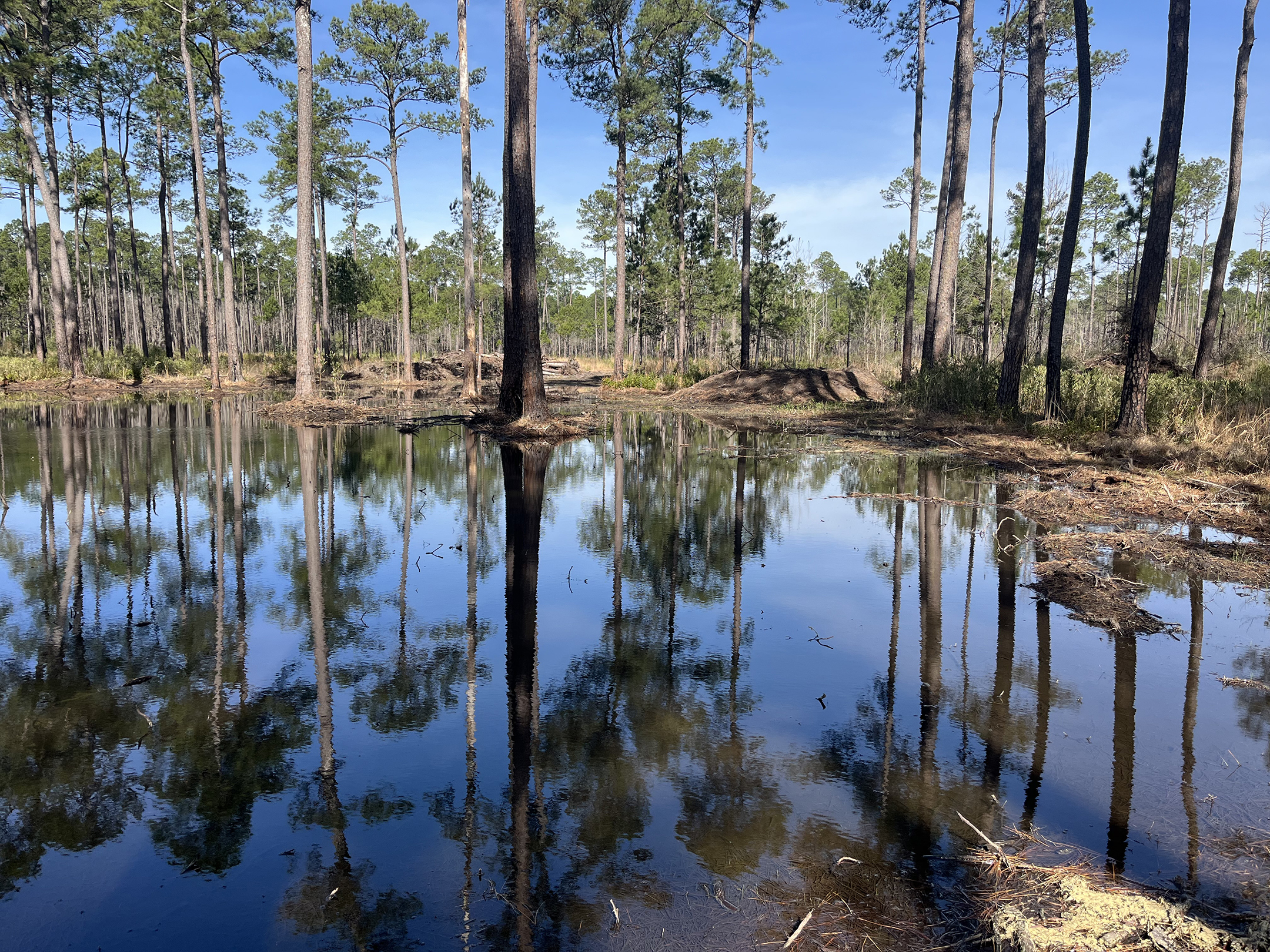
The same pond after filling with water following rain.
Photo by: Brad Glorioso, USGS
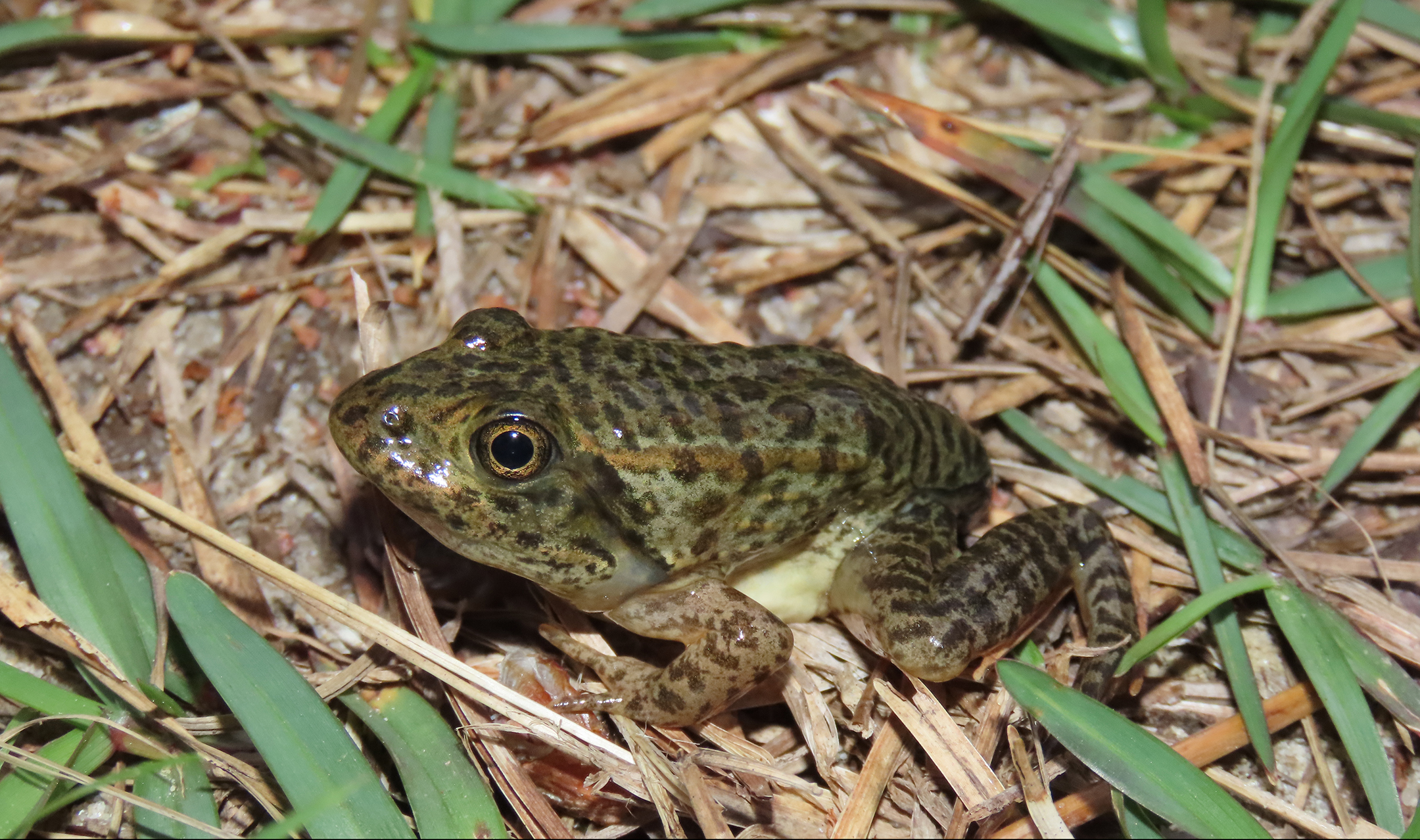
A picture of a young (metamorph) Dusky Gopher Frog released at a site in Mississippi.
Photo by: Brad Glorioso, USGS