
ARMI scientists partner with USGS environmental DNA specialists to investigate aquatic invasive species along the southern border of the US
ARMI scientists jumped on an opportunity last winter to submit a project for funding from USGS, targeted at science supporting Executive Orders and Protecting Our Borders. The proposed projects needed to be specific, streamlined, and meet tight deadlines for implementing fieldwork, analyses, and product delivery. Robert Fisher (WERC), Blake Hossack (NOROCK), Hardin Waddle (WARC) Erin Muths (FORT), and Margaret Hunter (WARC), developed a proposal titled “Assessing the occurrence of invasive species along the southern border of the U.S. through eDNA sampling and conventional surveys: building on a ground-truthed framework for monitoring and moving towards prediction”.
The proposal was successful and was funded in early 2026. Anticipated results include data to: inform the development of occurrence maps for target invasives, assist in efforts to preclude further incursion by invasives, and aid in the development of mitigation targeted at invasion “hotspots”.
The timeline was tight. The ARMI team had to acquire permits and develop a field sampling schedule in less than two months. Scheduling was a challenge because sampling along the US southern border requires close cooperation and permissions from US Border Security and other federal agencies, as well as coordination with federal and state land managers.
Field trips were accomplished in February, March, and April, with surveys of >100 sites from San Diego, California to Corpus Christi, Texas. Surveys included sites from the Rio Grande in Laredo, TX to Tumacacori National Historical Park and the San Rafael Valley in AZ, to locations in the many disjunct tracts of the Santa Ana National Wildlife Refuge in east Texas. Collaborators from the National Park Service contributed samples from the Rio Grande in Big Bend National Park, and Amistad Reservoir, in TX. We had the opportunity to talk about the impact of invasive species and about the importance of amphibians with our National Park Service and Fish and Wildlife Service collaborators, and with Border Patrol Agents as they helped us to navigate the federally controlled landscapes along the southern border. The local connections were critical to the success of this effort and provided useful context on land use and local (observed) animals (e.g., an alligator lives in the Rio Grande at Del Rio, TX).
This effort was designed to trial a rapid response effort using environmental DNA (eDNA) to detect invasive species. Now that samples have been collected (water was filtered at each site), the filters go to the laboratory at WARC where filter extracts are assessed using metabarcoding techniques for the DNA of multiple target species such as zebra mussels and disease-vectoring mosquitoes. Per the required timeline, we expect laboratory results by June and to be drafting a paper in September. The quick implementation of this project illustrates how ARMI is nimble in response to science needs. It also illustrates the quality of ARMI partnerships and the dedication of ARMI scientists in executing science on a constrained timeline.
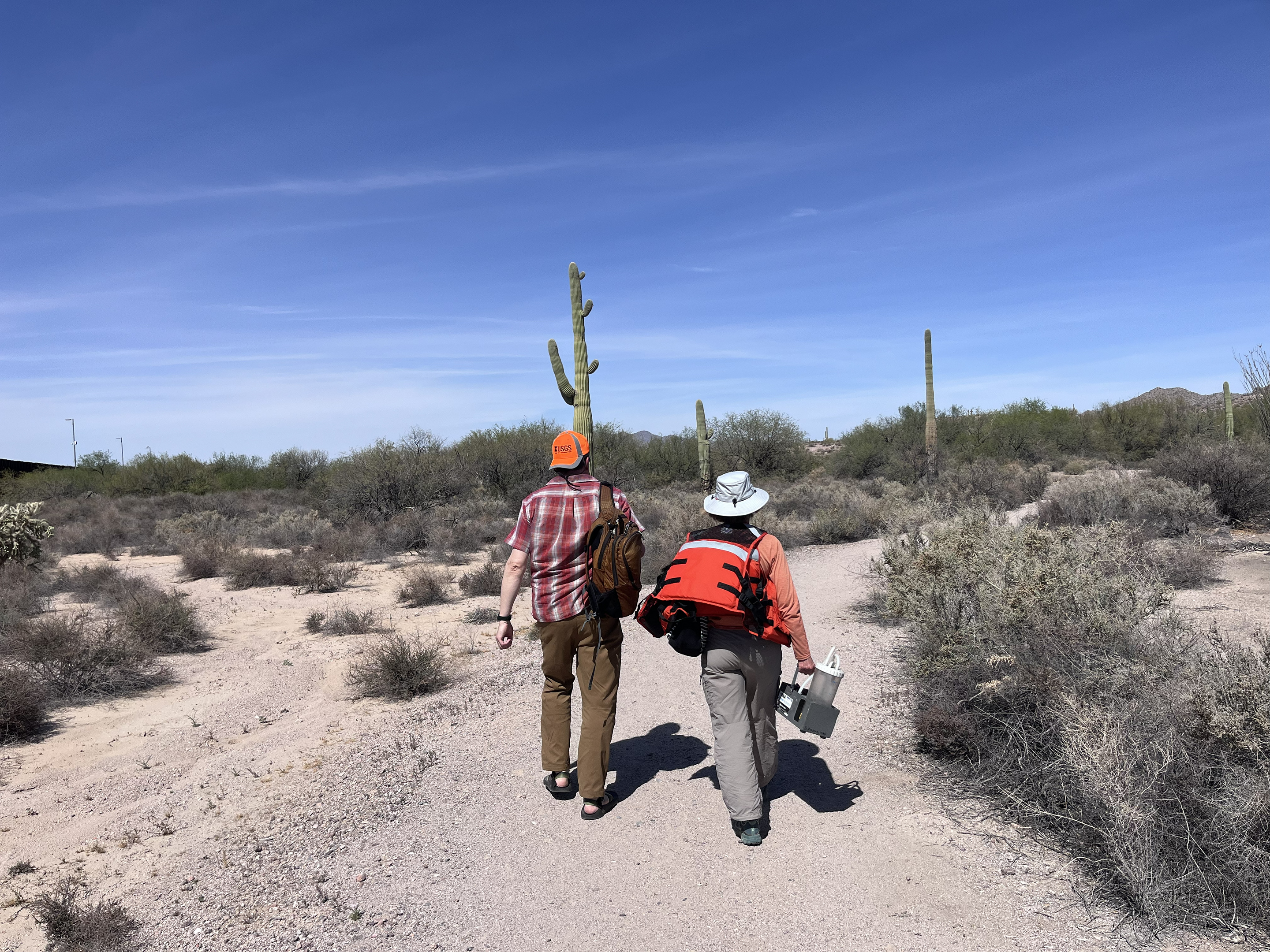
Blake Hossack (USGS) and collaborator head to Quito Baquito Springs in Organ Pipe National Monument, Arizona.
Photo by: ARMI, USGS
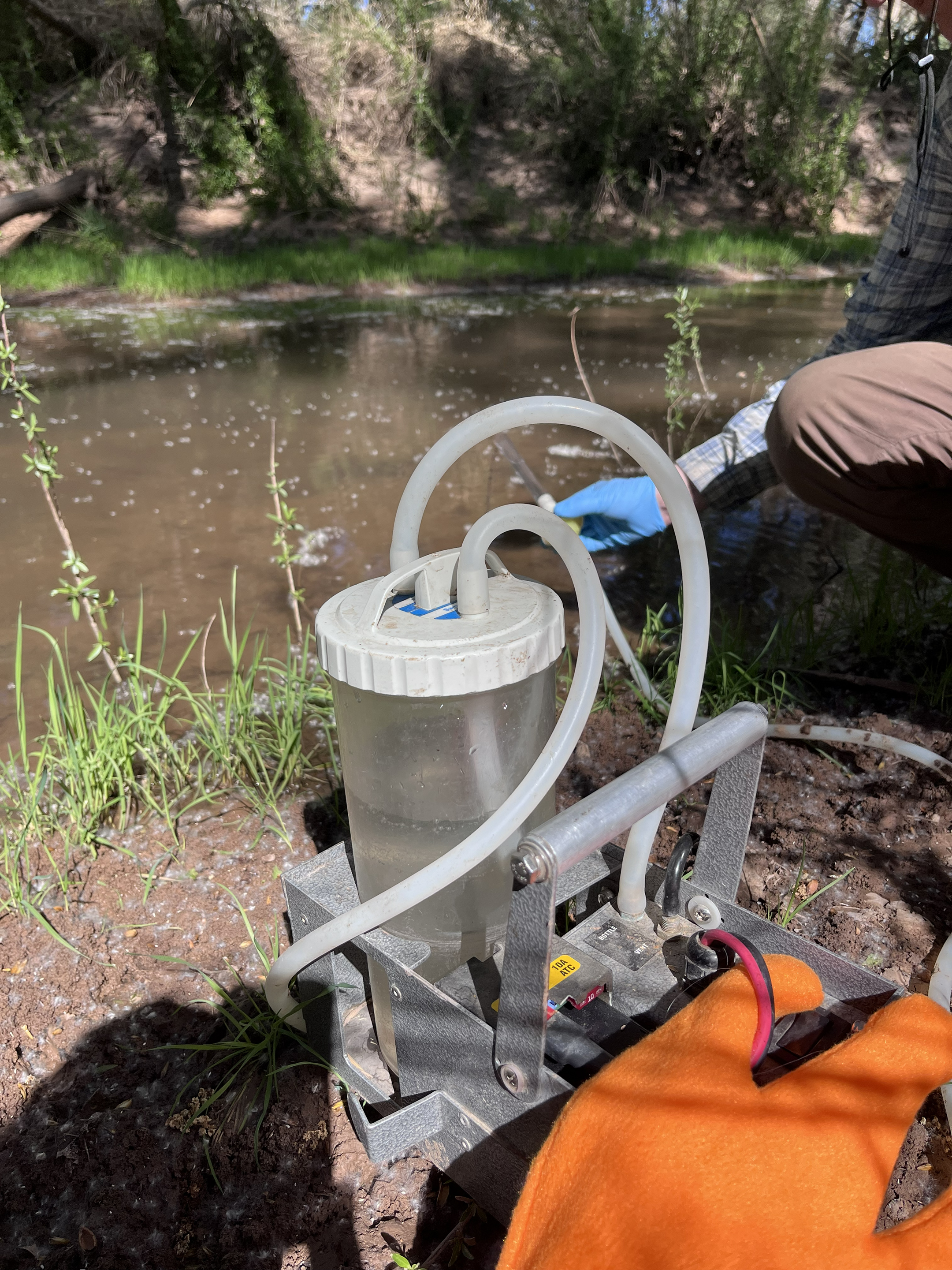
Phil the Frog (Amphibian Week is in less than 2 weeks!) helps to collect eDNA at San Bernardino National Wildlife Refuge, Arizona.
Photo by: ARMI, USGS
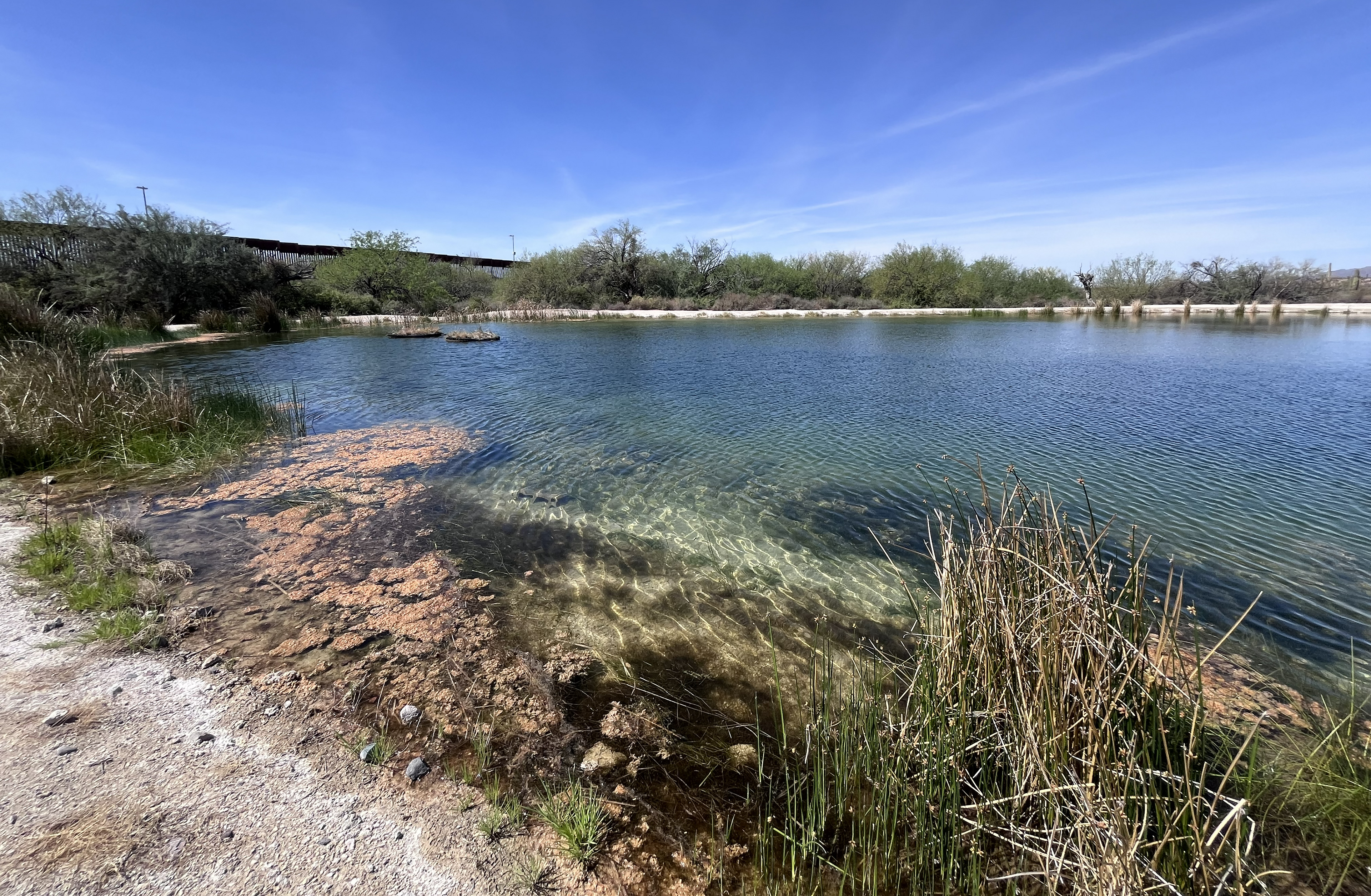
Quito Baquito Spring, Organ Pipe National Monument, AZ (note proximity to border wall).
Photo by: ARMI, USGS
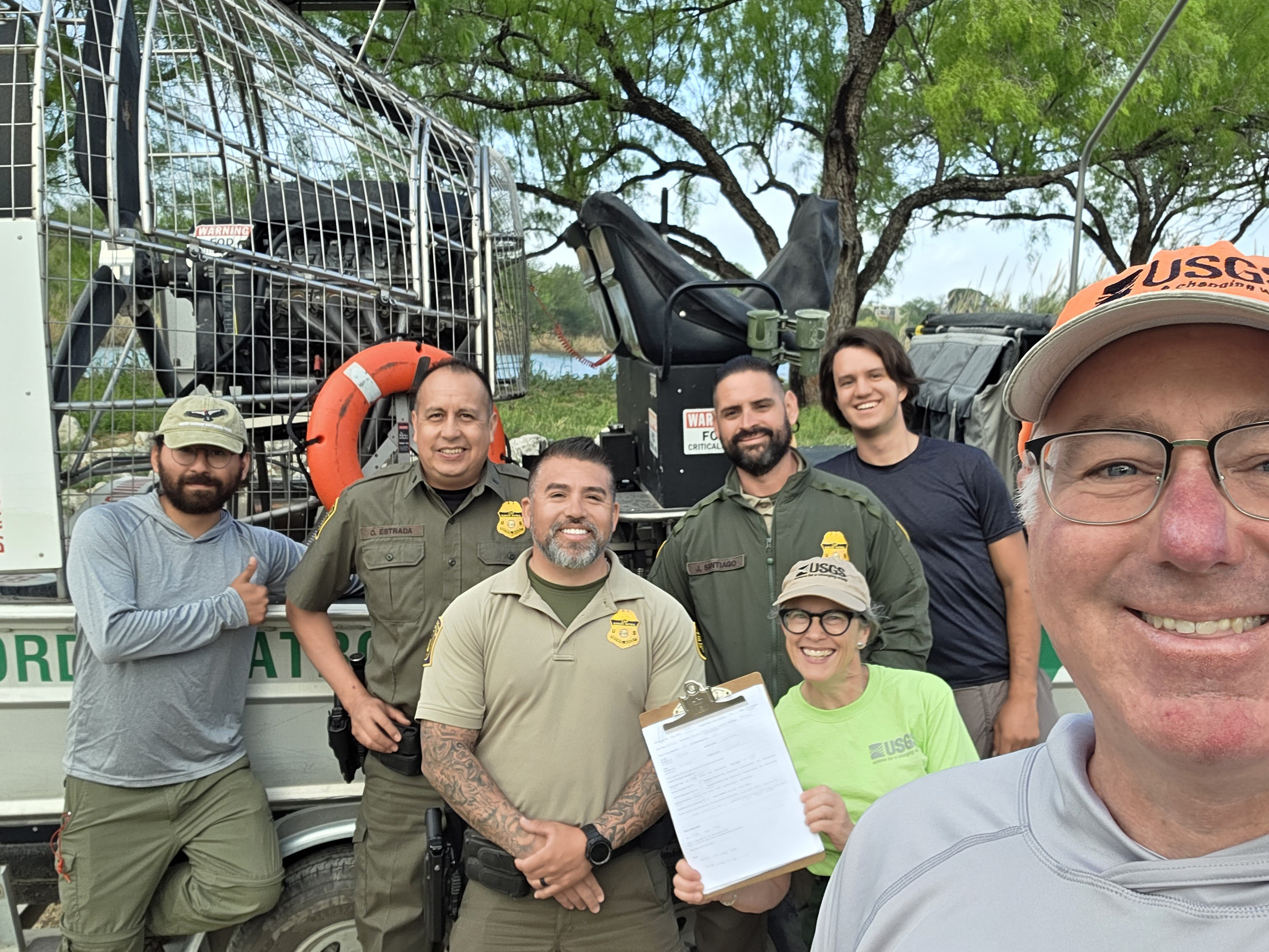
Group photo of sampling team and partners at the Rio Grande in Del Rio, Texas.
Photo by: ARMI, USGS
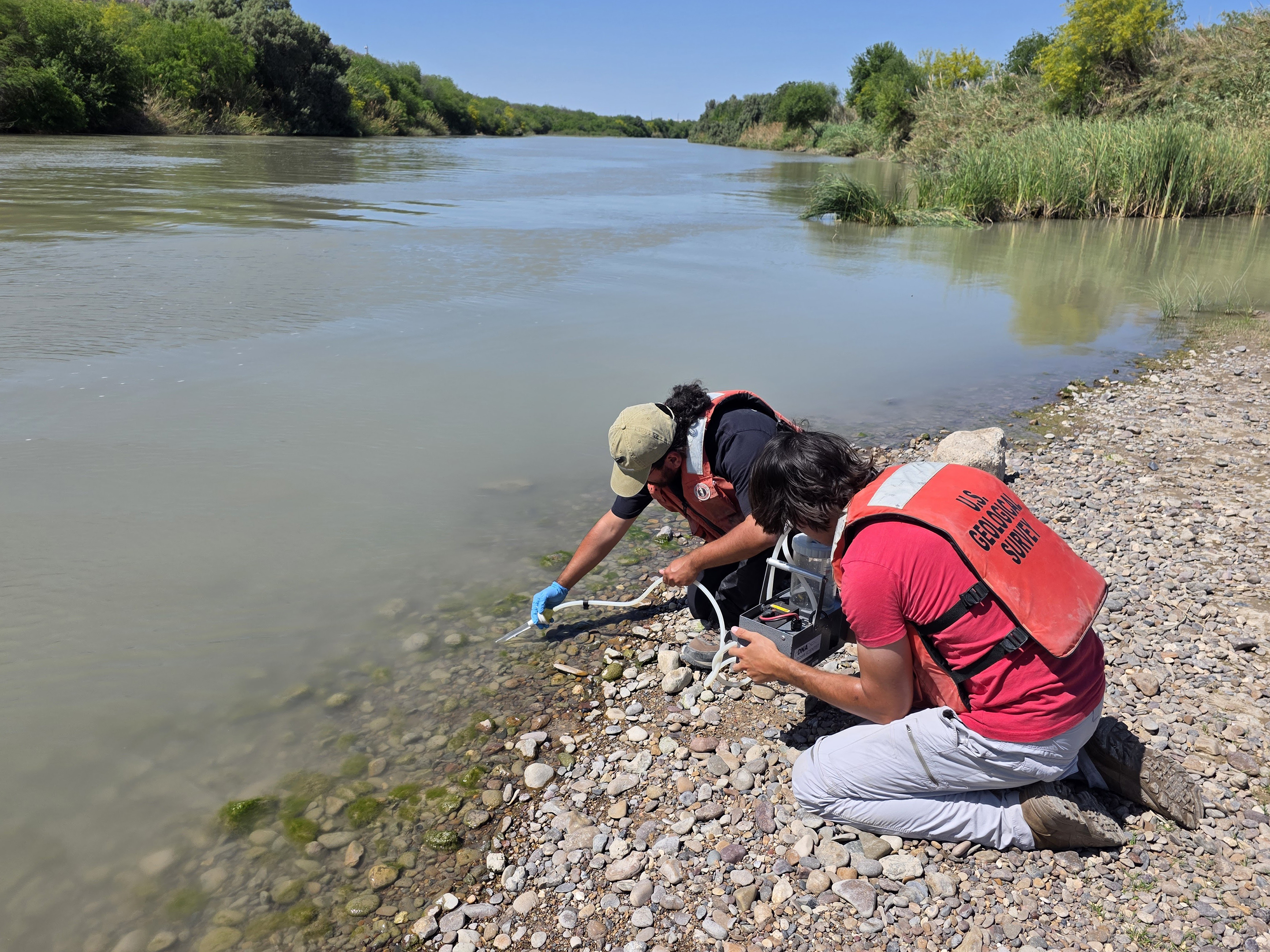
Jack Boyle and Rodrigo Padron (USGS-Cherokee Contractors) sample water from the Rio Grande. Immediately across the water is Mexico.
Photo by: ARMI, USGS
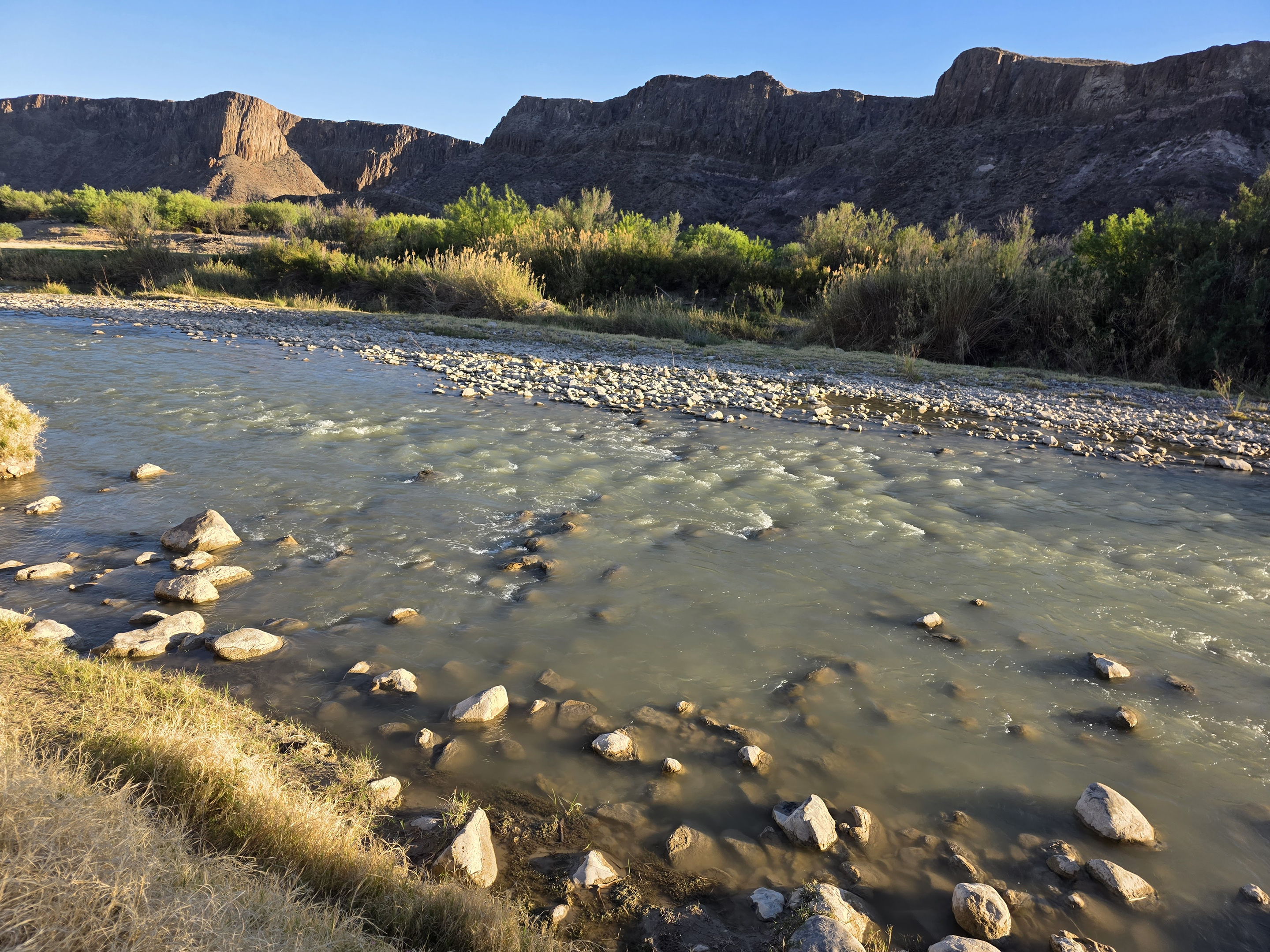
Sampling station along the Rio Grande at Contrabando Creek.
Photo by: ARMI, USGS