
Search ARMI Database
Search term(s)
Contribution Number
Search Results
117 record(s) found.

Data Release Terrestrial salamander captures after the 2003 Clark Fire, Willamette National Forest, OR: U.S. Geological Survey data release
Authors: Nathan D Chelgren; Michael J Adams; Brome McCreary; Christopher A Pearl; Jennifer C Rowe
Date: 2019-05-21 | Outlet: ScienceBase
Data are the result of fixed-area, time-constrained searches for terrestrial salamanders within and nearby a wildfire-affected area of the Willamette National Forest, OR. The spatial extent of the study was within one kilometer of the border of the Clark fire that burned an area of 2,009 ha in 2003. Site surveys occurred during March and April, 2005. An important feature of the data is that 100m2 sub-plots (nested within plots) were repeatedly searched for terrestrial salamanders independently up to nine times so that variation in the probability of capture could be estimated and accounted for concurrent with estimates of occupancy probability.
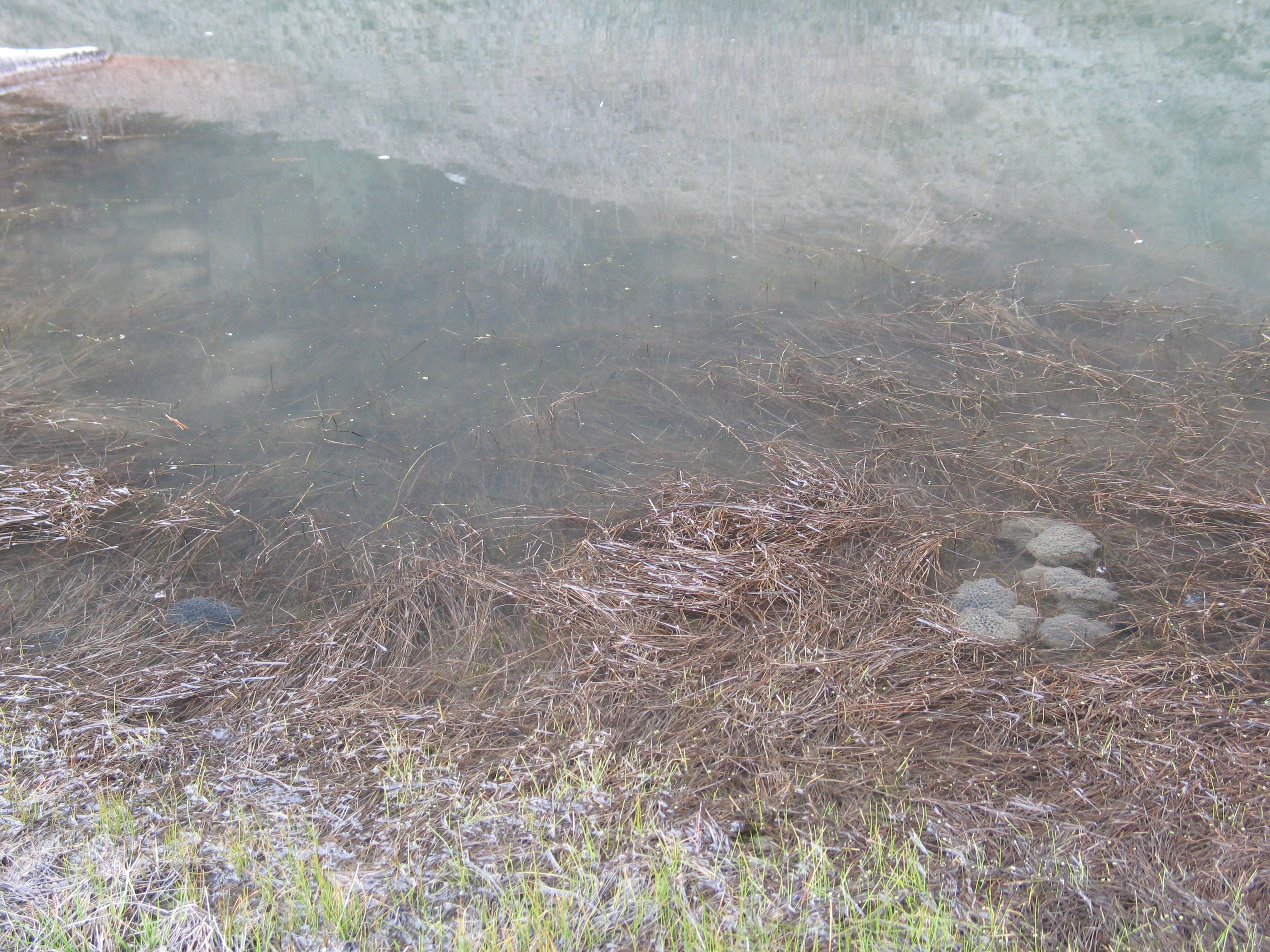
Data Release Columbia Spotted Frog (Rana luteiventris) Breeding at Grazing Exclosures in Eastern Oregon 2002-2010 and 2013: U.S. Geological Survey data release
Authors: Michael J Adams; Christopher A Pearl; Brome McCreary; Stephanie K Galvan; Jennifer C Rowe
Date: 2018-02-01 | Outlet: ScienceBase
We studied the short-term effects of full and partial livestock grazing exclosures on Columbia Spotted Frog (CSF; Rana luteiventris) populations using a controlled manipulative field experiment with pre- and post-treatment data. This dataset includes vegetation data collected 2002-2010 and 2013 at 94 lakes and ponds in and around the Blue Mountains in eastern Oregon. Data collection followed standardized survey protocols and included annual oviposition surveys and vegetation surveys. These data allowed for quantification of CSF breeding as related to vegetation within and outside of grazing exclosures at each site.
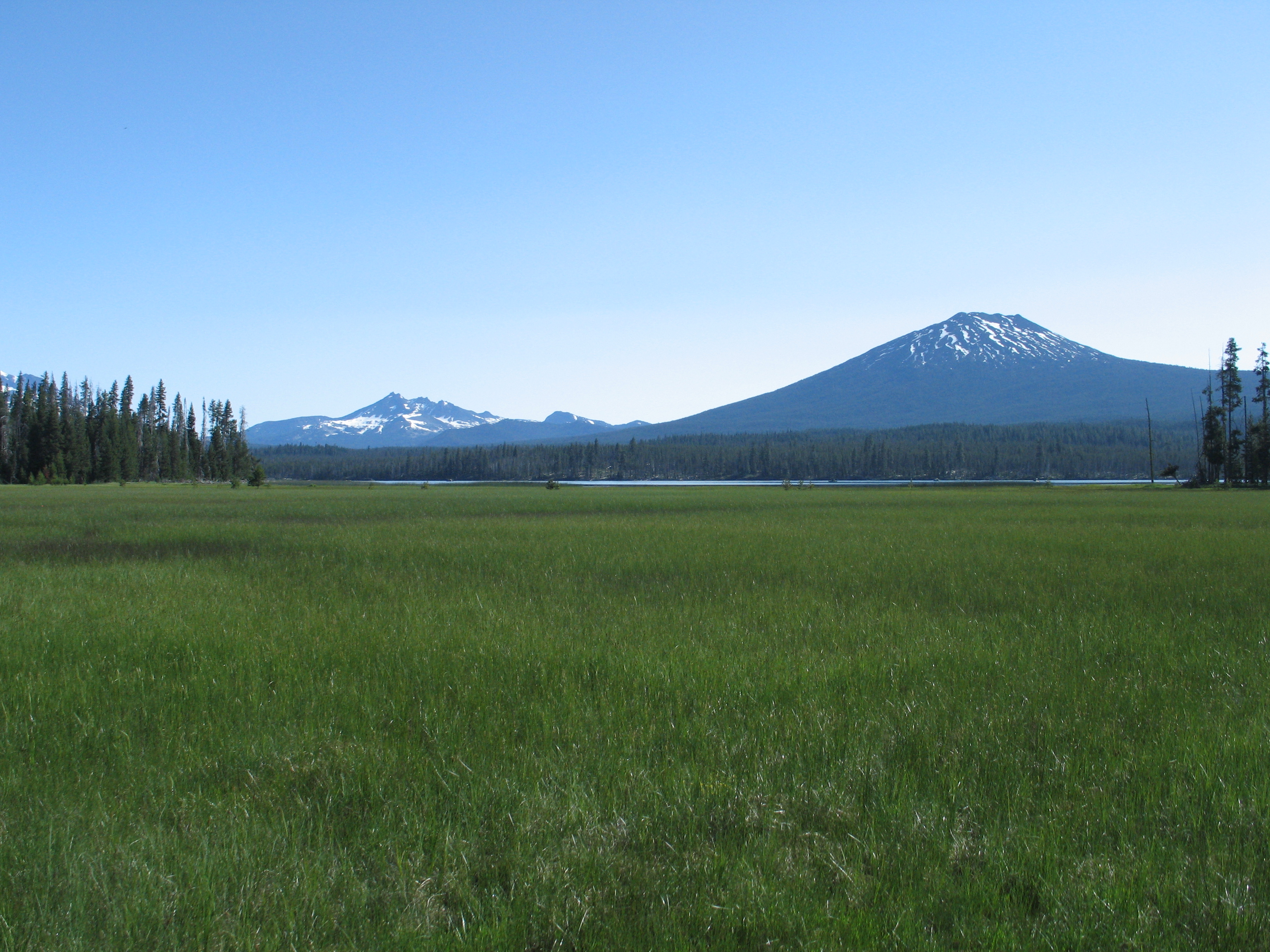
Data Release Oregon Spotted Frog (Rana pretiosa) Monitoring in the Oregon Cascades 2012-2016: U.S. Geological Survey Data Release
Authors: Michael J Adams; Christopher A Pearl; Brome McCreary; Stephanie K Galvan; Jennifer C Rowe
Date: 2017-02-01 | Outlet: ScienceBase
This dataset contains information from visual encounter surveys conducted between 2012 and 2016 by USGS as part of an ongoing Oregon spotted frog (Rana pretiosa) monitoring effort in the Oregon Cascade Mountain Range. We surveyed 91 sites using a rotating frame design in the Klamath and Deschutes Basins, Oregon, which encompass most of the species' core extant range. Data consist of spotted frog counts aggregated by date, location, and life stage, as well as data on environmental conditions at the time of each survey.
Papers & Reports Conservation research across scales in a national program: how to be relevant to local management yet general at the same time
Authors: Michael J Adams; Erin Muths
Date: 2019-08 | Outlet: Biological Conservation 236:100-106
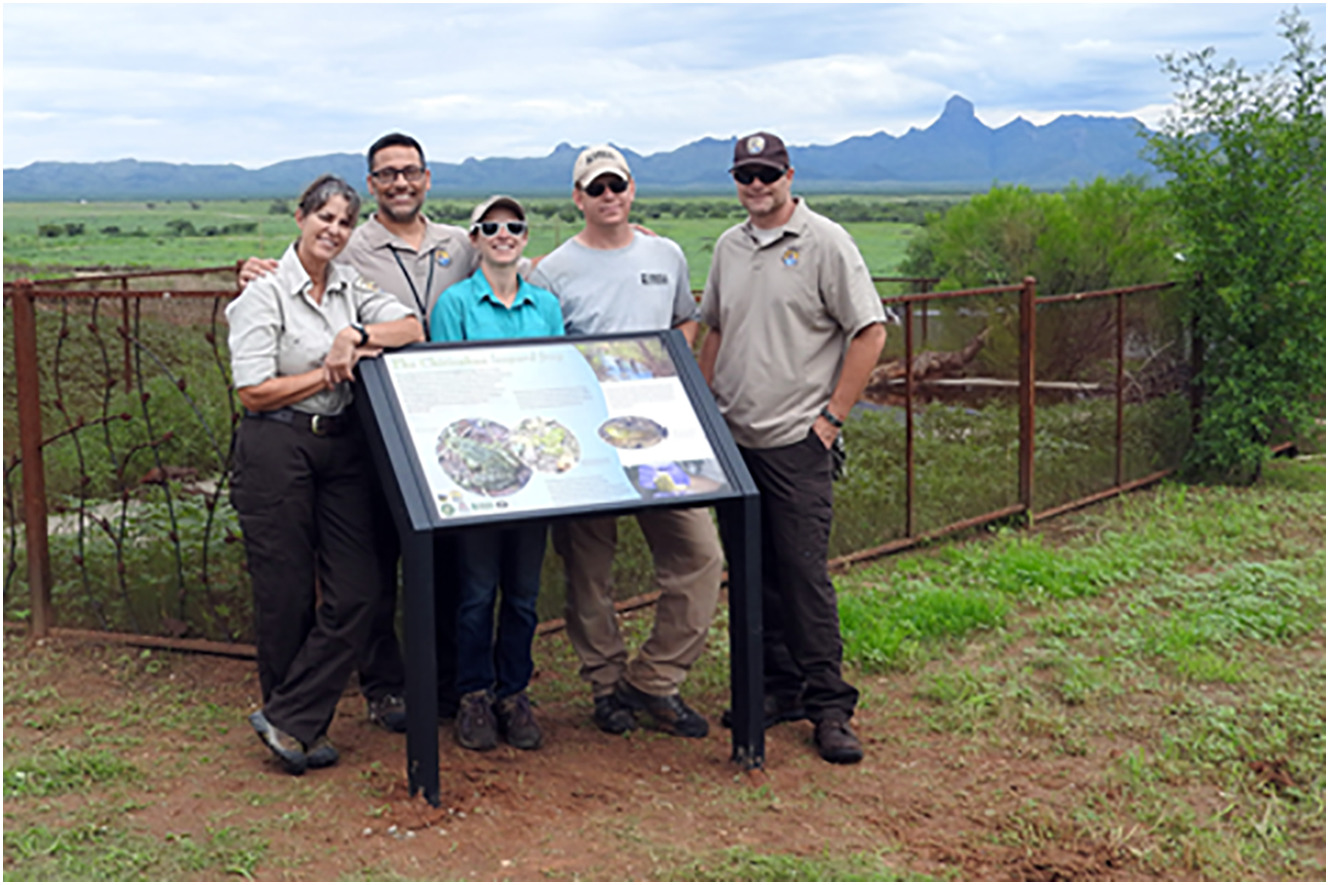
Successfully addressing complex conservation problems requires attention to pattern and process at multiple spatial scales. This is challenging from a logistical and organizational perspective. In response to indications of worldwide declines in amphibian populations, the Amphibian Research and Monitoring Initiative (ARMI) of the U.S. Geological Survey was established in 2000. This national program is unique in its structure, organization, and success in integrating information at multiple scales. ARMI works under the principle that a good study design is tailored to specific questions, but stipulates the use of methods that result in unbiased parameter estimates (e.g., occupancy). This allows studies to be designed to address local questions but also to produce data that can easily be scaled up to accomplish the objectives of a broad-scale monitoring program. Here we describe how the implementation of the Amphibian Research and Monitoring Initiative results in research that is applicable across scales – global, in contributing to the understanding of amphibian decline phenomena; continental, in synthesizing local data to understand large-scale drivers; regional, by characterizing threats and assessing status of species at the range scale; and local, by working with National Park, Wildlife Refuge, and other Federal and State land managers to identify research needs and serve conservation-relevant research results to inform management decisions.
Papers & Reports Effect of amphibian chytrid fungus (Batrachochytrium dendrobatidis) on apparent survival of frogs and toads in the western USA
Authors: Robin E Russell; Brian J Halstead; Brittany A Mosher; Erin Muths; Michael J Adams; Evan HC Grant; Robert N Fisher; Patrick M Kleeman; Adam R Backlin; Christopher A Pearl; R K Honeycutt; Blake R Hossack
Date: 2019-08 | Outlet: Biological Conservation
Despite increasing interest in determining the population-level effects of emerging infectious diseases on wildlife, estimating effects of disease on survival rates remains difficult. Even for a well-studied disease such as amphibian chytridiomycosis (caused by the fungus Batrachochytrium dendrobatidis [Bd]), there are few estimates of how survival of wild hosts is affected. We applied hierarchical models to long-term capture-mark-recapture data (mean = 10.6 yrs, range = 6?15 yrs) from >5500 uniquely-marked individuals to estimate the effect of Bd on apparent survival of four threatened or endangered ranid frog species (Rana draytonii, R. muscosa, R. pretiosa, R. sierrae) at 14 study sites in California and Oregon (USA) and one bufonid toad (Anaxyrus boreas) at two study sites in Wyoming and Montana. Our models indicated that the presence of Bd on an individual reduced apparent survival of ranid frogs by ~6?15% depending on species and sex. The estimated difference between toads with and without Bd was 19% for the Montana population and 55% for the Wyoming population; however, the 95% Credible Interval of these estimates included zero. These results provide evidence for negative effects of Bd on survival in wild populations even in the absence of obvious die-offs. Determining what factors influence the magnitude of the effects of Bd on wildlife populations is an important next step toward identifying management actions. These estimates of Bd effects are important for understanding the extent and severity of disease, whether disease effects have changed over time, and for informing management actions.
Papers & Reports Disentangling effects of invasive species and habitat while accounting for observer error in a long-term amphibian study
Authors: Jennifer C Rowe; Adam Duarte; Christopher A Pearl; Brome McCreary; Stephanie K Galvan; James T Peterson; Michael J Adams
Date: 2019-04-02 | Outlet: Ecosphere
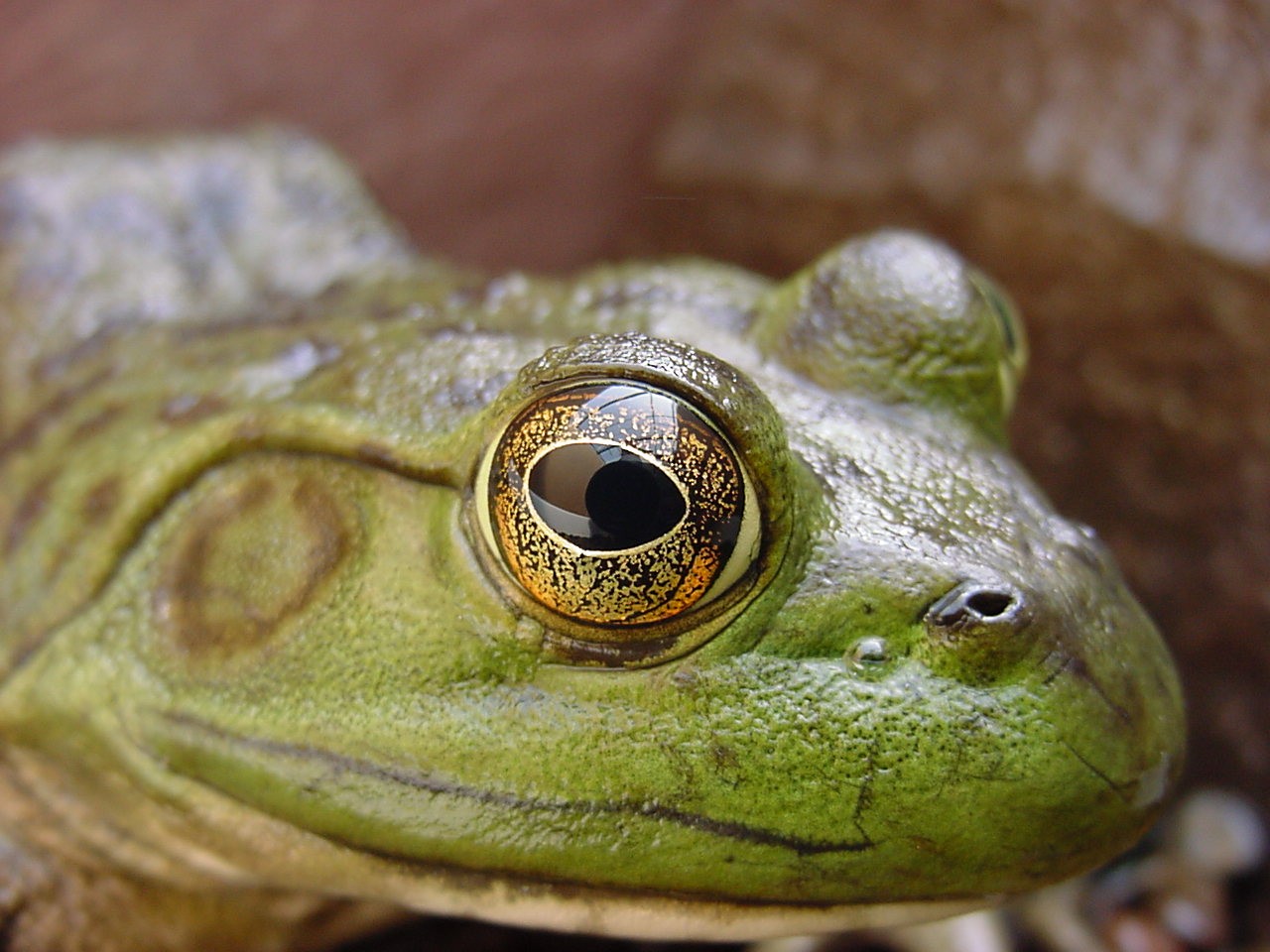
The invasive American bullfrog (Lithobates catesbeianus) and a variety of non-native sport fish commonly co-occur in lowland lentic habitats of the western United States. Both invasive taxa are implicated in declines of native amphibians in this region, but few long-term studies of communities exist. Further, field studies of invasive-native interactions are complicated by confounding habitat modifications and observation errors. We surveyed amphibians and measured habitat characteristics for 12 years across 38 wetland sites within the Willamette Valley, Oregon, USA. We assessed the influence of invasive species, habitat, and their interactions on the distributions of five native amphibian species using a multispecies dynamic occupancy model that accounted for false-negative and false-positive detections. In general, habitat characteristics ? such as within-pond vegetation cover, surrounding forest, and drought severity ? were important for local persistence of native species when bullfrogs co-occurred. We also found evidence of a cumulative negative effect of bullfrogs and non-native fish (families Centrarchidae and Ictaluridae) on northern red-legged frog (Rana aurora) local persistence that was mediated by the dominance of invasive reed canarygrass (Phalaris arundinacea). Non-native fish and bullfrogs had variable effects on native amphibian species, but neither invasive taxa appears to be causing declines in occupied sites within our study area. Moreover, species relationships with habitat differed when invaders were present, indicating that certain habitats may increase persistence of native amphibians in the invaded landscape.
Papers & Reports Batrachochytrium slamandrivorans (Bsal) in Appalachia: using scenario building to proactively prepare for a wildlife disease outbreak caused by an invasive amphibian chytrid fungus
Authors: Maria-Richetta C Hopkins; Michael J Adams; P E Super; Deanna H Olson; C R Hickman; P English; L Sprague; I B Maska; A B Pennaz; K A Ludwig
Date: 2018-11-05 | Outlet: U.S. Geological Survey Open-File Report 2018-1150
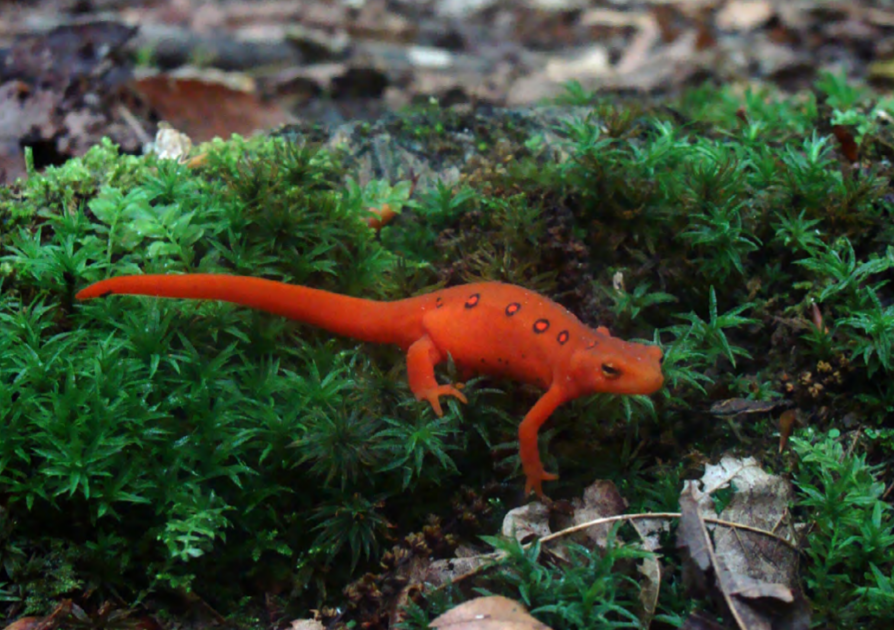
Batrachochytrium salamandrivorans (Bsal), a pathogenic chytrid fungus, is nonnative to the United States and poses a disease threat to vulnerable amphibian hosts. The Bsal fungus may lead to increases in Threatened, Endangered, and Sensitive status listings at local, state, and federal levels, resulting in financial costs associated with implementing the Endangered Species Act . The U.S. is a global biodiversity hotspot for salamanders, an order of amphibians that is particularly vulnerable to developing a disease called chytridiomycosis when exposed to Bsal. Published Bsal risk assessments for North America have suggested that salamanders within the Appalachian region of the U.S. are at a high risk. In May 2017, a workshop was facilitated by the Department of the Interior?s (DOI) Strategic Sciences Group (SSG). A discussion-based incident-response exercise focused on a hypothetical Bsal disease outbreak in Appalachia was led by U.S. Geological Survey (USGS) staff members. Participants included representatives of the Eastern Band of the Cherokee Indians, the U.S. Fish and Wildlife Service (USFWS), National Park Service, Appalachian Landscape Conservation Cooperative, Tennessee Wildlife Resources Agency, and U.S. Department of Agriculture?s U.S. Forest Service. Scenario-building was utilized to brainstorm cascading consequences (social, economic and ecological) of a Bsal disease outbreak in this region of Appalachia. This report highlights the management and science actions that should could be undertaken to ensure an effective, rapid response to a Bsal introduction to the United States.

Papers & Reports Compounding effects of climate change reduce population viability of a montane amphibian
Authors: Amanda M Kissel; Wendy J Palen; Maureen E Ryan; Michael J Adams
Date: 2018-12-27 | Outlet: Ecological Applications
Anthropogenic climate change presents challenges and opportunities to the growth, reproduction, and survival of individuals throughout their life cycles. Demographic compensation among life-history stages has the potential to buffer populations from decline, but alternatively, compounding negative effects can lead to accelerated population decline and extinction. In montane ecosystems of the US Pacific Northwest, increasing temperatures are resulting in a transition from snow-dominated to rain-dominated precipitation events, reducing snowpack. For ectotherms such as amphibians, warmer winters can reduce the frequency of critical minimum temperatures and increase the length of summer growing seasons, benefiting post-metamorphic stages, but may also increase metabolic costs during winter months, which could decrease survival. Lower snowpack levels also result in wetlands that dry sooner or more frequently in the summer, increasing larval desiccation risk. To evaluate how these challenges and opportunities compound within a species? life history, we collected demographic data on Cascades frog (Rana cascadae) in Olympic National Park in Washington state to parameterize stage-based stochastic matrix population models under current and future (A1B, 2040s and 2080s) environmental conditions. We estimated the proportion of reproductive effort lost each year due to drying using watershed-specific hydrologic models, and coupled this with an analysis that relates 15-years of R. cascadae abundance data with a suite of climate variables. We estimated the current population growth (λs) to be https://0.98 (95% CI: 0.97-0.99), but predict that λs will decline under continued climate warming, resulting in a 62% chance of extinction by the 2080s because of compounding negative effects on early and late life history stages. By the 2080s, our models predict that larval mortality will increase by 17% as a result of increased pond drying, and adult survival will decrease by 7% as winter length and summer precipitation continue to decrease. We find that reduced larval survival drives initial declines in the 2040s, but further declines in the 2080s are compounded by decreases in adult survival. Our results demonstrate the need to understand the potential for compounding or compensatory effects within different life history stages to exacerbate or buffer the effects of climate change on population growth rates through time.
Papers & Reports Identifying management-relevant research priorities for responding to disease-associated amphibian declines
Authors: Evan HC Grant; Michael J Adams; Robert N Fisher; Daniel A Grear; Brian J Halstead; Blake R Hossack; Erin Muths; Katherine LD Richgels; Robin E Russell; Kelly L Smalling; Hardin J Waddle; Susan C Walls; C Le White
Date: 2018-10 | Outlet: Global Ecology and Conservation
A research priority can be defined as a knowledge gap that, if resolved, identifies the optimal course of conservation action. We (a group of geographically distributed and multidisciplinary research scientists) used tools from nominal group theory and decision analysis to collaboratively identify and prioritize information needs within the context of disease-associated amphibian decline, in order to develop a strategy that would support US management agency needs. We developed iterated influence diagrams to create and assess a unified research strategy. We illustrated a transparent process for identifying specific knowledge gaps in amphibian disease ecology relevant to environmental management, and then constructed a research plan to address these uncertainties. The resulting priorities include a need to: (1) understand the drivers of the community-disease relationship, (2) determine the mechanisms by which exposure to contaminants influence disease outcomes, (3) identify elements of terrestrial and aquatic habitats that stabilize host-pathogen dynamics, (4) discuss how metapopulations may be managed to reduce the speed and intensity of disease outbreaks, and (5) define the relationship between habitat management and the environmental and host microbiomes. Along with identifying research priorities for disease management, we present the details of the process used to develop a consensus plan for addressing disease-related declines in amphibians on federally managed lands of the United States.
Papers & Reports Late-season movement and habitat use by Oregon Spotted Frog (Rana pretiosa in Oregon, USA
Authors: Christopher A Pearl; Brome McCreary; Jennifer C Rowe; Michael J Adams
Date: 2018-09-27 | Outlet: Copeia
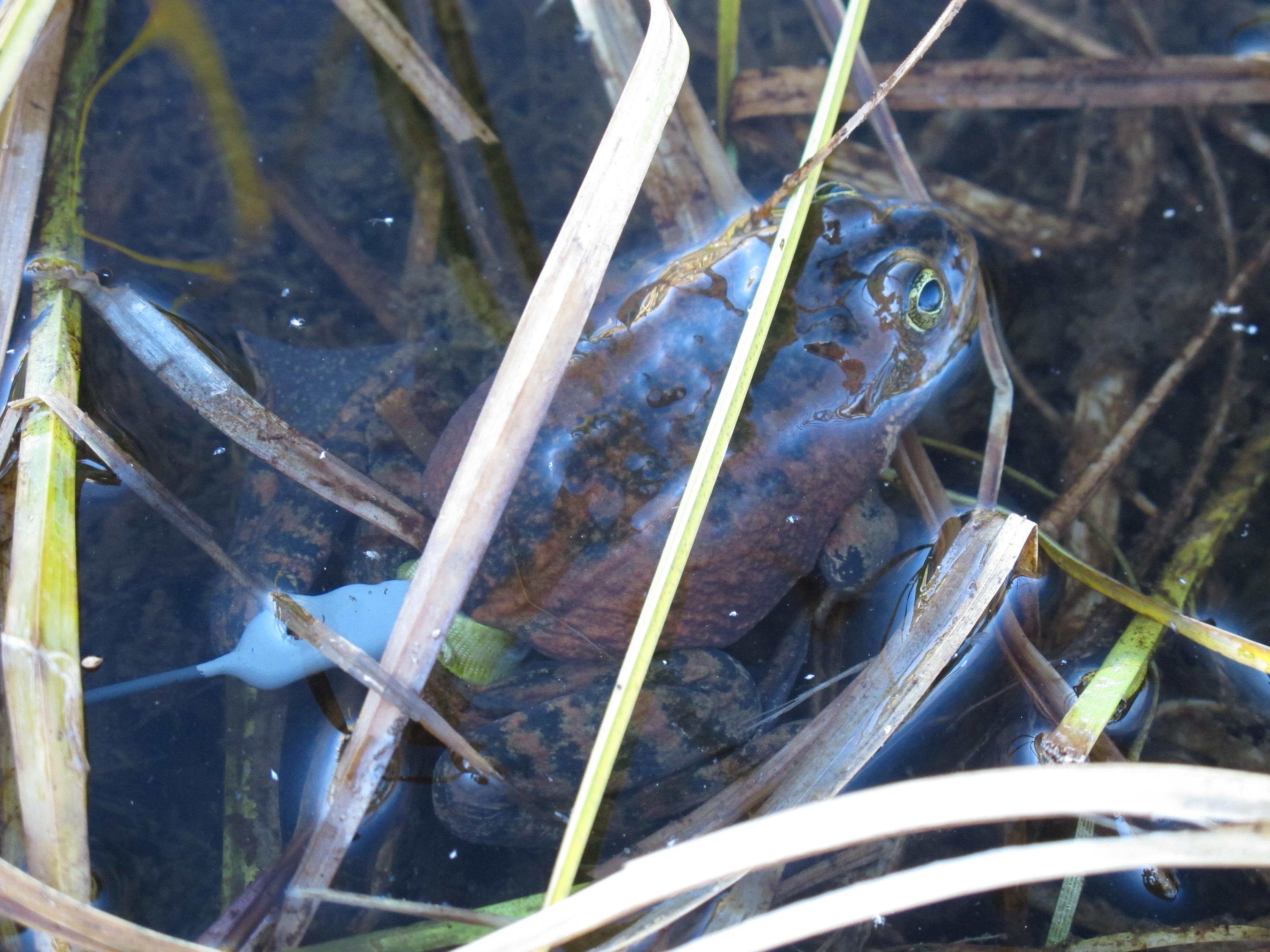
Many amphibians use multiple habitats across seasons. Information on seasonal habitat use, movement between seasonal habitat types, and habitats that may be particularly valuable is important to conservation and management. We used radio-telemetry to study late- season movement and habitat use by Oregon Spotted Frog (Rana pretiosa) at 9 sites from 4 populations along the Cascade Mountains in Oregon. Movement rates declined with date and were the lowest at the end of tracking in December and January. Frogs across our sites used vegetated shallows in late summer and early fall. In fall, frogs used a range of habitat types, and at several sites moved to specialized distinctive habitats such as springs, interstices in lava rock, and semi-terrestrial beaver channels. Distance between first and last tracking location was <250 m for 84.5% (49/58) of frogs, ranged up to 1145 m, and was greater for frogs in ditch habitats than those not in ditches. DistinctiveSpecialized features like springs or semi-terrestrial retreats can host multiple frogs and may represent particularly valuable wintering habitat for R. pretiosa in some sites in their Oregon range.
Papers & Reports Regional variation in drivers of connectivity for two frog species (Rana pretiosa and R. luteiventris) from the U.S. Pacific Northwest
Authors: Jeanne M Robertson; M A Murphy; Christopher A Pearl; Michael J Adams; M I Páez-Vacas; S M Haig; David S Pilliod; A Storfer; W C Funk
Date: 2018-07-16 | Outlet: Molecular Ecology
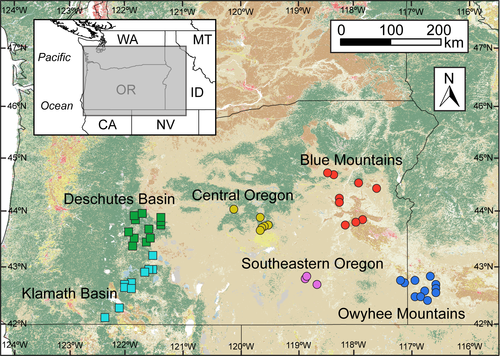
Comparative landscape genetics has uncovered high levels of variability in which landscape factors affect connectivity among species and regions. However, the relative importance of species traits vs. environmental variation for predicting landscape patterns of connectivity is unresolved. We provide a test with a landscape genetics study of two sister taxa of frogs, the Oregon spotted frog (Rana pretiosa) and the Columbia spotted frog (R. luteiventris) in Oregon and Idaho, USA. Rana pretiosa is relatively more dependent on moisture for dispersal than R. luteiventris, so if species traits influence connectivity, we predicted that connectivity among R. pretiosa populations would be more positively associated with moisture than R. luteiventris. However, if environmental differences are important drivers of gene flow, we predicted that connectivity would be more positively related to moisture in arid regions. We tested these predictions using eight microsatellite loci and gravity models in two R. pretiosa regions and four R. luteiventris regions (n = 1,168 frogs). In R. pretiosa, but not R. luteiventris, connectivity was positively related to mean annual precipitation, supporting our first prediction. In contrast, connectivity was not more positively related to moisture in more arid regions. Various temperature metrics were important predictors for both species and in all regions, but the directionality of their effects varied. Therefore, the pattern of variation in drivers of connectivity was consistent with predictions based on species traits rather than on environmental variation.
Papers & Reports Pre-publication communication of research results
Authors: Michael J Adams; Reid N Harris; Evan HC Grant; M J Gray; Maria-Richetta C Hopkins; S A Iverson; R Likens; Mark Mandica; Deanna H Olson; A Shepack; Hardin J Waddle
Date: 2018-08-11 | Outlet: EcoHealth
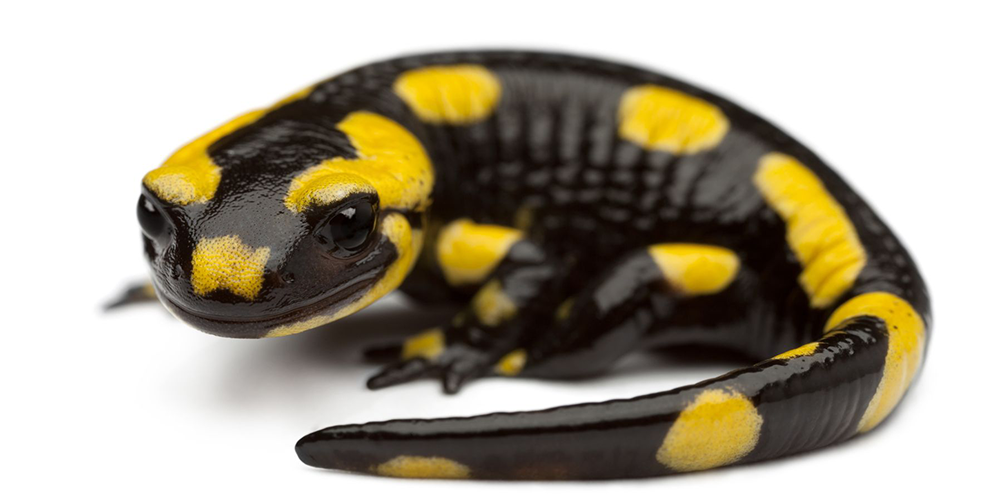
Until publication, communication of provisional scientific findings beyond participants in the study is typically limited. This practice helps assure scientific integrity. However, a dilemma arises when a provisional finding has urgent societal consequences that may be exacerbated by delay. This dilemma may be particularly pronounced when a discovery concerns wildlife health, which could have implications for conservation, public health, or domestic animal health. Eleven researchers suggest that common concerns about directed prepublication communication largely stem from misperceptions and that none should cause a delay in the communication of time-sensitive provisional findings to appropriate authorities. Instead, they suggest that rapid communication of a provisional discovery could be beneficial, such as in the example they use involving the potential discovery of the amphibian fungal pathogen Bsal that is currently causing salamander die-offs in Europe.

Papers & Reports Quantifying climate sensitivity and climate driven change in North American amphibian communities
Authors: David AW Miller; Evan HC Grant; Erin Muths; Staci M Amburgey; Michael J Adams; M B Joseph; Hardin J Waddle; P TJ Johnson; Maureen E Ryan; Benedikt R Schmidt; Daniel L Calhoun; Courtney L Davis; Robert N Fisher; David E Green; Blake R Hossack; Tracy A. Rittenhouse; Susan C Walls; Larissa L Bailey; Sam S Cruickshank; Gary M Fellers; Thomas A Gorman; C A Haas; Ward Hughson; David S Pilliod; S J Price; Andrew M Ray; Walt J Sadinski; D Saenz; William J Barichivich; Adrianne B Brand; Cheryl S Brehme; Rosi G Dagit; Katy S Delaney; Brad M Glorioso; Lee B Kats; Patrick M Kleeman; Christopher A Pearl; Carlton J Rochester; Seth PD Riley; Mark F Roth; Brent H Sigafus
Date: 2018-08 | Outlet: Nature Communications
We quantified the response of amphibian communities to climatic variability across the United States and Canada using more than 500,000 observations for 81 species across 86 study areas. We estimated the relationships between annual variation in climate variables and local colonization and persistence probabilities across more than 5000 surveyed sites. This allowed us to estimate sensitivity to change in five climate variables. Climate sensitivity differs greatly among eco-regions and depends on local climate, species life-history, and phylogeny. Local species richness was especially sensitive to changes in water availability during breeding and changes in winter temperature. These results allowed us to ask whether changing climate explains strong overall rates of decline in species richness observed in our data set. We found that recent change in the climate variables we measured does not explain why North American amphibian richness is rapidly declining, but does explain why some populations decline faster than others. 
Papers & Reports Heterogeneous responses of temperate-zone amphibian populations to climate change complicates conservation planning
Authors: Erin Muths; Thierry C Chambert; Benedikt R Schmidt; David AW Miller; Blake R Hossack; Pierre Joly; O Grolet; David E Green; David S Pilliod; Marc Cheylan; Robert N Fisher; Rebecca M McCaffery; Michael J Adams; Wendy J Palen; Jan W Arntzen; Justin Garwood; Gary M Fellers; Jean-Marc Thirion; Aurélien Besnard; Evan HC Grant
Date: 2017-12 | Outlet: Scientific Reports. DOI:10.1038/s41598-017-17105-7
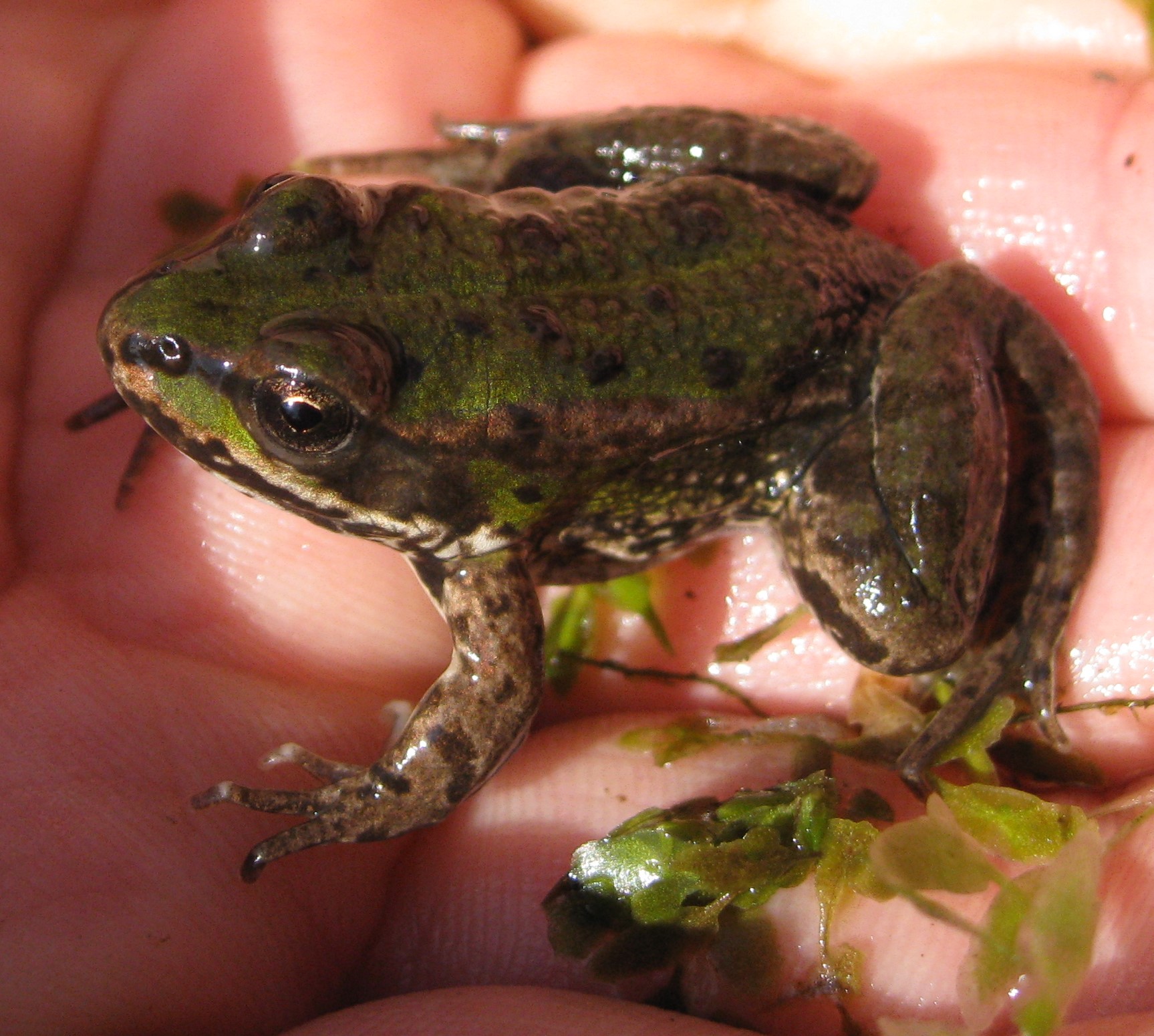
The pervasive and unabated nature of global amphibian declines suggests common demographic responses to a given driver, and quantification of major drivers and responses could inform broad-scale conservation actions. We explored the influence of climate on demographic parameters (i.e., changes in the probabilities of survival and recruitment) using 31 datasets from temperate zone amphibian populations (North America and Europe) with more than a decade of observations each. There was evidence for an influence of climate on population demographic rates, but the direction and magnitude of responses to climate drivers was highly variable among taxa and among populations within taxa. These results reveal that climate drivers interact with variation in life-history traits and population-specific attributes resulting in a diversity of responses. This heterogeneity complicates the identification of conservation ?rules of thumb? for these taxa, and supports the notion of local focus as the most effective approach to overcome global-scale conservation challenges.
Papers & Reports Effect of cattle exclosures on Columbia Spotted Frog abundance
Authors: Michael J Adams; Christopher A Pearl; Thierry C Chambert; Brome McCreary; Stephanie K Galvan; Jennifer C Rowe
Date: 2018-02-26 | Outlet: Wetland Ecology and Management
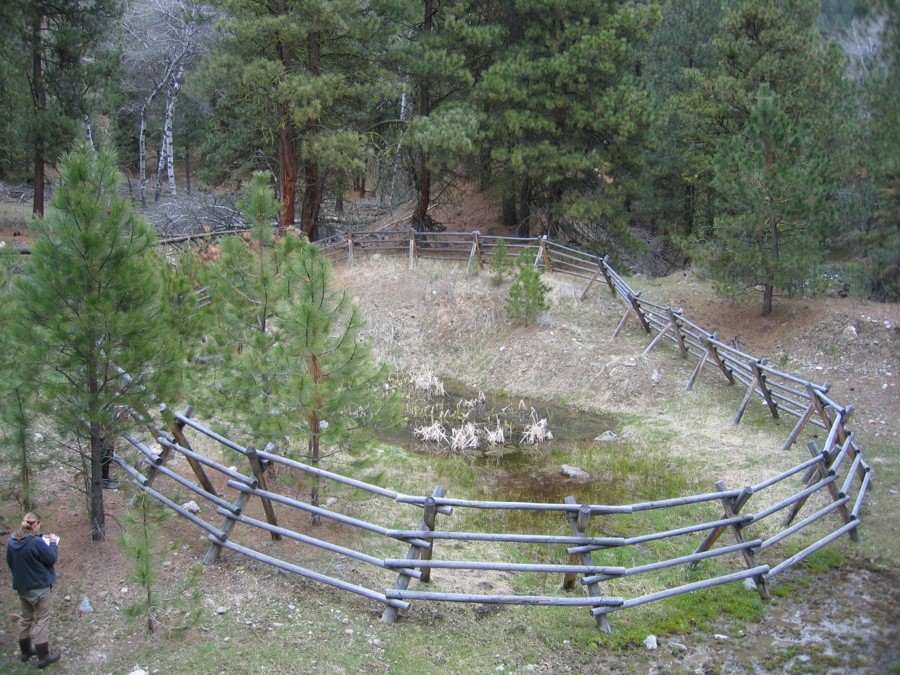
Livestock grazing is an important land use in the western USA and can have positive or negative effects on amphibians. Columbia Spotted Frog (Rana luteiventris) often use ponds that provide water for cattle. We conducted a long-term manipulative study on US Forest Service land in northeastern Oregon to determine the effects of full and partial exclosures that limited cattle access to ponds used by frogs. We found weak evidence of a short-term increase in abundance that did not differ between full and partial exclosures and that diminished with continuing exclusion of cattle. The benefit of exclosures was small relative to the overall decline in breeding numbers that we documented. This suggests that some protection can provide a short-term boost to populations.
Papers & Reports Fitting N-mixture models to count data with unmodeled heterogeneity: bias, diagnostics, and alternative approaches
Authors: Adam Duarte; Michael J Adams; James T Peterson
Date: 2018-02 | Outlet: Ecological Modelling 10.1016/j.ecolmodel.2018.02.007
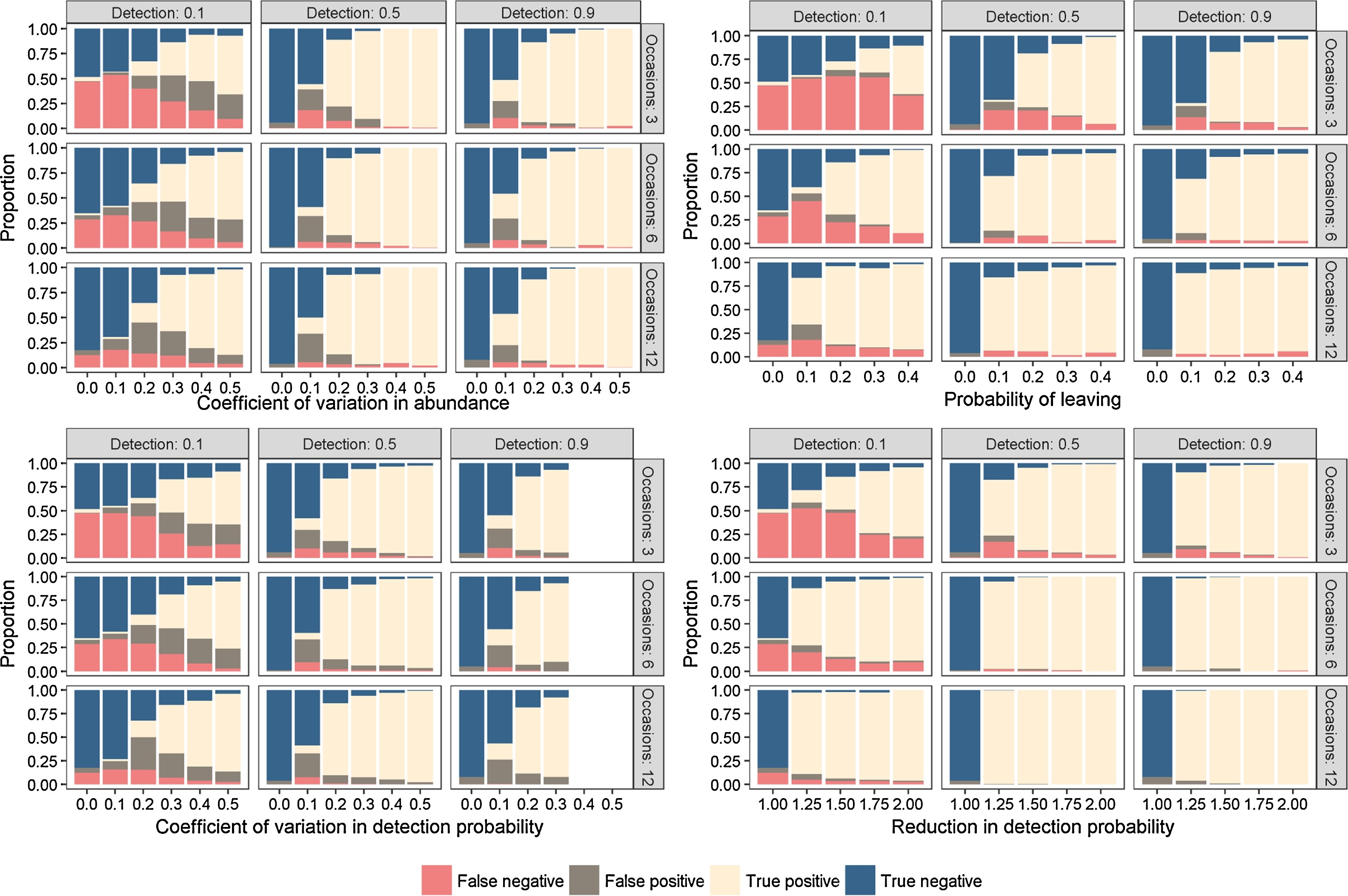
Monitoring animal populations is central to wildlife and fisheries management, and the use of N-mixture models toward these efforts has markedly increased in recent years. Nevertheless, relatively little work has evaluated estimator performance when basic assumptions are violated. Moreover, diagnostics to identify when bias in parameter estimates from N-mixture models is likely is largely unexplored. We simulate count data sets using 837 combinations of detection probability, number of sample units, number of survey occasions, and type and extent of heterogeneity in abundance or detectability. We fit Poisson N-mixture models to these data, quantified the bias associated with each combination, and evaluated if the parametric bootstrap goodness-of-fit (GOF) test can be used to indicate bias in parameter estimates. We also explore if assumption violations can be diagnosed prior to fitting N-mixture models. In doing so, we propose a new model diagnostic, which we term the quasi-coefficient of variation (QCV). N-mixture models perform well when assumptions are met and detection probabilities are moderate (i.e., ≥0.3), and the performance of the estimator improved with increasing survey occasions or sample units. However, the magnitude of bias in estimated mean abundance with even slight amounts of unmodeled heterogeneity was substantial. The parametric bootstrap GOF test did not perform well as a diagnostic for bias in parameter estimates when detectability and sample sizes were low. The results indicate the QCV is useful to diagnose potential bias and that potential bias associated with unidirectional trends in abundance or detectability can be diagnosed using Poisson regression. This study represents the most thorough assessment to date of assumption violations and diagnostics when fitting N-mixture models using the most commonly implemented error distribution. Unbiased estimates of population state variables are needed to properly inform management decision making. Therefore, we also discuss alternative approaches to yield unbiased estimates of population state variables using similar data types, and we stress that there is no substitute for an effective sample design that is grounded upon well-defined management objectives.
Papers & Reports Inference of timber harvest effects on survival of stream amphibians is complicated by movement
Authors: Nathan D Chelgren; Michael J Adams
Date: 2017 | Outlet: Copeia
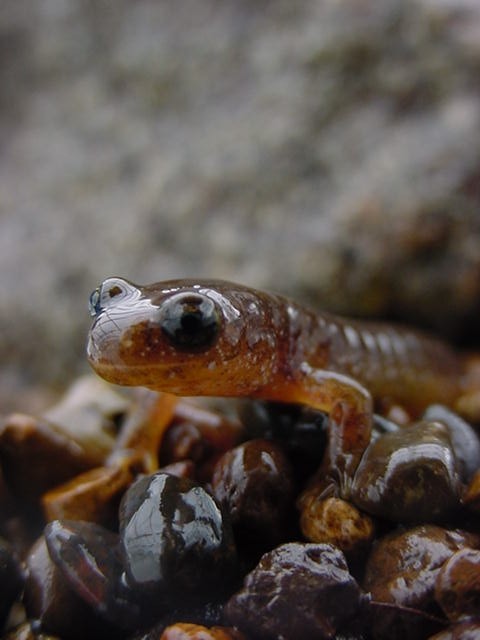
The effects of contemporary logging practices on headwater stream amphibians have received considerable study but with conflicting or ambiguous results. We posit that focusing inference on specific life stages may help refine understanding, as aquatic and terrestrial impacts may differ considerably. Within a before-after timber harvest experiment, we used recaptures of individually-marked amphibians and a joint probability model of survival, movement, and capture probability, to measure relationships with stream reach, stream gradient, pre- and post-harvest periods, and the timber harvest intensity. Downstream biased movement occurred in both species but was greater for Coastal Tailed Frog (Ascaphus truei) larvae than aquatic Coastal Giant Salamanders Dicamptodon tenebrosus.. For D. tenebrosus, downstream biased movement occurred early in life, soon after an individual?s first summer. Increasing timber harvest intensity reduced downstream movement bias and reduced survival D. tenebrosus but neither of these effects were detected for A. truei larvae. The limited distribution of A. truei among study reaches diminished our ability to measure treatment effects compared to D. tenebrosus.
Papers & Reports A new parameterization for integrated population models to document amphibian reintroductions
Authors: Adam Duarte; Christopher A Pearl; Michael J Adams; James T Peterson
Date: 2017-04-28 | Outlet: Ecological Applications
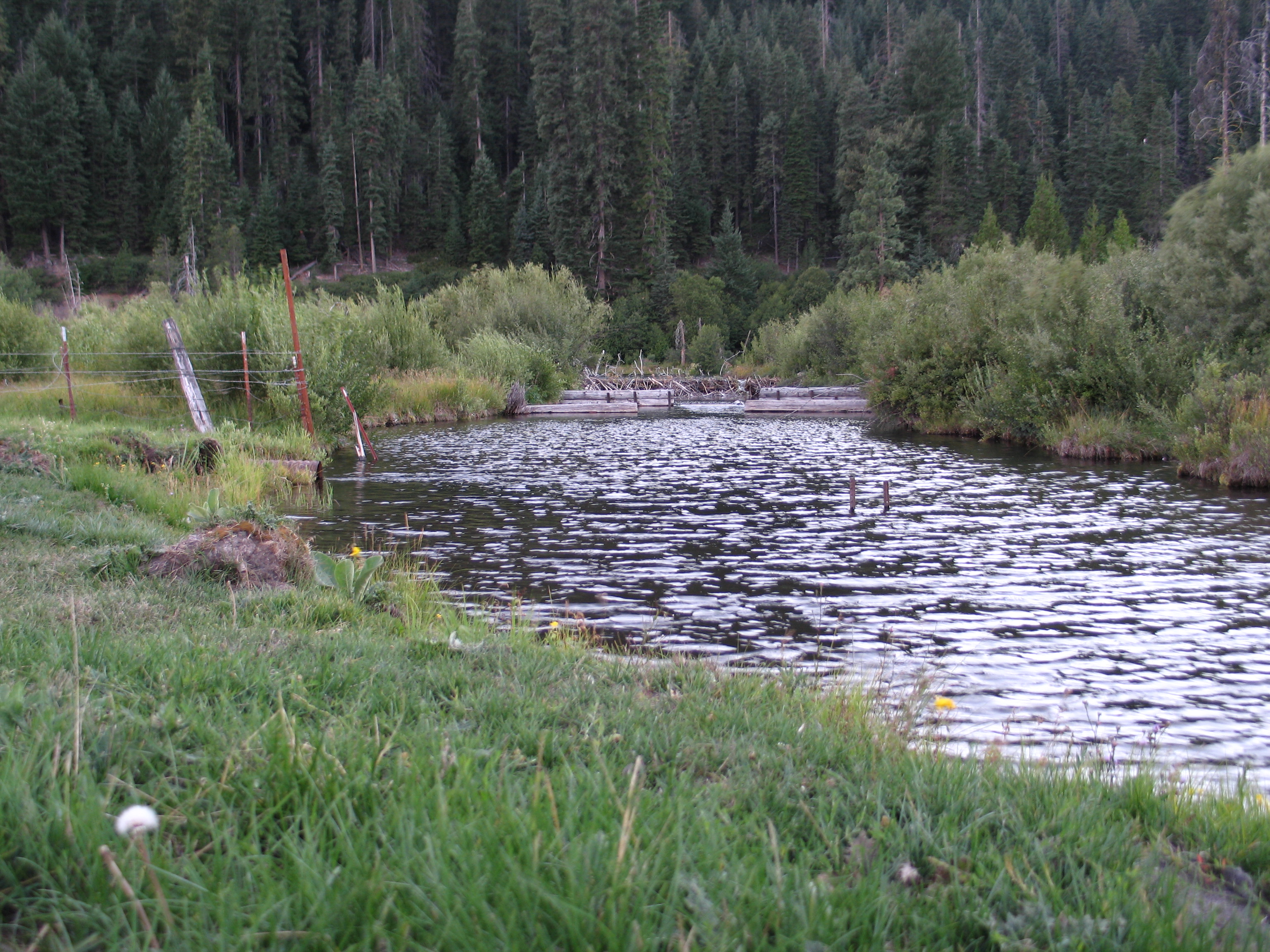
Managers are increasingly implementing reintroduction programs as part of a global effort to alleviate amphibian declines. Given uncertainty in factors
affecting populations and a need to make recurring decisions to achieve objectives, adaptive management is a useful component of these efforts. A
major impediment to the estimation of demographic rates often used to parameterize and refine decision-support models is that life-stage-specific
monitoring data are frequently sparse for amphibians. We developed a new parameterization for integrated population models to match the ecology of amphibians and capitalize on relatively inexpensive monitoring data to document amphibian reintroductions. We evaluate the capability of this
model by fitting it to Oregon spotted frog (Rana pretiosa) monitoring data collected from 2007 to 2014 following their reintroduction within the Klamath Basin, Oregon, USA. The number of egg masses encountered and the estimated adult and metamorph abundances generally increased following reintroduction. We found that survival probability from egg to metamorph ranged from https://0.01 in 2008 to https://0.09 in 2009 and was not related to minimum spring temperatures, metamorph survival probability ranged from https://0.13 in 2010-2011 to https://0.86 in 2012-2013 and was positively related
to mean monthly temperatures (logit-scale slope = 2.37), adult survival probability was lower for founders (0.40) than individuals recruited after
reintroduction (0.56), and the mean number of egg masses per adult female was https://0.74. Our study represents the first to test hypotheses concerning Oregon spotted frog egg-to-metamorph and metamorph-to adult transition probabilities in the wild and document their response at multiple life stages following reintroduction. Furthermore, we provide an example to illustrate how the structure of our integrated population model serves as a useful foundation for amphibian decision-support models within adaptive management programs. The integration of multiple, but related, datasets has an advantage of being able to estimate complex ecological relationships across multiple life stages, offering a modeling framework that accommodates uncertainty, enforces parsimony, and ensures all model parameters can be confronted with monitoring data.
affecting populations and a need to make recurring decisions to achieve objectives, adaptive management is a useful component of these efforts. A
major impediment to the estimation of demographic rates often used to parameterize and refine decision-support models is that life-stage-specific
monitoring data are frequently sparse for amphibians. We developed a new parameterization for integrated population models to match the ecology of amphibians and capitalize on relatively inexpensive monitoring data to document amphibian reintroductions. We evaluate the capability of this
model by fitting it to Oregon spotted frog (Rana pretiosa) monitoring data collected from 2007 to 2014 following their reintroduction within the Klamath Basin, Oregon, USA. The number of egg masses encountered and the estimated adult and metamorph abundances generally increased following reintroduction. We found that survival probability from egg to metamorph ranged from https://0.01 in 2008 to https://0.09 in 2009 and was not related to minimum spring temperatures, metamorph survival probability ranged from https://0.13 in 2010-2011 to https://0.86 in 2012-2013 and was positively related
to mean monthly temperatures (logit-scale slope = 2.37), adult survival probability was lower for founders (0.40) than individuals recruited after
reintroduction (0.56), and the mean number of egg masses per adult female was https://0.74. Our study represents the first to test hypotheses concerning Oregon spotted frog egg-to-metamorph and metamorph-to adult transition probabilities in the wild and document their response at multiple life stages following reintroduction. Furthermore, we provide an example to illustrate how the structure of our integrated population model serves as a useful foundation for amphibian decision-support models within adaptive management programs. The integration of multiple, but related, datasets has an advantage of being able to estimate complex ecological relationships across multiple life stages, offering a modeling framework that accommodates uncertainty, enforces parsimony, and ensures all model parameters can be confronted with monitoring data.
Papers & Reports Early action to address an emerging wildlife disease
Authors: Michael J Adams; Maria-Richetta C Hopkins; Daniel A Grear
Date: 2017-02 | Outlet: USGS Fact Sheet
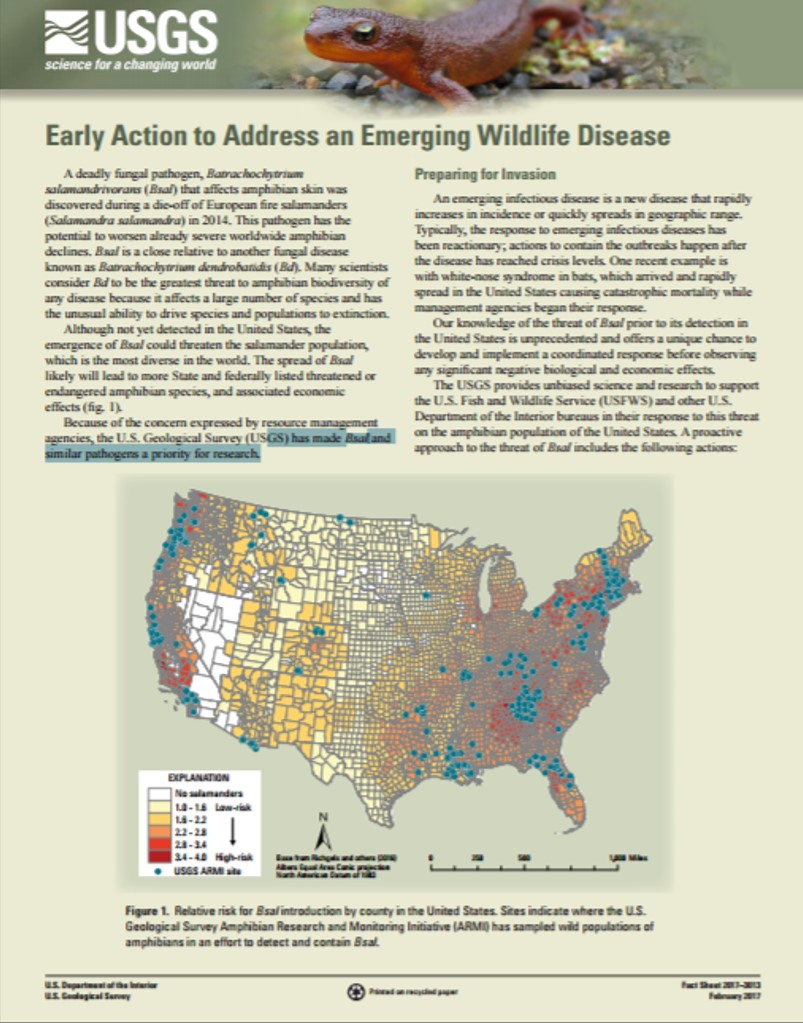
Although not yet detected in the United States, the emergence of Bsal (a fungal pathogen) could threaten the salamander population, which is the most diverse in the world. The spread of Bsal likely will lead to more State and federally listed threatened or endangered amphibian species, and associated economic effects. Because of concern expressed by resource management agencies, the U. S. Geological Survey has made Bsal and similar pathogens a priority for research.
Papers & Reports Potential concerns with analytical methods used for the detection of Batrachochytrium salamandrivorans from archived DNA of amphibian swab samples, Oregon, USA
Authors: D Iwanowicz; W Schill; Deanna H Olson; Michael J Adams; C L Densmore; R Cornman; Cynthia Adams; C Figiel; Chauncey W Anderson; Andrew R Blaustein; T Chestnut
Date: 2017 | Outlet: Herpetological Review 48:352-355