
Search ARMI Database

Search term(s)

Filter search results with:


To view all contents, leave all fields blank and click "Search" button.

Contribution Number


Search Results

1290 record(s) found.

Papers & Reports Assessing amphibian richness, rarity, threats, and conservation prospects for U.S. national park network [UPDATE TITLE]
Authors: Benjamin Lafrance; Andrew M Ray; Michael T Tercek; Robert N Fisher; Blake R Hossack
Date: 2024-11 | Outlet: npj Biodiversity
We assessed amphibian diversity, rarity, and threats across the U.S. National Park System, which covers 3.5% of the U.S. and 12% of federal lands. At least 230 of 354 (65%) amphibian species native to the U.S. occur in parks. Of the species documented in parks, 17% are considered at-risk globally and 20% are uncategorized, reflecting still-widespread data deficiencies. Parks in the Northwest and Northeast accumulated species most quickly (i.e., steepest species?area relationships). Non-native crayfishes and amphibians occur within 50 km of 60% and 25% of parks, respectively, illustrating the broad threat of non-native predators. Projected mid-century (2040–2069) changes in climatic water deficit, based on 25 climate futures, produced an expected 34% increase in dryness across all parks in the contiguous U.S. territory. Our analyses highlight the extent and regional differences in current and future threats and reveal gaps in species protection, but also reveal opportunities for targeted expansion and active management.
Papers & Reports Assessing predictions from optimal egg theory for an ectotherm relative to habitat duration
Authors: Jon M Davenport; Andrew Feltmann; LeeAnn Fishback; Blake R Hossack
Outlet: Wildlife Letters
Optimal egg size theory predicts females must balance investment per offspring to maximize fitness. This balance can change based on resources or habitat quality. In wetlands, common aspects of habitat quality are duration of water (hydroperiod) and predator presence. Ectotherms using habitats that dry or contain predators are likely under selection to optimize offspring production. We measured ovum and clutch sizes from wood frogs (Rana sylvatica) in 30 wetlands (2014?2019) in Subarctic Canada, where rapid changes in climate are accelerating wetland drying. We predicted wetlands with short hydroperiods would have larger ova, smaller clutch sizes, and larger ovum-to-clutch-sizes than wetlands with long hydroperiods or with fish predators. We found partial support for our predictions, with larger ova in habitats with short hydroperiods and no fish. We did not, however, find evidence of larger clutch sizes in wetlands with fish or a relationship with ovum-to-clutch size. Given the large environmental changes that are already occurring, our study is novel as one of the first to implicate these rapid changes as potential selective agents on reproductive output in an ectotherm.
Papers & Reports Unburned habitat essential for amphibian breeding persistence following wildfire.
Authors: Larissa L Bailey; Richard Henderson; Wendy A Estes-Zumpf; Charles Rhoades; Ellie Miller; Dominique Lujan; Erin Muths
Date: 2025 | Outlet: Global Ecology and Conservation, 57, p.e03389.
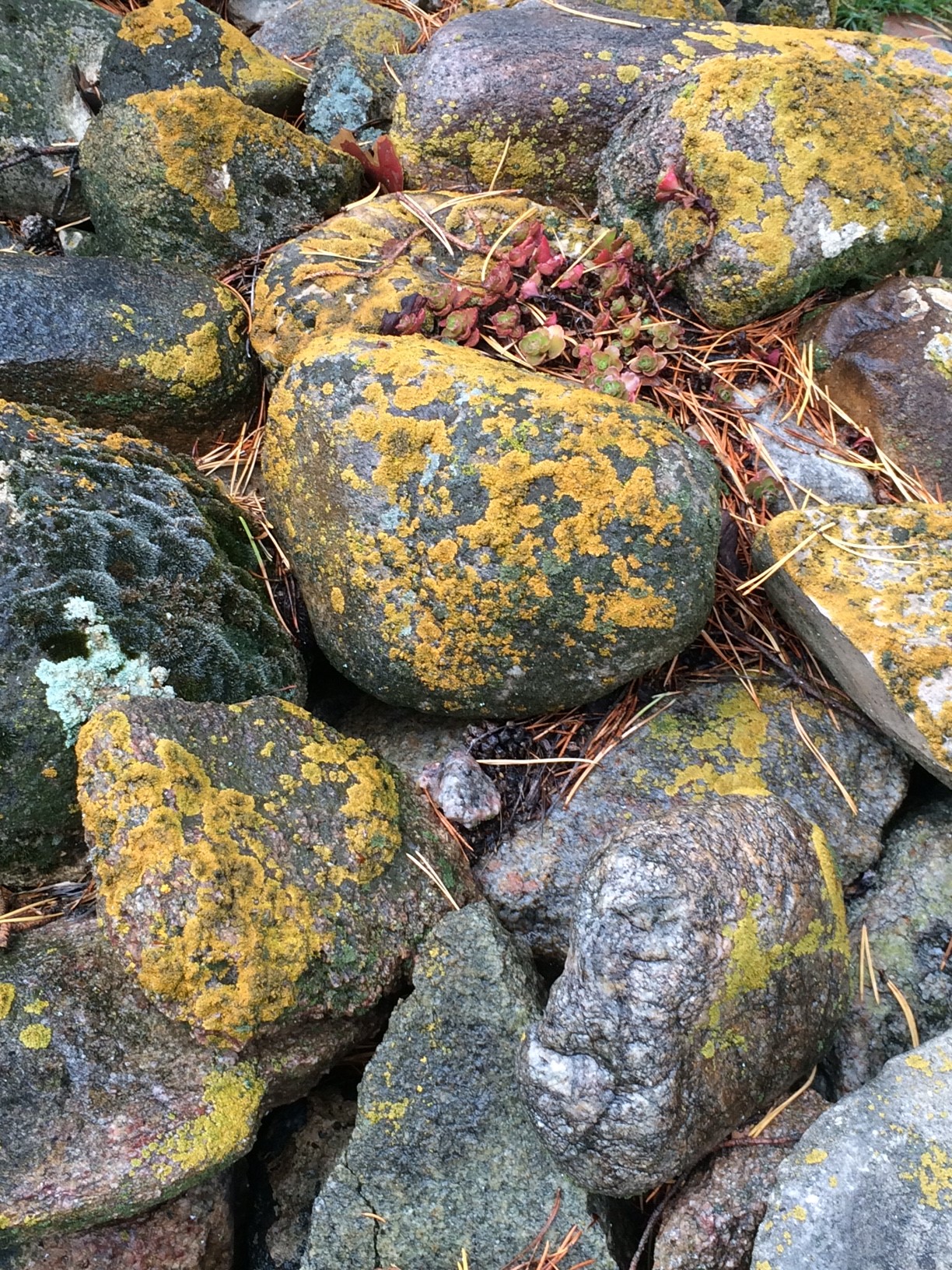
Wildfire regimes are changing rapidly with widespread increase in the intensity, frequency, and duration of fire activity, especially in the western United States. Limited studies explore the impacts of wildfires on aquatic taxa and few focus on lentic habitats that are essential for amphibians, many of which are of conservation concern. We capitalized on existing pre-fire surveys for anuran species and resurveyed a random subset of wetlands across a gradient of soil burn severity to investigate the short-term effects of wildfire on a relict population of wood frogs in the southern Rocky Mountains. We also investigated whether maps created to support rapid post-fire emergency response activities (i.e., USFS BAER program) accurately characterize soil burn severity around small habitat features (i.e., ponds) that serve as important amphibian breeding and rearing habitat. We found that wood frog breeding persistence following fires was strongly influenced by the percentage of their terrestrial habitat (100m buffer surrounding breeding ponds) that was burned. Wood frog colonization probability of previously unoccupied ponds was low (~ 0.10) and unaffected by soil burn severity. Importantly, we found that remotely sensed data typically produced to predict flooding and erosion at broad (catchment) scales is a poor representation of the amount and variation in soil burn severity surrounding small habitat features (e.g., ponds), suggesting that additional field sampling is necessary to understand wildfire responses for species that rely on small habitat features. Understanding short-term geographic- and species-specific variation in response to wildfires provides the basis to explore time to recovery (e.g., when wood frogs return to burned breeding sites) or to determine if declines in breeding distributions intensify over time.
Papers & Reports Amphibian Diversity of the Colorado Canyonlands including Potential Threats from Non-native Bullfrogs and Disease

Authors: Weeks Denita; David S Pilliod; Madeline Grant-Hoffman; Anjelica Q Spencer; Dan Neubaum; Paul Hampton; Michaela R Grossklaus; Matthew B Laramie
Ephemeral streams (hereafter, creeks) along the sandstone canyons of the Colorado and Uncompahgre Plateau provide habitat and breeding sites for native amphibians, although little is known about the diversity and distribution of amphibians that live in these harsh, dynamic environments. In addition, rivers that border these canyon tributaries serve as corridors for non-native species and disease. The American bullfrog (Lithobates catesbeianus) is a non-native species in western Colorado known to prey on native amphibians and act as a reservoir for pathogens such as Batrachochytrium dendrobatidis (Bd). From 2019-2022, we surveyed for amphibians using visual encounter surveys (VES) and eDNA surveys throughout the McInnis Canyon National Conservation Area (MCNCA), the Dominguez-Escalante National Conservation Area, and the Dolores River Canyon Wildlife Study Area. Our primary goals were to document the diversity and distribution of native amphibians in the canyonlands and evaluate possible threats to these species from bullfrogs and Bd. We found direct (VES) and indirect (eDNA) evidence that sensitive species, such as the Great Basin spadefoot (Spea intermontana) and the Northern leopard frog (Lithobates pipiens), inhabit these protected canyons. Most of the ephemeral tributaries did not support bullfrog populations, although we often detected them where the tributaries joined the rivers. In Mee Canyon (MCNCA), however, bullfrogs appear to migrate upstream into the canyon tributary in some years. A bullfrog individual also tested positive for Bd from Mee Canyon in 2019 and diet contents indicated that bullfrogs prey on native amphibians in this system. While non-native predators and disease are a concern for these ephemeral desert tributaries, they are likely minor relative to other threats such as drought and hydrological changes associated with ongoing climate change.
News & Stories ARMI scientists are delegates to the World Congress of Herpetology
Authors: Erin Muths; Blake R Hossack; Brian J Halstead; Patrick M Kleeman
August 23, 2024

The 10th World Congress of Herpetology was held in the city of Kuching, in Sarawak, Malaysia (northwest Borneo) August 5 – 9. ARMI scientists Brian Halstead, Blake Hossack, Pat Kleeman, and Erin Muths presented research papers. There were over 1400 delegates at the Congress, with > 900 contributed talks and 33 symposia.

Halstead and Muths organized a symposium targeted at graduate students (What Editors Want: A Guide to the Publication Process for Graduate Students) that included talks from 7 past and present editors, including Judit Voros, co-editor of Amphibia-Reptilia and Secretary General of the World Congress.

Hossack presented a talk co-authored by ARMI scientists Kelly Smalling and Brian Tornabene titled: “Energy-related secondary salinization of wetlands: Coordinated experiments and field surveys to identify mechanistic links with amphibian abundance”. This invited talk was included in the symposium titled: Haunting the seaside: Integrative biology of salt tolerance in amphibians.

Halstead presented a talk titled: “Effects of translocation and head-starting on giant gartersnake (Thamnophis gigas) behavior and survival”, co-authored by USGS scientist A. M. Nguyen and B. D. Todd (University of California, Davis). This invited talk was included in the symposium titled: Improving conservation and mitigation outcomes of snake translocations—global lessons.

Kleeman presented a contributed talk co-authored by Halstead and J.P. Rose (ARMI scientists), and collaborators from the Nevada Department of Wildlife, K. Guadalupe and M. West, titled: Initial demographic estimates for two species of narrowly endemic toads in central Nevada: Anaxyrus monfontanus and Anaxyrus nevadensis.

Muths’ presentation, co-authored by L. Bailey, A. Fueka, L. Roberts (Colorado State University) and B. Hardy (Chapman College), was in the symposium titled: Improving animal welfare. This invited talk was titled, “Methods in marking toads: PIT tagging versus photography”.

The World Congress is held every four years on different continents with the specific aim of facilitating attendance from herpetologists around the world especially those from developing countries. The first World Congress was held in Canterbury, Great Britain in 1989, with subsequent congresses in locations including China, Brazil, Australia, and Canada. ARMI hosted a symposium on amphibian decline in 2012 at the 7th World Congress in Vancouver.

Congress delegates in Kuching enjoyed multiple plenary talks with topics ranging from Bornean flora and fauna, to the Biogeography and Evolution of reptiles in the Arabian Peninsula, to Frog diversification in Old World tree frogs.
Papers & Reports Hosts, pathogens, & hot ponds: Thermal mean and variability contribute to spatial patterns of chytrid infection
Authors: Brendan K Hobart; Daniel A Grear; Megan E Winzeler; T McDevitt-Galles; Timothy Korpita; Erin Muths; Valerie J McKenzie
Date: 2025-11-25 | Outlet: Oikos
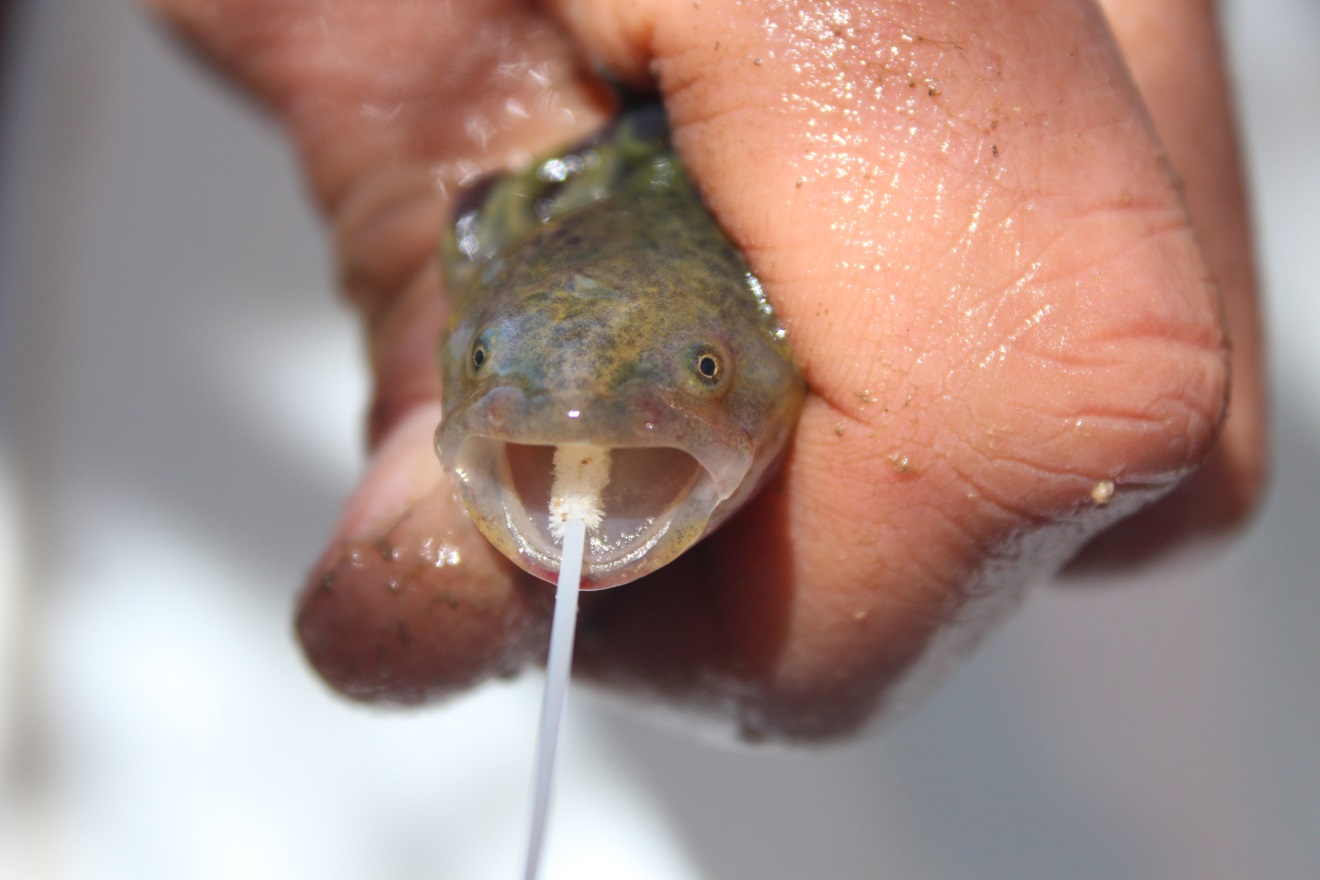
Temperature is a key driver of heterogeneity in host–pathogen dynamics, but relatively little is known about how patch-scale temperature affects landscape-scale patterns of pathogen infection. Two hypotheses to relate to patch-scale thermal conditions to infection of ectothermic animals by fungal pathogens: (1) temperature variability tends to favor pathogens over hosts due to differences in acclimation; (2) higher mean temperatures can help hosts clear infections, owing to differences in thermal limits. We studied how patch-scale thermal conditions (mean and variability) affect infection of eastern newts Notophthalmus viridescens by Batrachochytrium dendrobatidis (Bd). We measured in situ temperature and Bd infection across 20 ponds in two years in southeastern Wisconsin, USA to (1) evaluate evidence against multiple thermal mediation hypotheses and (2) quantify whether among-site variation in thermal conditions drives patch-level heterogeneity in host–pathogen interactions. We found that (1) an index of thermal mean and variability was strongly and nonlinearly related to Bd infection and (2) among-pond differences in thermal conditions drove this relationship, highlighting that variation in patch-level conditions can drive heterogenous host–pathogen outcomes across landscapes. Our research collectively reveals insights about the importance of local, patch-level conditions for mediating disease risk at broader scales.
News & Stories Effects of Harmful Algal Blooms on Amphibians and Reptiles are Under-Reported and Under-Represented
Authors: Brian J Tornabene; Kelly L Smalling; Blake R Hossack
August 16, 2024

USGS ARMI scientists recently published a critical review on what is known about the effects of harmful algal blooms (HABs) on amphibians and reptiles.

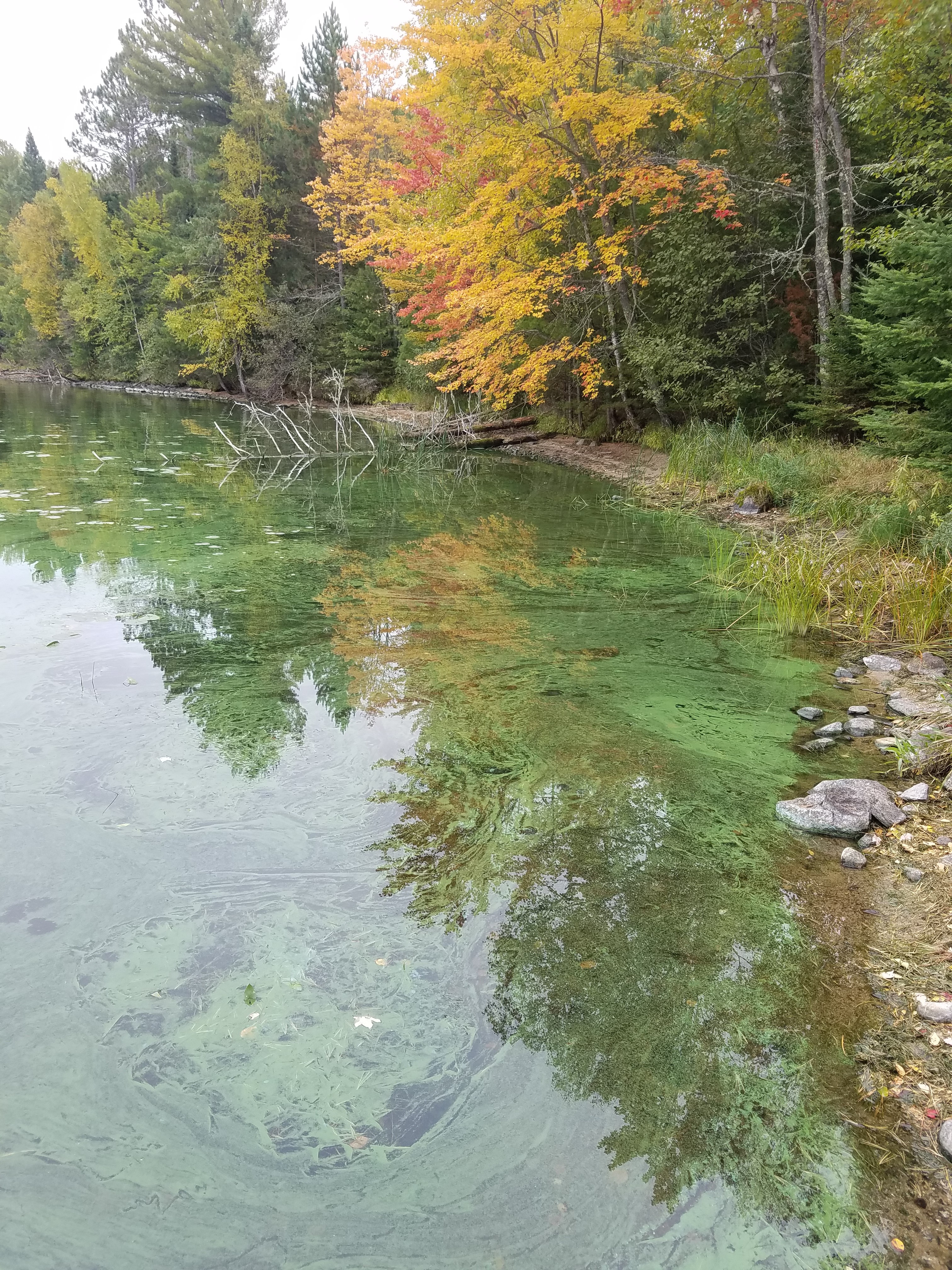
HABs are a persistent and increasing problem globally in both freshwater and marine environments, yet we still have limited knowledge about how they affect wildlife. HABs can occur when colonies of algae have abundant resources, grow rapidly, and produce cyanotoxins. This natural phenomenon was first described in the late 1800s but have become more common due to increases in nutrient inputs and availability (e.g., from agriculture or runoff) and global temperatures that favor their growth.

Although semi-aquatic and aquatic amphibians and reptiles have experienced large declines and occupy environments where HABs are increasingly problematic, their vulnerability to HABs remains unclear. The current review was designed to synthesize existing information of the effects of cyanotoxins on amphibians and freshwater reptiles. The information gained by evaluating and synthesizing previous studies and reported mortality events could enhance monitoring and conservation efforts while also guiding future studies on both amphibians and reptiles.

Our review highlights how cyanotoxins can be lethal and negatively affect larval amphibians, but information on effects on reptiles or embryonic and adult amphibians is lacking, apart from a few observational studies. Cyanotoxins can have systemic effects and negatively influence reproductive, digestive, and liver function in amphibians. Given that amphibian and some reptile populations are declining worldwide, it is important to increase monitoring and experimental efforts to understand the singular and synergistic effects of these toxins. It will also be important to better understand the events that cause algal blooms to synthesize and release toxins and effects of HABs that do not produce cyanotoxins. We also propose future near-term and long-term studies that could help clarify the population-level effects of HABs on amphibians and reptiles and could enhance monitoring and management efforts, especially in areas where HABs have been documented consistently.
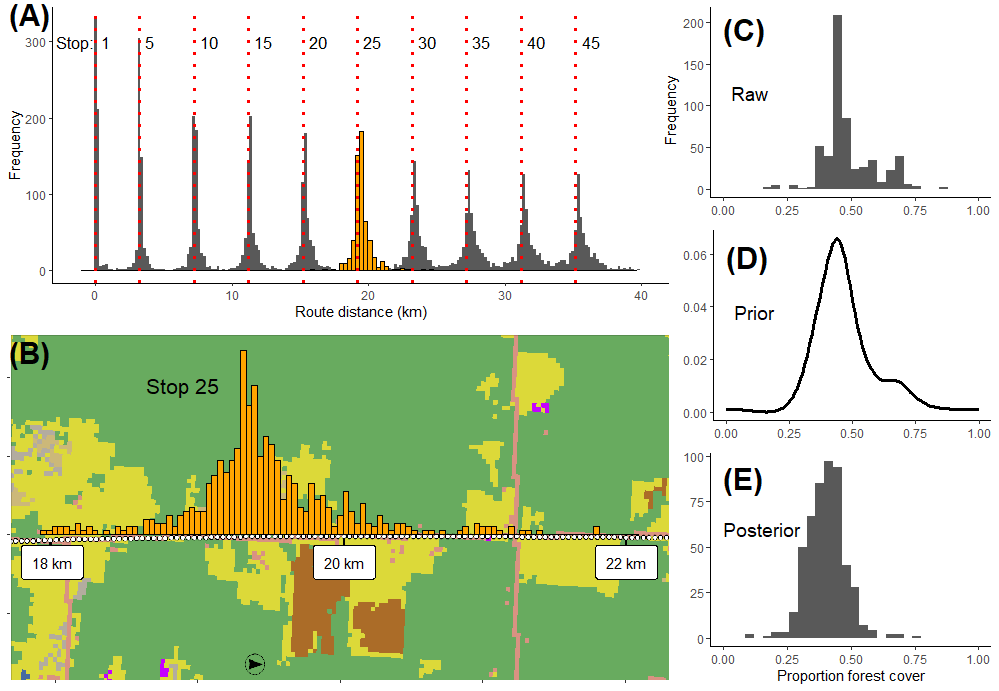
Papers & Reports Informative priors can account for location uncertainty in stop-level analyses of the North American Breeding Bird Survey (BBS), allowing fine-scale ecological analyses
Authors: Ryan C Burner; Alan Kirschbaum; Jeffrey A. Hostetler; David J. Ziolkowski Jr; Nicholas M. Anich; Daniel Turek; Eli D. Striegel; Neal D. Niemuth
Date: 2024-09-14 | Outlet: Ornithological Applications
Ecologists can learn a lot about species by studying the precise locations in which they do (and do not) occur, but the location information associated with many species records is imprecise. A prominent example of this is the North American Breeding Bird Survey (BBS), in which volunteer observers have surveyed birds at points along consistent routes across the United States for over fifty-five years. As the BBS was designed for large-scale analyses, detailed location information for each bird count is not recorded. We estimate location uncertainty, and the resulting uncertainty in land cover covariates, for the BBS data and present a modeling method that accounts for this uncertainty in a way that opens new possibilities for fine-scale uses of this extensive dataset, unlocking its potential to advance the study of the relationships between birds and their immediate habitat. More broadly, our methods and modeling framework could be used in a variety of situations in which covariate or location uncertainty is a challenge.
News & Stories Fish & Wildlife Service 2023 Recovery Champions
Authors: Elizabeth A Gallegos
June 25, 2024

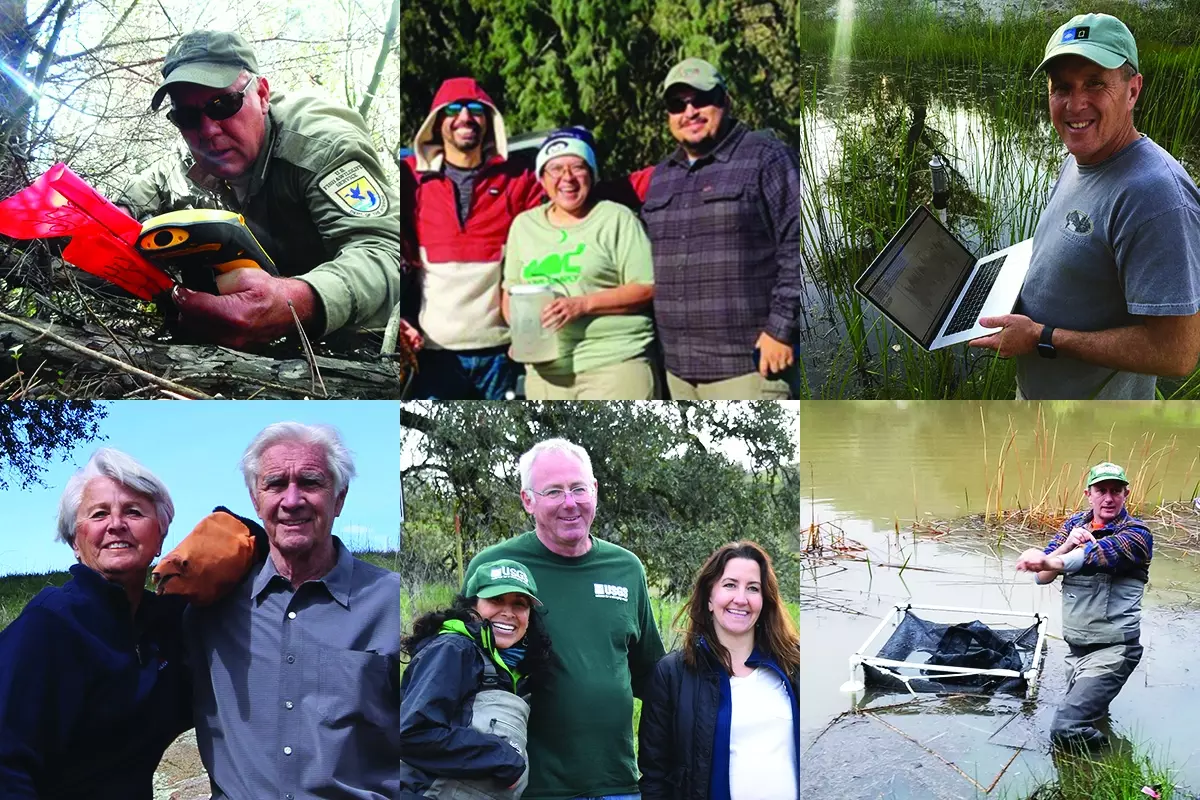
California red-legged frog recovery partners have collectively moved the species closer to recovery, most notably through their efforts to reestablish the frog in the southern-most portion of its range where it had disappeared decades earlier. Over the years, these individuals have demonstrated extraordinary vision, leadership, and collaboration in developing a bi-national plan for reintroducing the species, which includes transporting egg masses from Baja California, Mexico, to sites in Riverside and San Diego counties, California. Efforts to work with landowners to identify suitable habitat for releases, along with management and monitoring of the species, exemplify the Service’s mission of working with others to conserve species and their habitats for the benefit of the American people.

Fish & Wildlife Service has recognized ARMI biologists Robert Fisher, Adam Backlin, and Elizabeth Gallegos as crucial partners for the success of this project.

Papers & Reports From eDNA to decisions using a multi-method approach to restoration planning in streams
Authors: Andrea J Adams; Colleen Kamoroff; Rob L Grasso; Brian J Halstead; Patrick M Kleeman; Katherine Powelson; Travis Seaborn; Claudia Mengelt; Caren S Goldberg; Ninette R Daniele
Date: 2024-06-21 | Outlet: Scientific Reports
Reintroduction efforts are increasingly used to mitigate biodiversity losses, but are frequently challenged by inadequate planning and uncertainty. High quality information about population status and threats can be used to prioritize reintroduction and restoration efforts and can transform ad hoc approaches into opportunities for improving conservation outcomes at a landscape scale. We conducted comprehensive environmental DNA (eDNA) and visual encounter surveys to determine the distribution of native and non?native aquatic species in two high?priority watersheds to address key uncertainties—such as the distribution of threats and the status of existing populations—inherent in restoration planning. We then used these occurrence data to develop a menu of potential conservation actions and a decision framework to benefit an endangered vertebrate (foothill yellow?legged frog, Rana boylii) in dynamic stream systems. Our framework combines the strengths of multiple methods, allowing managers and conservation scientists to incorporate conservation science and site?specific knowledge into the planning process to increase the likelihood of achieving conservation goals.
Papers & Reports Effects of harmful algal blooms on amphibians and reptiles are underreported and underrepresented
Authors: Brian J Tornabene; Kelly L Smalling; Blake R Hossack
Date: 2024-07-05 | Outlet: Environmental Toxicology & Chemistry
Harmful algal blooms (HABs) are a persistent and increasing problem globally, yet we still have a limited knowledge about how they affect many wildlife. Although semi-aquatic and aquatic amphibians and reptiles have experienced large declines and occupy environments where HABs are increasingly problematic, their vulnerability to HABs remains unclear. To inform monitoring, management, and future studies, we conducted a literature review and synthesized studies and reported mortality events describing effects of cyanotoxins from HABs on freshwater herpetofauna. Our review identified 37 unique studies and 71 endpoints (no-observed-effect and lowest-observed-effect concentrations) involving 11 amphibian and three reptile species worldwide. Responses varied widely among studies, species, and concentrations used in experiments. Concentrations causing lethal and sublethal effects in experiments were generally 1–100 µg/L, which is near the mean value of reported events but 70times less than the maximum cyanotoxin concentrations reported in the environment. However, one species of amphibian was tolerant to concentrations of 10,000 µg/L, demonstrating potentially immense differences in sensitivities. Most studies focused on microcystin-LR (MC-LR), which can increase systemic inflammation and harm the digestive system, reproductive organs, liver and kidneys, and development. The few studies on other cyanotoxins illustrated that effects resembled those of MC-LR at similar concentrations, but more research is needed to describe effects. All experimental studies were on larval and adult amphibians; there were no such studies on reptiles. Experimental work with reptiles and adult amphibians is needed to clarify thresholds of tolerance. Only nine mortality events were reported, mostly for reptiles. Given that amphibians likely decay faster than reptiles, which have tissues that resists decomposition, mass amphibian mortality events from HABs have likely been underreported. We propose seven major areas to focus future efforts to enhance our understanding of effects and monitoring of HABs on herpetofauna that fill important roles in freshwater and terrestrial environments.
Papers & Reports Decision analysis and adaptive management: strategies to overcome challenges of uncertainty and inaction.
Authors: Katherine M O'Donnell; Evan HC Grant
Outlet: Society for the Study of Amphibians and Reptiles Herpetological Conservation Series
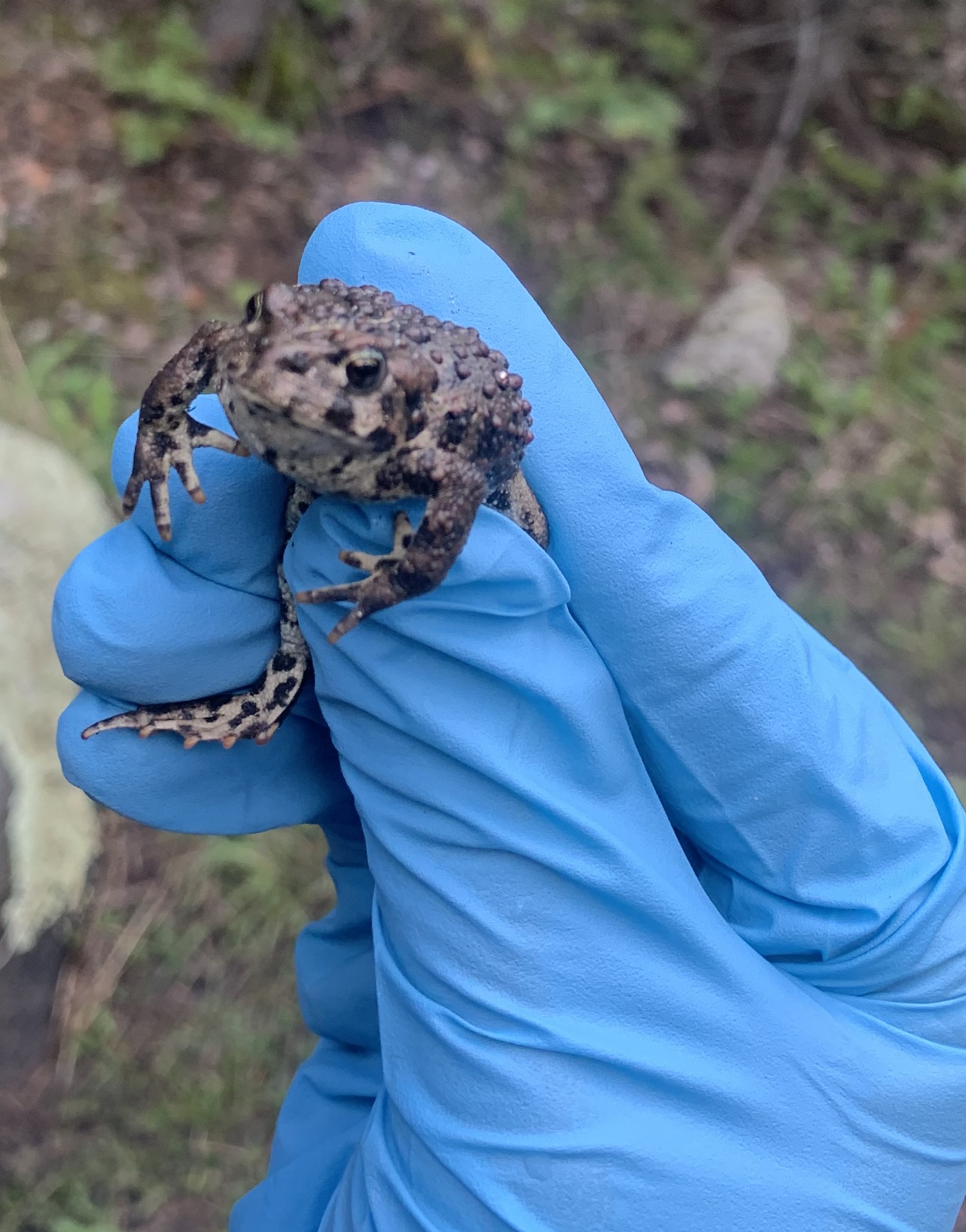
A book chapter highlighting uncertainty and inaction in conservation, decision analysis steps and challenges and decision analysis for amphibians and reptiles
Papers & Reports Of toads and tolerance: Quantifying intraspecific variation in host resistance and tolerance to a lethal pathogen
Authors: Bennett Hardy; Erin Muths; W C Funk; Larissa L Bailey
Date: 2024-05-30 | Outlet: Journal of Animal Ecology
Due to the ubiquity of disease in natural systems, hosts have evolved strategies of disease resistance and tolerance to defend themselves from further harm once infected. Resistance strategies directly limit pathogen growth, typically leading to lower infection burdens in the host. A tolerance approach limits the fitness consequences caused by the pathogen but does not directly inhibit pathogen growth. Testing for intraspecific variation in wild host populations is important for informing conservation decisions about captive breeding, translocation, and disease treatment. Here, we test for the relative importance of tolerance and resistance in multiple populations of boreal toads (Anaxyrus boreas boreas) against Batrachochytrium dendrobatidis (Bd), the amphibian fungal pathogen responsible for the greatest host biodiversity loss due to disease. Boreal toads have severely declined in Colorado (CO) due to Bd, but toad populations challenged with Bd in western Wyoming (WY) appear to be less affected. We used a common garden infection experiment to expose post-metamorphic toads sourced from four populations (2 in CO and 2 in WY) to Bd and monitored changes in mass, pathogen burden, and survival for eight weeks. We used a multi-state modeling approach to estimate weekly survival and transition probabilities between infected and cleared states, reflecting a dynamic infection process that traditional approaches fail to capture. We found that WY boreal toads are highly tolerant to Bd infection with higher survival probabilities than those in CO when infected with identical pathogen burdens. WY toads also had higher probabilities of clearing infections and took an average of five days longer to reach peak infection burdens. Our results demonstrate strong intraspecific differences in tolerance and resistance that explain why population declines vary regionally across the species. We used a robust, multi-state framework to gain inference on typically hidden disease processes when testing for host tolerance or resistance and demonstrated that describing an entire species as ‘tolerant’ or ‘resistant’ is unwise without testing for intraspecific variation in host defenses.
Papers & Reports Matching decision support modeling frameworks to disease emergence stages
Authors: Evan HC Grant; Brittany A Mosher; Riley F Bernard; Alexander D Wright; Robin E Russell
Wildlife disease management decisions often require rapid responses to situations that are fraught with uncertainty. By recognizing that management is implemented to achieve specific objectives (whether defined explicitly or not), resource managers and science partners can identify an analysis technique and develop a plan to collect necessary data that will allow for the evaluation of management actions.
Papers & Reports Preparing for a Bsal invasion into North America has improved multi-sector readiness
Authors: Deanna H Olson; Evan HC Grant; Molly Bletz; Jonah Piovia-Scott; Jacob L Kerby; Michael J Adams; Florencia M Breitman; Michelle R Christman; María J Forzán; Matthew J Gray; Aubree J Hill; Michelle S Koo; David Lesbarrères; Olga Milenkaya; Eria A Rebollar; Louise A Rollins-Smith; Megan Serr; Alexander Shepak; Leonard Shirose; L Sprague; Jenifer Walke; Alexa R Warwick; Brittany A Mosher
Western palearctic salamander susceptibility to the skin disease caused by the amphibian chytrid fungus Batrachochytrium salamandrivorans (Bsal) was recognized in 2014, eliciting concerns for a potential novel wave of amphibian declines following the B. dendrobatidis (Bd) chytridiomycosis global pandemic. Although Bsal had not been detected in North America, initial experimental trials supported the heightened susceptibility of caudate amphibians to Bsal chytridiomycosis.
Data Release Amphibian (chorus frog, wood frog, tiger salamander) surveys in Rocky Mountain National Park (1986-2022)
Authors: Amanda M Kissel; Erin Muths
Date: 2023-01-24 | Outlet: sciencebase
This data release contains information collected during surveys for chorus fogs (Pseudacris maculata), wood frogs (Lithobates sylvaticus) and tiger salamanders (Ambystoma mavortium) conducted in Rocky Mountain National Park (1986 – 2022) by the U.S. Geological Survey. Survey methods included visual encounter and aural surveys, and dip netting. Data collected between 1986 and 1994 focused on named water bodies in Rocky Mountain National Park. Data collected between 1995 and 1999 are from focal monitoring sites as well as sporadic surveys of other wetlands. Data collected between 2000-2002 represent repeated surveys conducted between 1986 and 1994 (e.g., park-wide surveys of named water bodies) and additional surveys of unnamed waterbodies. Data collected after 2002 were collected under an occupancy framework. Sites were identified within pre-defined catchments using the National Wetlands Inventory Database to locate potential amphibian breeding habitat (e.g., ponds, ephemeral wetlands). If appropriate sites were encountered in the field and were not indicated on National Wetland Inventory databases (https://www.fws.gov/program/national-wetlands-inventory/metadata), they were added as incidental sites. Waterbodies were visited and surveyed at least two times during the amphibian active season (May and mid-August). Water bodies were surveyed for all life stages of amphibians.
Data Release Mercury concentrations in amphibian tissues across the United States, 2016-2021
Authors: Colleen S Emery; Collin A Eagles-Smith; Kelly L Smalling; Blake R Hossack; Brian J Tornabene; Michael J Adams; Adam R Backlin; Adrianne B Brand; Robert N Fisher; Jill Fleming; Brad M Glorioso; Daniel A Grear; Evan HC Grant; Brian J Halstead; Patrick M Kleeman; David AW Miller; Erin Muths; Christopher A Pearl; Jennifer C Rowe; Caitlin T Rumrill; Hardin J Waddle; Megan E Winzeler
Date: 2023-08-23
Comma-separated values (.csv) file containing data related to amphibian sampling across the United States between 2016 and 2021. Data files contain mercury concentrations in amphibian and dragonfly tissues, mercury concentrations in sediment, as well as amphibian morphometrics, and habitat and climate characteristics where the samples were collected.
News & Stories Climate change and Cascades Frog
Authors: Michael J Adams
January 04, 2024

A new paper by Kissel et al shows how complex life cycles interacting with climate change can lead to counter-intuitive outcomes for amphibian populations: https://doi.org/10.1016/j.ecochg.2023.100081
Papers & Reports Contrasting demographic responses under future climate at multiple life stages for two populations of a montane amphibian
Authors: Amanda M Kissel; Wendy J Palen; Michael J Adams; Justin Garwood
Date: 2024-01-03 | Outlet: Climate Change Ecology
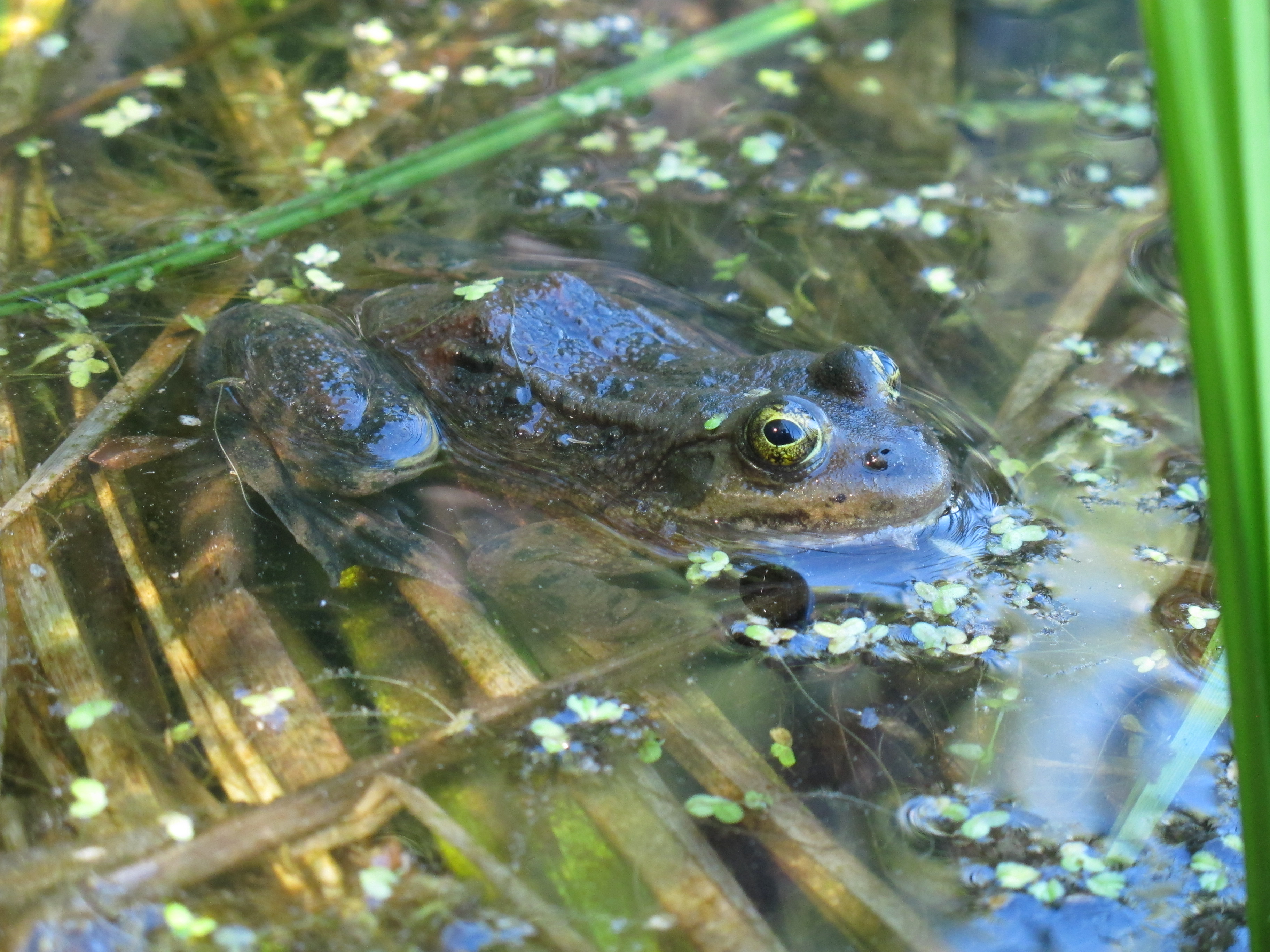
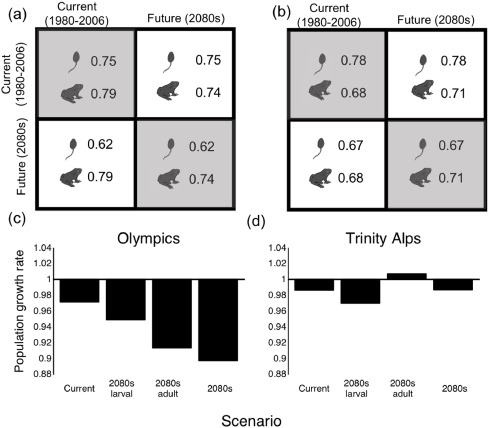
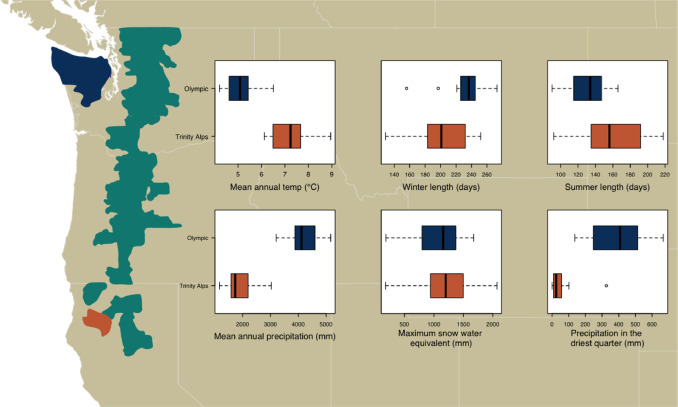
For species with complex life histories, climate change can have contrasting effects for different life stages within locally adapted populations and may result in responses counter to general climate change predictions. Using data from two, 14-year demographic studies for a North American montane amphibian, Cascades frog (Rana cascadae), we quantified how aspects of current climate influenced annual survival of larvae and adult stages and modeled the stochastic population growth rate (?s) of each population for current (1980-2006) and future periods (2080s). Climate drivers of survival for the populations were similar for larvae (i.e. decreases in precipitation lead to pond drying and mortality), but diverged for terrestrial stages where decreases in winter length and summer precipitation had opposite effects. By the 2080s, we predict one population will be in sharp decline (?s = 0.90),while the other population will remain nearly stable (?s = 0.99) in the absence of other stressors, such as mortality due to disease. Our case study demonstrates a result counter to many climate envelope predictions in that stage-specific responses to local climate and hydrology result in a higher extinction risk for the more northern population.
Papers & Reports Hiding in plain sight: federally protected Ringed Map Turtles, Graptemys oculifera, found in a new river system
Authors: Brad M Glorioso; Will Selman; B R Kreiser; Aidan Ford
Date: 2024-04-30 | Outlet: Herpetological Conservation and Biology
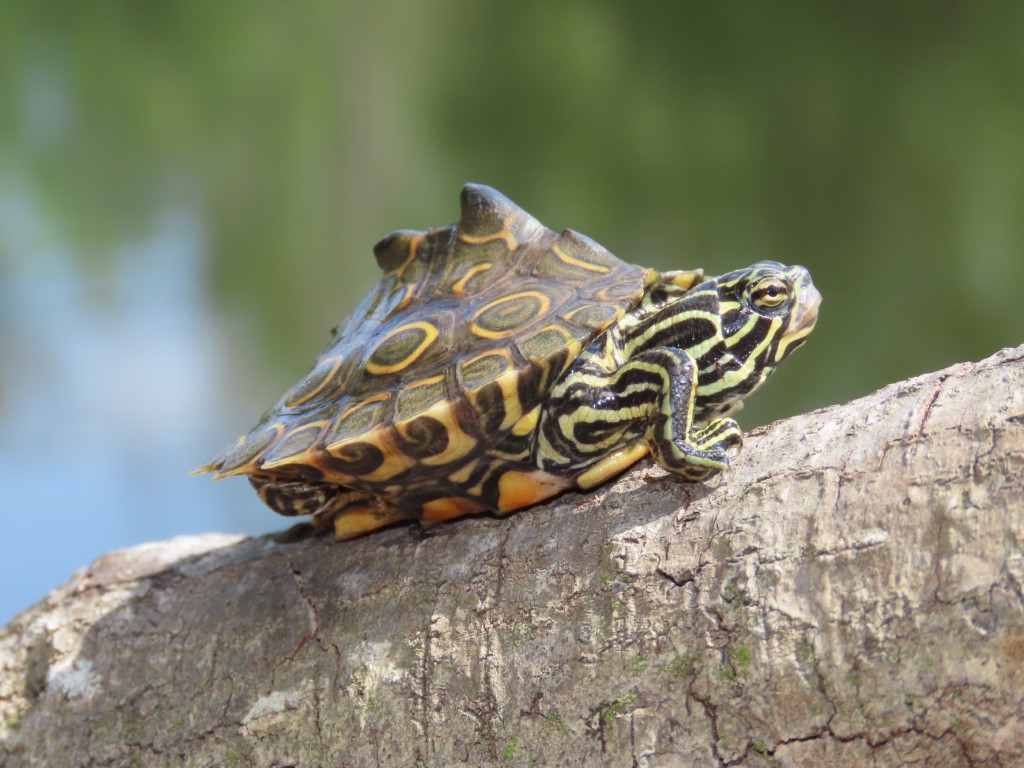
Understanding the geographical range of a species is essential to successful conservation and management, but their ranges are not always fully known. Ringed Map Turtles, Graptemys oculifera, have been federally listed as a threatened species since 1986, and they have long been considered endemic to the Pearl River system of central Mississippi and southeastern Louisiana. By way of a 2021 citizen scientist observation, a new G. oculifera population was discovered in the Bogue Falaya, a river system that is west of and isolated from the Pearl River system. Genetic analyses of 23 individuals from the Bogue Falaya demonstrate their distinctiveness relative to sites in the Pearl River, suggesting it is a natural rather than introduced population. Therefore, G. oculifera should no longer be considered endemic to the Pearl River system, and this Bogue Falaya population of G. oculifera may warrant the designation of a distinct population segment under the Endangered Species Act. A thorough assessment of the distribution, abundance, and conservation threats to the Bogue Falaya population of G. oculifera is needed as well as surveys of surrounding systems. This discovery of a long federally protected species in the city limits of Covington, Louisiana, underscores the need for more surveys to fully understand species distributions and documents how citizen scientists can advance scientific knowledge.