Search ARMI Database
Search term(s)
Contribution Number
Search Results
1290 record(s) found.
News & Stories Information from ARMI surveys guides management action in the Desert Southwest
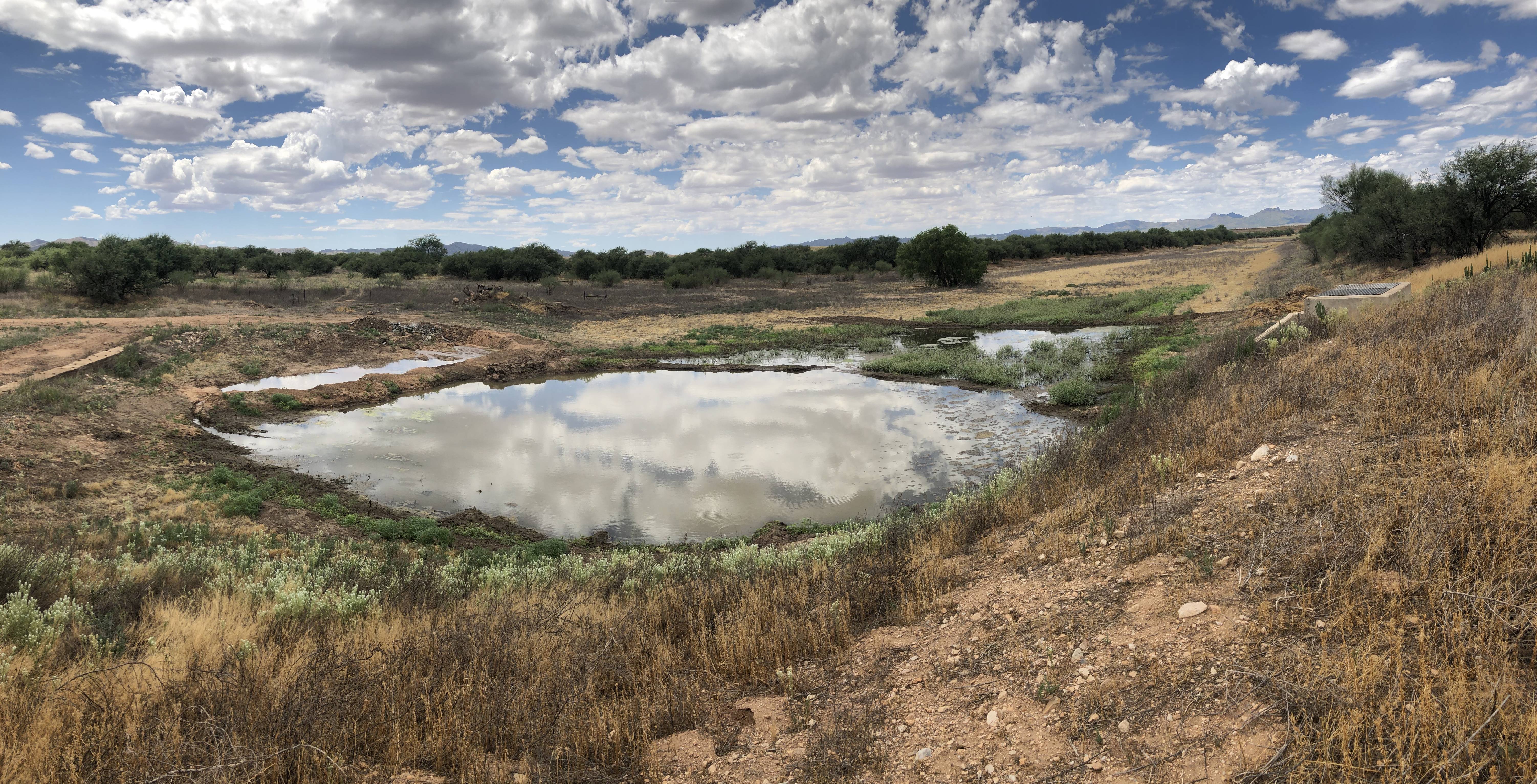
The Buenos Aires National Wildlife Refuge (BANWR) has developed a new pond designed to replicate ciénega conditions that will provide habitat for the federally threatened Chiricahua leopard frog. Reintroduced to the Refuge after extirpation in the early 2000s, the Chiricahua leopard frog has colonized areas beyond the initial reintroduction sites, now inhabiting several human-made stock tanks on the Refuge. The species’ persistence on the Refuge depends on the ongoing eradication of invasive bullfrogs and the availability of water. In desert habitats such as BANWR, the ciénega (a Spanish word for wetland) is a marsh-like habitat that is critical for numerous desert-dwelling creatures. Ciénegas on BANWR are characterized by a spring or seep that saturates the soil and allows water to pool in small areas (Hendrickson and Minckley, 1985). Ciénega vegetation includes rushes, watercress, and smartweed; they are often bordered by cottonwood and willow trees which the Refuge will plant at the new ciénega once the water has settled into the excavated depression. The new ciénega on BANWR is plumbed, meaning that water levels can be modified and maintained in response to environmental conditions that range from multi-year droughts to heavy monsoon conditions (Bezy et. al. 2007).
ARMI has collected data at BANWR since 2000, gathering information about native species (e.g., Chandler et al. 2015, Jarchow et al. 2016, , Howell et al. 2018, 2020a), invasive species such as American bullfrogs and sunfish (Suhr 2010, Howell et al. 2020b), and disease (Sigafus et al. 2014). Models assessing occupancy and movement of the Chiricahua leopard frog indicate that water availability and permanency are critical components to the its persistence at BANWR. The Refuge has used this information to make decisions about management actions such as building plumbed ponds — a non-trivial action in terms of cost and logistics. The new ciénega will not only support the Chiricahua leopard frog but will provide water for many other species that call BANWR home including the federally endangered masked bobwhite quail, great blue herons, yellow-billed cuckoos, and pronghorn.
Bezy, J., C. F. Hutchinson, and C. J. Bahre. 2007. Buenos Aires National Wildlife Refuge, 373 Arizona. Desert Plants 23:3–44.
Chandler, R., E. Muths, B. H. Sigafus, C.R. Schwalbe, C. Jarchow, and B.R. Hossack. 2015. Realizing the potential of spatially explicit metapopulation theory for predicting extinction risk. Journal of Applied Ecology. DOI: 10.1111/1365-2664.12481.
Howell, P., E. Muths, B.R. Hossack, B.H. Sigafus, and R.B. Chandler. 2018. Increasing connectivity between metapopulation ecology and landscape ecology. Ecology 99: 1119-1128.
Howell, P.E., B.R. Hossack, E. Muths, B. Sigafus, A. Chenevert- Steffler, and R. Chandler. 2020a. A statistical forecasting approach to metapopulation viability analysis. Ecological Applications 30(2), e02038
Howell, P.E. E. Muths, B.H. Sigafus, and B.R. Hossack. 2020b. Survival estimates for the invasive American bullfrog. Amphibia-Reptilia.
Hendrickson, D. A. and W. L. Minckley. 1985. Ciénegas vanishing climax communities of the American southwest. Desert Plants 6 (3): 131-175.
Sigafus, B. H., C.R. Schwalbe, B.R. Hossack, and E. Muths. 2014. Prevalence of the amphibian chytrid fungus at Buenos Aires National Wildlife Refuge, Arizona. Herpetological Review 45: 41-42.
Suhre, D. O. 2010. Dispersal and demography of the American Bullfrog (Rana catesbeiana) in a 455 semi-arid grassland. M.S. Thesis, University of Arizona, USA.
Papers & Reports Effects of experimental warming and nutrient enrichment on wetland communities at the Arctic’s edge
Papers & Reports Climate’s cascading effects on disease, predation, and hatching success in Anaxyrus canorus, the threatened Yosemite toad
Data Release Data from visual encounter and acoustic monitoring surveys targeting amphibians and reptiles in Big Thicket National Preserve in southeast Texas from August 2010 to September 2018
News & Stories Urban Southern California is a Center of Diversification for Salamander Lineages
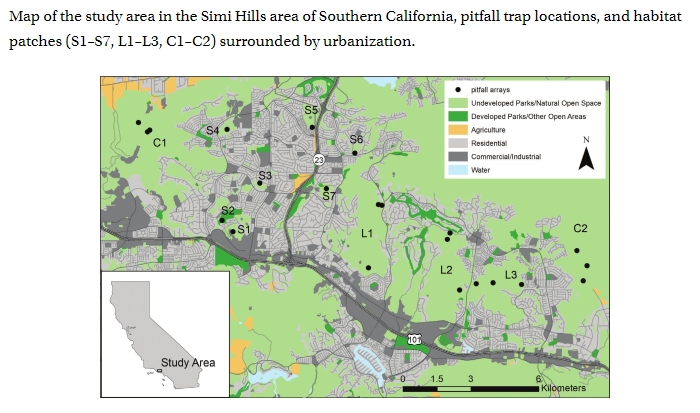
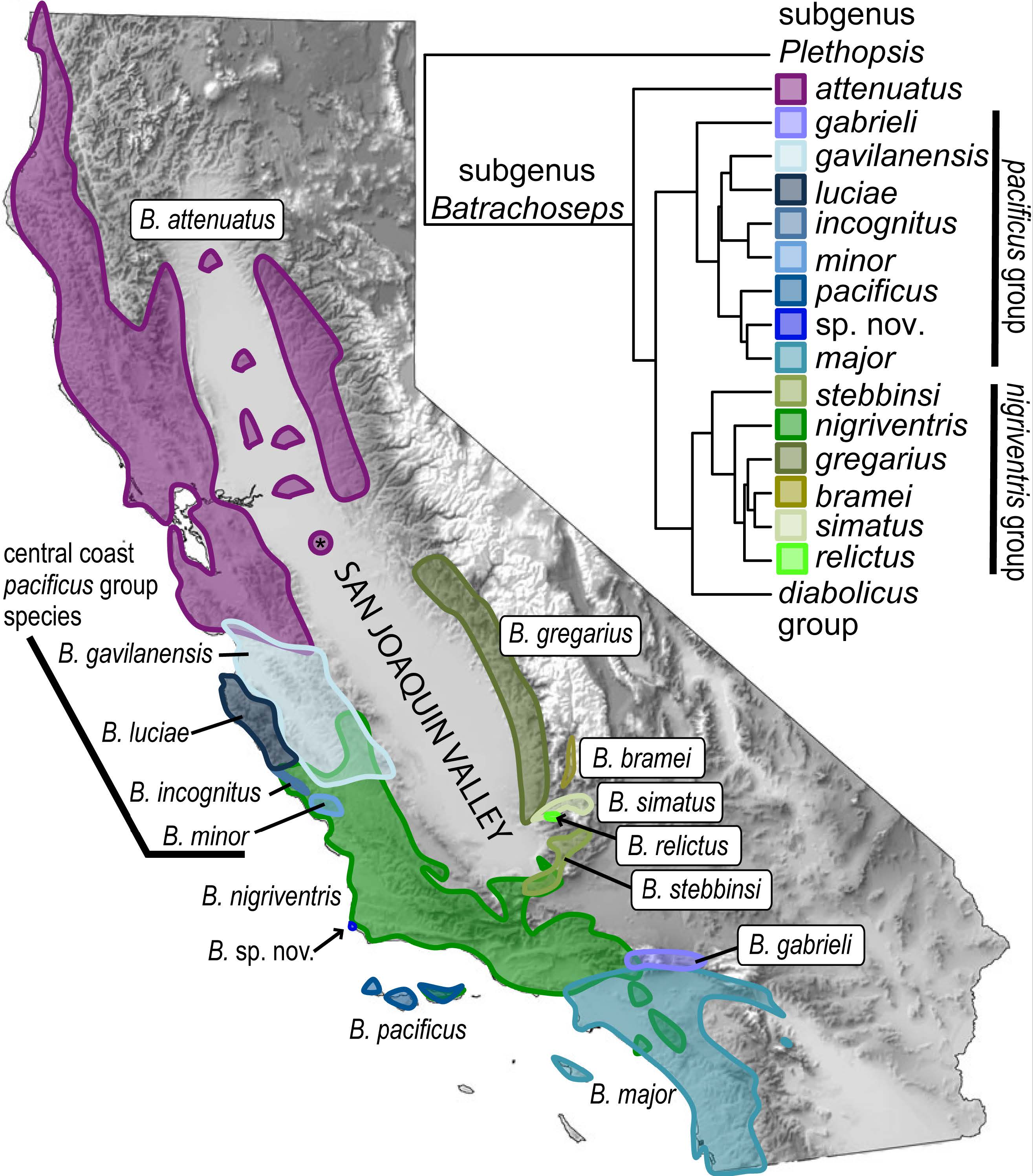
The Southern California Biodiversity Hotspot has a complex geological history and has a human population of about 24 million people. A recent study of genetic diversity across salamanders that occur here found high levels of localized diversity representing ancient mitochondrial lineages. Several of these lineages are very geographically limited and occur only within this urban matrix. Each of the three National Parks (Channel Islands National Park, Santa Monica Mountains National Recreational Area, and Cabrillo National Monument) in this southern California landscape will be important for the long term persistence of unique lineages that are almost micro-endemics to just these park units. Various Bureau of Land Management lands in this regional also house highly divergent lineages that could serve as conservation targets. Lastly, this work provides further support for the importance of the continued US Fish and Wildlife program of Habitat Conservation Planning within this Biodiversity Hotspot for conserving undescribed ancient patterns of genetic diversity.
News & Stories Devastating Salamander Chytrid Fungus Not Detected in National Survey Led by ARMI
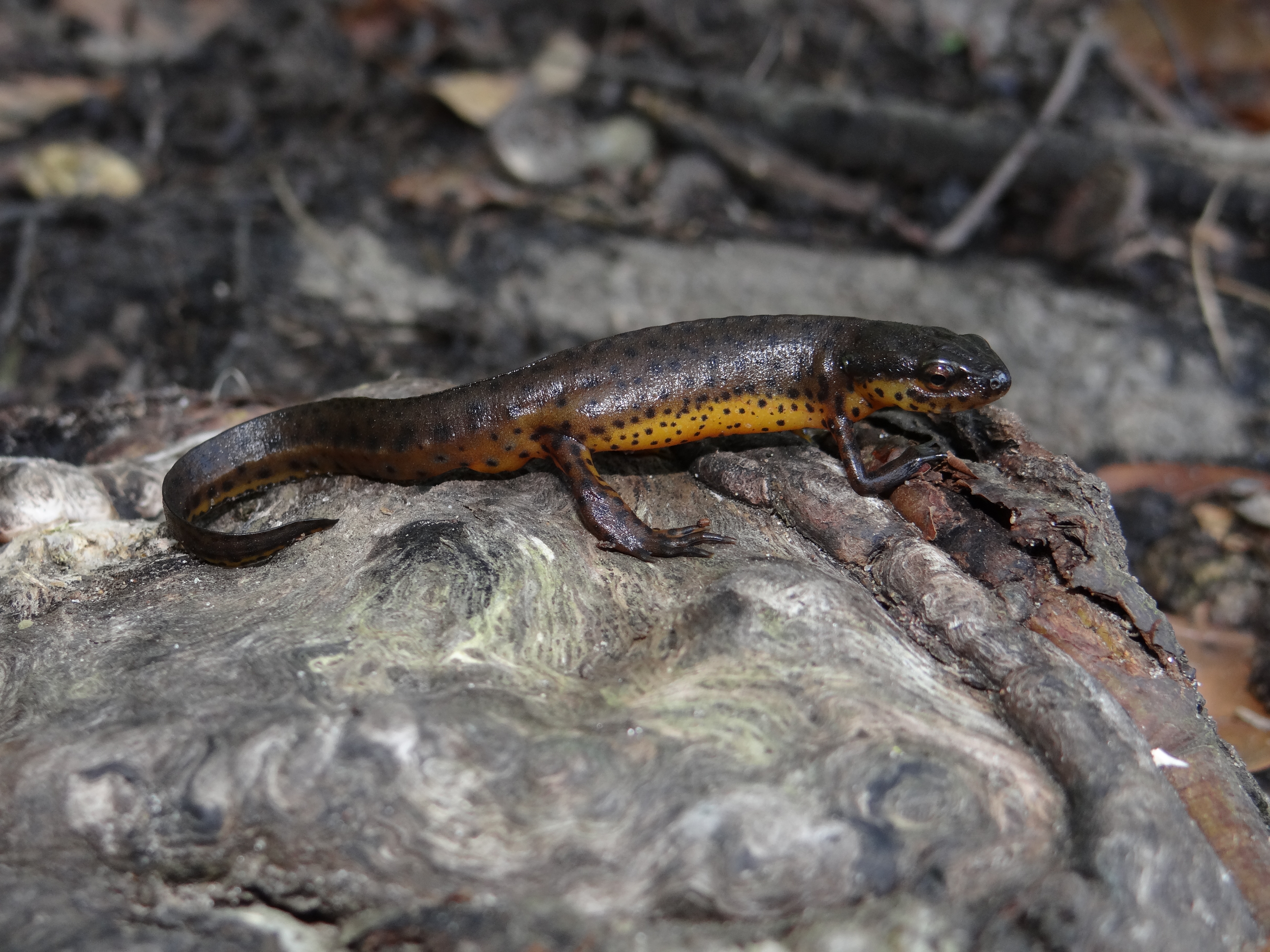
The salamander chytrid fungus (Batrachochytrium salamandrivorans), commonly known as Bsal, has caused massive mortality of salamanders in Europe. There is a high potential for spread of the disease to North America through the international pet trade. Because North America has the highest diversity of salamanders in the world there is heightened concern about the potential for this devastating disease if it becomes established in the U.S. The U.S. Fish and Wildlife Service declared many salamanders as injurious under the Lacey Act and prohibits the importation of them to the U.S., but there are still potential means for the disease to spread. We conducted a large-scale surveillance effort for Bsal across the U.S. taking 11,189 samples from 594 sites in 223 counties within 35 U.S. states and one site in Mexico. We targeted sites that were believed to have high risk of Bsal introduction or where the consequence of a Bsal introduction would be high. We sampled for Bsal by swabbing amphibians, primarily newts, and attempting to detect the DNA of Bsal using standard genetic techniques. We found no evidence of Bsal in any of our samples, and our modeling suggests that it is highly unlikely that Bsal is widespread if it is present at all in North America at this time. The apparent absence of Bsal in North America suggests that efforts to prevent and prepare for its introduction are productive.
Papers & Reports Moving from decision to action in conservation science
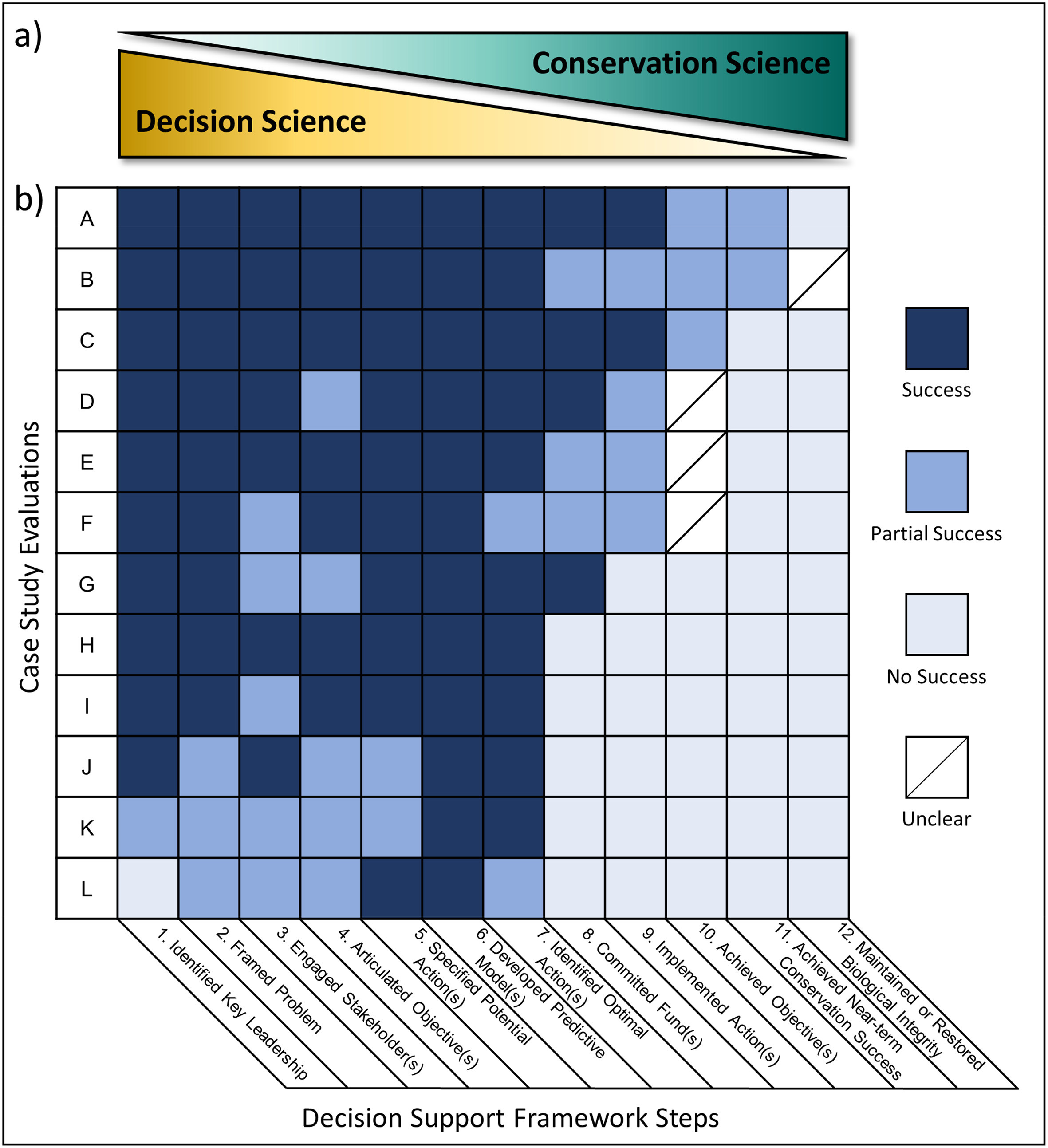
worsen, yet the path to successful conservation remains elusive. Decision support
frameworks (DSFs) are increasingly applied by resource managers to navigate the
complexity, uncertainty, and differing socio-ecological objectives inherent to
conservation problems. Most published conservation research that uses DSFs focuses
on analytical stages (e.g., identifying an optimal decision), making it difficult to assess
and learn from previous examples in a conservation practice context. Here, we (1)
evaluate the relationship between the application of decision science and the resulting
conservation outcomes, and (2) identify and address existing barriers to the application
of DSFs to conservation practice. To do this, we develop a framework for evaluating
conservation initiatives using decision science that emphasizes setting attainable
goals, building momentum, and obtaining partner buy-in. We apply this framework to a
systematic review of amphibian conservation decision support projects, including a
follow-up survey of the pertinent conservation practitioners, stakeholders, and
scientists. We found that all projects identified optimal solutions to reach stated
objectives, but positive conservation outcomes were limited when implementation
challenges arose. Further, we identified multiple barriers (e.g., dynamic and
hierarchical leadership, scale complexity, limited resource availability) that can inhibit
the progression from decision identification to action implementation (i.e., ‘decision-implementation gap’), and to successful conservation outcomes. Based on these results, we provide potential actionable steps and avenues for future development of DSFs to facilitate the transition from decision to action and the realization of conservation successes.
Papers & Reports Determinants and consequences of dispersal in vertebrates with complex life cycles: a review of pond-breeding amphibians
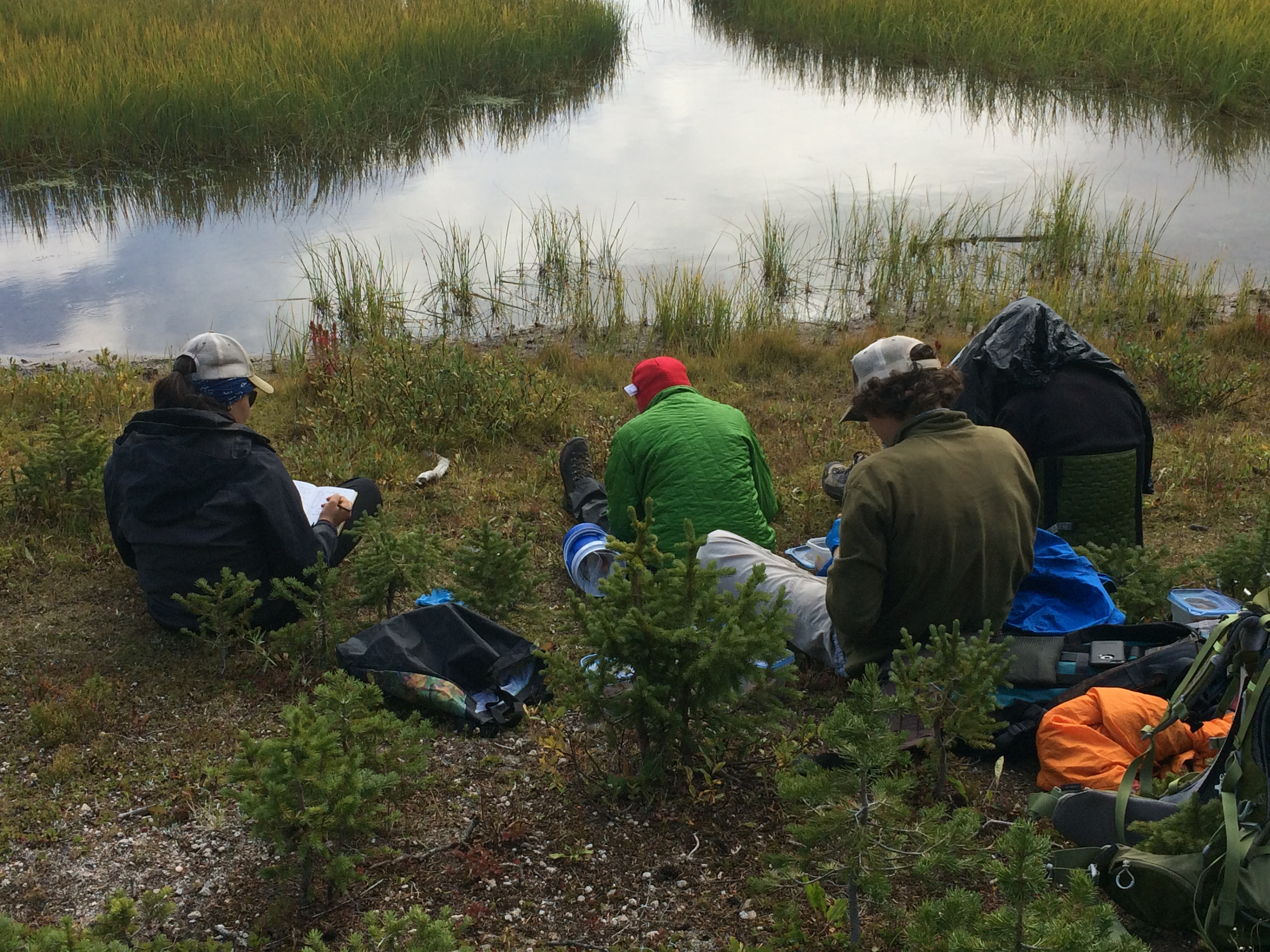
Papers & Reports Hydroperiod and previous breeding success influence recruitment dynamics for a declining amphibian species

Papers & Reports A National-Scale Assessment of Mercury Bioaccumulation in United 2 States National Parks Using Dragonfly Larvae As Biosentinels 3 through a Citizen-Science Framework
larvae as biosentinels by developing a citizen-science network to facilitate biological sampling. Implementing a carefully designed
sampling methodology for citizen scientists, we developed an effective framework for a landscape-level inquiry that might otherwise
be resource limited. We assessed the variation in dragonfly Hg concentrations across >450 sites spanning 100 United States National
Park Service units and examined intrinsic and extrinsic factors associated with the variation in Hg concentrations. Mercury
concentrations ranged between 10.4 and 1411 ng/g of dry weight across sites and varied among habitat types. Dragonfly total Hg
(THg) concentrations were up to 1.8-fold higher in lotic habitats than in lentic habitats and 37% higher in waterbodies, with
abundant wetlands along their margins than those without wetlands. Mercury concentrations in dragonflies differed among families
but were correlated (R2 > 0.80) with each other, enabling adjustment to a consistent family to facilitate spatial comparisons among
sampling units. Dragonfly THg concentrations were positively correlated with THg in both fish and amphibians from the same
locations, indicating that dragonfly larvae are effective indicators of Hg bioavailability in aquatic food webs. Collectively, this
continental-scale study demonstrates the utility of dragonfly larvae for estimating the potential mercury risk to fish and wildlife in
aquatic ecosystems and provides a framework for engaging citizen science as a component of landscape Hg monitoring programs.
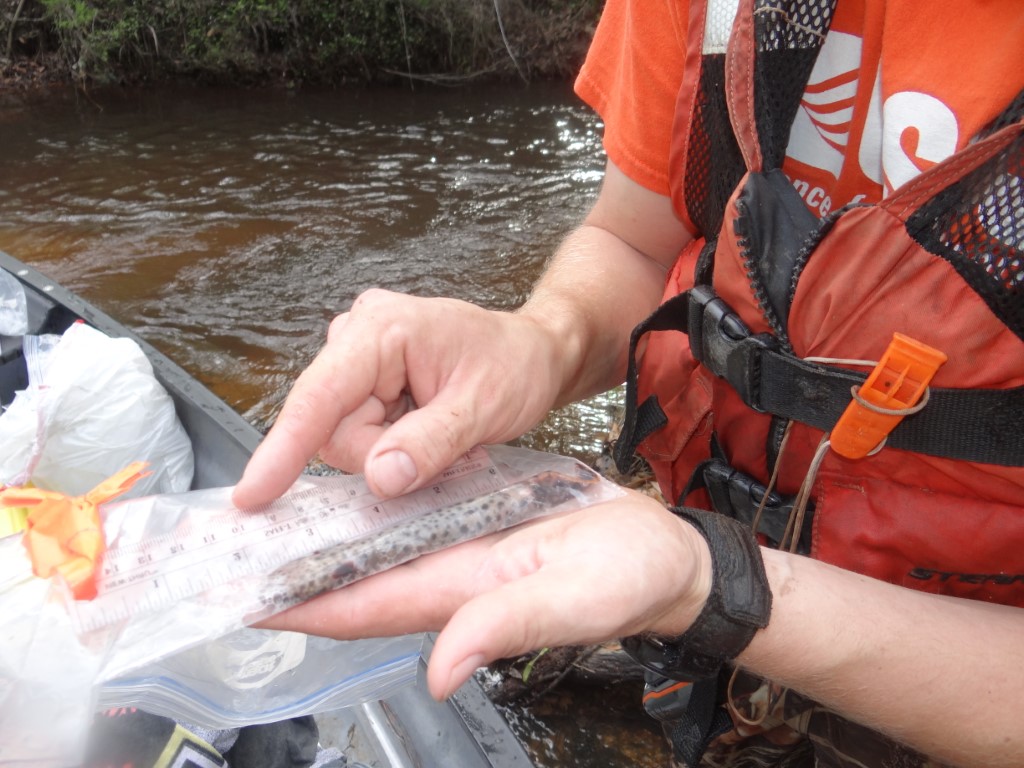
Data Release Data from a 2015 trapping survey targeting the Gulf Coast Waterdog, Necturus beyeri, in Saint Tammany Parish, Louisiana
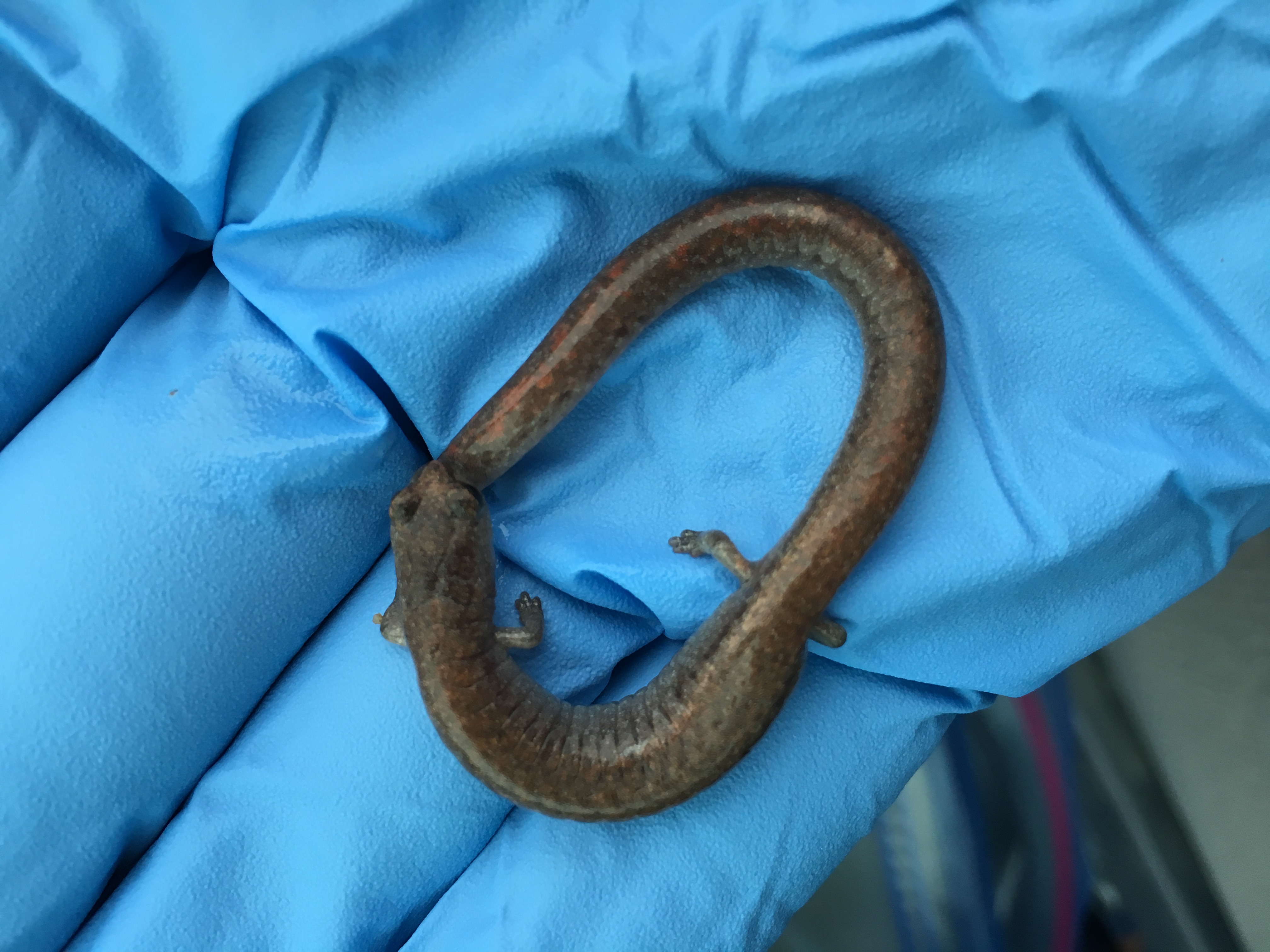
Papers & Reports Slender salamanders (genus Batrachoseps) reveal Southern California to be a center for the diversification, persistence, and introduction of salamander lineages
Methods. We sequenced the mitochondrial gene cytochrome b from a geographically comprehensive sampling of the mitochondrial lineages of B. major and B. nigriventris that are endemic to southern California. We used phylogenetic analyses to characterize phylogeographic structure and identify mitochondrial contact zones. We also included the San Joaquin Valley samples to test whether they resulted from introductions. We used a bootstrap resampling approach to compare the strength of isolation-by-distance in both Batrachoseps species and four other salamander species with which they co-occur in southern California.
Results. The northern lineage of B. major harbors at least eight deeply differentiated, geographically cohesive mitochondrial subclades. We identify geographic contact between many of these mtDNA lineages and some biogeographic features that are concordant with lineage boundaries. Batrachoseps nigriventris also has multiple deeply differentiated clades within the region. Comparative analyses highlight the smaller spatial scales over which mitochondrial divergence accumulates in Batrachoseps relative to most other salamander species in southern California. The extralimital populations of Batrachoseps from the San Joaquin Valley are assigned to B. major based on their mitochondrial haplotypes and are shown to result from at least two independent introductions from different source populations. We also suggest that B. major on Catalina Island, where it is considered native, may be the result of an introduction. Some of the same traits that facilitate the build-up of deep phylogeographic structure in Batrachoseps likely also contribute to its propensity for introductions, and we anticipate that additional introduced populations will be discovered.
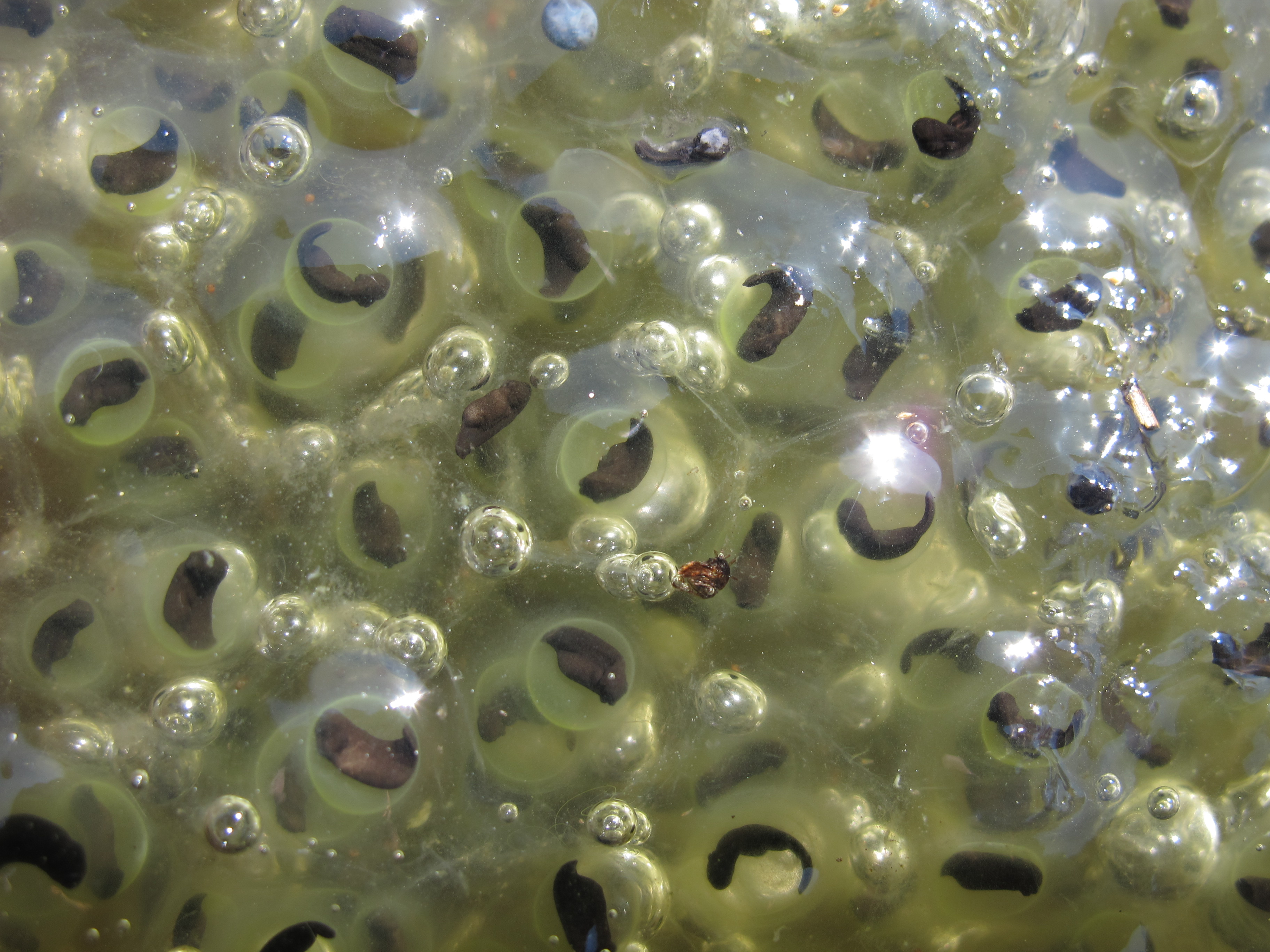
Papers & Reports Oregon spotted frog (Rana pretiosa) migration from an aquatic overwintering site: Timing, duration, and potential environmental cues
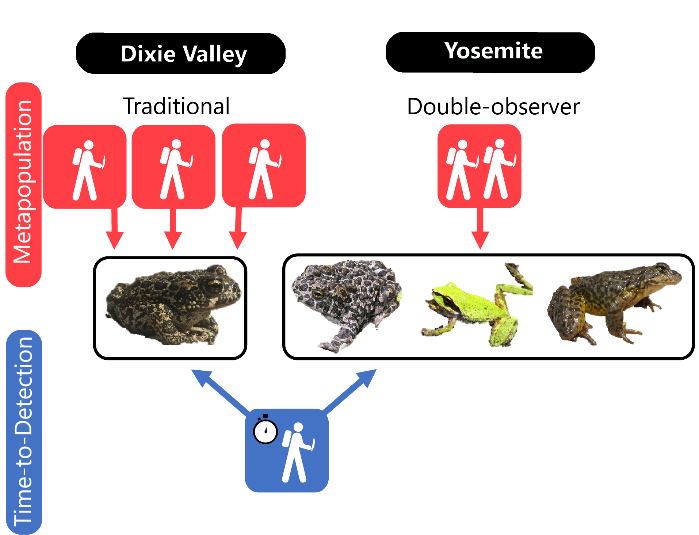
Papers & Reports Time-to-detection occupancy methods: performance and utility for improving efficiency of surveys
Data Release Seasonal median daily water depths for study wetlands in the St. Croix National Scenic Riverway, the North Temperate Lakes Long-term Research area, and the Upper Mississippi River study area from 2013-2018
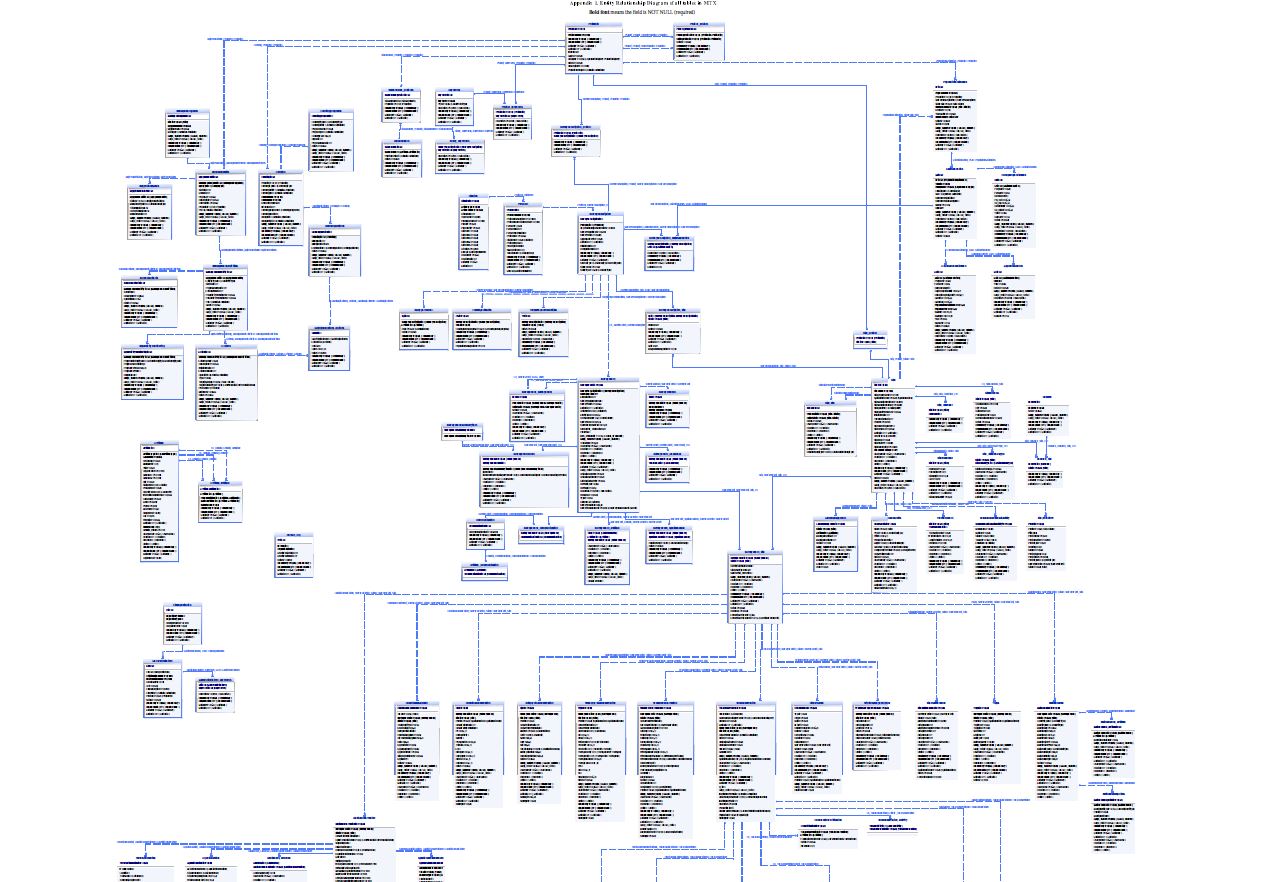
Papers & Reports Multi-Taxa Database Data Dictionary
Papers & Reports Estimation of metademographic rates and landscape connectivity for a conservation-reliant anuran
Objectives Our objectives were to quantify local persistence, colonization, and recruitment (metademographic rates) in relation to habitat attributes, evaluate the influence of the spatial arrangement of patches on landscape-scale population dynamics, and estimate the scale at which metapopulation dynamics are occurring for the Oregon spotted frog (Rana pretiosa).
Methods We collected R. pretiosa detection/non-detection data and habitat information from 93 sites spread throughout the species’ core extant range in Oregon, USA, 2010–2018. We developed a spatial multistate dynamic occupancy model to analyze these data.
Results Results indicated the proportion of sites occupied by R. pretiosa was relatively stable despite regular turnover in site occupancy. Connectivity was highest when the distance between sites was within 4.49–https://7.70 km, and populations within 1 km are at the appropriate spatial scale for effective population management. Rana pretiosa metademographic rates were strongly tied to water availability, vegetation characteristics, and beaver dams.
Conclusions Our analysis provides critical information to identify the appropriate spatial scale for effective population management, estimates the distance at which populations are connected, and quantifies the effects of hypothesized threats to species at a landscape scale. We believe this type of model can inform conservation and management strategies for multiple species.

Papers & Reports ACRIS BLANCHARDI (Blanchard's Cricket Frog). Predation.
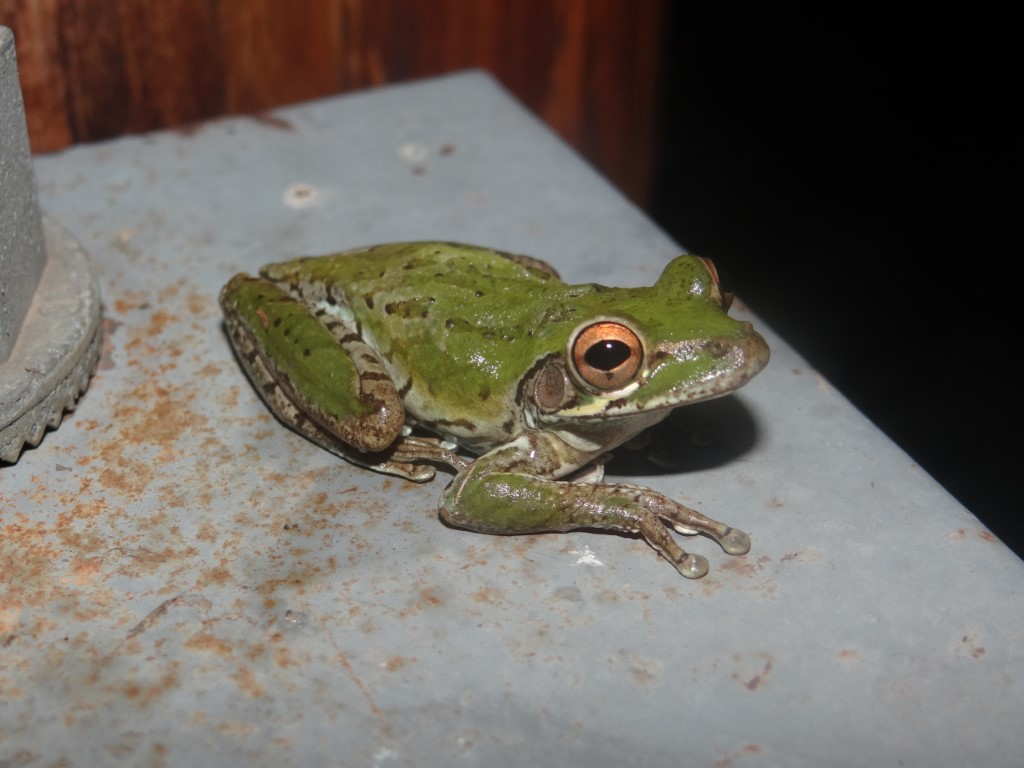
Papers & Reports OSTEOPILUS SEPTENTRIONALIS (Cuban Treefrog)