
Search ARMI Database
Search term(s)
Contribution Number
Search Results
1290 record(s) found.
Data Release Chloride in water, metals in sediment and amphibian tissues and amphibian capture information from wetlands in the Williston Basin of Montana and North Dakota, 2015-2017: U.S. Geological Survey data release
Data Release Data release for manuscript IP-083575, Robert Fire Montana Tailed Frog Data_2001-2015
Data Release Amphibian acoustic data from the Arizona 1, Pinenut, and Canyon breccia pipe uranium mines in Arizona: U.S. Geological Survey data release
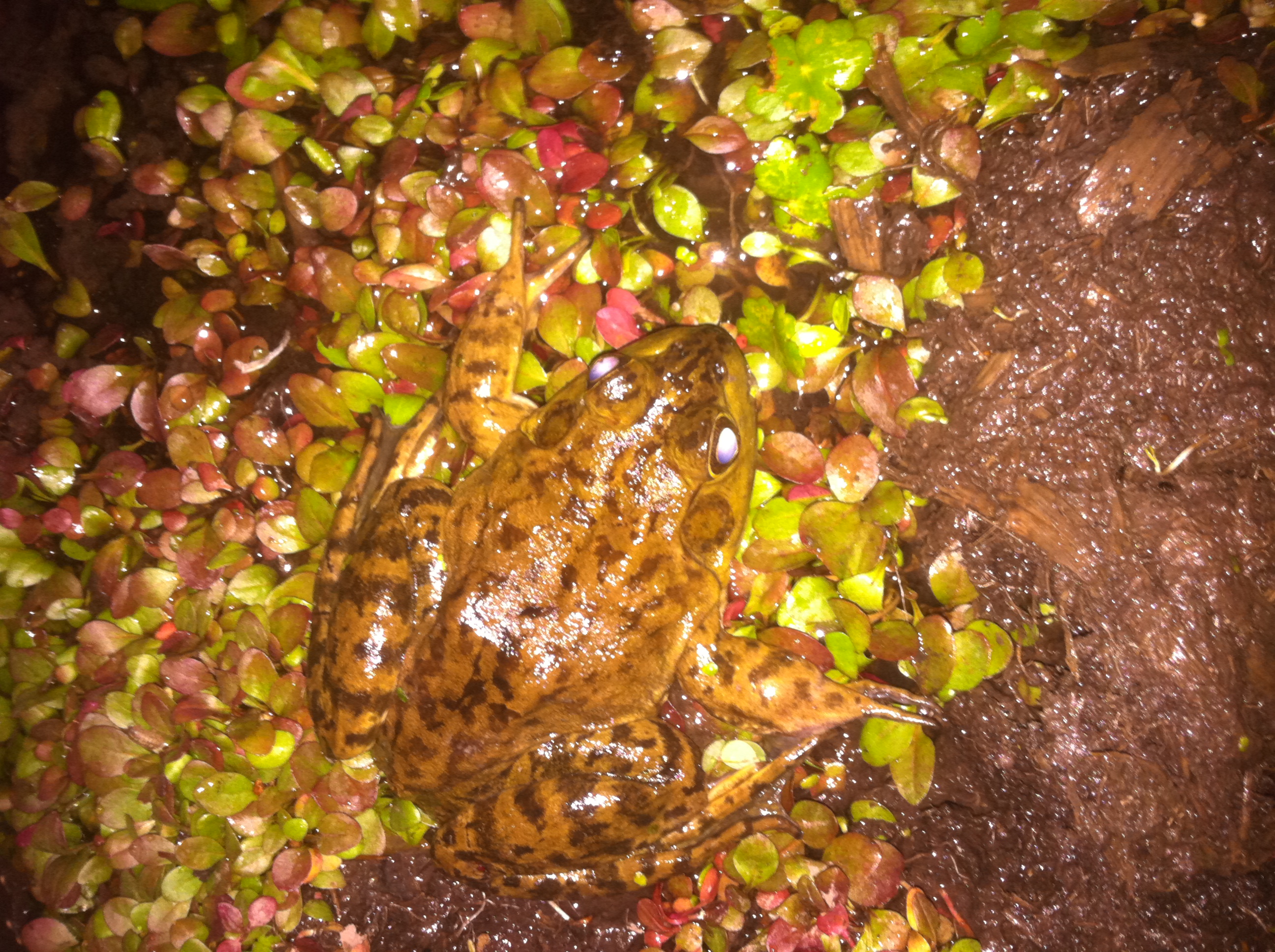
Papers & Reports Survival estimates for the invasive American Bullfrog
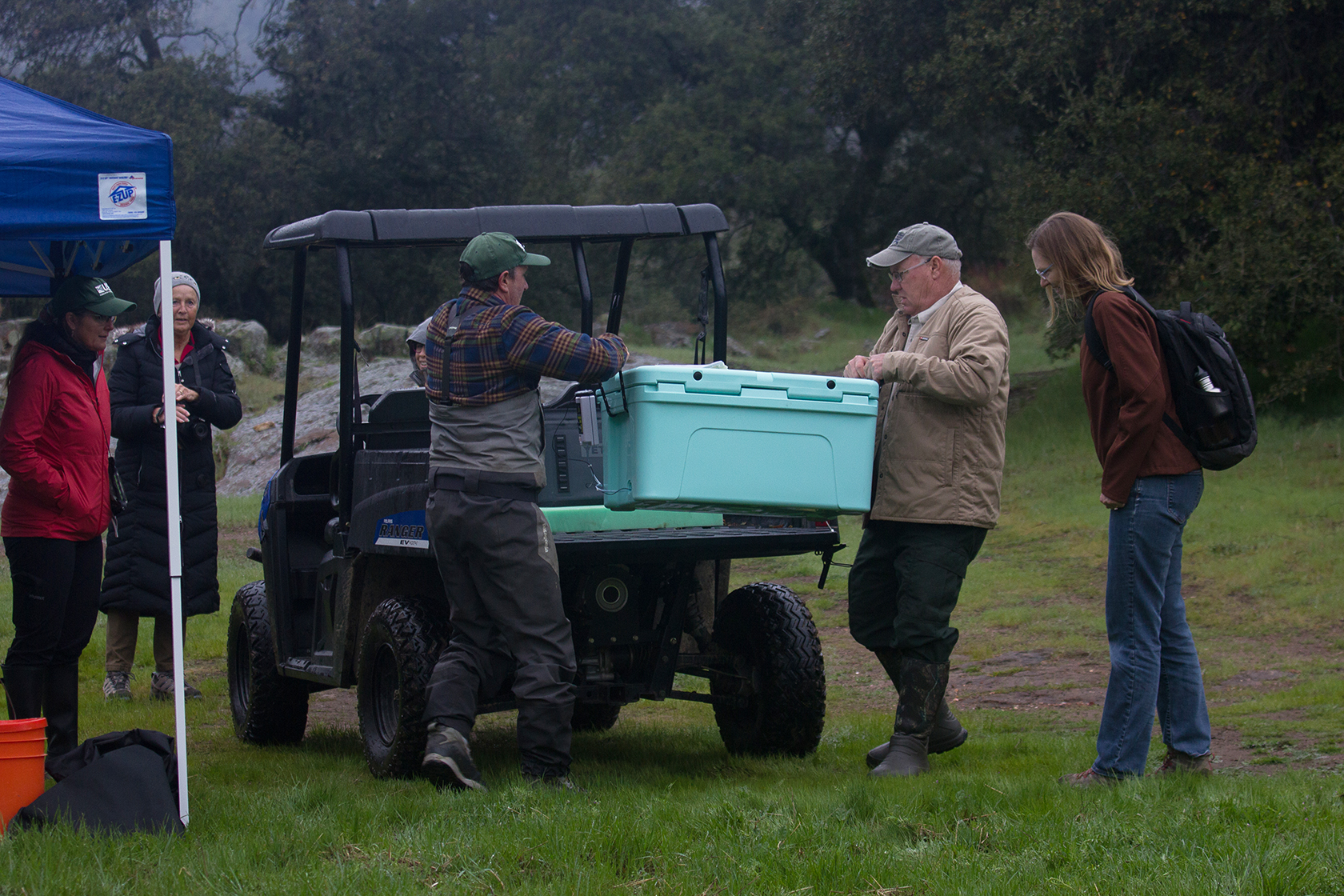
News & Stories Race to save rare California frog beats coronavirus lockdown
This week in the Los Angeles Times, ARMI biologists and Mexican biologists are highlighted in their effort to translocate eggmasses of the endangered California Red-legged Frog from San Pedro Martir range to the Santa Rosa Plateau and Santa Ana Mountains. Full article is available here: https://www.latimes.com/environment/story/2020-04-09/scientists-beat-coronavirus-lockdown-to-save-rare-california-frog
The official press release by the The San Diego Natural History Museum also covers this project (in which they play an important role): https://www.sdnhm.org/pressroom/pressroom_details/california-red-legged-frogs-returned-to-historic-range-in-southern-california/37/?utm_source=twitter&utm_medium=social&utm_term=035dad5c-1a08-40c5-b9af-94bd2ecc5a17&utm_content=&utm_campaign=usgs
We also earned a spot on the USGS Facebook page which can be seen here: https://www.facebook.com/USGeologicalSurvey/posts/3034689379910358
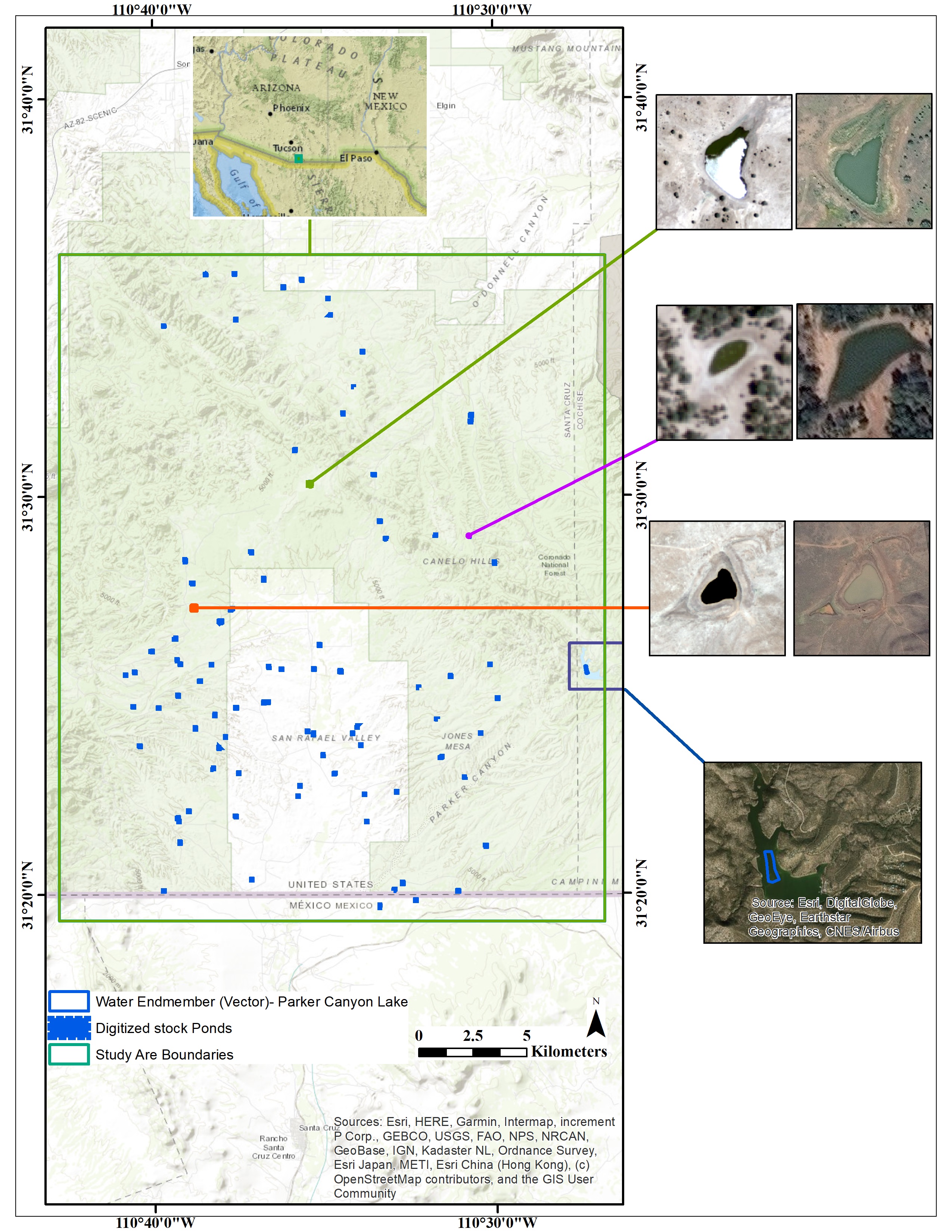
Papers & Reports Estimating inundation of small waterbodies with sub-pixel analysis of Landsat imagery: long-term trends in surface water area and evaluation of common drought indices
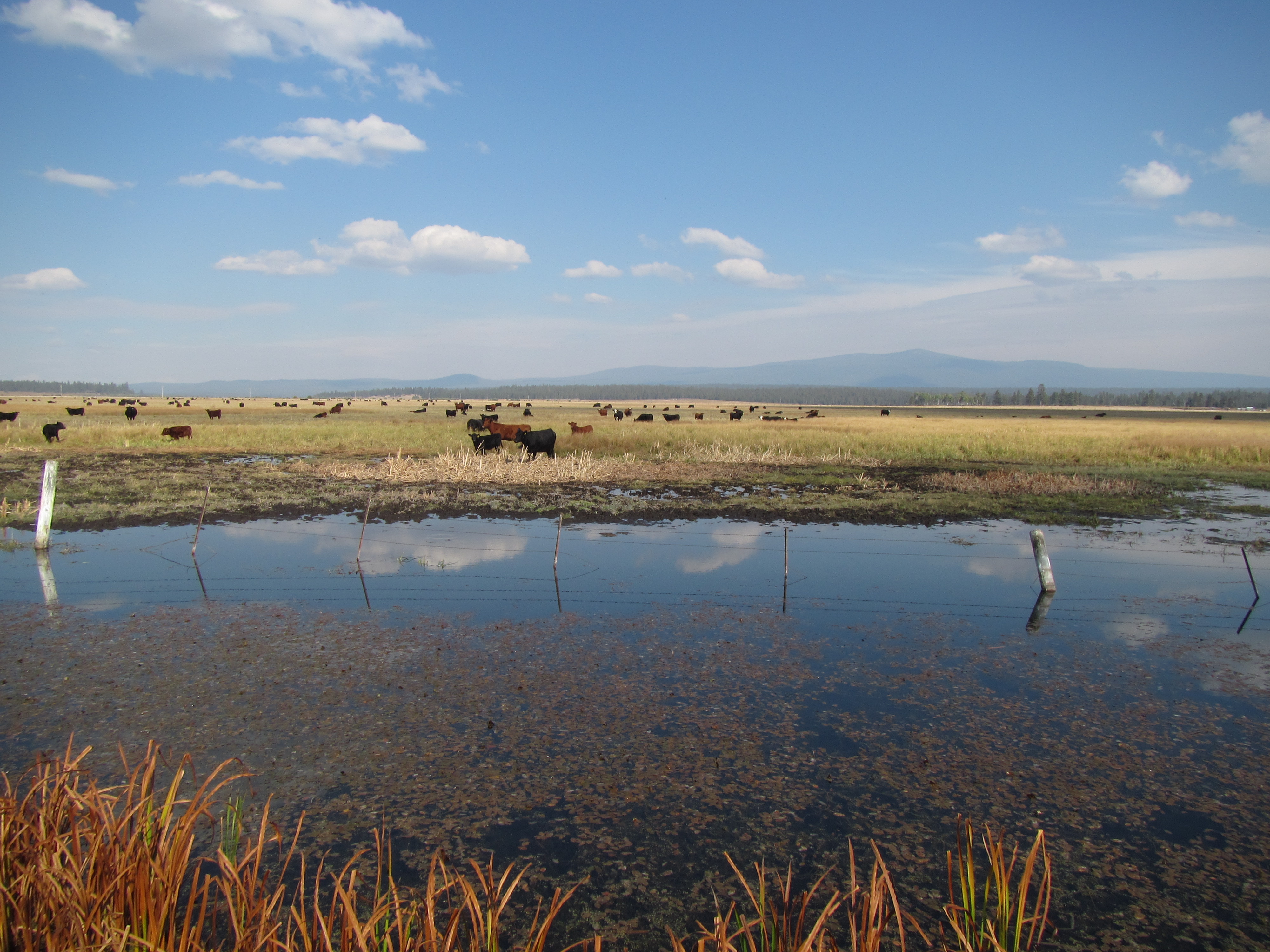
News & Stories Annotated bibliography of grazing effects on amphibians and their habitats
Livestock grazing is one of the most common land uses in the western United States, where multiple amphibians of conservation concern use habitats that are grazed. Despite the common intersection of grazing and sensitive amphibian species, there are very few reviews of research related to the issue. USGS researchers compiled and summarized literature pertaining to livestock grazing effects on amphibians and their habitats, with an emphasis on wetland-breeding species in the western United States. Users of the annotated bibliography can utilize an integrated search tool with user-defined criteria to query records and output results. This tool aids users in synthesizing research related to a range of specific questions and should assist land managers in evaluating and implementing grazing while maintaining habitat for wetland amphibians.
You can find the search tool here: https://doi.org/10.5066/P9GGPPF7
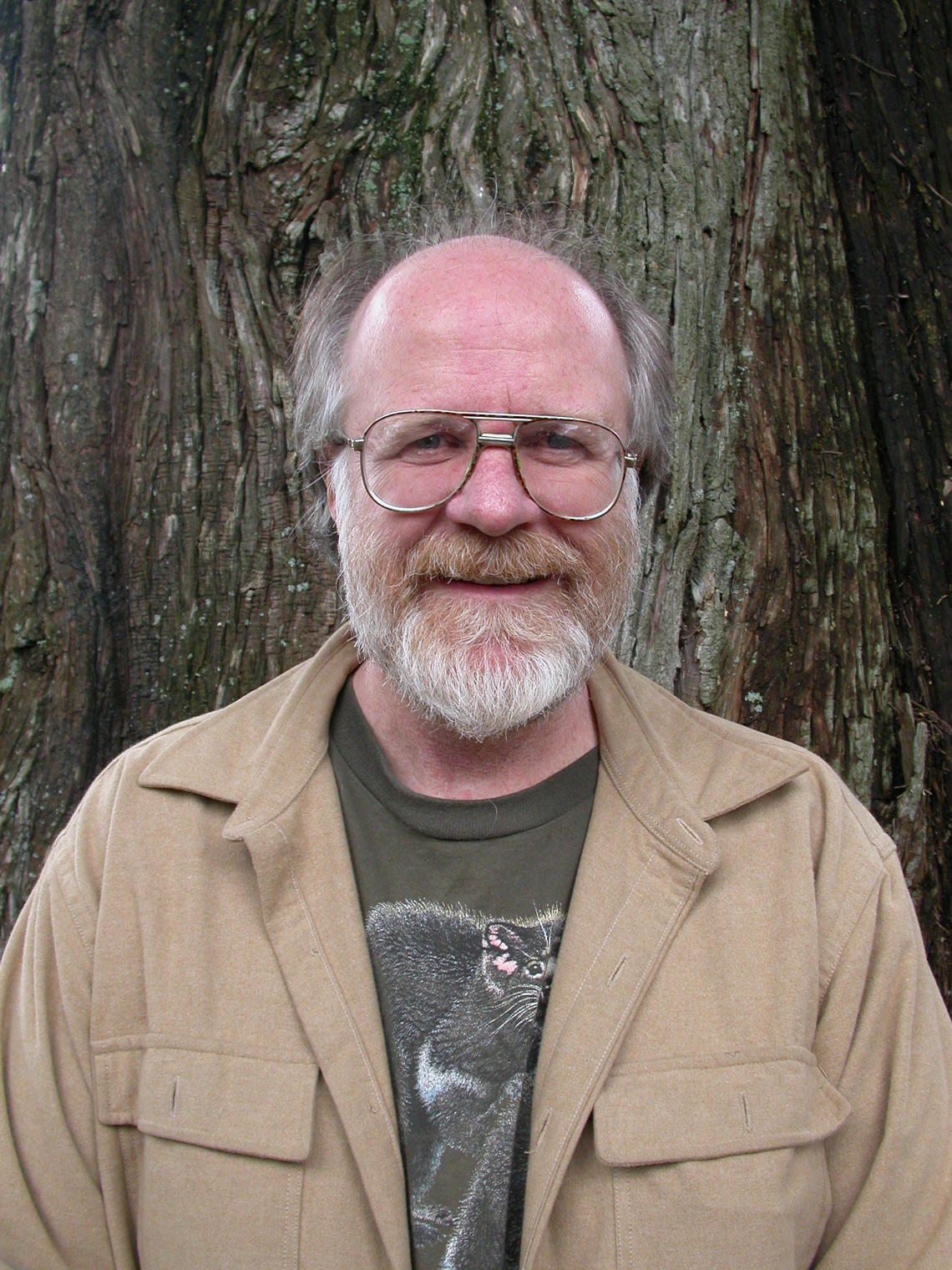
News & Stories Honoring the late Gary Fellers
SACRAMENTO, Calif. – Dr. Gary Fellers, researcher emeritus with the U.S. Geological Survey, passed away last month after a 40-year career as an ecologist with the USGS Western Ecological Science Center and the National Park Service. He was a pioneer in herpetology – the study of amphibians and reptiles – and helped bring to light the worldwide decline of amphibians. Dr. Fellers was one of the Principal Investigators for ARMI. To download his obituary that was published in Herpetological Review, please visit: https://armi.usgs.gov/docs/Gary_Fellers_obit_in_HR.pdf
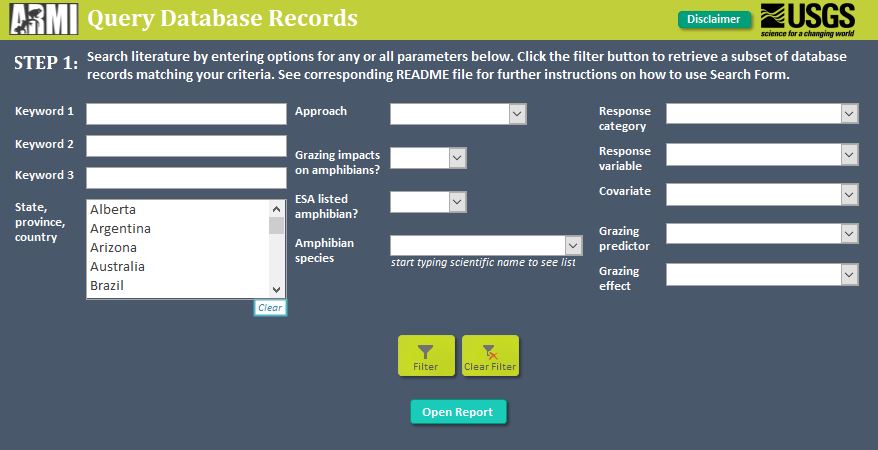
Data Release Annotated bibliography of grazing effects on amphibians and their habitats (ver. 2.0, February 2022)
Papers & Reports A Synthesis of Evidence of Drivers of Amphibian Decline

Papers & Reports A Synthesis of Evidence of Drivers of Amphibian Declines

Papers & Reports Effects of Snowpack, Temperature, and Disease on Demography in a Wild Population of Amphibians
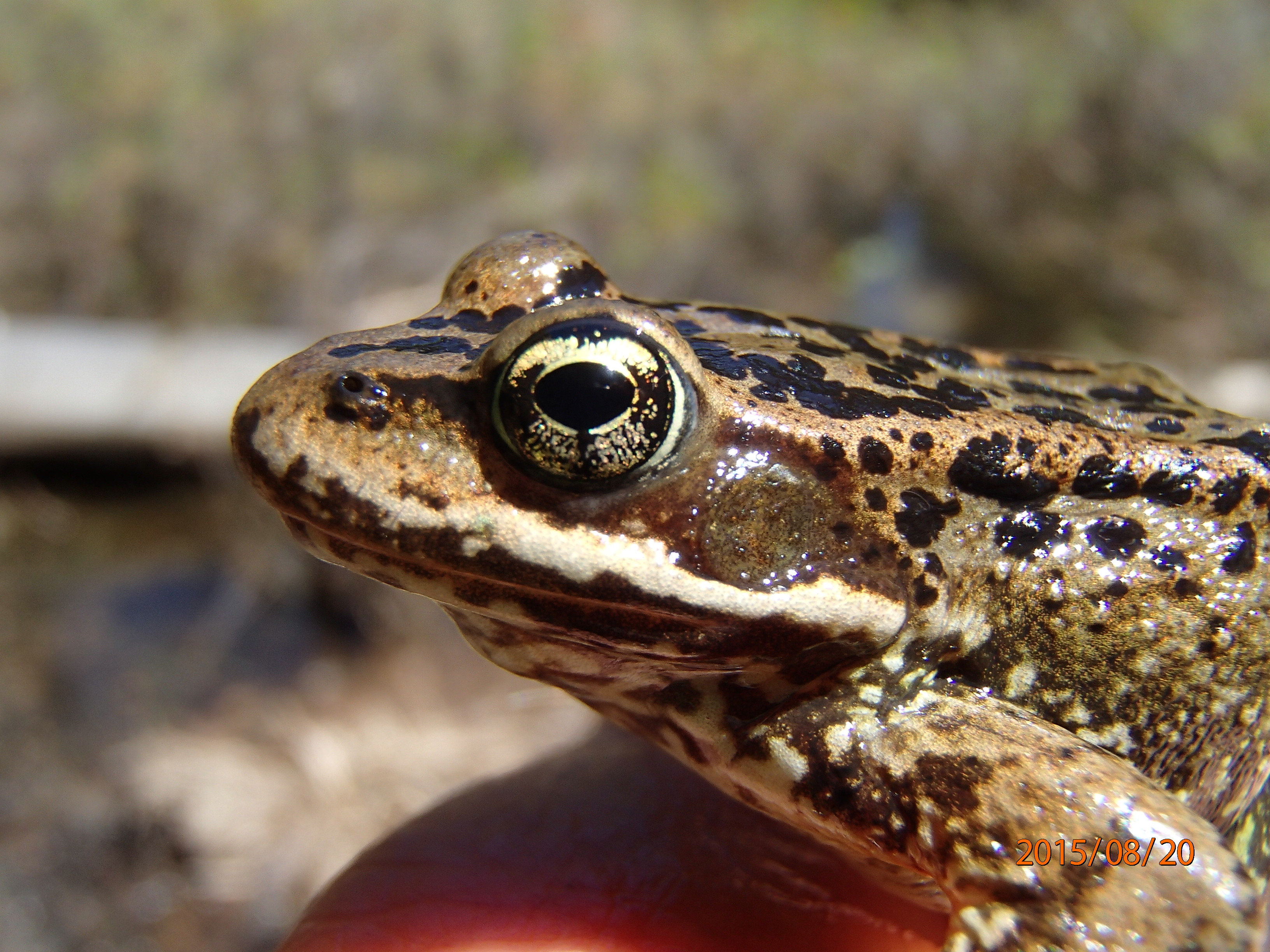
Data Release Cascades frog (Rana cascadae) historical site surveys in the Oregon Cascade Range, 2018-2019
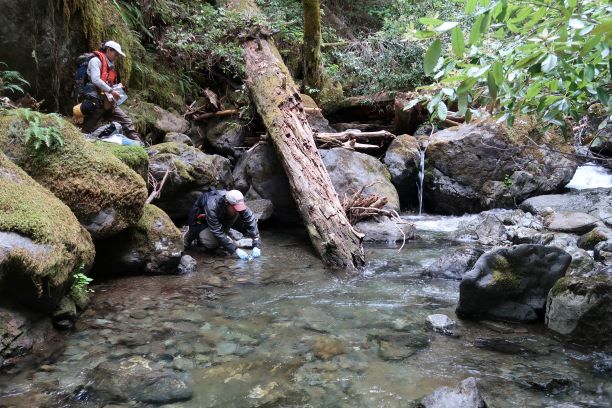
Data Release Foothill yellow-legged frog (Rana boylii) surveys in Oregon 2019
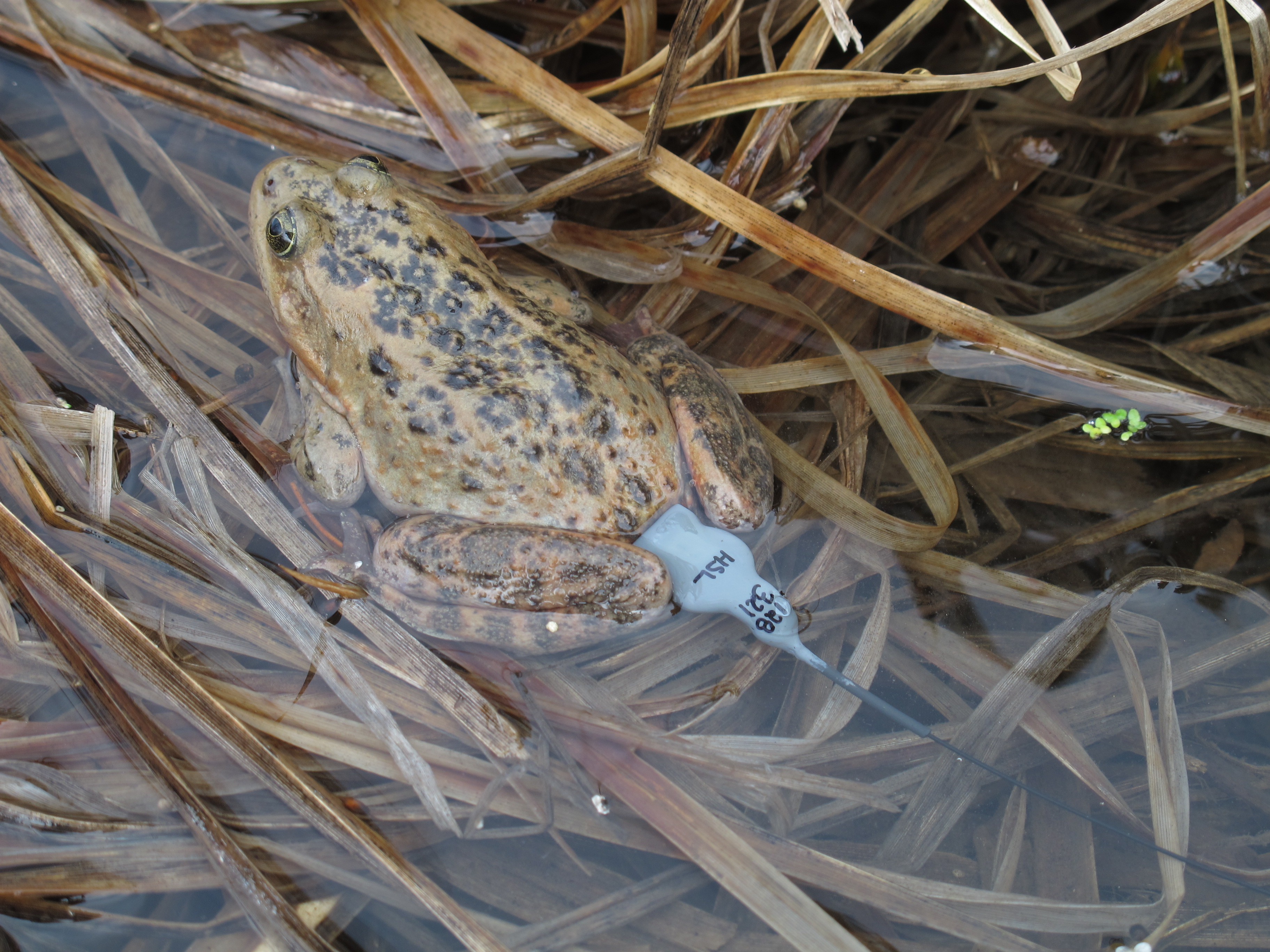
Data Release Oregon spotted frog (Rana pretiosa) telemetry and habitat use at Klamath Marsh National Wildlife Refuge in Oregon, USA
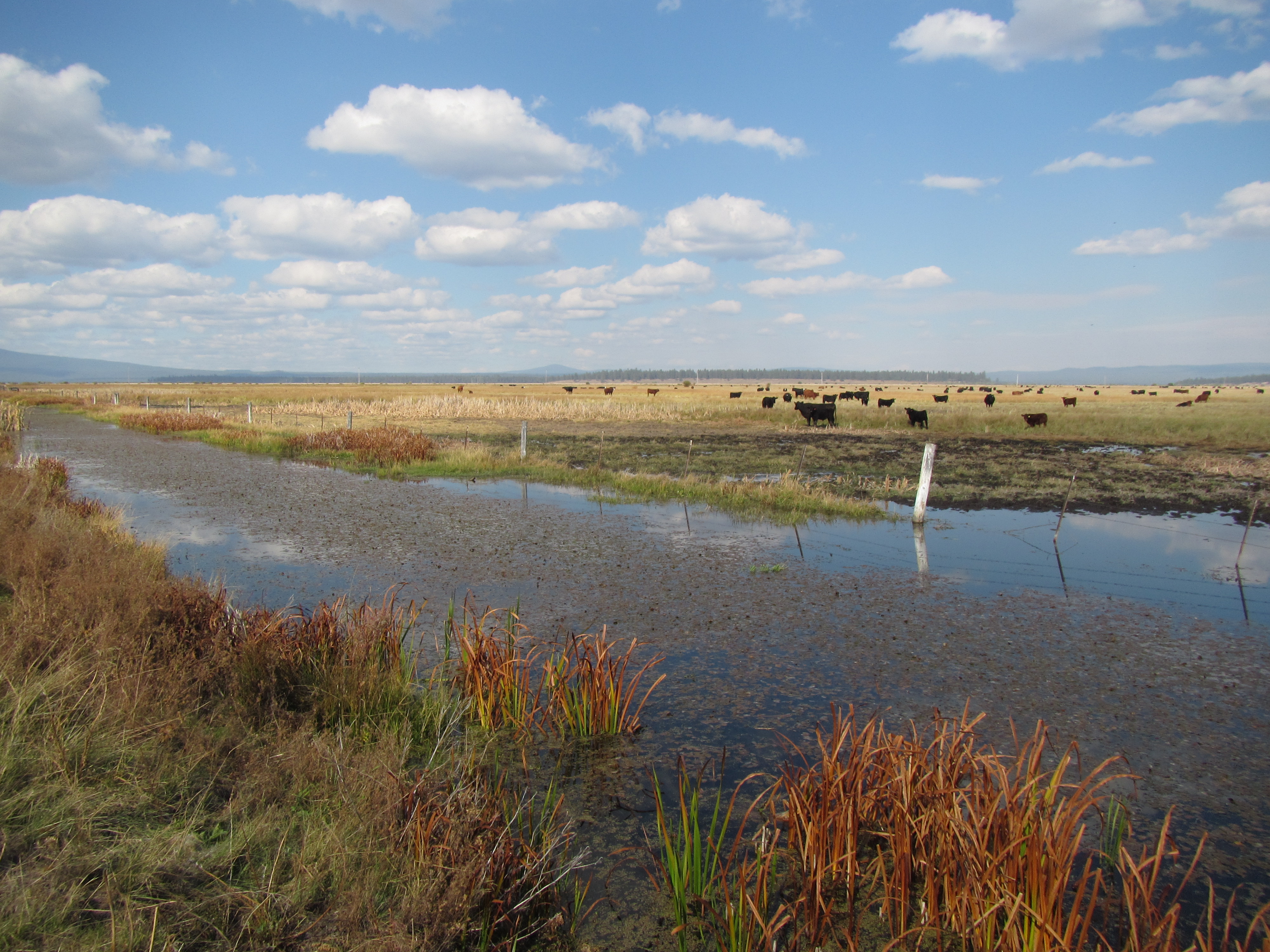
Data Release Nutrients, estrogenicity, and fecal indicators in surface water collected from wetlands in the Klamath Marsh National Wildlife Refuge, Oregon, 2017-2018
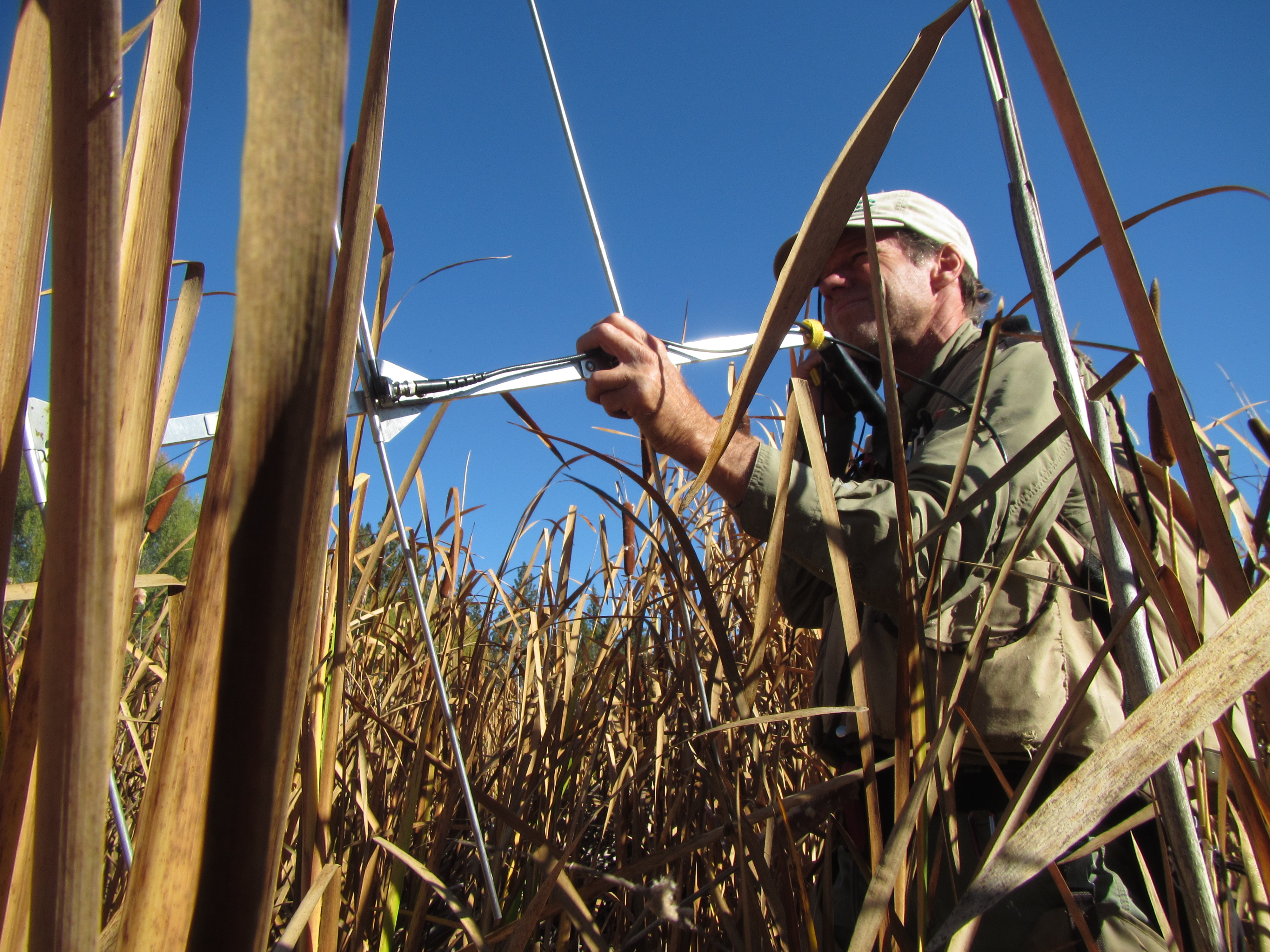
Data Release Telemetry and habitat data for Oregon spotted frogs (Rana pretiosa) in Oregon, USA
Papers & Reports Editorial: Contributions of Behavior and Physiology to Conservation Biology
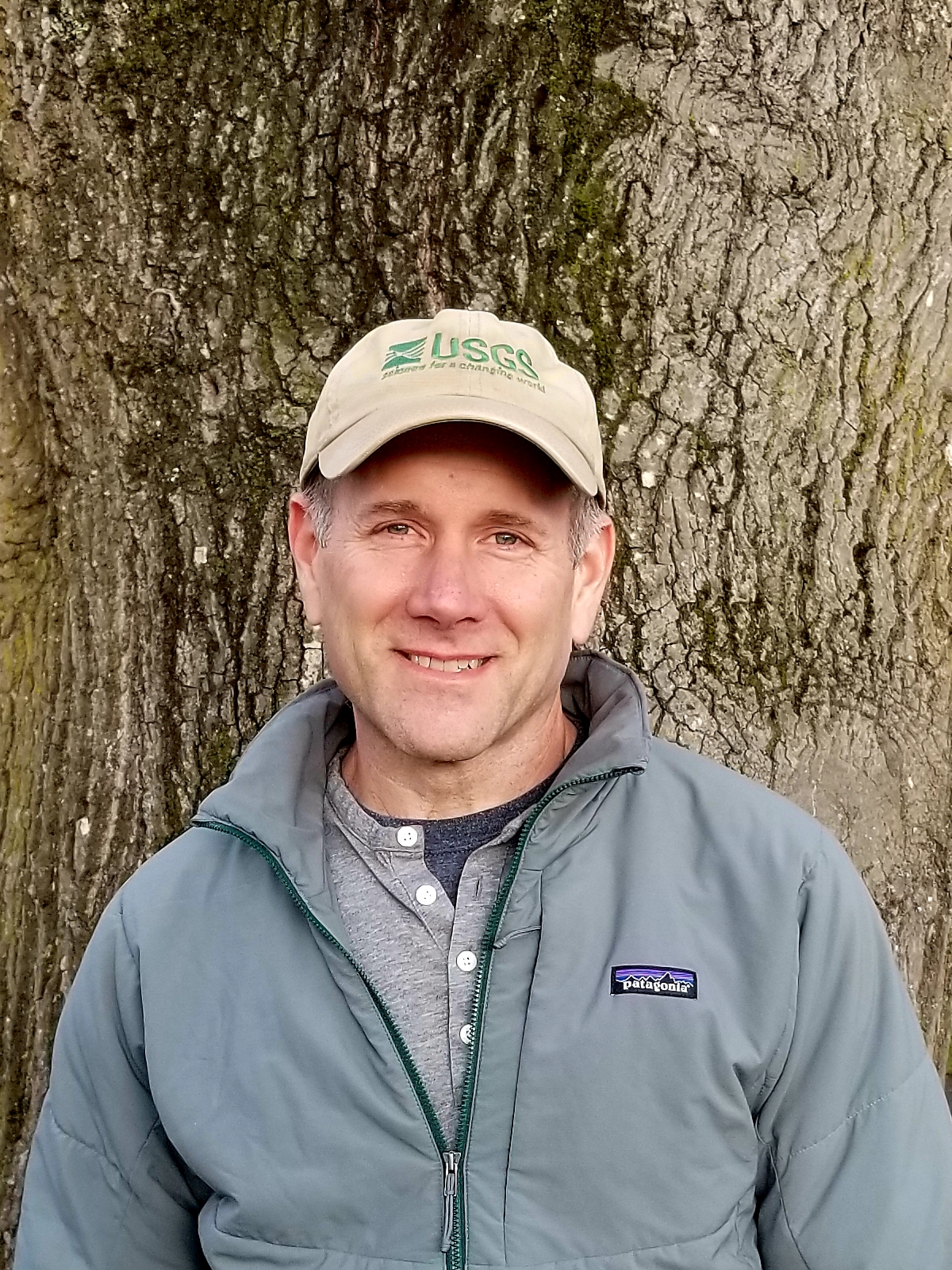
News & Stories ARMI scientist Michael Adams receives 2020 PARC honor
Dr. Michael Adams, Lead for the USGS Amphibian Research and Monitoring Initiative (ARMI) and Supervisory Research Ecologist at the USGS Forest and Rangeland Ecosystem Science Center, has been selected to receive the 2020 Partners in Amphibian and Reptile Conservation (PARC) Alison Haskell Award for Excellence in Herpetofaunal Conservation.
This award recognizes individuals in North America who exemplify extraordinary commitment to herpetofaunal conservation. The PARC Joint National Steering Committee (JNSC) was impressed with the multitude of examples that spanned local to global partnerships affecting international conservation efforts, such as serving as the Surveillance/Monitoring lead on the Bsal Task Force.
“Your ability to connect people and science at multiple levels and to facilitate key partnerships while providing rigorous science to meet local, regional, national, and international management needs in the field of amphibian ecology and conservation is indeed striking,” the JNSC letter stated.
In addition, Mike’s leadership and behind the scenes work as National Coordinator for the USGS Amphibian Research and Monitoring Initiative has been recognized as the sustaining force behind the national program, a program of excellence in science and conservation that is unparalleled by any other federal government effort and is a model for other nations.
Mike’s outstanding passion for, and dedication to, conservation of amphibians and reptiles was recognized by the JNSC through, “...your leadership, science, and collaborations. Your contributions to herpetofaunal conservation exemplifies all of our Core Values: Collaboration; Proactive Approaches; Scientific Integrity; Value in All Biodiversity; and Maintaining Optimism and fits our desire to acknowledge "unsung heroes" in herpetofaunal conservation.”
Mike will receive the award on March 20, 2020 at the North American Wildlife and Natural Resources Conference in Omaha, Nebraska.
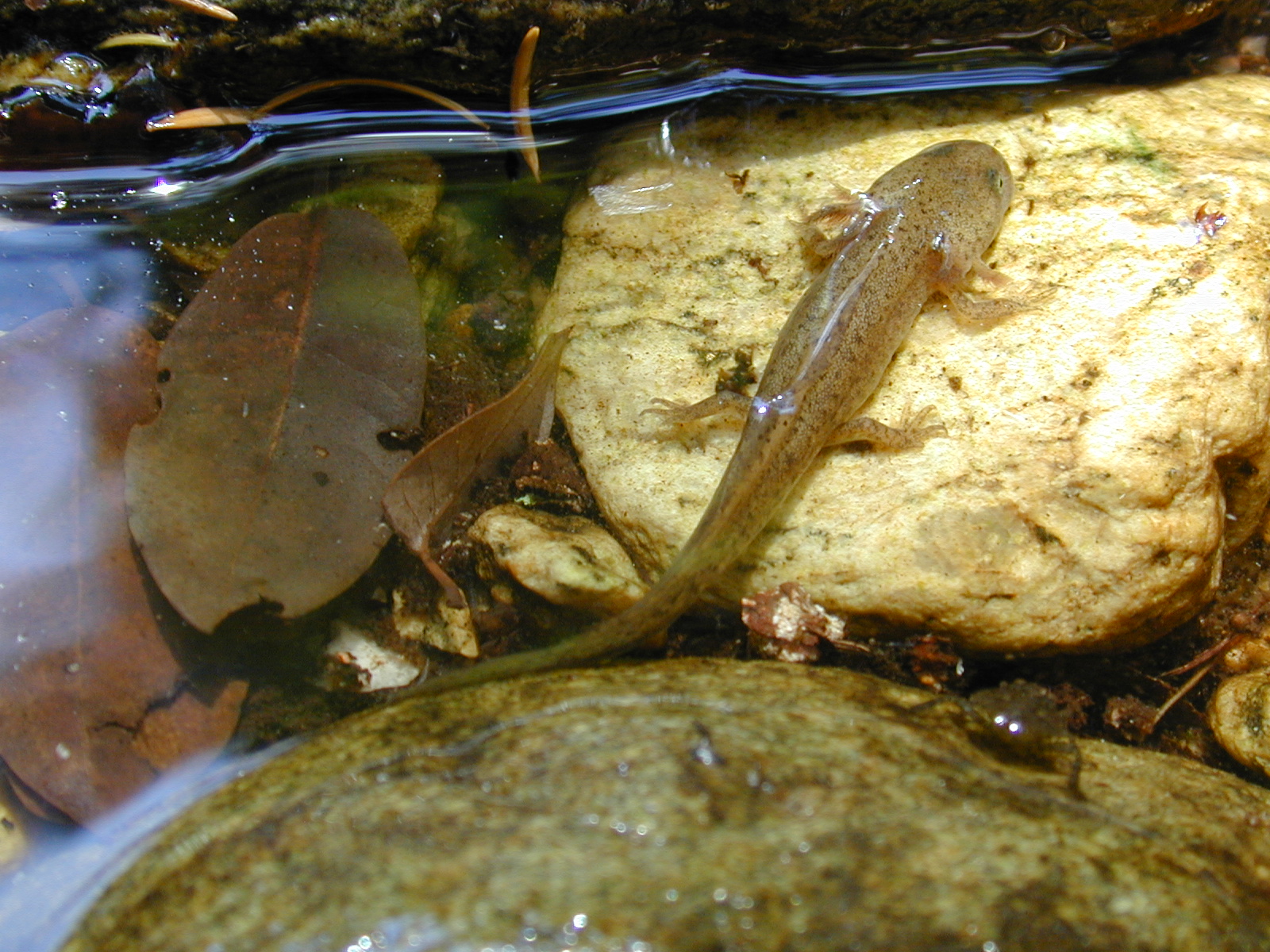
Papers & Reports Amphibian responses in the aftermath of extreme climate events
of the century. One major factor that will contribute to these extinctions is extreme climatic events.
Here, we show the ecological impacts of recent record warm air temperatures and simultaneous peak
drought conditions in California. From 2008–2016, the southern populations of a wide-ranging endemic
amphibian (the California newt, Taricha torosa) showed a 20% reduction to mean body condition and
significant losses to variation in body condition linked with extreme climate deviations. However,
body condition in northern populations remained relatively unaffected during this period. Range-wide
population estimates of change to body condition under future climate change scenarios within the
next 50 years suggest that northern populations will mirror the loss of body condition recently observed
in southern populations. This change is predicated on latter 21st century climate deviations that
resemble recent conditions in Southern California. Thus, the ecological consequences of climate change
have already occurred across the warmer, drier regions of Southern California, and our results suggest
that predicted climate vulnerable regions in the more mesic northern range likely will not provide
climate refuge for numerous amphibian communities.