Search ARMI Database
Search term(s)
Contribution Number
Search Results
1290 record(s) found.
Papers & Reports Influence of Demography and Environment on Persistence in Toad Populations
Papers & Reports Detecting spatial ontogenetic niche shifts in complex dendritic ecological networks
Papers & Reports Southeast Regional and State Trends in Anuran Occupancy from Calling Survey Data (2001-2013) from the North American Amphibian Monitoring Program
Papers & Reports Ecology and Control of an Introduced Population of Southern Watersnakes (Nerodia fasciata) in Southern California
News & Stories ARMI scientists assess the impacts of global change on U.S. wetlands
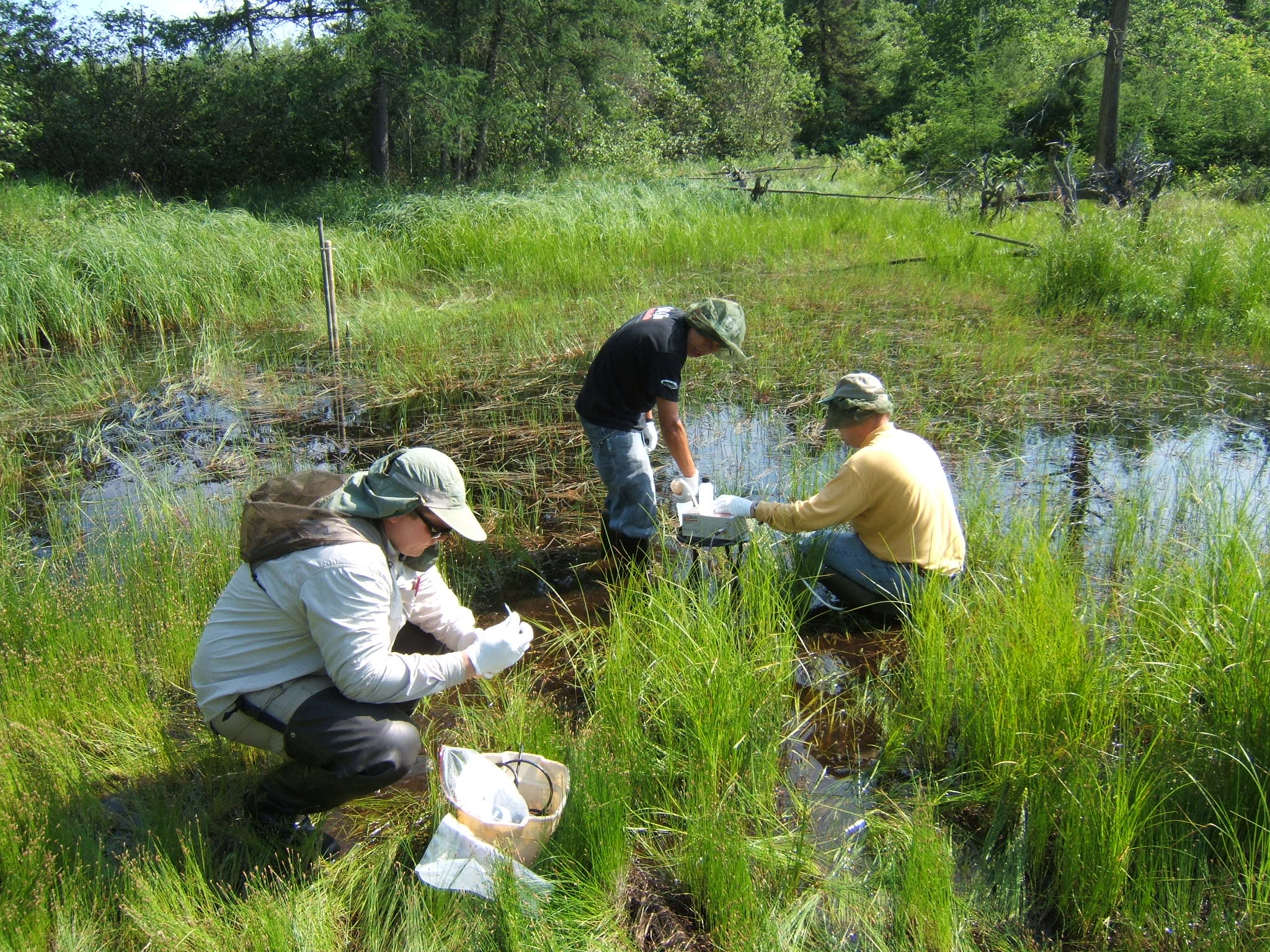
Wetlands and interconnected uplands are vitally important for human well-being and sustaining biodiversity (1-3). For example, they limit flooding, recharge ground water, filter contaminants, help regulate climate, and provide food and recreation, all of which are invaluable ecosystem services (2, 3). In addition, although wetlands per se cover only a small proportion of the earth’s surface, they support a substantially larger proportion of the world’s biodiversity by providing habitats many species require to persist across landscapes over time, including amphibians (4-7). Yet, human activities related to various land uses, the burning of fossil fuels, and the release of contaminants into the environment have reduced the quantity and quality of wetlands across the world’s ecoregions, disproportionately so relative to other land-cover types, and pose ongoing threats to remaining wetlands, the ecosystem services they provide, and the populations of amphibians and other organisms they sustain (2, 4, 5, 8, 9).
At a minimum, most U.S. amphibian species require wetlands to reproduce (6). However, as has happened in other countries, agricultural production, urban expansion, and other land uses have caused the loss or degradation of many U.S. wetlands (5, 10). Furthermore, persistent droughts in western states have caused extensive wetland desiccation recently (11) and increasingly non-stationary climate dynamics threaten to alter past patterns of wetland surface-water availability at even broader spatiotemporal scales, as well as to exacerbate effects from other global change factors (2, 12). More insidiously perhaps, the presence of pathogens that induce lethal amphibian diseases (13), or invasive species that harm native amphibians (14), essentially have caused the loss or degradation of some U.S. wetlands as viable amphibian habitat and could become more pervasive due to climate-induced changes in environmental conditions (12). Thus, assorted drivers of global change have impacted many U.S. wetlands deleteriously, with potentially widespread past, current, and future repercussions for the long-term persistence and conservation of amphibian populations (8, 9).
For these reasons, ARMI scientists and their collaborators have been assessing relations between factors associated with global change, wetland conditions, and the statuses of amphibian populations in each ARMI region across the United States. This research has been conducted most often, but not exclusively, on public lands managed by the Department of Interior and addressed questions regarding the impacts of agricultural land use, contamination due to non-agricultural chemical compounds, oil and gas production, emergent diseases, invasive species, fire, ultraviolet-B radiation (UV-B), and climate ( http://armi.usgs.gov/table1.php ). Results from these studies have shown the large extent to which the conversion of native land cover to agricultural crops resulted in wetland losses in Iowa, that wetlands in various regions often contain agricultural and non-agricultural contaminants and amphibian pathogens at levels sufficient to be injurious to amphibians or cause population declines, and that historically non-native species have invaded wetlands in some regions and effectively reduced habitat quality for populations of native amphibian species. ARMI researchers also described how effects of western wildfires on wetlands were highly variable and dependent upon wetland characteristics and burn severity whereas levels of dissolved organic carbon in most study wetlands were sufficient to attenuate UV-B rapidly and reduce threats to amphibians in the water. In addition, ARMI scientists studying the impacts of variable climate dynamics on wetland surface-water availability have characterized key relations that underlay the vulnerability of many wetlands and, in turn, amphibian populations to climate change.
Wetlands are fundamentally important natural resources that are vulnerable to the forces of global change (4, 5). As part of assessing the statuses of U.S. amphibian populations and causes of declines (15), ARMI scientists have measured how various drivers of global change have altered the quantity and quality of wetlands in different parts of the country. Results from such research provide resource managers and other stakeholders a unique set of information relevant for conserving wetlands and amphibians both regionally and nationally. They also help to address a larger national need for scientific information on the availability of surface waters for sustaining key ecological processes and providing vital ecosystem services in the face of global change. For more information on ARMI wetlands research in specific areas of the country, please contact the individuals listed in Table 1 ( http://armi.usgs.gov/table1.php ) or peruse relevant ARMI publications ( http://armi.usgs.gov/search/index.php ).
Literature cited
- Gibbons JW. 2003. Terrestrial habitat: a vital component for herpetofauna of isolated wetlands. Wetlands 23(3):630-635.
- Millennium Ecosystem Assessment. 2005. Ecosystems and Human Well-being: Wetlands and Water Synthesis. World Resources Institute. Washington, D.C. 68 pages.
- Zedler JB. 2003. Wetlands at your service: reducing impacts of agriculture at the watershed scale. Frontiers in Ecology and the Environment 1(2):65-72.
- Dudgeon D, Arthington AH, Gessner MO, Kawabata ZI, Knowler DJ, et al. 2006. Freshwater biodiversity: importance, threats, status and conservation challenges. Biological Review 81:163-182.
- Zedler JB, Kercher S. 2005. Wetland resources: status, trends, ecosystem services, and restorability. Annual Review of Environmental Resources 30:39-74.
- Lannoo ML, Gallant AL, Nanjappa P, Blackburn L, Hendricks R. 2005. Introduction. In: Amphibian Declines: The Conservation Status of United States Species. ML Lannoo (ed). University of California Press. Berkeley and Los Angeles, California. 1094 pages.
- Gibbons JW, Winne CT, Scott DE, Willson JD, Glaudas X, et al. 2006. Remarkable amphibian biomass and abundance in an isolated wetland: implications for wetland conservation. Conservation Biology 20(5):1457-1465.
- Hof C, Araujo, MB, Jetz W, Rahbek C. 2011. Additive threats from pathogens, climate, and land-use change for global amphibian diversity. Nature 480:515-519.
- Wake DB. 2012. Facing extinction in real time. Science 335:1052-1053.
- Gallant AL, Sadinski W, Roth MF, Rewa CA. 2011. Changes in historical Iowa land cover as context for assessing the environmental benefits of current and future conservation efforts on agricultural lands. Journal of Soil and Water Conservation 66(3):67A-77A.
- McMenamin SK, Hadly EA, Wright CK. 2008. Climatic change and wetland desiccation cause amphibian decline in Yellowstone National Park. Proceedings of the National Academy of Sciences of the United States of America 105(44):16988-16993.
- Rahel FJ, Olden JD. 2008. Assessing the effects of climate change on aquatic invasive species. Conservation Biology 22(3):521-533.
- Muths E, Corn PS, Pessier AP, Green DE. 2003. Evidence for disease-related amphibian decline in Colorado. Biological Conservation 110:357-365.
- D’Amore A, Kirby E, McNicholas M. 2009. Invasive species shifts ontogenetic resource partitioning and microhabitat use of a threatened native amphibian. Aquatic Conservation: Marine and Freshwater Ecosystems 19(5):534-541.
- Adams MJ, Miller DAW, Muths E, Corn PS, Grant EHC, et al. 2013. Trends in amphibian occupancy in the United States. PLoS ONE 8(5): e64347.doi:10.1371/journal.pone.0064347.
Papers & Reports Estimating abundance in the presence of species uncertainty
News & Stories Invasive Amphibian Fungus Could Threaten US Salamander Populations
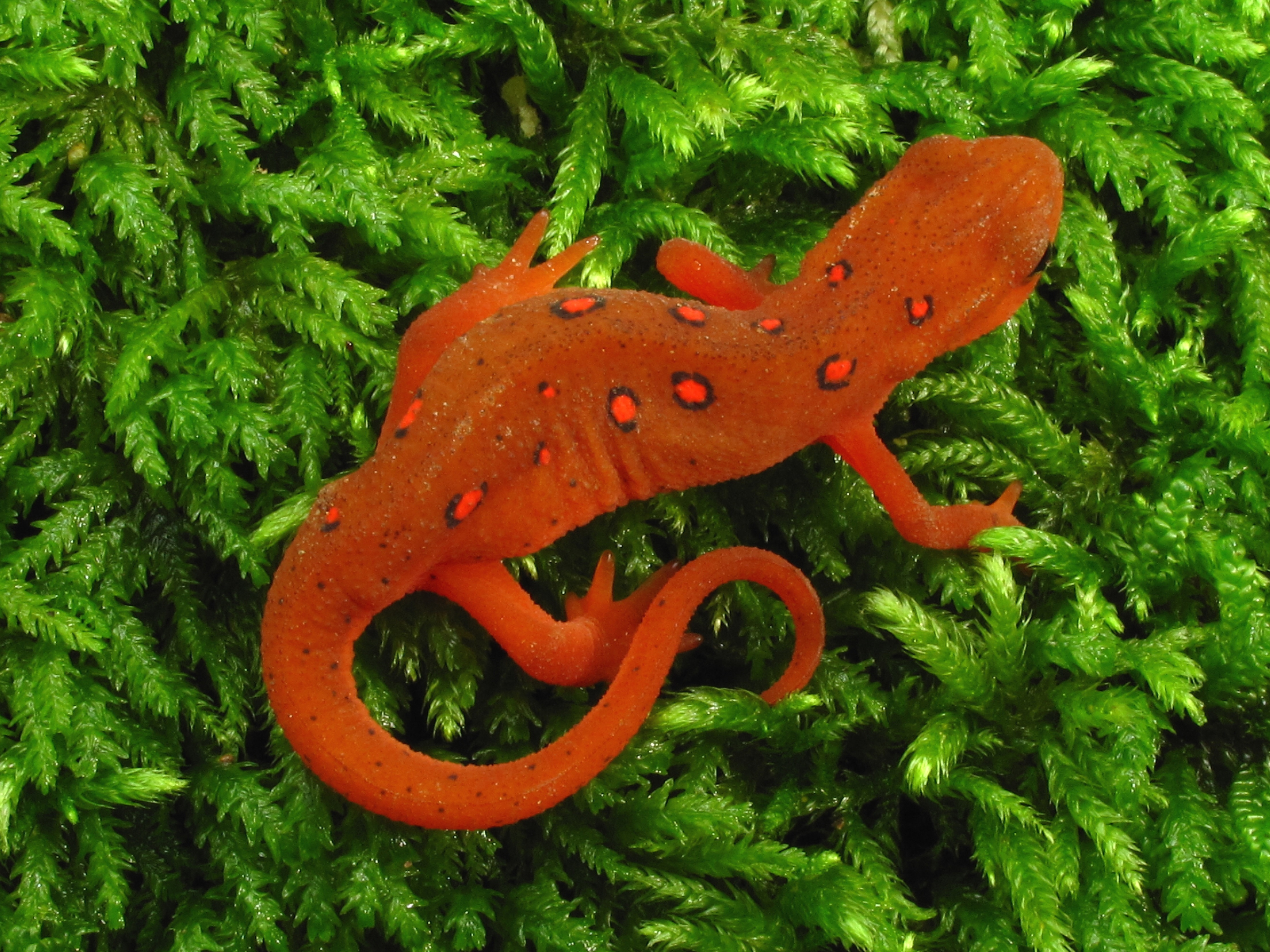
A deadly fungus causing population crashes in wild European salamanders could emerge in the United States and threaten already declining amphibians here, according to a recent USGS report.
The Department of the Interior is working proactively to protect the nation’s amphibians. The USGS report highlights cooperative research and management efforts needed to develop and implement effective pre-invasion and post-invasion disease-management strategies if Batrachochytrium salamandrivorans (Bsal) enters and affects salamanders within the United States. In January, the United States Fish and Wildlife Service published a rule listing 201 salamander species as injurious under the Lacey Act, which will reduce the likelihood of introduction of Bsal into the country.
Although Bsal has not yet been found in wild U.S. salamander populations, scientists caution it is likely to emerge here because of the popularity of captive salamanders as household pets, in classrooms and in zoos; the captive amphibian trade is a known source of salamanders afflicted with the fungus.
Amphibians are the most endangered groups of vertebrates worldwide, with another fungus closely related to Bsal(Bd) contributing to amphibian die-offs and extinctions globally over the last two decades.
“Based on the kinds of species affected and the fact that the United States has the highest salamander diversity in the world, this new pathogen is a major threat with the potential to exacerbate already severe amphibian declines,” said Evan Grant, ARMI biologist and lead author of the USGS report. “We have the unusual opportunity to develop and apply preventative management actions in advance.”
Bsal was first identified in 2013 as the cause of mass wild salamander die-offs in the Netherlands and Belgium. Captive salamander die-offs due to Bsal have occurred in the United Kingdom and Germany. Scientists believe Bsal originated in Asia and spread to wild European populations through the import and export of salamanders.
The USGS brought together scientists and managers from federal and state agencies that oversee resource conservation and management to identify research needs and management responses before Bsal arrives and becomes entrenched in the country. USGS, the USFWS, U.S. Forest Service, U.S. Department of Defense, National Park Service, zoos, and U.S. and international universities participated in the Bsal workshop.
Key findings in the report include:
-
Bsal is highly likely to emerge in U.S. populations of wild salamanders through imports of potentially infected salamanders.
-
Management actions targeted at Bsal containment after arrival in the United States may be relatively ineffective in reducing its spread.
-
A coordinated response, including rapid information sharing, is necessary to plan and respond to this potential crisis.
-
Early detection of Bsal at key amphibian import locations, in high-risk wild populations, and in field-collected samples is necessary to quickly and effectively implement management responses.
The workshop and Open-File Report were supported by USGS ARMI and the USGS Powell Center for Analysis and Synthesis.
To read the report, go to: http://dx.doi.org/10.3133/ofr20151233

News & Stories ARMI gave IGNITE talks in Washington D.C.
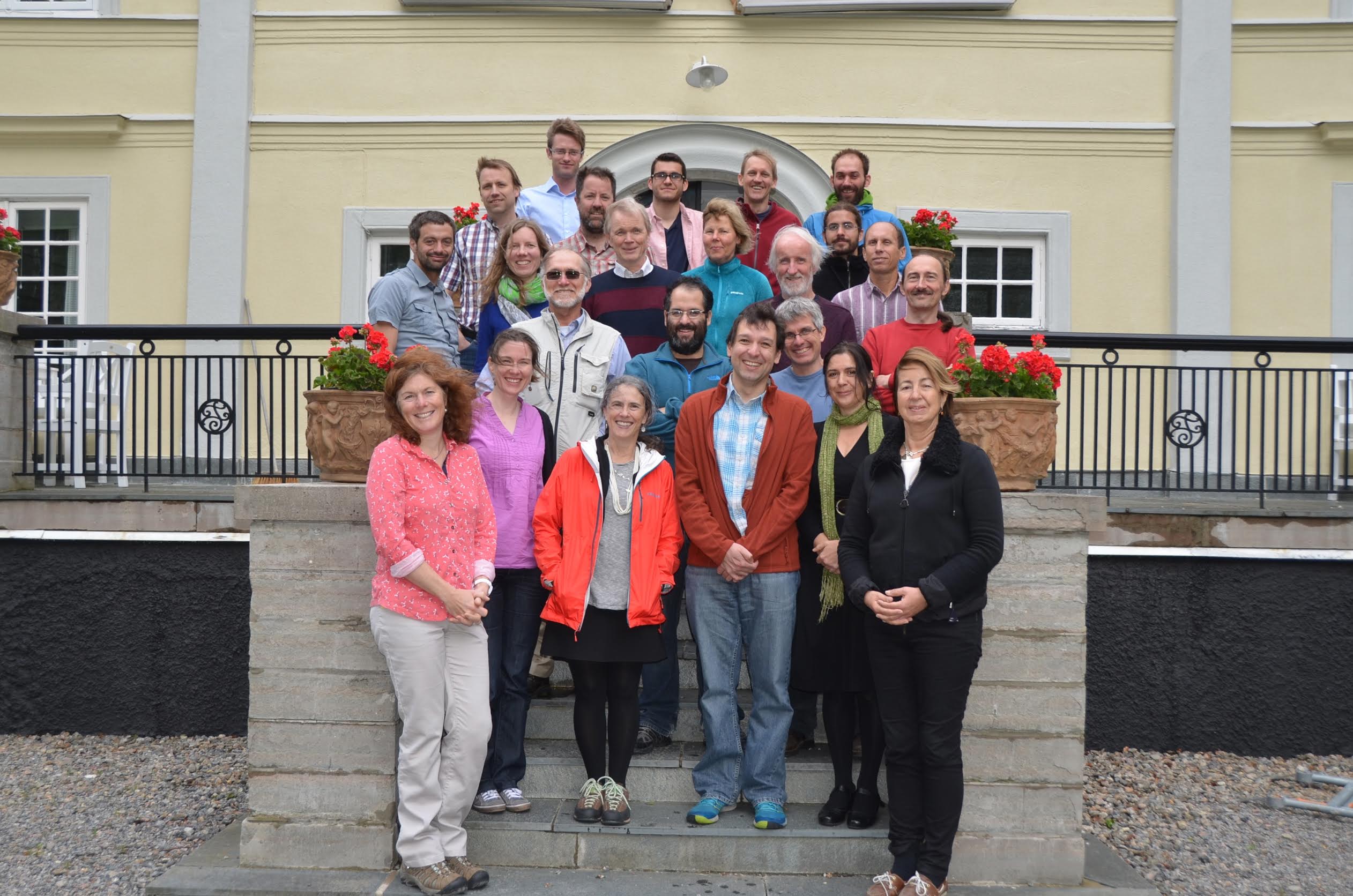
The scientists of The Amphibian Research and Monitoring Initiative traded their field clothes for suits in December. Seven ARMI scientists gave presentations to partners and amphibian enthusiasts from the Department of Interior and other Federal Agencies at the Main Interior Building just off the Washington D.C. Mall on December 4th2015. The five-minute presentations were made in an “Ignite” style which means that each speaker has only 20 slides that advance automatically every 15 seconds. These talks were entertaining and dynamic, and packed with information about topics as diverse as the salamander chytrid fungus, contaminants, oil and gas, synthetic approaches to catalyze understanding of amphibian declines, reintroduction successes, and innovative ways to move conservation decision-making forward. Following the Ignite session, the Association of Fish & Wildlife Agencies, Amphibian Survival Alliance, and Amphibian and Reptile Conservancy sponsored a short reception. The reception was designed to encourage follow-up conversation among ARMI scientists and partners with the aim of developing relationships and talking about goals and needs that might be addressed by ARMI. A number of new collaborations are now in development. This event at Main Interior was in conjunction with the annual ARMI meeting that was held at the Smithsonian Institution National Museum of Natural History, hosted by Dr. Roy McDiarmid, a 2015 “Friend of ARMI”.
Papers & Reports Trace Elements in Stormflow, Ash, and Burned Soil Following the 2009 Station Fire in Southern California
Papers & Reports STATUS OF THE CALIFORNIA RED-LEGGED FROG (RANA DRAYTONII) IN THE STATE OF BAJA CALIFORNIA, MEXICO
Papers & Reports Uncertainty in biological monitoring: a framework fordata collection and analysis to account for multiplesources of sampling bias
Papers & Reports Notes on the Distribution of Tiger Salamanders (presumed <i>Ambystoma mavortium stebbinsi</i>) in Sonora, Mexico
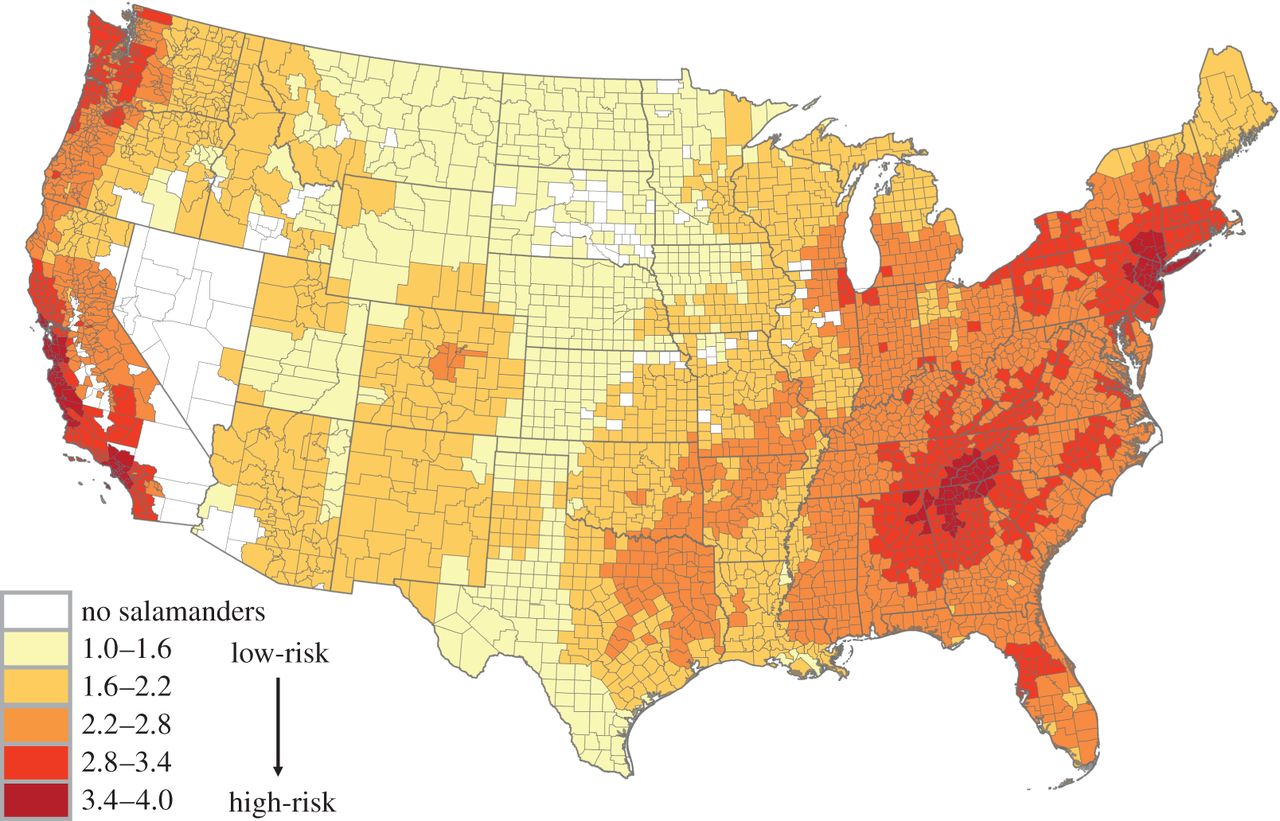
Papers & Reports Spatial variation in risk and consequence of Batrachochytrium salamanderivorans introduction in the United States
Papers & Reports Movement and True Survival of a Stream Amphibian in Relation to Sediment and Culvert Design

Papers & Reports Integrating biology, field logistics, and simulations to optimize parameter estimation for imperiled species
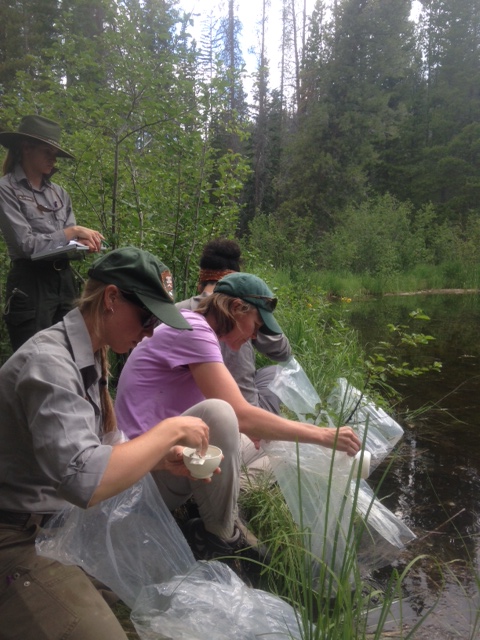
Papers & Reports A Model to Inform Management Actions as a Response to Chytridiomycosis-Associated Decline
Papers & Reports Using Bayesian population viability analysis to define relevant conservation objectives
face of uncertainty. An important component of adaptive management is identifying clear,
measurable conservation objectives that reflect the desired outcomes of stakeholders. A common
objective is to have a sustainable population, or metapopulation, but it can be difficult to quantify
a threshold above which such a population is likely to persist. We performed a Bayesian
metapopulation viability analysis (BMPVA) using a dynamic occupancy model to quantify the
characteristics of two wood frog (Lithobates sylvatica) metapopulations resulting in sustainable
populations, and we demonstrate how the results could be used to define meaningful objectives
that serve as the basis of adaptive management. We explored scenarios involving
metapopulations with different numbers of patches (pools) using estimates of breeding
occurrence and successful metamorphosis from two study areas to estimate the probability of
quasi-extinction and calculate the proportion of vernal pools producing metamorphs. Our results
suggest that >50 pools are required to ensure long-term persistence with approximately 16% of
pools producing metamorphs in stable metapopulations. We demonstrate one way to incorporate
the BMPVA results into a utility function that balances the trade-offs between ecological and
financial objectives, which can be used in an adaptive management framework to make optimal,
transparent decisions. Our approach provides a framework for using a standard method (i.e.,
PVA) and available information to inform a formal decision process to determine optimal and
timely management policies.