Search ARMI Database
Search term(s)
Contribution Number
Search Results
1290 record(s) found.
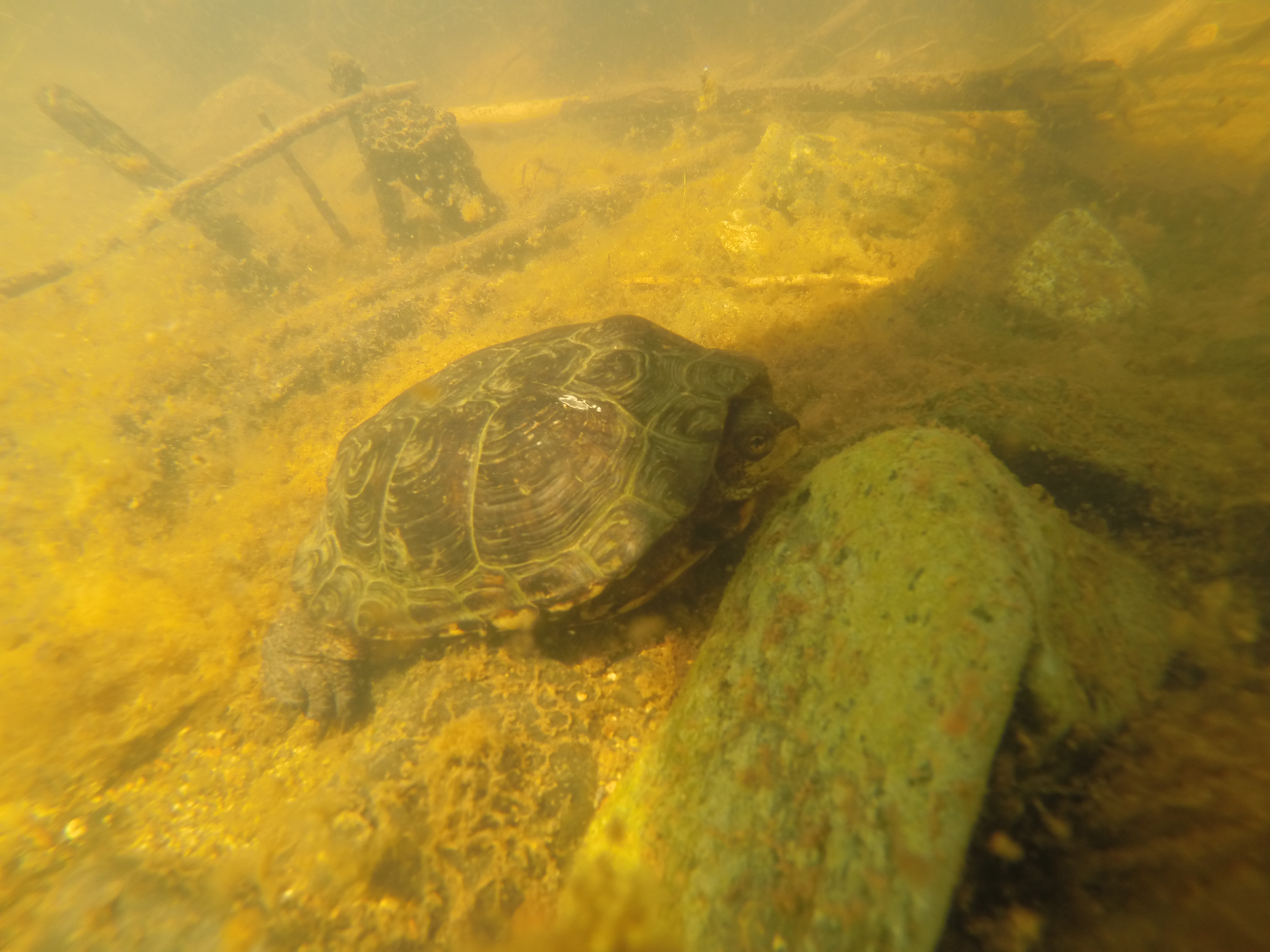
Papers & Reports Herpetological monitoring and assessment on the Trinity River in Trinity County, California: Final Report
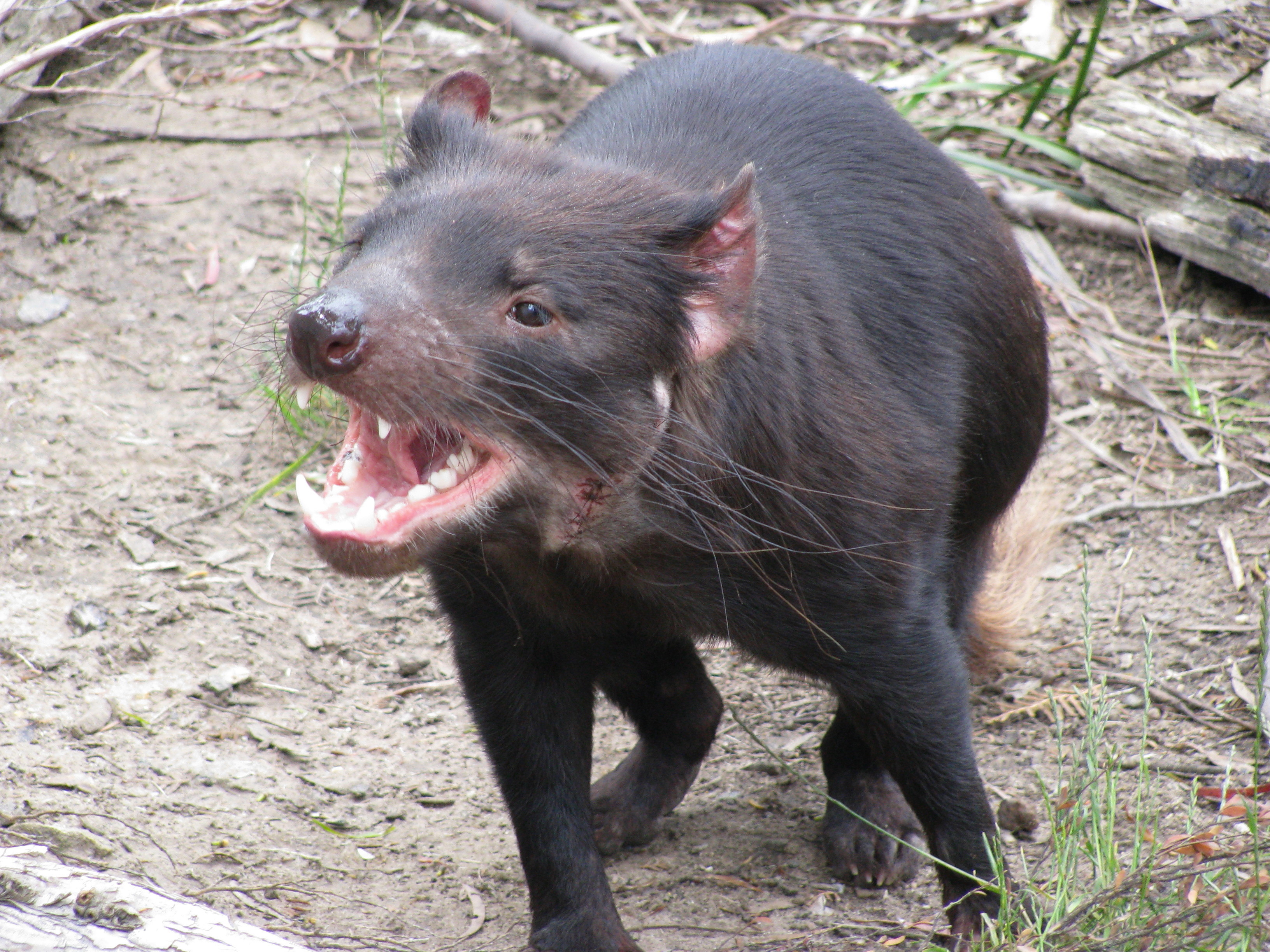
Papers & Reports Why you cannot ignore disease when you reintroduce animals. In: Reintroduction of Fish and Wildlife Populations
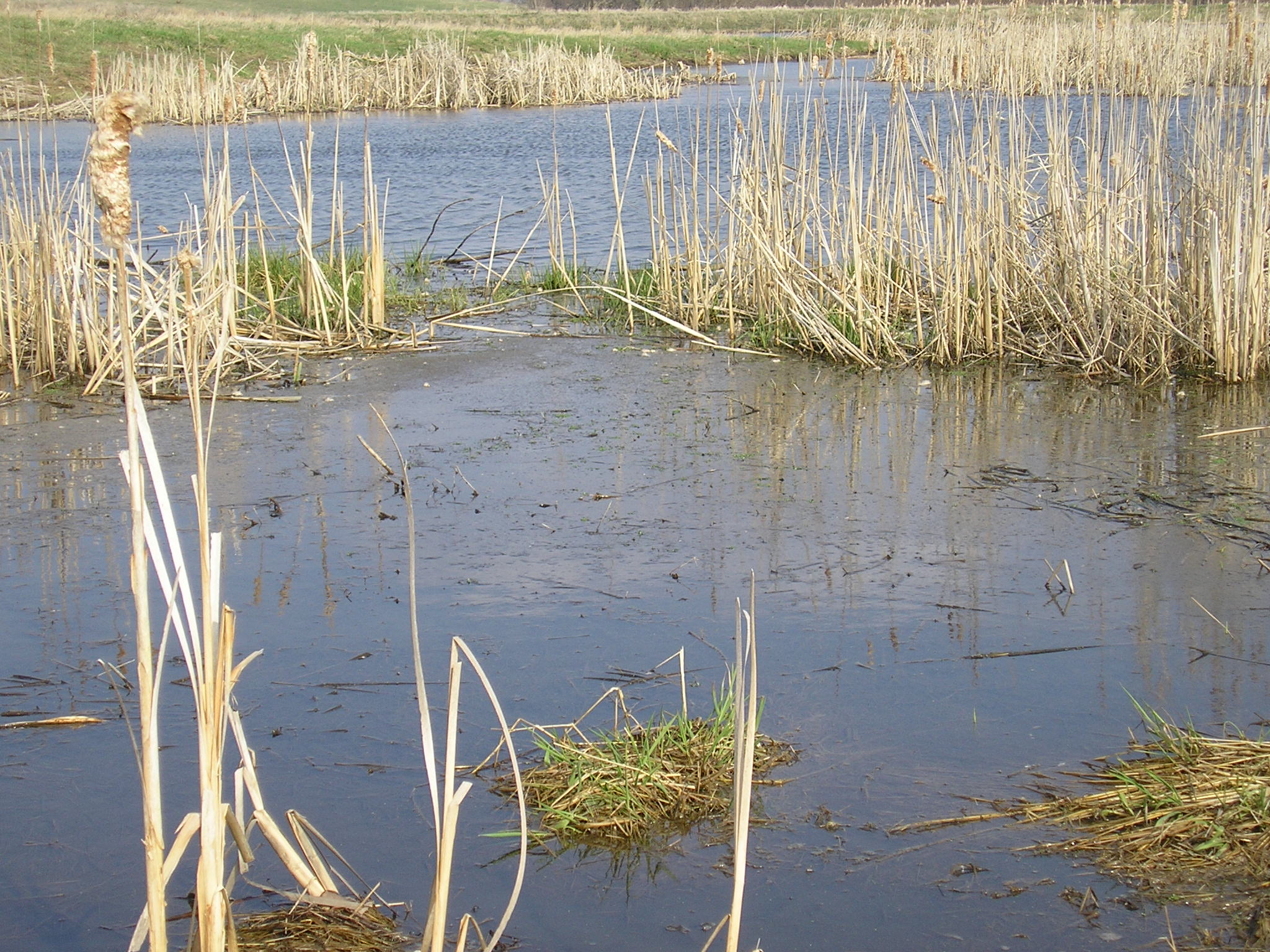
Papers & Reports Restored agricultural wetlands in central Iowa: habitat quality and amphibian response
Papers & Reports An alternative framework for responding to the amphibian crisis
Papers & Reports Spatial Capture-Recapture: a Promising Method for Analyzing Data Collected Using Artificial Cover Objects
Papers & Reports Elevational speciation in action? Restricted gene flow associated with adaptive divergence across an altitudinal gradient

Papers & Reports How spatio-temporal habitat connectivity affects amphibian genetic structure
Papers & Reports Estimating occupancy dynamics for large-scale monitoring networks: amphibian breeding occupancy across protected areas in the northeast U.S

News & Stories Salamander chytrid fungus working group; June 2015
The salamander chytrid fungus (Batrachochytrium salamandrivorans; Bsal) was described in 2014, when die-offs in fire salamander (Salamandra salamandra) populations were reported in Europe. Susceptibility to this pathogen varies, but lethality is indicated in the families Salamandridae and Plethodontidae and members of both families occur in the US. Based on this endemicity, the discontinuity of the global incidence of Bsal, and the popularity of salamanders as pets, the emergence of this pathogen in Europe is presumed to have originated via the pet trade.
Over 28 million amphibians were imported in the US over a 6 year period during the last decade and that importation rate has not declined. Thus, there is serious concern that the disease may be introduced into the US in the near future, if it is not already present. This is particularly alarming because the eastern US is home to the highest diversity of salamanders in the world, including 141 species in the known susceptible family, Plethodontidae. Bsal is also known to be lethal to other US genera in the family Salamandridae (the rough skinned newt, Taricha granulosa, in the Pacific Northwest, and the Eastern newt Notophthalmus viridescens). This pathogen has the potential to have devastating consequences for native US salamanders, similar to extirpations observed in frog species in South America and Australia.
Therefore, a primary objective is to design a sampling strategy to detect the occurrence of the disease in the US (i.e., surveillance). Regardless of whether the disease already occurs in the US, a monitoring design must be developed to identify, with sufficient power, the probability the disease occurs in amphibian populations throughout the US, which must be assessed annually along with population estimates to understand the spread of Bsal and the fate of infected populations. A monitoring program in absence of a management plan is of limited use, and the design of a surveillance and monitoring program must consider possible management responses to monitoring results.
The threat of Bsal to US species provides a unique opportunity to address the introduction, spread, population effects, and control strategies for a novel infectious disease before we are dealing with widespread declines in native populations. By framing this crisis as an opportunity for learning and approaching the problem in a formal decision making context, we will increase the probabilities of early detection, containment, and successful mitigation of the Bsal pathogen. This working group will also provide a template for planning actions for future novel infectious diseases.
There is no coordinated effort to bring together scientists, managers, and policy makers to confront this crisis. In fact, such an approach to emerging infectious diseases is unprecedented, though this conceptual approach has been suggested in other disease outbreak contexts. We propose to bring together scientists, managers, and policy makers to develop an optimal surveillance and monitoring plan based on an adaptive management framework. The plan will also prescribe potential actions based on theoretical but likely scenarios develop from our experience with the amphibian chytrid fungus (Bd) in the US and other countries and the recent experience of our colleagues in Europe with Bsal. We will use a formal, structured working group with participation from scientists and managers from the US and Europe to frame an adaptive management and monitoring plan for this disease.
A formal working group, led by Amphibian Research and Monitoring Initiative (ARMI) scientists at the Patuxent Wildlife Research Center (Evan Grant), Fort Collins Science Center (Erin Muths) and Forest and Rangeland Ecosystem Science Center (Mike Adams) is scheduled to be held at the Powell Center for Analysis and Synthesis in Fort Collins, CO in June.
Papers & Reports ARMI 2014 Annual Update
Papers & Reports Spatial occupancy models for predicting metapopulation dynamics and viability following reintroduction
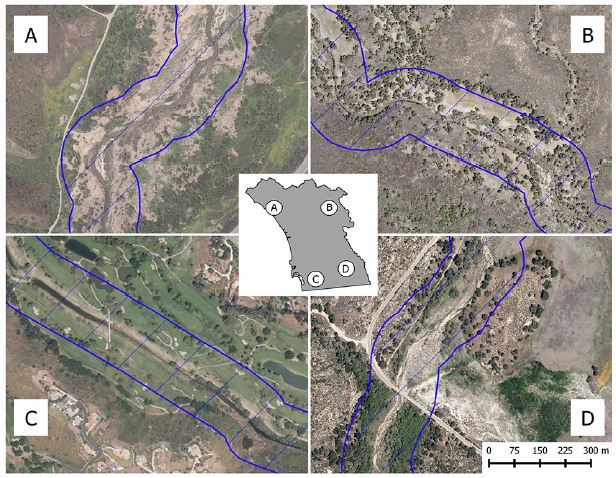
Papers & Reports Integrating Multiple Distribution Models to Guide Conservation Efforts of an Endangered Toad

Papers & Reports Trends in Rocky Mountain Amphibians and the Role of Beaver as a Keystone Species
Papers & Reports eDNA Sampling Protocol – Filtering Water to Capture DNA from Aquatic Organisms
Papers & Reports Unifying research on the fragmentation of terrestrial and aquatic habitats fragmentation research: habitat patches, connectivity and the matrix in riverscapes
1. While Tthere is an increasing emphasis in terrestrial ecology on determining the influence of the area habitat that surroundsing habitat patches (the landscape ‘matrix’) relative to the focal habitat patch characteristics of the patches themselvesin terrestrial landscapes, research on these aspects in running-water ecosystems is still rather have been under-represented or at least, terrestrial ecologists did not really recognized parallel studies by stream ecologists. While stream ecologists have long considered the patchiness inherent in running-waters, their work has not been recognized in terrestrial landscape ecology. This is unfortunate, as it does not take full advantage of learning in these two systems, which are characterized by differences in e.g., geometric complexity, and offer opportunities to advance our understanding of conservation decisions in fragmented systems.
2. Here we outline conceptual foundations of matrix ecology for stream and river ecosystems (‘riverscapes’). We discuss how a hierarchical, patch-based perspective is necessarymay be useful for the explicit delineation of habitat patches and the surrounding matrix, through which we may identify two classes of habitat edges in riverscapes (i.e. edges between the terrestrial-aquatic interface and within-stream edges within streams).
3. Under this conceptual framework, we review discuss the role of the matrix in influencing between-patch movement, and resource quality y, and resource quantity within and among habitat patches in riverscapes. We also review identify types of empirical and modelling approaches which may advance our understanding of fragmentation effects in these systems.
4. We identify five key challenges for better improved understanding of fragmentation and matrix effects: (i) defining populations and the ir population status (i.e. quantifying the demographic contribution of habitat patches to metapopulation dynamics), (ii) scaling from metapopulations to metacommunites, (i.e. searching for generalities in species responses to landscape heterogeneity), (iii) scaling from metacommunities to metaecosystems, (i.e. exploring the interactive role of the terrestrial-aquatic and within-stream matrix effects on the flow of material and energy at the network scale), (iv) understanding temporal dynamics in matrix permeability, and (v) revealing the utility of different patch and matrix representations for modelling connectivity relationships.
5. Fragmentation of habitats is a critical issue in the conservation and management of stream networks acrossat multiple spatial scales. Although the effects of individual barriers (e.g. reservoir dams) are well documented, wWe argue suggest that a more comprehensive patch-matrix landscape model will improve our understanding of fragmentation effects, and improve management in riverscapes.
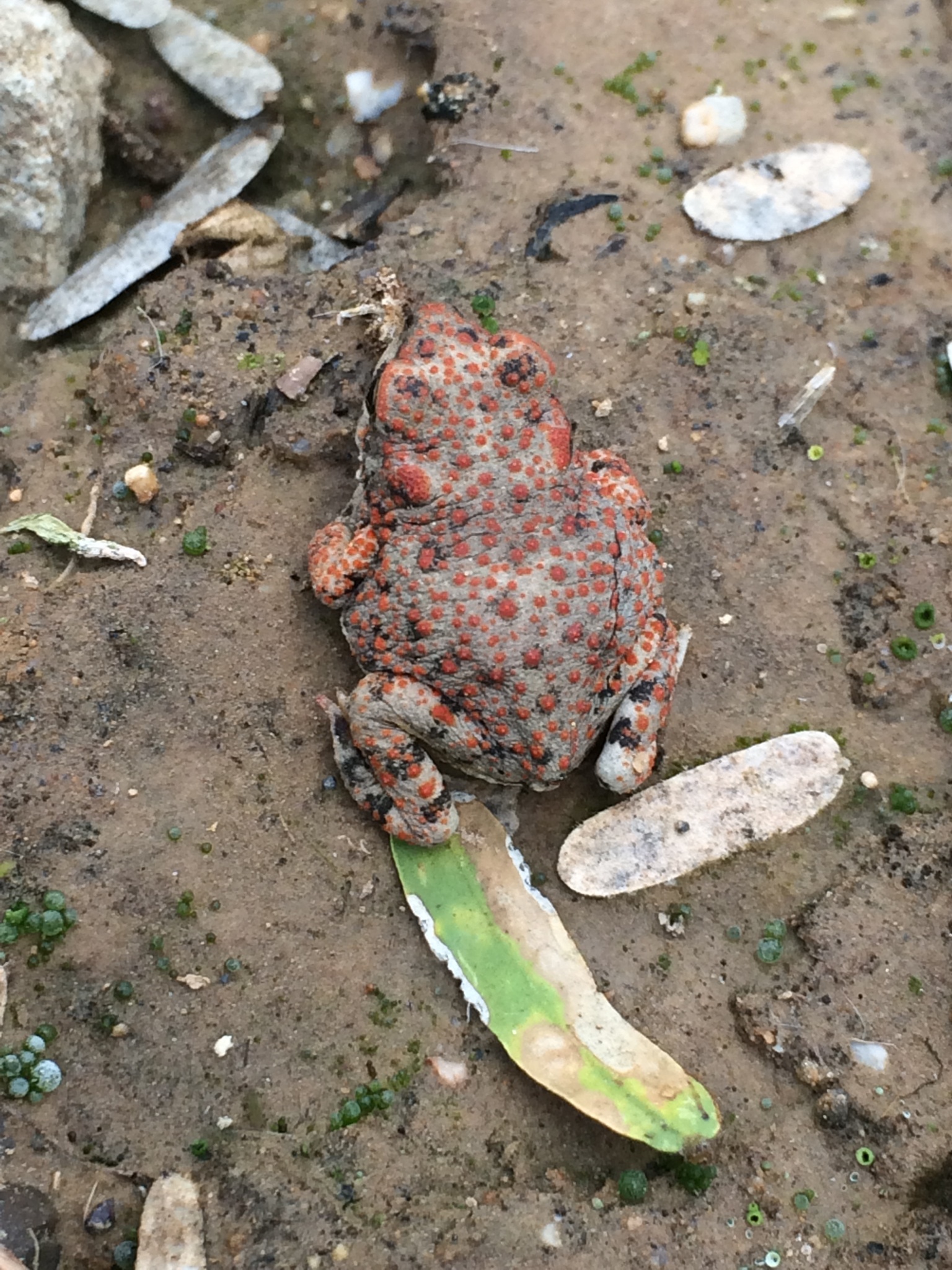
Papers & Reports Modeling habitat connectivity to inform reintroductions: a case study with the Chiricahua leopard frog
Papers & Reports Geographically Isolated Wetlands: Rethinking a Misnomer
wetlands(GIWs; i.e., wetlands completely surrounded by
uplands at the local scale) as used in the wetland sciences.
As currently used, the GIW category (1) hampers scientific
efforts by obscuring important hydrological and ecological
differences among multiple wetland functional types, (2)
aggregates wetlands in a manner not reflective of regulatory
and management information needs, (3) implies wetlands so
described are in some way isolated, an often incorrect
implication, (4) is inconsistent with more broadly used and
accepted concepts of geographic isolation, and (5) has
injected unnecessary confusion into scientific investigations
and discussions. Instead, we suggest other wetland classification
systems offer more informative alternatives. For
example, hydrogeomorphic (HGM) classes based on wellestablished
scientific definitions account for wetland functional
diversity thereby facilitating explorations into
questions of connectivity without an a priori designation of
isolation. Additionally, an HGM-type approach could be
used in combination with terms reflective of current regulatory
or policymaking needs. For those rare cases in which
the condition of being surrounded by uplands is the relevant
distinguishing characteristic, use of terminology that does
not unnecessarily imply isolation (e.g., upland embedded
wetlands) would help alleviate much confusion caused by
the geographically isolated wetlands misonomer.
Papers & Reports Testing hypotheses on distribution shifts and changes in phenology of imperfectly detectable species
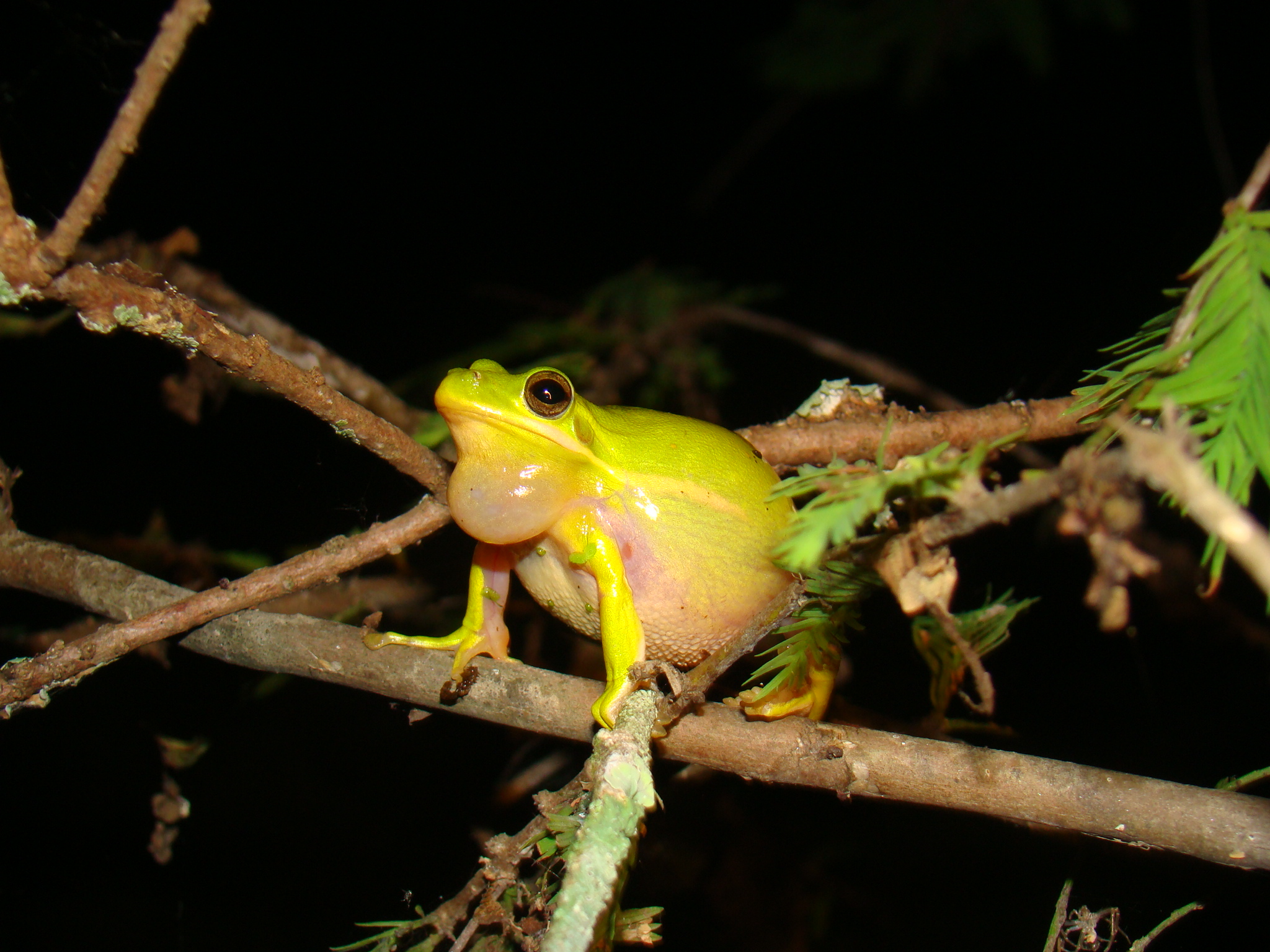
We present a multi-season extension of the staggered-entry occupancy model of Kendall et al. (2013), which permits inference about the within-season patterns of species arrival and departure at sampling sites. The new model presented here allows investigation of species phenology and spatial distribution across years, as well as site extinction/colonization dynamics.
We illustrate the model with two datasets on European migratory passerines and one dataset on North American tree frogs. We show how to derive several additional phenological parameters, such as annual mean arrival and departure dates, from estimated arrival and departure probabilities.
Given the extent of detection/non-detection data that are available, we believe that this modeling approach will prove very useful to further understand and predict species responses to climate change.
Papers & Reports In situ effects of pesticides on amphibians in the Sierra Nevada