Search ARMI Database
Search term(s)
Contribution Number
Search Results
1292 record(s) found.
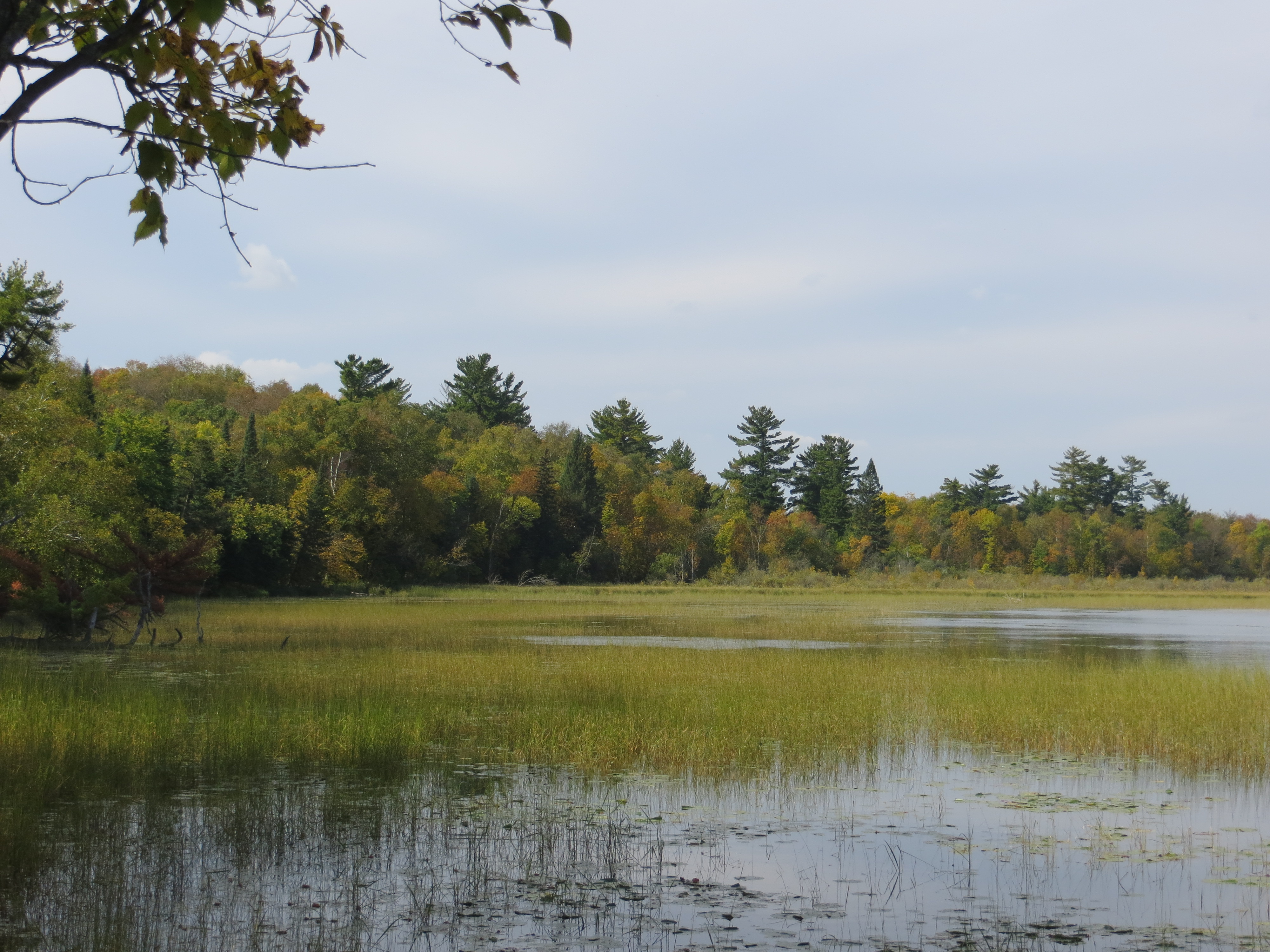
Papers & Reports Detecting Emergence, Growth, and Senescence of Wetland Vegetation with Polarimetric Synthetic Aperture Radar (SAR) Data.
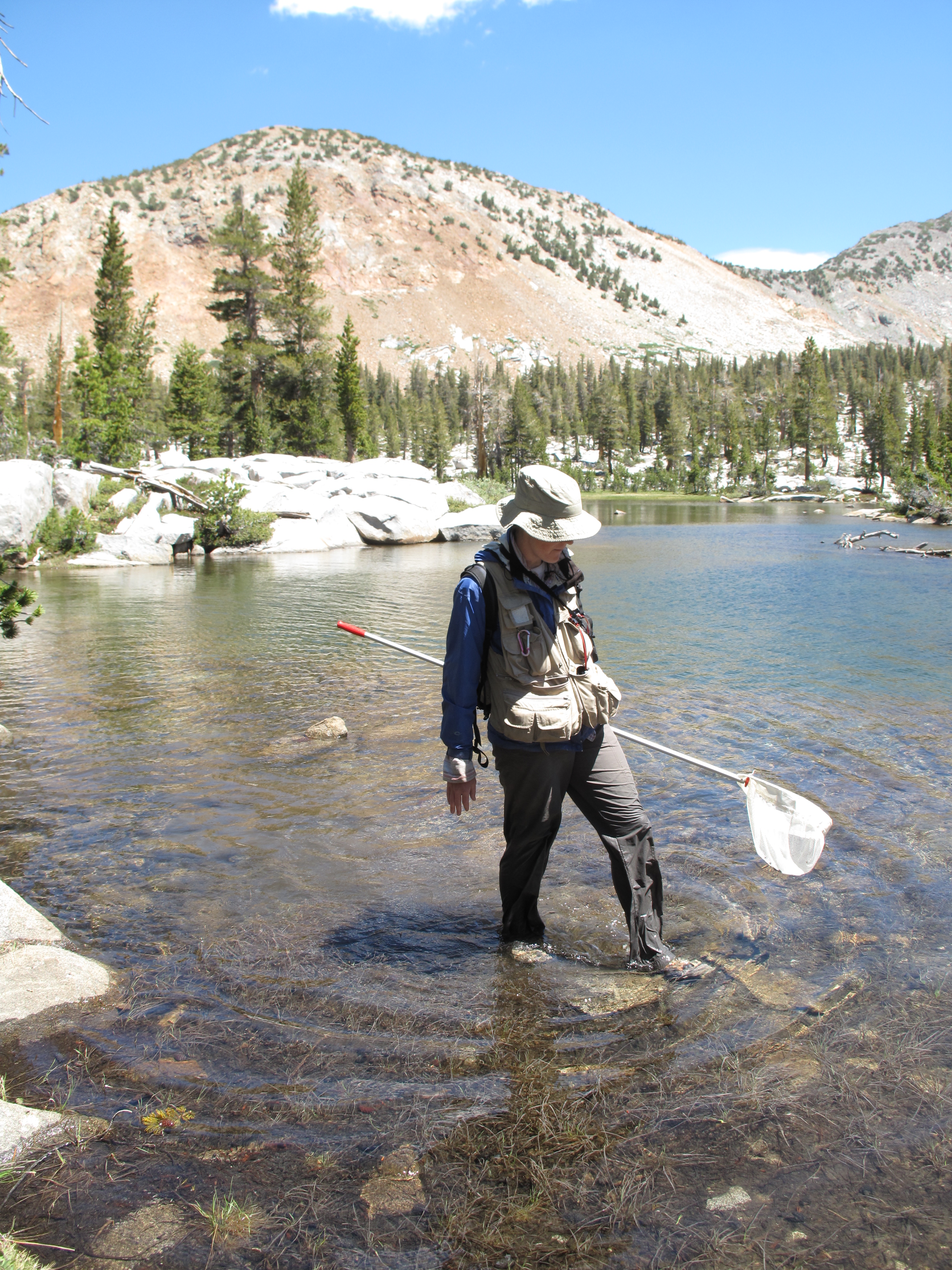
Papers & Reports Wetland Occupancy of Pond-breeding Amphibians in Yosemite National Park, USA
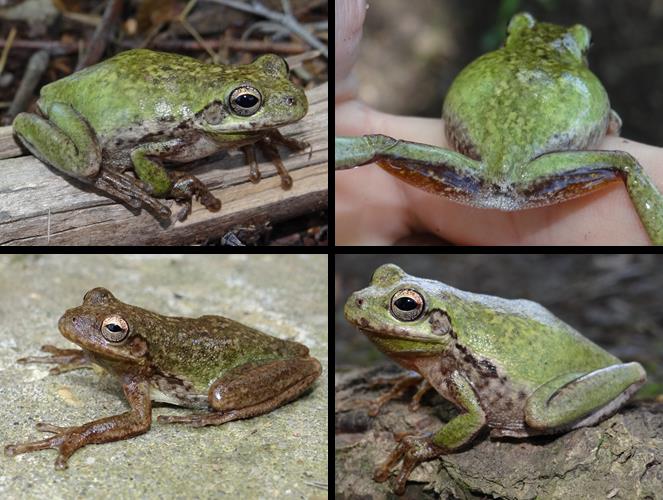
Papers & Reports HYLA CHRYSOSCELIS (Cope’s Gray Treefrog) x HYLA CINEREA (Green Treefrog). PUTATIVE NATURAL HYBRID.
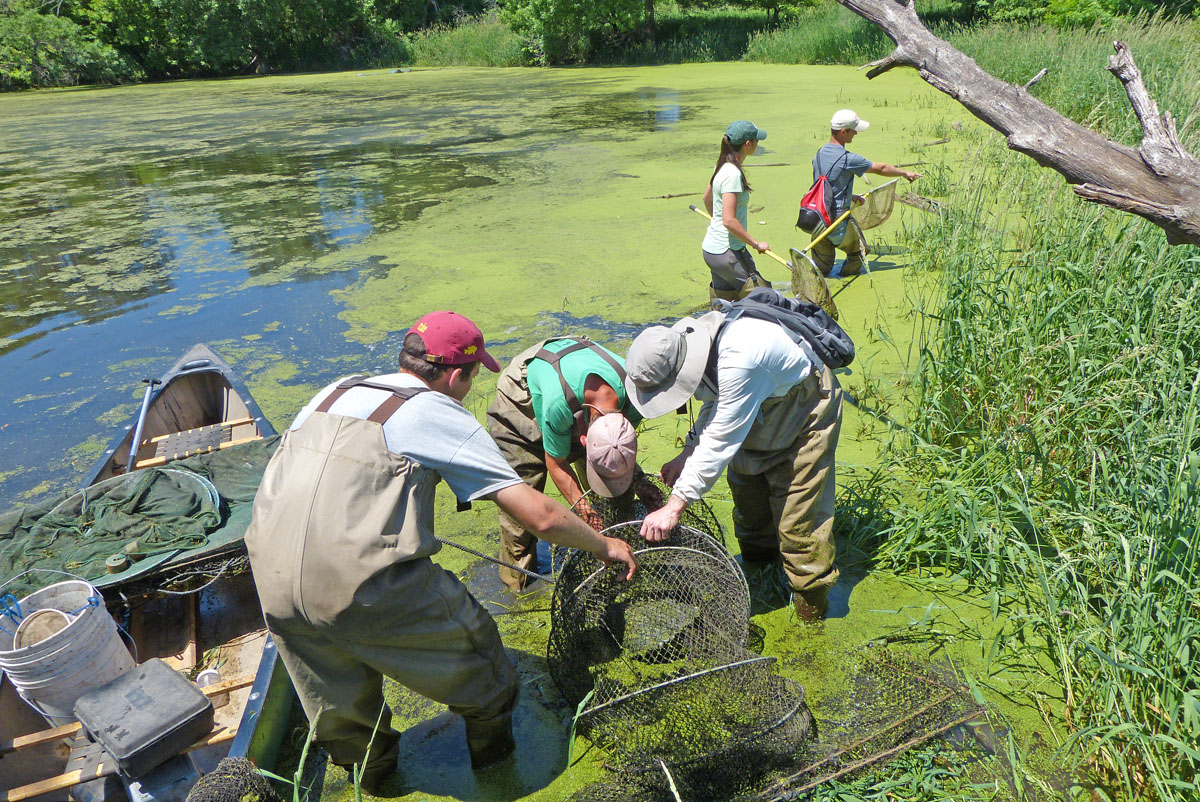
Papers & Reports Pesticide concentrations in frog tissue and wetland habitats in a landscape dominated by agriculture
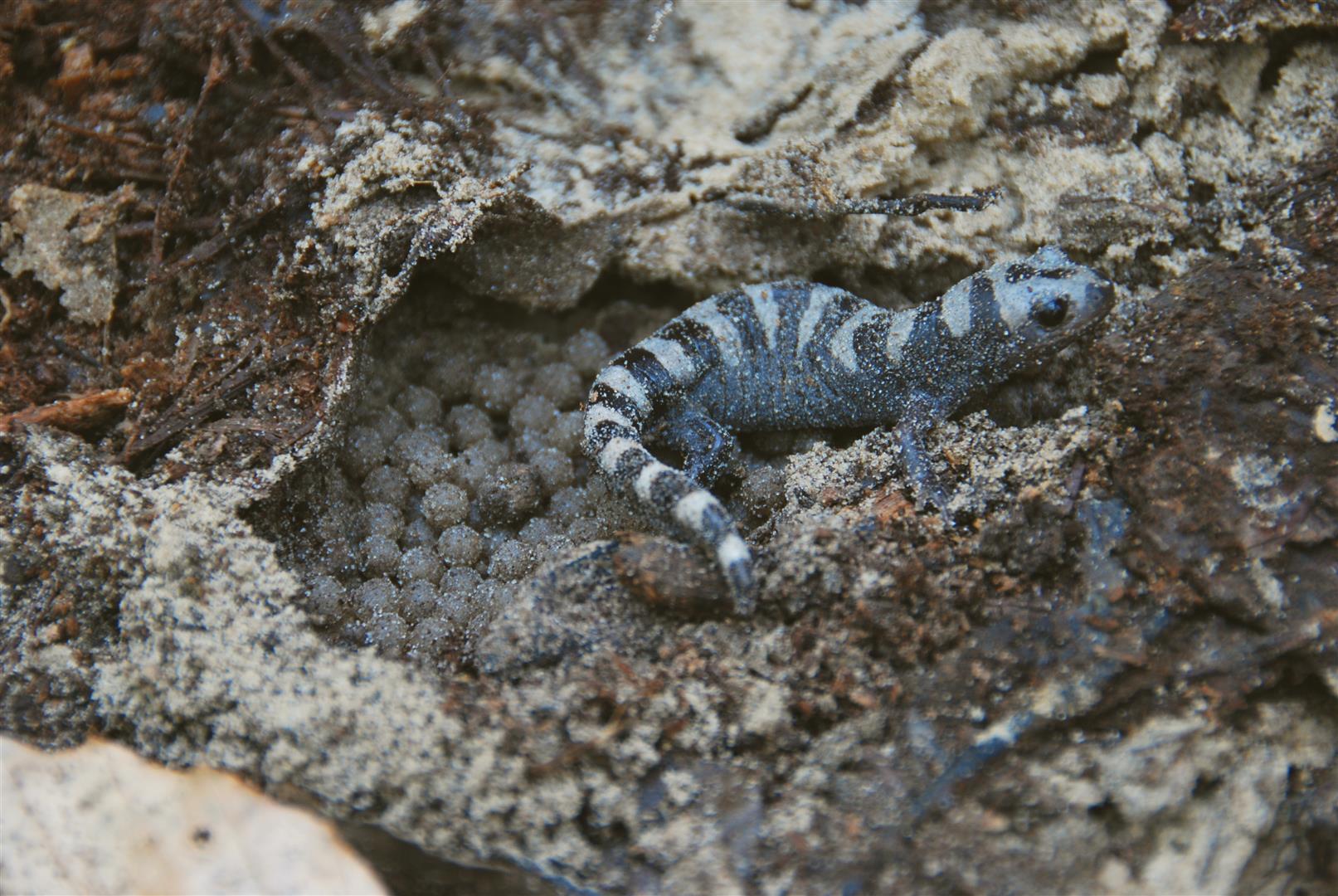
Papers & Reports Reproductive biology of Ambystoma salamanders in the southeastern United States
Papers & Reports Identifying monitoring gaps for amphibian populations in a North American biodiversity hotspot, the southeastern USA
Papers & Reports Please don’t misuse the museum: ‘declines’ may be statistical
Papers & Reports Heterogeneous occupancy and density estimates of the pathogenic fungus Batrachochytrium dendrobatidis in waters of North America

Papers & Reports Demography of common toads after local extirpation of
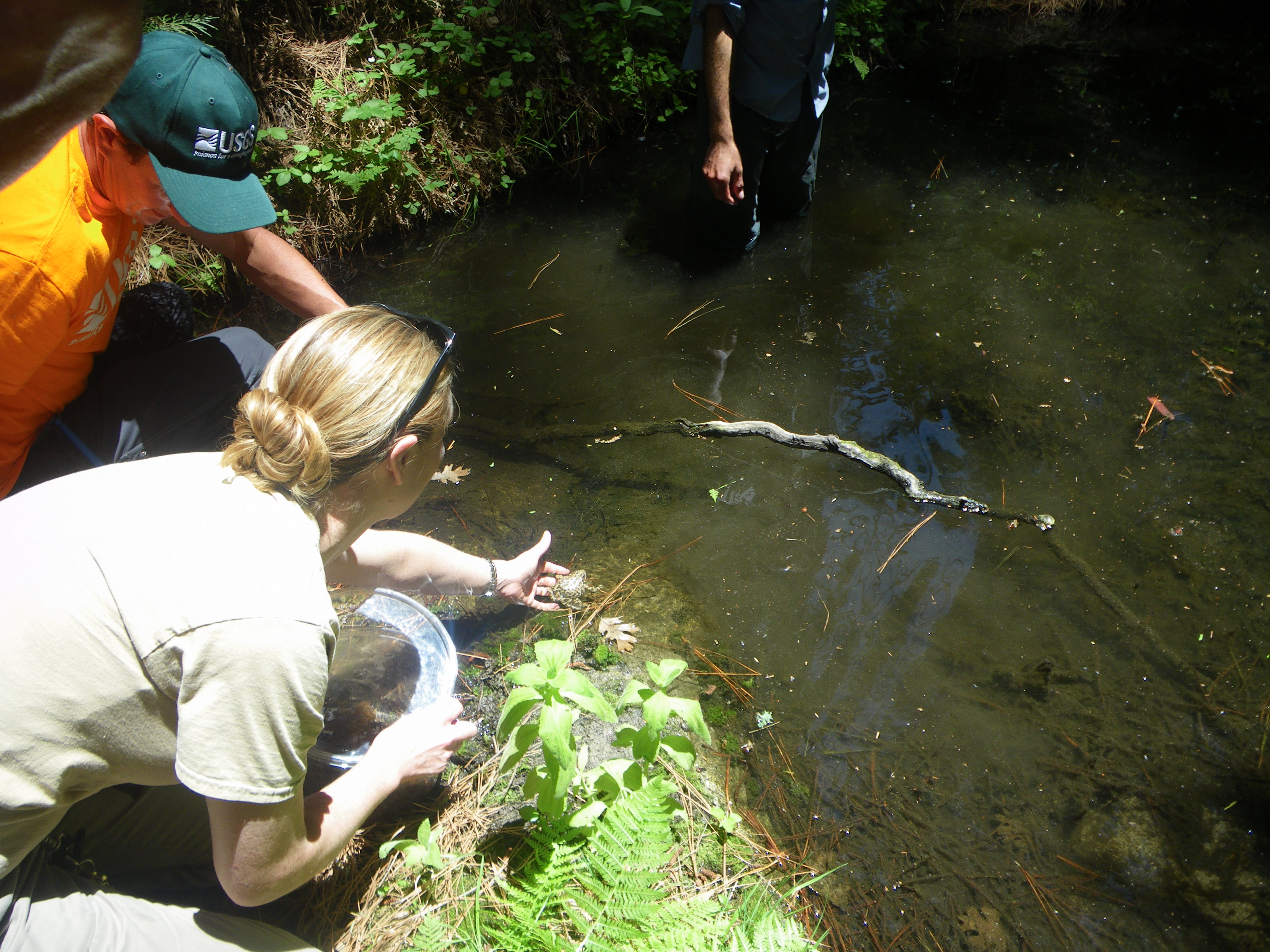
News & Stories Endangered Mountain Yellow-legged Frogs Released into Wild
On May 29, 2014 ARMI biologists Adam Backlin and Elizabeth Gallegos, alongside partners Frank Santana from the San Diego Zoo Institute for Conservation Research and Ian Recchio and Marlowe Robertson-Billet from the LA Zoo and Botanical Gardens, will be releasing 74 captive bred juvenile endangered mountain yellow-legged frogs [Rana muscosa] into the wild in the San Jacinto Mountains, near Idyllwild, CA. Mountain yellow-legged frogs are endangered in southern California and live in perennial streams in portions of the San Gabriel, San Bernardino, and San Jacinto Mountains. The U.S. Fish and Wildlife Service listed the mountain yellow-legged frog in southern California as endangered in 2002. Reduced to fewer than 200 individuals by 2003, efforts to boost the species’ population have included captive breeding, reintroducing captive offspring to historic habitat, habitat restoration and conducting scientific research into the causes of the species’ decline. This is a joint project conducted by U.S.G.S., U.S. Fish and Wildlife Service, California Department of Fish and Wildlife, U.S. Forest Service, and zoo partners. Contact: Benjamin Landis for more information.
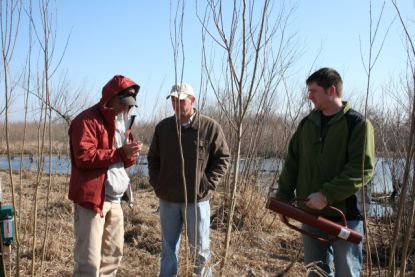
News & Stories Do Restored Wetlands Provide Quality Amphibian Habitat in an Agricultural Landscape?
The Des Moines Lobe of central Iowa has undergone drastic land-use changes over the last two centuries, with 90% of the state’s wetlands converted primarily by agricultural practices and urban development. The introduction of tile drainage to improve land for agriculture facilitated this conversion and still contributes to the productivity of this agricultural landscape. Consequently, natural wetland habitat has become rare and fragmented, affecting species with limited mobility, such as amphibians. Amphibians are an important component of these wetland systems where they provide food for other animals and eat copious amounts of insects. However, many amphibian species are at risk world-wide and some are at risk in Iowa.
While loss of habitat is the main reason behind amphibian decline, in the Des Moines Lobe, amphibians are further challenged by an environment potentially compromised by contaminants and their limited mobility exacerbates the effects of habitat fragmentation.
In response to observed ecosystem degradation in environmentally sensitive areas the USDA introduced the Conservation Reserve Enhancement Program (CREP) to target high-priority conservation issues. In the year 2001, the state of Iowa partnered with USDA and developed a CREP to strategically locate and restore wetlands on private land that receive run-off from multiple sub-surface tile drains to help reduce the export of nitrates from agricultural watersheds before the water reaches the Mississippi River and the Gulf of America. Although CREP wetlands are intended primarily to reduce nitrogen to protect drinking water and reduce hypoxia in the Gulf of America, they provide other ecosystem services such as providing wildlife habitat and recreational opportunities. For example, CREP wetlands and their adjoining grass buffers provide forage and cover for waterfowl and upland game.
For complete article, see here: https://www.fort.usgs.gov/science-feature/890
Papers & Reports Partitioning the non-consumptive effects of predators on prey with complex life histories
Papers & Reports Assessing the efficacy of environmental DNA for detecting presence of imperiled aquatic amphibian species in isolated wetland in the Southeastern US.
Papers & Reports Detection of the emerging amphibian pathogens Batrachochytrium dendrobatidis and Ranavirus in Russian amphibians
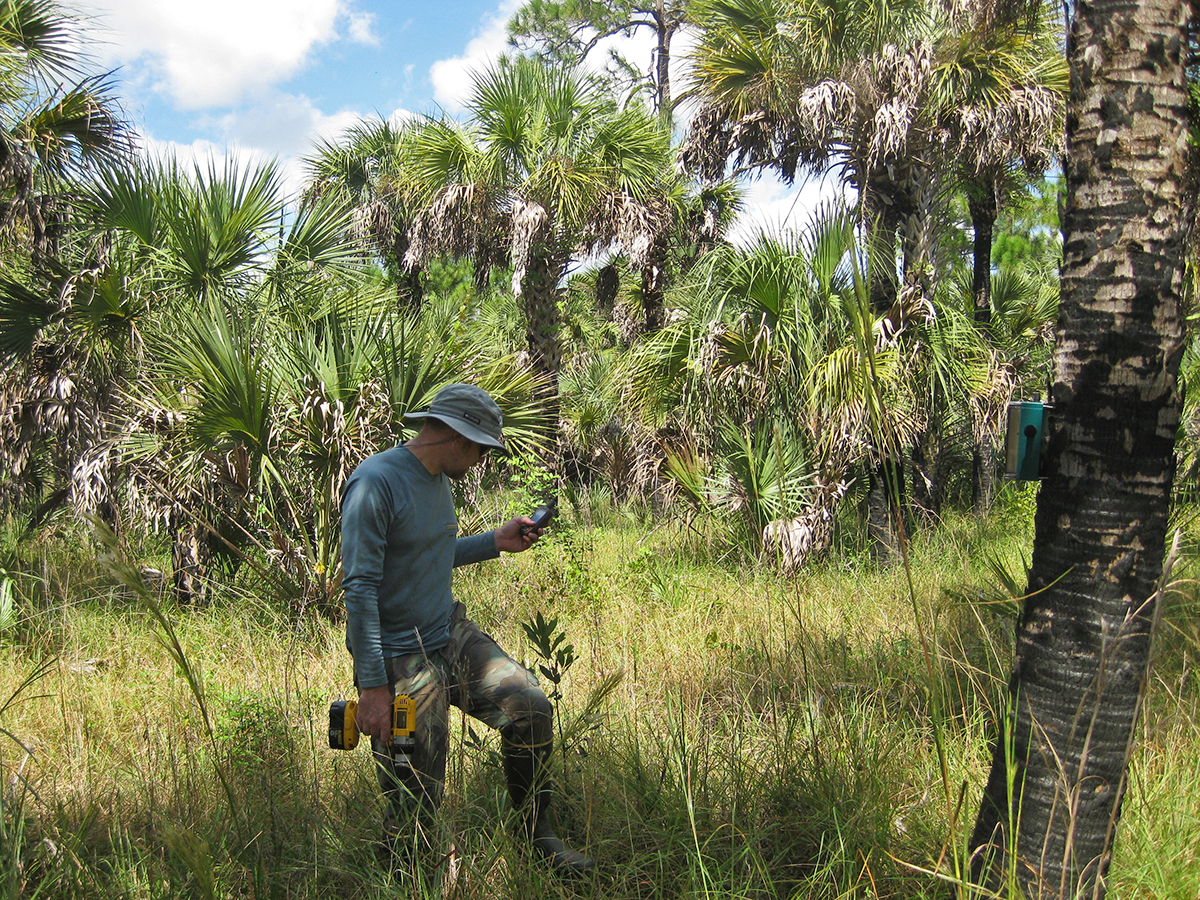
News & Stories A surprising find during amphibian research
During a routine scheduled recording in February of 2012, a non-amphibian resident of the forest walked past a recorder. Recent analysis of the recording revealed the interesting find.
ARMI uses automated recording units to monitor calling frogs and toads in the Picayune Strand State Forest of Southwest Florida. This state forest, once a failed residential development project known as the Southern Golden Gates Estates, is undergoing hydrological restoration as part of the Comprehensive Everglades Restoration Plan. Scientists from the Southeast and Southcentral ARMI Regions are testing the idea that amphibians are reliable indicators of restoration success. The sound you hear was confirmed by experts from Big Cypress National Preserve to be the yowling call of a female Florida Panther, possibly signalling to potential mates.
Audio:[AUDIO]FAKA08_20120206.wav[/AUDIO]
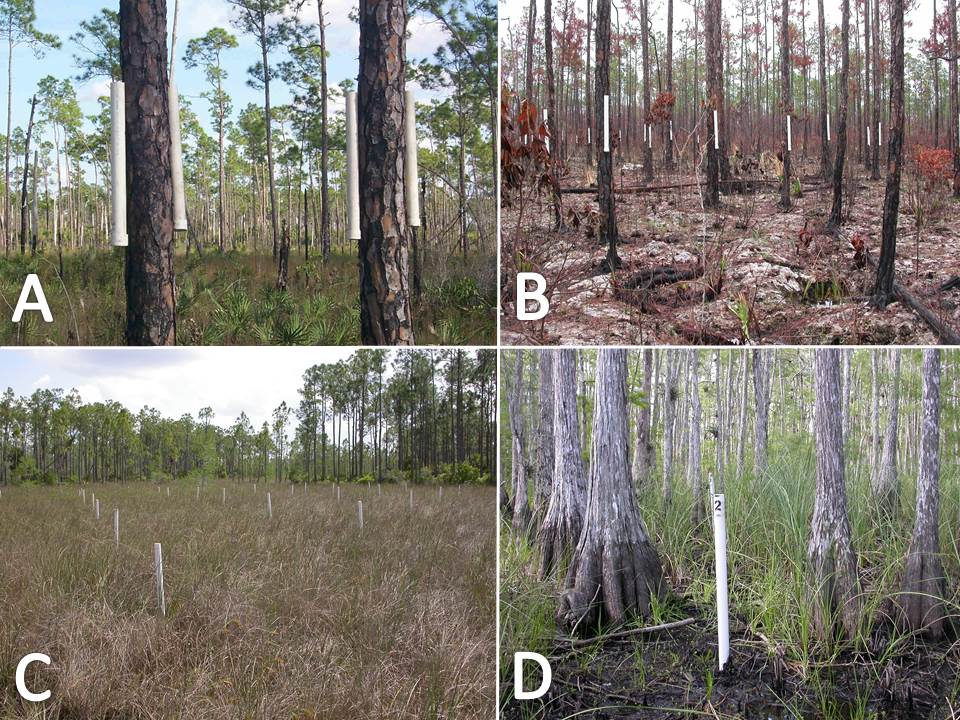
Papers & Reports A review of pipe and bamboo artificial refugia as a sampling tool in anuran studies
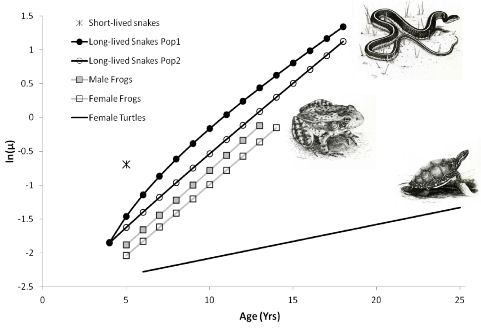
Papers & Reports Biodemography of Ectothermic Tetrapods Provides Insights into the Evolution and Plasticity of Mortality Patterns
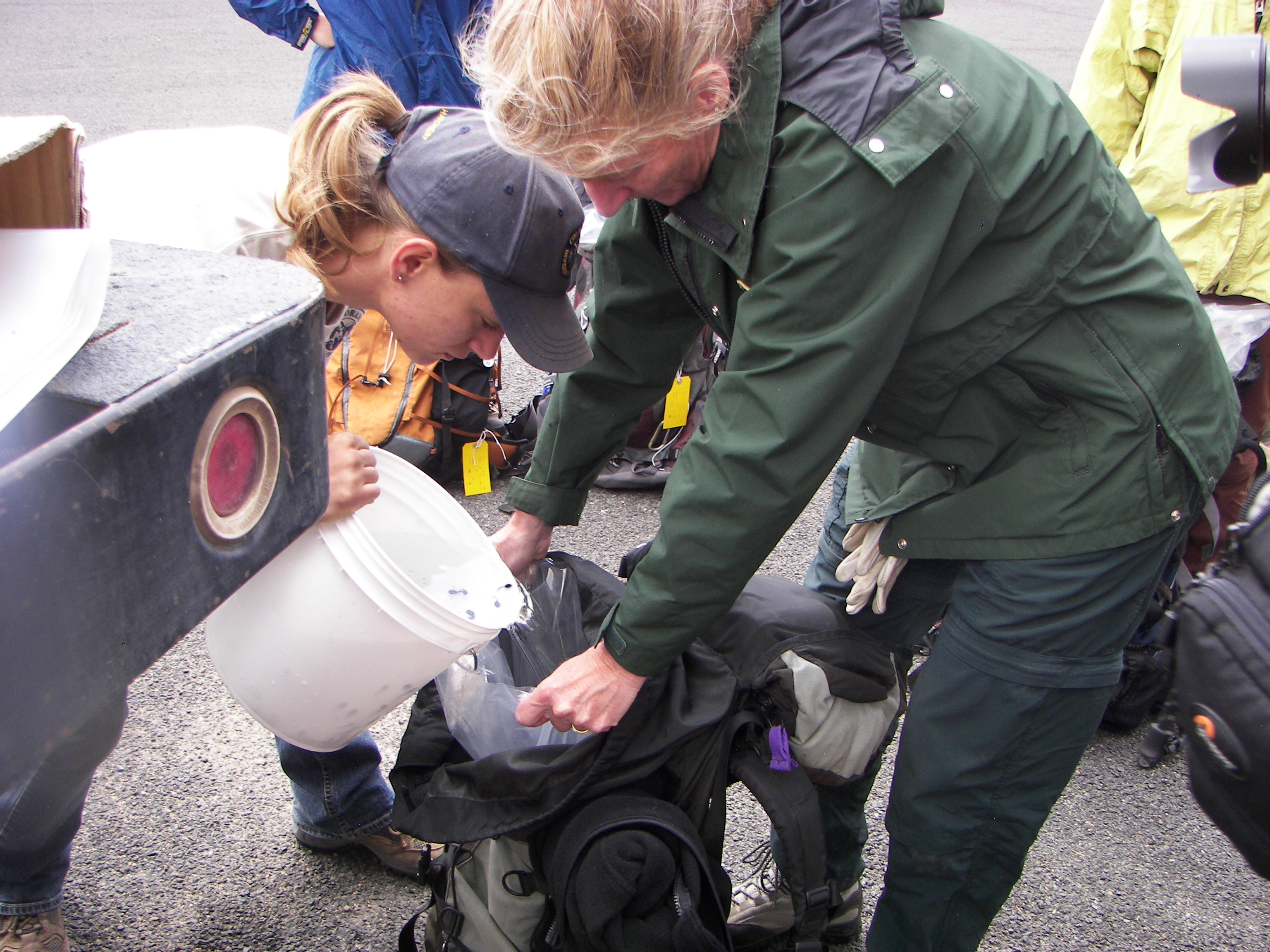
Papers & Reports Animal reintroductions: an innovative assessment of survival
Papers & Reports ARMI 2013 Annual Update
Full text: https://armi.usgs.gov/docs/ARMI%202013%20Annual%20Update.pdf