
Search ARMI Database

Search term(s)

Filter search results with:


To view all contents, leave all fields blank and click "Search" button.

Contribution Number


Search Results

1290 record(s) found.

Papers & Reports Anuran site occupancy and species richness as tools for evaluating restoration of a hydrologically-modified landscape
Authors: Susan C Walls; Hardin J Waddle; William J Barichivich; Ian A Bartoszek; Mary E Brown; J M Hefner; M J Schuman
Date: 2014-06-14 | Outlet: Wetlands Ecology and Management 22(6)625-639.
A fundamental goal of wetland restoration is to reinstate pre-disturbance hydrological conditions to degraded landscapes, facilitating recolonization by native species and the production of resilient, functional ecosystems. To evaluate restoration success, baseline conditions need to be determined and a reference target needs to be established that will serve as an ecological blueprint in the restoration process. During the summer wet seasons of 2010 and 2011, we used automated recording units to monitor a community of calling anuran amphibians in the Picayune Strand State Forest of southwest Florida, USA. This area is undergoing hydrological restoration as part of the Comprehensive Everglades Restoration Plan (CERP). We compared occurrence of anurans at sites in the restoration area, to nearby sites in relatively undisturbed habitat. We assessed the utility of the latter as restoration targets, using a hierarchical model of community species occupancy to estimate the probability of occurrence of anurans in restoration and reference locations. We detected 14 species, 13 of which were significantly more likely to occur in reference areas. All 14 species were estimated by our model to occur at these sites but, across both years, only 8–13 species were estimated to occur at restoration sites. The composition and structure of these habitats within and adjacent to the Picayune Strand State Forest indicate that they are suitable targets for habitat restoration, as measured by amphibian occurrence and species richness. These areas are important sources for recolonization of anuran amphibians as the hydrologically degraded Picayune Strand undergoes restoration to mitigate the effects of overdrainage and habitat loss.
Papers & Reports Breeding site heterogeneity reduces variability in frog recruitment and population dynamics
Authors: Rebecca M McCaffery; Lisa A Eby; B A Maxell; P. Stephen Corn
Date: 2014 | Outlet: Biological Conservation 170:169-176
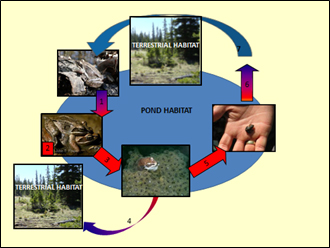
Environmental stochasticity can have profound effects on the dynamics and viability of wild populations, and habitat heterogeneity provides one mechanism by which populations may be buffered against the negative effects of environmental fluctuations. Heterogeneity in breeding pond hydroperiod across the landscape may allow amphibian populations to persist despite variable interannual precipitation. We examined recruitment dynamics over 10 yr in a high elevation Columbia spotted frog (Rana luteiventris) population that breeds in ponds with a variety of hydroperiods. We combined these data with matrix population models to quantify the consequences of heterogeneity in pond hydroperiod on net recruitment (i.e. number of metamorphs produced) and population growth rates. We compared our heterogeneous system to hypothetical homogeneous environments with (1) only ephemeral ponds, (2) only semi-permanent ponds, and (3) only permanent ponds. We also examined the effect of breeding pond habitat loss on population growth rates. Most eggs were laid in permanent ponds each year, but survival to metamorphosis was highest in the semi-permanent ponds. Recruitment success varied by both year and pond type. Net recruitment and stochastic population growth rate were highest under a scenario with homogeneous semi-permanent ponds, but variability in recruitment was lowest in the scenario with the observed heterogeneity in hydroperiods. Loss of pond habitat decreased population growth rate, with greater decreases associated with loss of permanent and semi-permanent habitat. The presence of a diversity of pond hydroperiods on the landscape will influence population dynamics, including reducing variability in recruitment in an uncertain climatic future.
News & Stories 2013 ARMI Meeting
Authors: Lianne Ball
December 06, 2013

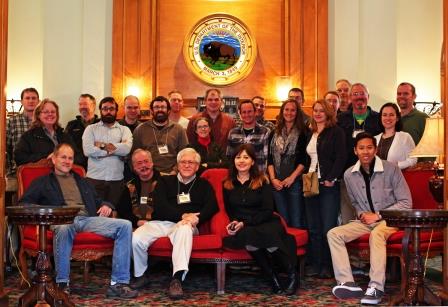
The Northeast Region hosted the ARMI meeting this year. During this annual meeting, ARMI develops new research projects, brainstorms ideas, and working on new quantitative developments. ARMI loves a creative question, and many have their start at these meetings.
News & Stories ARMI project selected by The Powell Center - Elucidating mechanisms underlying amphibian declines in North America using hierarchical spatial models
Authors: Erin Muths
October 29, 2013

ARMI scientists Evan Grant and Erin Muths, teamed with David Miller (former ARMI post doc and now professor at Pennsylvania State University) to produce the proposal that was selected for Powell Center Support for 2014-2015. The Powell Center is a USGS center that facilitates the development of new and innovative processes by which scientific understanding can be applied to significant and complex issues in a unique setting for analysis and data synthesis.

The proposal moves forward from the recently published paper describing the magnitude of amphibian declines in the U.S. (Adams et al. 2013), and will now examine the mechanisms of decline using a data driven, but model-based, approach. Though focused on North America, the insights will be applicable to other systems and will lay the foundation for a larger, perhaps international, assessment of mechanisms behind global amphibian declines.

The 15 member working group includes not only ARMI scientists and data collected over the last 10 years, but others with long-term data on amphibians including scientists from Canada, Mexico and Europe. The first working group meeting will be held in Fort Collins in January 2014. A hallmark of the Powell Center is that it is "a scientist-driven institution where leveraging existing research efforts produces powerful new insights and moves scientific understanding and its inclusion into management forward at an accelerated pace."

Proposal abstract:

Amphibian populations are declining globally at unprecedented rates but statistically rigorous identification of mechanisms is lacking. Identification of reasons underlying large-scale declines is imperative to plan and implement effective conservation efforts. Most research on amphibian population decline has focused on local populations and local factors. However, the ubiquity of declines across species and landscapes suggests that causal factors at a broader scale are also important. Elucidation of the mechanisms driving population change has lagged, mainly because data have been unavailable at continental scales.

We propose to address this need by assembling data to answer questions about broad-scale drivers of amphibian decline. We will examine alterations in timing and availability of surface-water habitat (driven principally by climate change), as first order variables that control the probabilities of breeding, successful metamorphosis, and return rates of amphibians. Climate change (and its influence on shifting temperatures) is also correlated with other agents of decline such as disease and amplification of cyclical population dynamics; we consider these second-order effects.

Furthermore, data on other causal mechanisms are not available at broad-scales. We will use monitoring data (core data from USGS Amphibian Research and Monitoring Initiative, supplemented by data from collaborators in Canada, the U.S., and Mexico) and state-of-the-art statistical techniques to examine broad-scale mechanisms associated with changes in amphibian occupancy.

We will develop hypotheses for climate-induced shifts in occupancy dynamics, and test these hypotheses using a dataset representing many individual projects and regions from across North America. We will formulate the problem in hierarchical Bayesian models to examine multi-scale processes affecting patterns of species occupancy. This analysis of population trends across multiple spatial scales will facilitate the first rigorous quantitative examination of mechanisms affecting occupancy of amphibians across North America, and provide a continent-wide assessment of the contribution of climate-related factors to declines in amphibian populations. Hypotheses and methods developed through this collaborative effort will be useful in other locations experiencing amphibian declines (e.g., Australia, Europe) and our modeling approach will be useful for assessments of other taxa.

Associated PDF: http://dx.plos.org/10.1371/journal.pone.0064347
Papers & Reports Modeling structured population dynamics using data from unmarked individuals
Authors: E F Zipkin; J T Thorson; K See; H J Lynch; Evan HC Grant; Y Kanno; Richard Chandler; B H Letcher; J A Royle
Outlet: Ecology
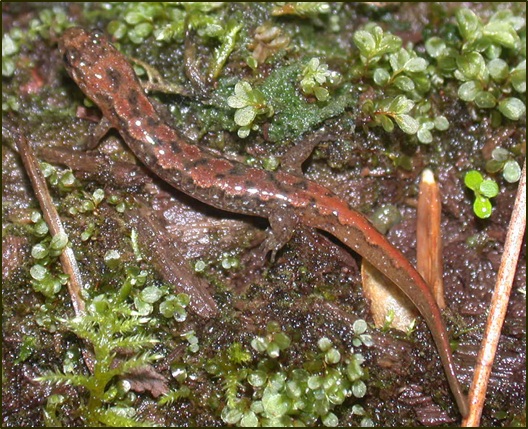
The study of population dynamics requires unbiased, precise estimates of
abundance and vital rates that account for the demographic structure inherent in all wildlife
and plant populations. Traditionally, these estimates have only been available through
approaches that rely on intensive capture–recapture data. We extended recently developed Nmixture
models to demonstrate how demographic parameters and abundance can be estimated
for structured populations using only stage-structured count data. Our modeling framework
can be used to make reliable inferences on abundance as well as recruitment, immigration,
stage-specific survival, and detection rates during sampling. We present a range of simulations
to illustrate the data requirements, including the number of years and locations necessary for
accurate and precise parameter estimates. We apply our modeling framework to a population
of northern dusky salamanders (Desmognathus fuscus) in the mid-Atlantic region (USA) and
find that the population is unexpectedly declining. Our approach represents a valuable
advance in the estimation of population dynamics using multistate data from unmarked
individuals and should additionally be useful in the development of integrated models that
combine data from intensive (e.g., capture–recapture) and extensive (e.g., counts) data
sources.
Papers & Reports ARMI 2012 Annual Update
Authors: Blake R Hossack; Michael J Adams; Hardin J Waddle; Evan HC Grant; Robert N Fisher; William A Battaglin; Lianne Ball
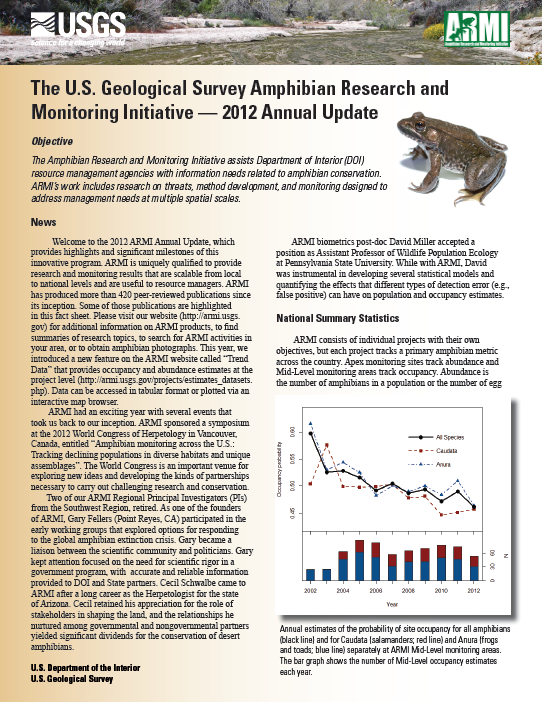
Welcome to the 2012 ARMI Annual Update, which provides highlights and significant milestones of this innovative program. ARMI is uniquely qualified to provide research and monitoring results that are scalable from local to national levels and are useful to resource managers. ARMI has produced more than 420 peer-reviewed publications since its inception. Some of those publications are highlighted in this fact sheet. Please visit our website (http://armi.usgs.gov) for additional information on ARMI products, to find summaries of research topics, to search for ARMI activities in your area, or to obtain amphibian photographs. This year, we introduced a new feature on the ARMI website called “Trend Data” that provides occupancy and abundance estimates at the project level (http://armi.usgs.gov/projects/estimates_datasets.php). Data can be accessed in tabular format or plotted via an interactive map.

Full text: http://armi.usgs.gov/docs/ARMI%202012%20Annual%20Update.pdf
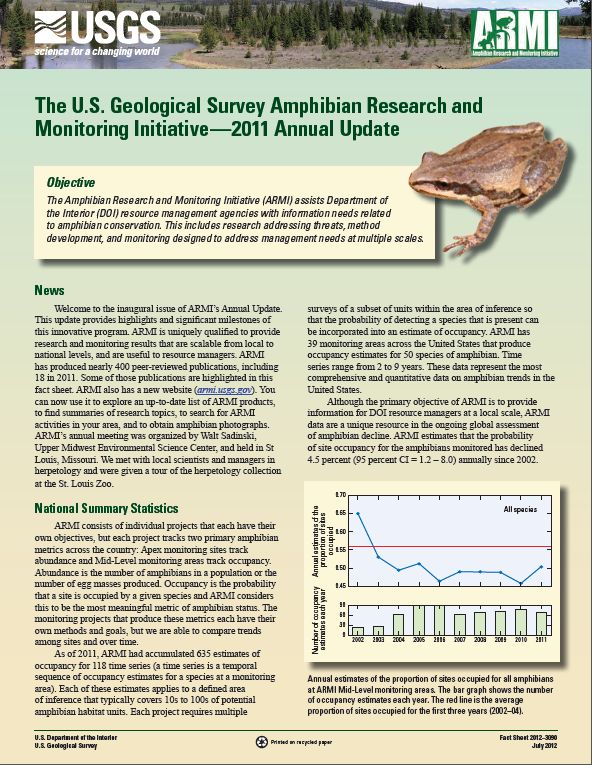
Papers & Reports ARMI 2011 Annual Update
Authors: Michael J Adams; Erin Muths; Evan HC Grant; David AW Miller; Hardin J Waddle; Susan C Walls; Lianne Ball
Welcome to the inaugural issue of ARMI’s Annual Update. This update provides highlights and significant milestones of this innovative program. ARMI is uniquely qualified to provide research and monitoring results that are scalable from local to national levels, and are useful to resource managers. ARMI has produced nearly 400 peer-reviewed publications, including 18 in 2011. Some of those publications are highlighted in this fact sheet. ARMI also has a new Website (http://armi.usgs.gov). You can now use it to explore an up-to-date list of ARMI products, to find summaries of research topics, to search for ARMI activities in your area, and to obtain amphibian photographs. ARMI’s annual meeting was organized by Walt Sadinski, Upper Midwest Environmental Science Center, and held in St Louis, Missouri. We met with local scientists and managers in herpetology and were given a tour of the herpetology collection at the St. Louis Zoo.

Full text: http://armi.usgs.gov/docs/ARMI%202011%20Annual%20Update.pdf (PDF*)
Papers & Reports Amphibians in the climate vice: loss and restoration of relilience of montane wetland ecosystems of the American West
Authors: Maureen E Ryan; Wendy J Palen; Michael J Adams; R M Rochefort
Date: 2014-05-01 | Outlet: Frontiers in Ecology and the Environment 12:232-240
Wetlands in the remote mountains of the American West are the site of two massive ecological “experiments” spanning the 20th Century. In a kind of biological carpet-bombing following World War II, fish and wildlife managers introduced millions of predatory trout into fishless mountain ponds and lakes across the Western United States. The new top predators, which now occupy 95% of large mountain lakes, have truncated the habitat distributions of native frogs, salamanders, and wetland invertebrates to smaller, more ephemeral ponds where fish do not survive. Now a second “experiment” –anthropogenic climate change – threatens to push from the opposite direction; eliminating many ephemeral habitats and shortening wetland hydroperiods. Caught between climate-induced habitat loss and predation from introduced fish, native mountain lake fauna of the American West – especially amphibians– are at risk of being squeezed out. Targeted fish removals, guided by models of wetlands change, provide new strategies for restoring resilience.
Papers & Reports Wetland Reserve Program enhances site occupancy and species richness in assemblages of anuran amphibians in the Lower Mississippi Valley, USA
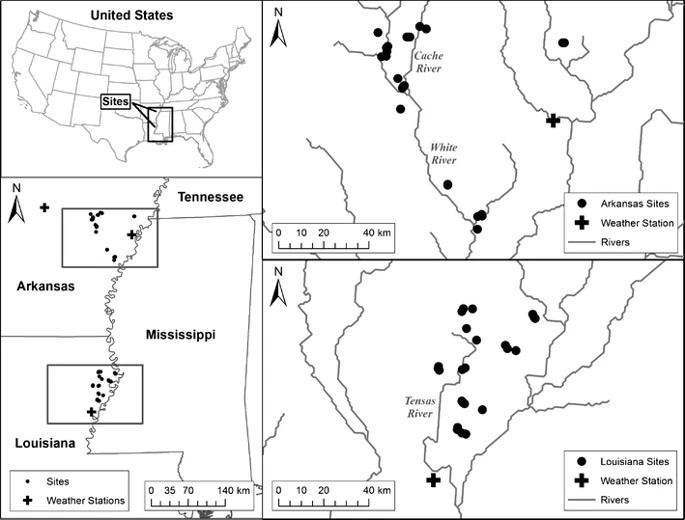
Authors: Susan C Walls; Hardin J Waddle; S Faulkner
Date: 2013-12-03 | Outlet: Wetlands 34:197-207
We measured amphibian habitat use to quantify the effectiveness of conservation practices implemented under the Wetland Reserve Program (WRP), an initiative of the U.S. Department of Agriculture’s (USDA) Natural Resources Conservation Service (NRCS). From February to June 2007, we monitored quantified calling male anurans at sites that were in 1) cultivated cropland. cultivation; 2) formerly in agriculture cultivated cropland but but later restored through the WRP; and mature bottomland hardwood forest. Sites were, all located in two watersheds within the Mississippi Alluvial Valley of Arkansas and Louisiana, USA. We estimated estimated detection probability probabilities of detection and site occupancy within each land use category using a Bayesian hierarchical model of community species occurrence, and derived an estimate of species richness at each site. Relative to agricultural sites, nine of 1l species detected were significantly more likely to occur at WRP sites and six were more likely to occur at forested sites. Derived estimates of species richness were also higher for WRP and forested sites, compared to those in cultivated cropland. Almost half (45%) of the species responded positively to both WRP and forested sites, suggesting indicating that patches undergoing restoration may be an important transitional habitats. Thus, WRP conservation practices are successful in restoring suitable habitat and reducing the impact of cultivation-induced habitat loss on amphibians in the Mississippi Alluvial Valley.
News & Stories ARMI researchers interviewed on live radio show
Authors: Lianne Ball
September 19, 2013

Michael Adams and Susan Walls, ARMI scientists and authors on the recent paper about national amphibian declines ("Trends in Amphibian Occupancy in the United States") were interviewed on the live radio show "Gulf Coast Live" (WGCU; National Public Radio; Southwest Florida)!

Tune in to hear the show! http://news.wgcu.org/post/amphibians-decline

Papers & Reports Assessing the terrestrial movement patterns and habitat preferences of the common toad (Bufo bufo) in a montane area of Central Spain
Authors: D av D; Erin Muths; B os J
Date: 2012 | Outlet: Journal of Herpetology
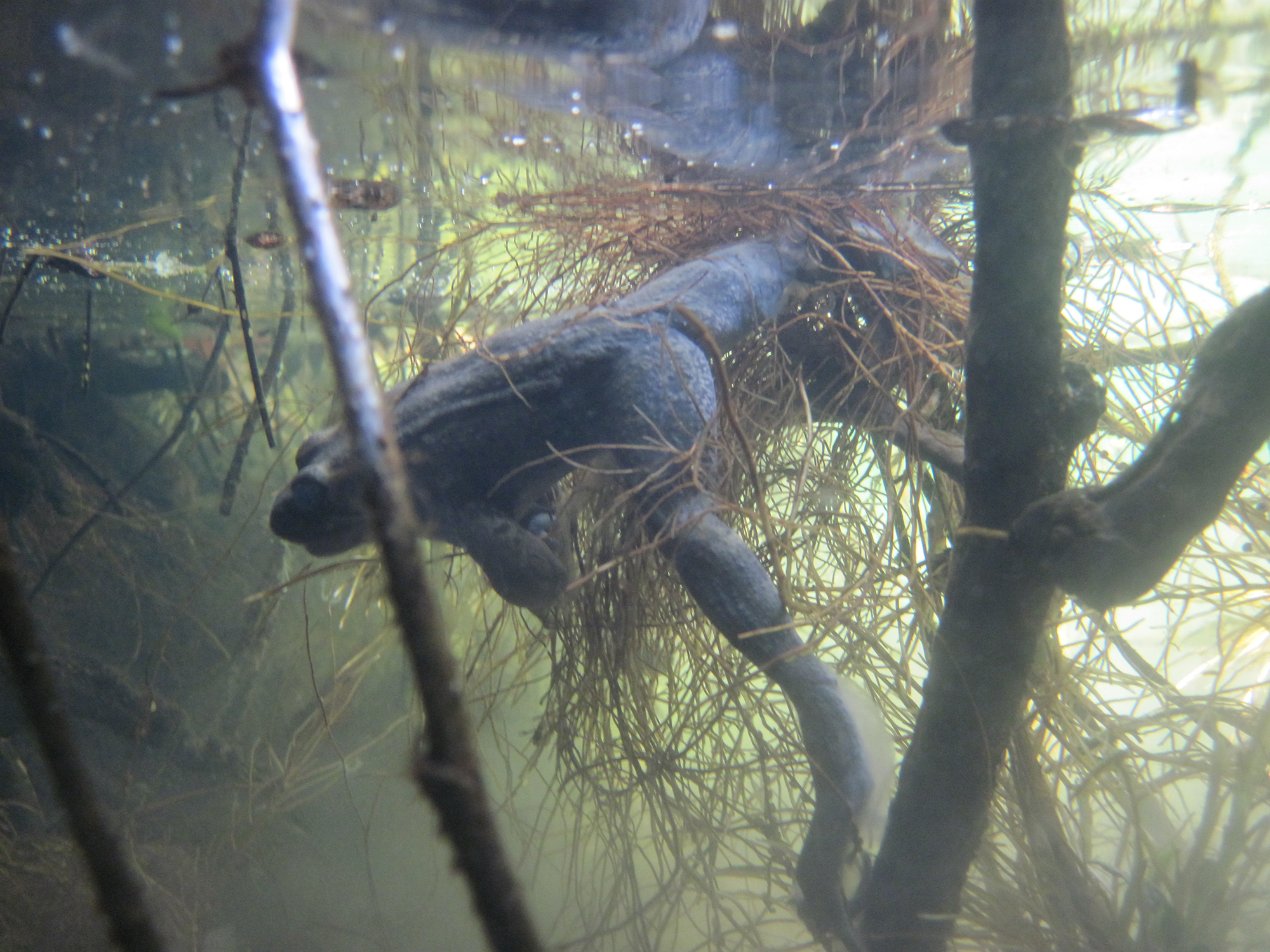
Widespread amphibian declines and habitat fragmentation, coupled with advancements in tracking technology, have sparked increased emphasis on studying movements and the use of terrestrial habitats by amphibians. Peñalara Natural Park, Sierra de Guadarrama, Central Spain, provides habitat for a number of amphibians that use upland sites. In response to increased pressure on habitat in this region by tourism, we used 4 months of radio telemetry data for 17 adult Common Toads (Bufo bufo) to characterize the terrestrial movements, assess the factors influencing these movements, and determine the distribution and cover characteristics of summer refugia for these toads. We found that: a) movements were most pronounced following the breeding season in June and adults made movements of up to 470 m away from breeding sites, b) movements were not influenced by basin size, climatic variables or the sex the individual, c) the amount of terrestrial habitat used by toads ranged from 245 m2 to 2.5 ha, and d) within these areas toads most often used rock piles and juniper patches (Juniper communis nana) as cover during the summer. Our study emphasizes the importance of considering terrestrial landscapes when developing conservation strategies, and we suggest that a buffer of minimal development extending 550 m from the shoreline of each natal pond be considered when conservation plans are developed for Common Toad habitat in Peñalara.
Papers & Reports COMPARATIVE MICROHABITAT CHARACTERISTICS AT OVIPOSITON SITES OF THE CALIFORNIA RED-LEGGED FROG (RANA DRAYTONII)
Authors: Jeff A Alvarez; D G Cook; J L Yee; Michael G van Hattem; D R Fong; Robert N Fisher
Date: 2013-12-31 | Outlet: Herpetological Conservation and Biology
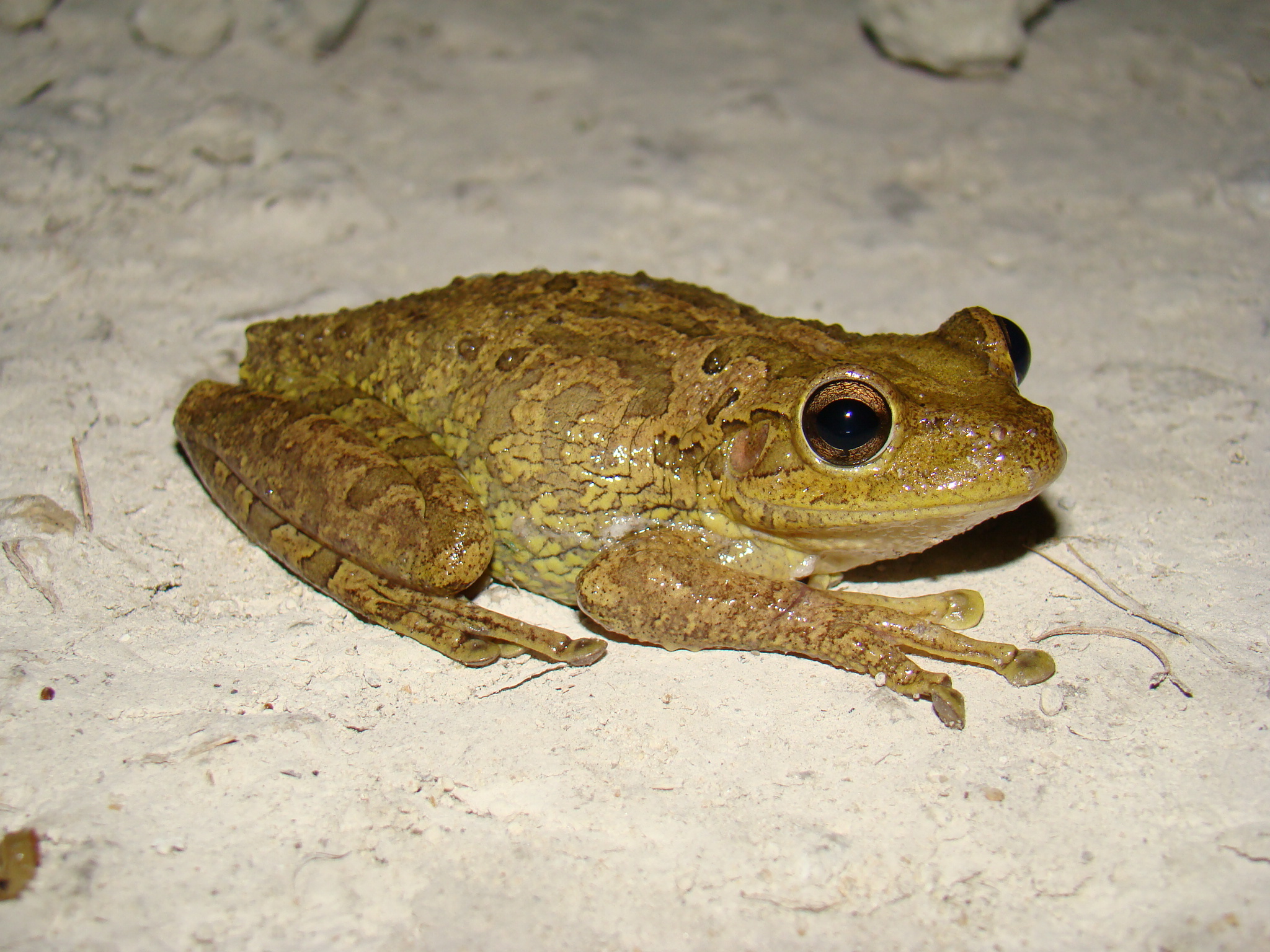
We studied the microhabitat characteristics of 747 egg masses of the federallythreatened California Red-legged Frog (Rana draytonii) at eight sites in California. Our study showed that a broad range of aquatic habitats are utilized by ovipositing R. draytonii, including sites with perennial and ephemeral water sources, natural and constructed wetlands, lentic and lotic hydrology, and sites surrounded by protected lands and nested within modified urban areas. We recorded 45 different egg mass attachment types, although the use of only a few types was common at each site. These attachment types ranged from branches and roots of riparian trees, emergent and submergent wetland vegetation, flooded upland grassland/ruderal vegetation, and debris. Eggs were deposited in relatively shallow water (mean 39.7 cm) when compared to maximum site depths. We found that most frogs in artificial pond, natural creek, and artificial channel habitats deposited egg masses within one meter of the shore, while egg masses in a seasonal marsh averaged 27.3 m from the shore due to extensive emergent vegetation. Rana draytonii appeared to delay breeding in lotic habitats and in more inland sites compared to lentic habitats and coastal sites. Eggs occurred as early as mid-December at a coastal artificial pond and as late as mid-April in an inland natural creek. We speculate that this delay in breeding may represent a method of avoiding high-flow events and/or freezing temperatures. Understanding the factors related to the reproductive needs of this species can contribute to creating, managing, or preserving appropriate habitat, and promoting species recovery.
Papers & Reports Co-Occurrence of Invasive Cuban Treefrogs and Native Treefrogs in PVC Pipe Refugia
Authors: L M Elston; Hardin J Waddle; Kenneth G Rice; H F Percival
Date: 2013 | Outlet: Herpetological Review 44:406-409
Papers & Reports RANA DRAYTONII (California Red-legged Frog). UNUSUAL DEATH
Authors: Adam R Backlin; Katherine L Baumberger
Date: 2013 | Outlet: Herpetological Review
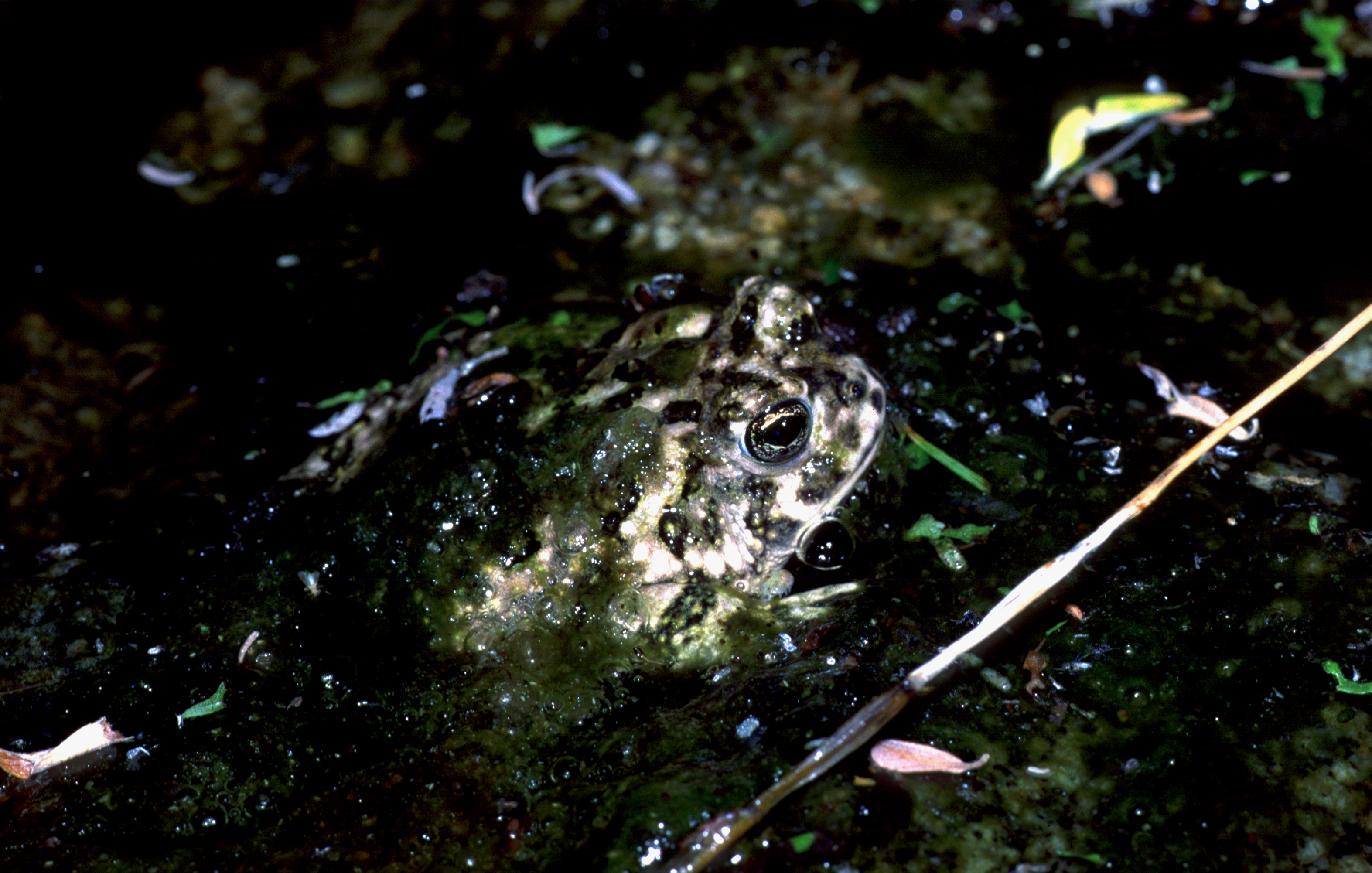
While conducting monitoring surveys on February 26, 2013 at the southernmost extant population in the USA, an adult male [Rana draytonii] was discovered dead, entangled in several native blackberry ([Rubus ursinus]) vines just below the surface of the water.
Papers & Reports Correction of Locality Records for the Endangered Arroyo Toad (Anaxyrus californicus) from the Desert Region of Southern California
Authors: Edward L Ervin; Kent R Beaman; Robert N Fisher
Date: 2013-12 | Outlet: Bulletin of the Southern California Academy of Sciences
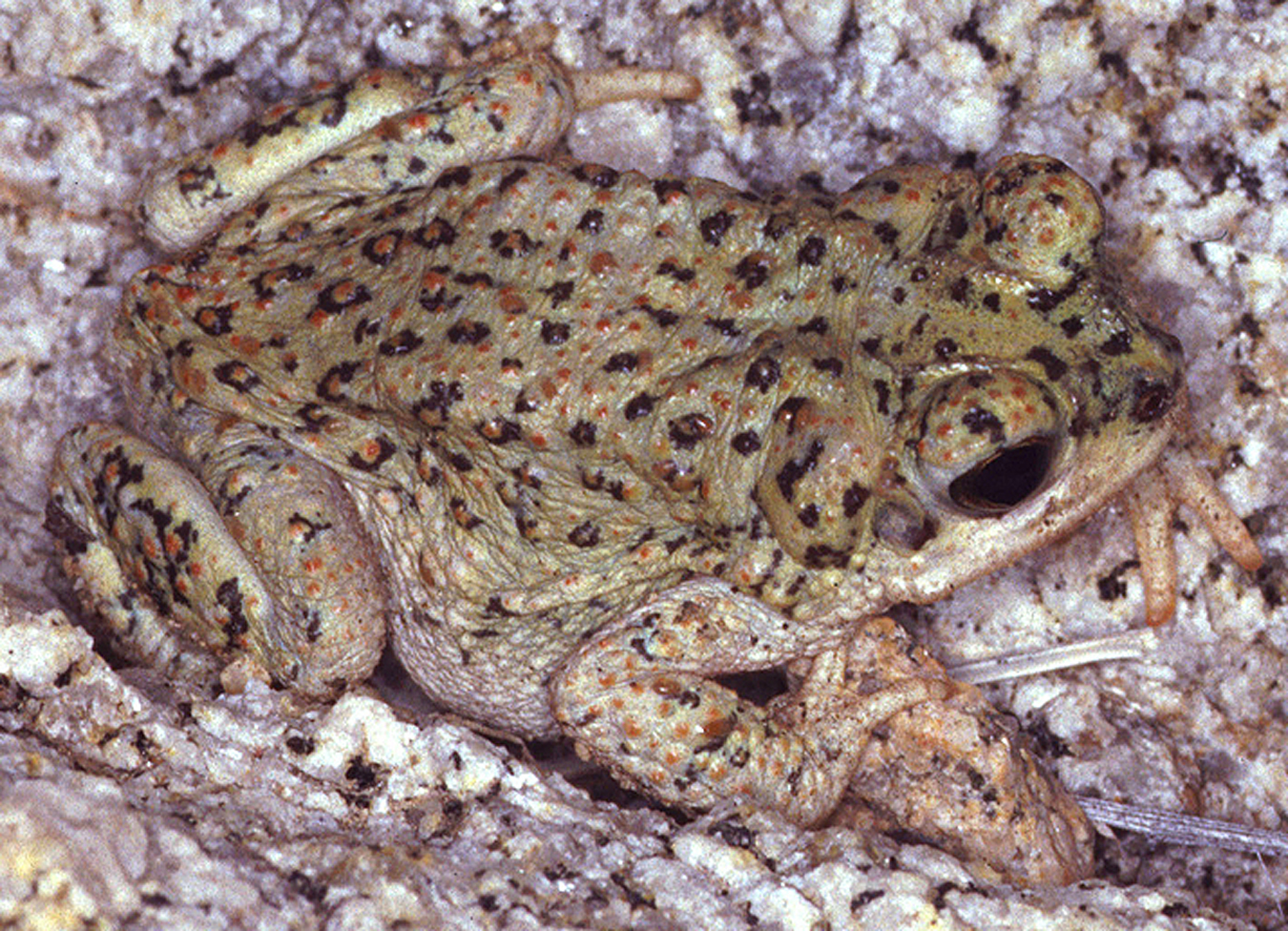
The development of an effective recovery plan for an endangered species requires knowledge of that species distribution and spatial arrangements within preferred habitat. Although the best available information of a species distribution is used to develop a plan, it is often lacking in regard to its actual geographical extent. The arroyo toad (Anaxyrus californicus) occurs in coastal drainages from Monterey County, California, south into northwestern Baja California, Mexico. Through field reconnaissance and the study of museum specimens, we determined that the four reported populations of the arroyo toad in the Sonoran Desert region of Riverside, San Diego, and Imperial counties, California are in error. Two additional sites in the Sonoran Desert are discussed regarding the possibility that the species occurs there. We recommend the continued study of arroyo toad populations in order to establish a better understanding of their distribution and the boundaries of their geographical range.
Papers & Reports Evolutionary Hotspots in the Mojave Desert
Authors: A G Vandergast; R D Inman; Kelly R Barr; K E Nussear; T C Esque; Stacie A Hathaway; D A Wood; P A Medica; Jesse W Breinholt; C L Stephen; A D Gottscho; S B Marks; W B Jennings; Robert N Fisher
Date: 2013-04-15 | Outlet: Diversity 5:293-319
Genetic diversity within species provides the raw material for adaptation and evolution. Just as regions of high species diversity are conservation targets, identifying regions containing high genetic diversity and divergence within and among populations may be important to protect future evolutionary potential. When multiple co-distributed species show spatial overlap in high genetic diversity and divergence, these regions can be considered evolutionary hotspots. We mapped spatial population genetic structure for 17 animal species across the Mojave Desert, USA. We analyzed these in concurrence and located 10 regions of high genetic diversity, divergence or both among species. These were mainly concentrated along the western and southern boundaries where ecotones between mountain, grassland and desert habitat are prevalent, and along the Colorado River. We evaluated the extent to which these hotspots overlapped protected lands and utility-scale renewable energy development projects of the Bureau of Land Management. While 30–40% of the total hotspot area was categorized as protected, between 3–7% overlapped with proposed renewable energy project footprints, and up to 17% overlapped with project footprints combined with transmission corridors. Overlap of evolutionary hotspots with renewable energy development mainly occurred in 6 of the 10 identified hotspots. Resulting GIS-based maps can be incorporated into ongoing landscape planning efforts and highlight specific regions where further investigation of impacts to population persistence and genetic connectivity may be warranted.
Papers & Reports Comparative phylogeography reveals deep lineages and regional evolutionary hotspots in the Mojave and Sonoran Deserts
Authors: D A Wood; A G Vandergast; Kelly R Barr; R D Inman; T C Esque; K E Nussear; Robert N Fisher
Date: 2012 | Outlet: Diversity and Distributions 19:722-737
Aim We explored lineage diversification within desert-dwelling fauna. Our goals were (1) to determine whether phylogenetic lineages and population expansions were consistent with younger Pleistocene climate fluctuation hypotheses or much older events predicted by pre-Pleistocene vicariance hypotheses, (2) to assess concordance in spatial patterns of genetic divergence and diversity among species and (3) to identify regional evolutionary hotspots of divergence and diversity and assess their conservation status.
Location Mojave, Colorado, and Sonoran Deserts, USA.
Methods We analysed previously published gene sequence data for twelve species. We used Bayesian gene tree methods to estimate lineages and divergence times. Within each lineage, we tested for population expansion and age of expansion using coalescent approaches. We mapped interpopulation genetic divergence and intra-population genetic diversity in a GIS to identify hotspots of highest genetic divergence and diversity and to assess whether protected lands overlapped with evolutionary hotspots.
Results In seven of the 12 species, lineage divergence substantially predated the Pleistocene. Historical population expansion was found in eight species, but expansion events postdated the Last Glacial Maximum (LGM) in only four. For all species assessed, six hotspots of high genetic divergence and diversity were concentrated in the Colorado Desert, along the Colorado River and in the Mojave/Sonoran ecotone. At least some proportion of the land within each recovered hotspot was categorized as protected, yet four of the six also overlapped with major areas of human development.
Main conclusions Most of the species studied here diversified into distinct Mojave and Sonoran lineages prior to the LGM – supporting older diversification hypotheses. Several evolutionary hotspots were recovered but are not strategically paired with areas of protected land. Long-term preservation of species-level biodiversity would entail selecting areas for protection in Mojave and Sonoran Deserts to retain divergent genetic diversity and ensure connectedness across environmental gradients.
News & Stories Pesticide Accumulation in Chorus Frogs of the Sierra Nevada
Authors: Lianne Ball
July 26, 2013

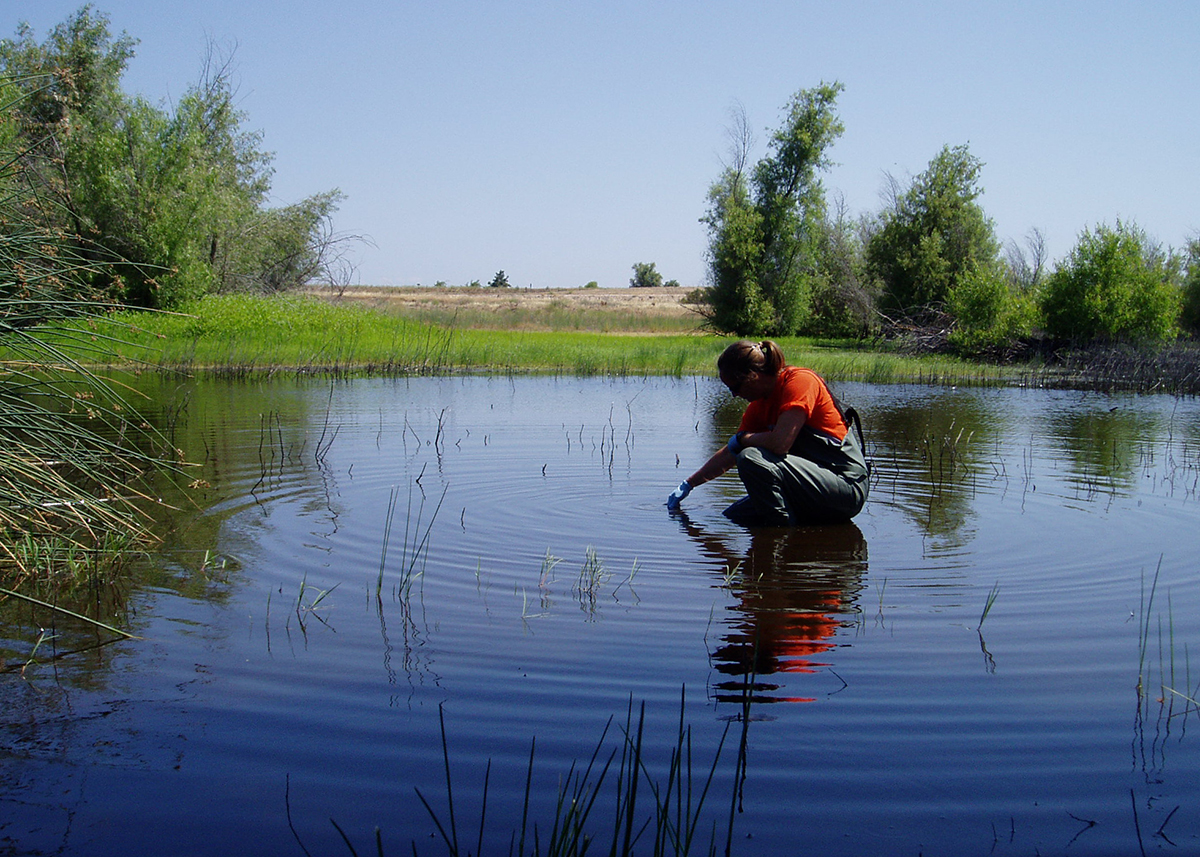
ARMI researchers in California published a paper today about their work on pesticide detection in Pacific chorus frogs (Pseudacris regilla) in the Sierra Nevada. The paper published today in the scientific journal Environmental Toxicology and Chemistry and under lead author Kelly Smalling, reports that several currentuse pesticides, especially fungicides, were found in the tissues of frogs collected from various remote and protected areas in California. Notably, on many occasions when pesticides were detected in the frog tissue, they were not detected in the accompanying water and sediment samples. http://www.usgs.gov/newsroom/article.asp?ID=3650

Papers & Reports Population-level thermal performance of a cold-water ectotherm is linked to ontogeny and local environmental heterogeneity
Authors: Blake R Hossack; W H Lowe; M AH Webb; M J Talbott; K M Kappenman; P. Stephen Corn
Date: 2013-11 | Outlet: Freshwater Biology 58:2215-2225
1. Negative effects of global warming are predicted to be most severe for species that occupy a narrow range of temperatures, have limited dispersal abilities, or have long generation times. These are characteristics typical of many species that occupy small, cold streams.
2. Habitat use, vulnerabilities and mechanisms for coping with local conditions can differ among populations and ontogentically within populations, potentially affecting species-level responses to climate change. However, we still have little knowledge of mean thermal performance for many vertebrates, let alone variation in performance among populations. Assessment of these sources of variation in thermal performance is critical for projecting the effects of climate change on species and for identifying management strategies to ameliorate its effects.
3. To gauge how populations of the Rocky Mountain tailed frog (Ascaphus montanus) might respond to long-term effects of climate change, we measured the ability of tadpoles from six populations in Glacier National Park (Montana, USA) to acclimate to a range of temperatures. We compared survival among populations according to tadpole age (age 1-yr or 2-yr) and according to the mean and variance of late-summer temperatures in natal streams.
4. The ability of tadpoles to acclimate to warm temperatures increased with age and with variance in late-summer temperature of natal streams. Moreover, performance differed among populations from the same catchment.
5. Our experiments with a cold-water species show that population-level performance varies across small geographic scales and is linked to local environmental heterogeneity. This variation could influence the rate and mode of species-level responses to climate change, both by facilitating local persistence in the face of changes in thermal conditions, and by providing thermally-tolerant colonists to neighbouring populations.
News & Stories The Oregonian meets ARMI scientist Michael Adams
June 17, 2013

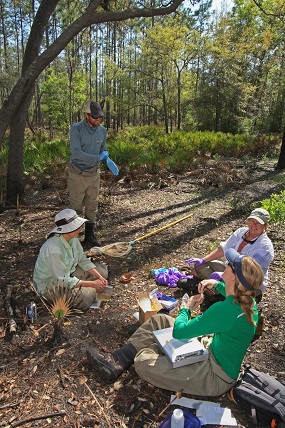
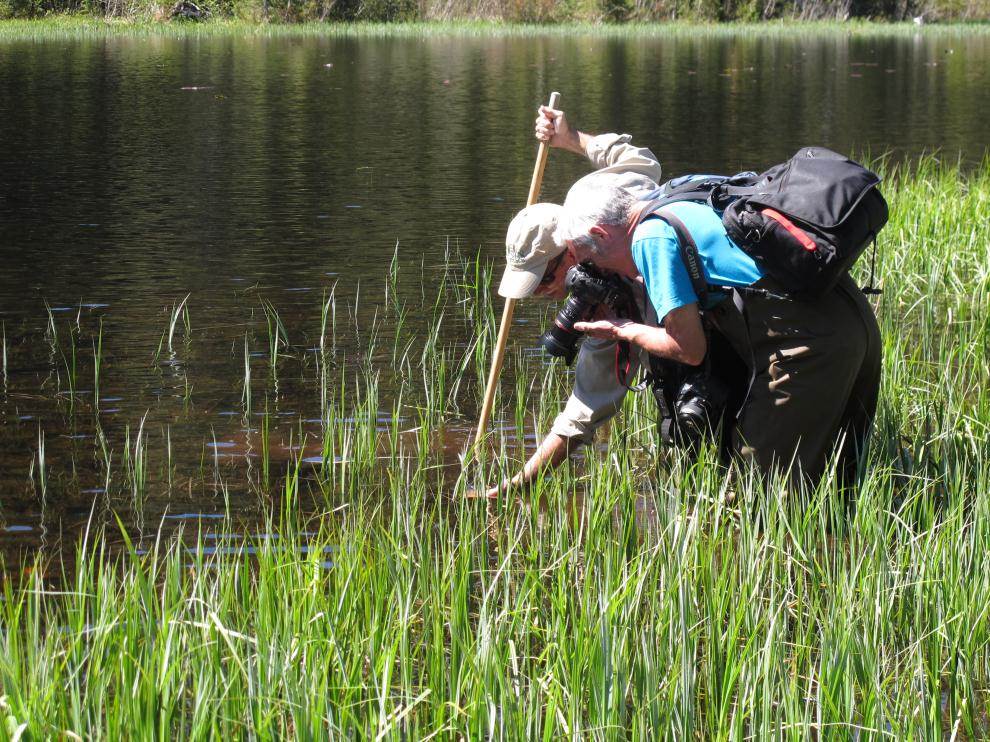
Staff from The Oregonian, based in Portland Oregon, went out to the Willamette National Forest with ARMI scientist Michael Adams and some of his field crew to talk about the state of amphibians.

Adams, lead author of the recent paper on national declines in amphibian populations ( dx.plos.org/10.1371/journal.pone.0064347 ) discussed the findings of the paper and what it takes to acquire and analyze these kinds of data.

LINK to The Oregonian http://www.oregonlive.com/environment/index.ssf/2013/06/as_numbers_decline_hunting_for.html