Search ARMI Database
Search term(s)
Contribution Number
Search Results
1290 record(s) found.

News & Stories Endangered Frogs Get Helping Hands on Road to Recovery
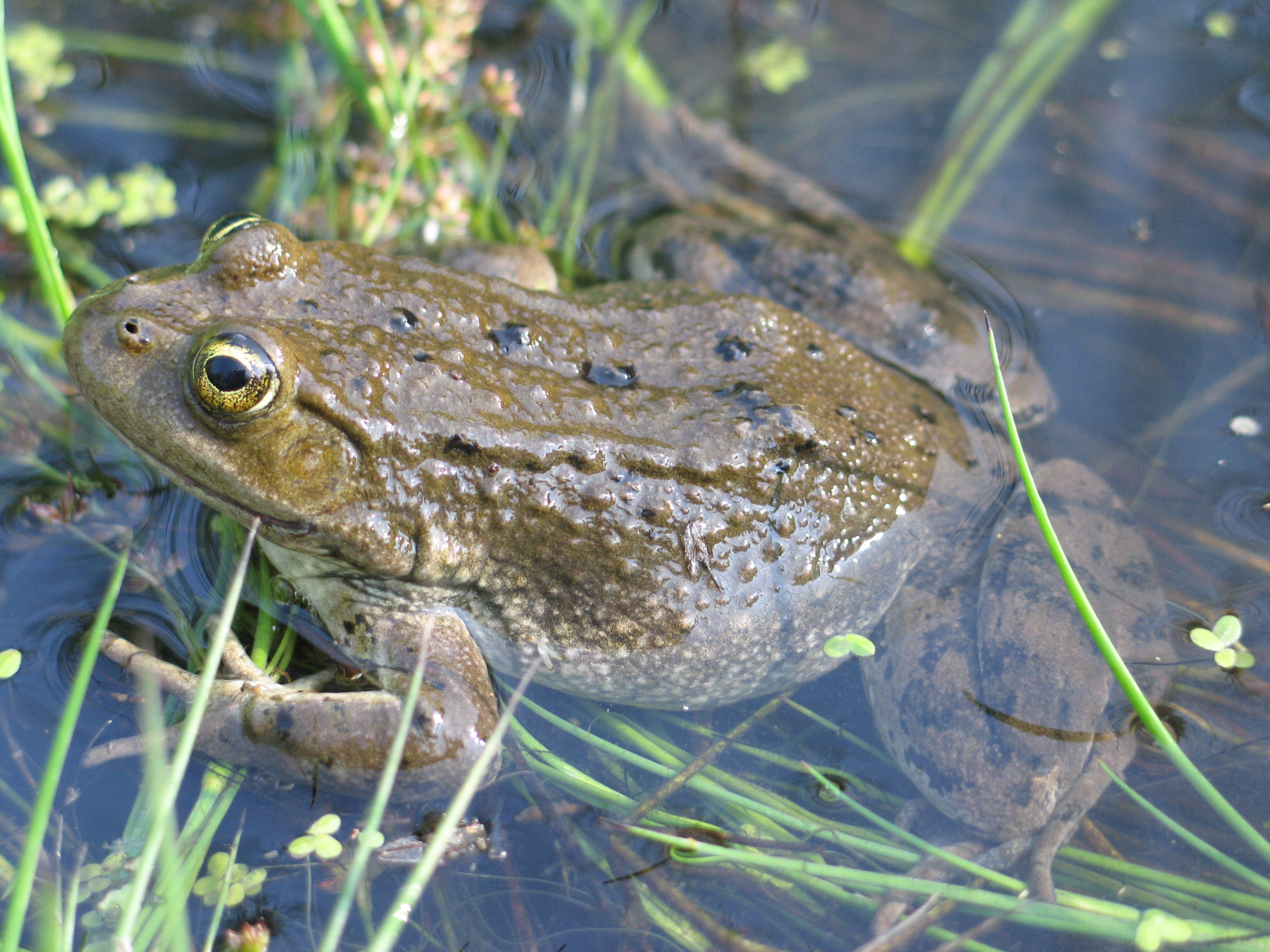
Another hop forward in the quest to recover the endangered mountain yellow-legged frog (Rana muscosa) took place on June 12, 2013, with the release of 100 juvenile frogs to Indian Creek at the James Reserve, part of the University of California Natural Reserve System.
Watched over by a team of Federal, State, and private scientists, the mountain yellow-legged frog continues to maintain a perilous toehold in the mountains of southern California. Mountain yellow-legged frogs in southern California live in perennial streams in portions of the San Gabriel, San Bernardino, and San Jacinto Mountains. The upper elevation stream segments inhabited by the frogs are generally 1,214 to 7,546 feet above sea level.
The U.S. Fish and Wildlife Service listed the mountain yellow-legged frog in southern California as endangered in 2002. Reduced to fewer than 200 individuals by 2003, efforts to boost the species’ population have included captive breeding, reintroducing captive offspring to historic habitat, and conducting scientific research into the causes of the species’ decline.
The froglets set free at the James San Jacinto Mountains Reserve today were raised by the San Diego Zoo Institute for Conservation Research. In addition, a female adult frog raised by the Los Angeles Zoo and outfitted with a transmitter will also be released at the site.
“It is truly a thrill to see the mountain yellow-legged frog once again in Indian Creek where until very recently, the mid-1990s, natural populations existed,” said Jennifer Gee, director of James San Jacinto Mountains Reserve.
“We are optimistic that the release of froglets will be successful and help re-establish a population within Hall Canyon,” said Mike Giusti, California Department of Fish and Wildlife senior environmental scientist. “The success of this effort will be used as a model for re-establishment of frogs in other streams within the frog’s historic range.”
Factors that impact this species include chytrid fungus, a serious threat to the frogs in the U.S. and around the world; large wildfires that may bury the species’ stream habitats in ash and debris; and recreational activities that may impact frog recovery by damaging egg sacs when people swim in or cross occupied streams.
“The mountain yellow legged frog lives completely within the Angeles and San Bernardino National Forests. The Forest Service identified the need to remove tadpoles from the forest during drought conditions, which subsequently jump-started the current captive breeding population,” said Anne Poopatanapong, district biologist for San Bernardino National Forest. “We continue to administer funds to conduct recovery actions, and the Forest Service is implementing management actions, including trout removal on the North Fork San Jacinto River and Fuller Mill Creek and hazardous fuels reduction on the North Fork, to help increase suitability of habitat for this fragile amphibian.”
“We often think of endangered species as something exotic in far-away countries,” says Adam Backlin, an ecologist with the U.S. Geological Survey Western Ecological Research Center who leads the field monitoring effort on the species. “But we’ve got this one right here in southern California, and what we learn from this reintroduction and monitoring effort will teach us a lot about how to help other declining amphibian species in the U.S. and around the world.”
The frog is one of three frog or toad species native to southern California that is protected under the Endangered Species Act – the other two species are the endangered arroyo toad and the threatened California red-legged frog.
Both the San Diego Zoo Institute for Conservation Research and the Los Angeles Zoo and Botanical Gardens are actively rearing the mountain yellow-legged frog in captivity for release to the wild. Funding for the captivity and reintroduction program has been provided by the California Department of Transportation, as mitigation for the State Route 330 emergency project. Since 2011, the San Diego Zoo Institute for Conservation Research has reared about 300 frogs and the Los Angeles Zoo and Botanical Gardens has produced 210.
“We have cared for hundreds of mountain yellow-legged frogs and watched as they metamorphosed from tiny tadpoles into juvenile frogs, and we are excited to release them into the wild,” said Frank Santana, research coordinator for San Diego Zoo’s Institute for Conservation Research. “With a dedicated post-release monitoring plan we expect to learn a great deal of information from this reintroduction as we work towards restoring this native species to southern California mountain streams.”
"The Los Angeles Zoo and Botanical Gardens is proud to participate in this program," states curator of reptiles & amphibians, Ian Recchio. “In 2011, the Los Angeles Zoo and Botanical Gardens’ reptile and amphibian staff released 160 mountain yellow-legged frog tadpoles into the San Jacinto Mountains, with the hope of significantly increasing the wild population of this species.”
In May of this year, this partnership effort to recover the mountain yellow-legged frog was recognized by the California Transportation Foundation as the Sustainable Environmental Enhancement Program/Project of the Year. The Announcement and video are available at: http://www.transportationfoundation.org/transportation-awards/
Efforts such as this are important to ensuring the conservation of our native amphibians which are in trouble. A nine-year effort to survey amphibians across the United States found that all species are declining, even those within wildlife refuges, national parks, and other protected areas. Researchers have not been able to identify all the potential factors causing the declines, which may include habitat loss, effects of pesticides, invasive species, and disease. A full copy of the report is available online at http://www.usgs.gov/newsroom
Photos and video of the release can be downloaded at from the San Diego Zoo Global website at https://sandiegozoo.box.com/s/nffi2p8g2wuynooh63zx
Additional photos of the frogs are available online at the USGS Photo Gallery http://gallery.usgs.gov/photos/05_19_2011_mQHt38Vjj1_05_19_2011_6
Short video of release: http://www.mydesert.com/article/20130612/NEWS07/306120029/Endangered-frogs-reintroduced-into-wilderness?nclick_check=1
Papers & Reports Monitoring and managing declines in an amphibian community
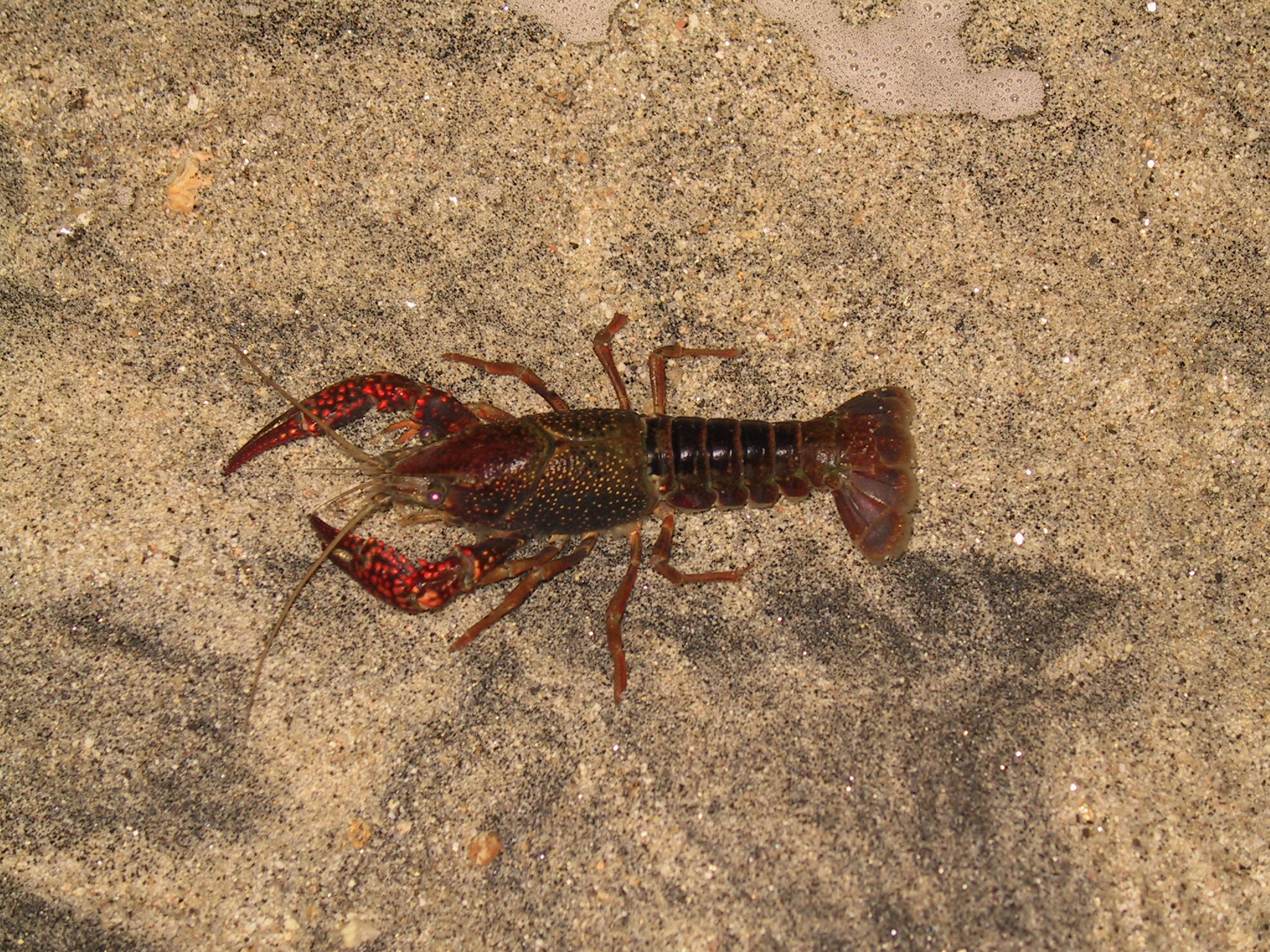
Papers & Reports Effects of natural flooding and trapping on the facilitation of invasive crayfish-native amphibian coexistence in a semi-arid perennial stream.
News & Stories NEW STUDY: ARMI paper documents surprising rates of amphibian declines in U.S.
We have summarized nine years of regional monitoring data to describe the rate at which amphibian populations have been changing at our survey sites across the country. The results, published in the scientific journal PLoS ONE, estimate declining trends for many species of frogs, toads and salamanders in all regions of the country. It is the first-ever broad assessment of amphibian populations in the United States, and the first quantitative estimate of trends for amphibian populations at a continental scale.
Citation: Adams M.J., Miller D.A.W., Muths E., Corn P.S., Grant E.H.C., Bailey L.L., Fellers G.M., Fisher R.N., Sadinski W.J., Waddle H. & Walls S.C. (2013). Trends in amphibian occupancy in the United States. PLoS ONE. http://dx.plos.org/10.1371/journal.pone.0064347
Download answers to Frequently Asked Questions on this study (PDF): http://armi.usgs.gov/docs/Adams%20et%20al%202013%20PLoS%20Amphibian%20Decline%20USGS%20ARMI%20FAQ.pdf
Read the press release from USGS: http://www.usgs.gov/newsroom/article.asp?ID=3597
News & Stories Top Story at USGS: ARMI Research from Nation’s Amphibian Hotspot
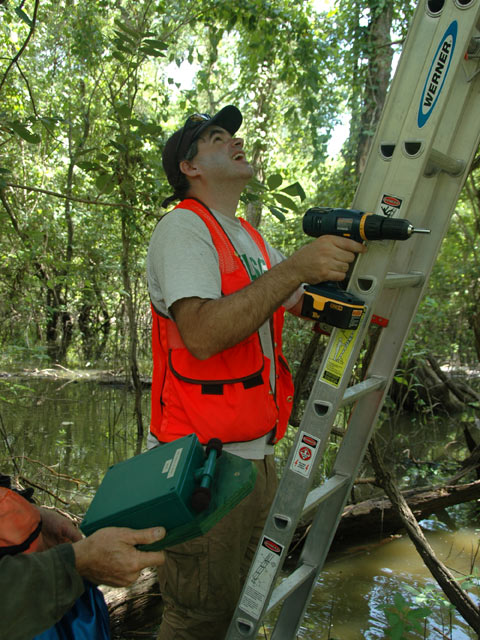
ARMI scientists Drs. Susan Walls (Southeast ARMI) and Hardin Waddle (South Central ARMI) recently published 3 papers from research conducted in our nation’s amphibian biodiversity hotspot. Walls and her colleagues synthesized what is known about current and possible future effects of extreme precipitation events on amphibians across the country; and then report findings from these actual weather events on mole salamanders (Ambystoma talpoideum) in St Marks National Wildlife Refuge, in Florida’s panhandle.
Further West, Waddle and his team reported the effect of restoring the hydrological flows to former agricultural lands in the Lower Mississippi Valley on species diversity and abundance of native frogs and toads. This voluntary restoration program is made possible through the U.S. Department of Agriculture’s Wetlands Reserve Program.
Papers: Waddle,J. H., B. M. Glorioso, and S. P. Faulkner. 2013. A Quantitative Assessment of the Conservation Benefits of the Wetlands Reserve Program to Amphibians. Restoration Ecology Vol. 21, pp. 200–206.
Walls, S. C., W. J. Barichivich, and M. E. Brown. 2013. Drought, Deluge and Declines: The Impact of Precipitation Extremes on Amphibians in a Changing Climate. Biology Vol. 2, pp. 399-418.
Walls, S. C., W. J. Barichivich, M. E. Brown, D. E. Scott, and Blake R. Hossack. 2013. Influence of Drought on Salamander Occupancy of Isolated Wetlands on the Southeastern Coastal Plain of the United States. Wetlands Vol.33, pp 345-354.
Papers & Reports Experimental evidence for American bullfrog (Lithobates catesbeianus) susceptibility to chytrid fungus (Batrachochytrium dendrobatidis)
Papers & Reports Factors Influencing Detection of eDNA from a Stream-dwelling Amphibian
Papers & Reports Estimating Occupancy and Abundance of Stream Amphibians Using Environmental DNA from Filtered Water Samples
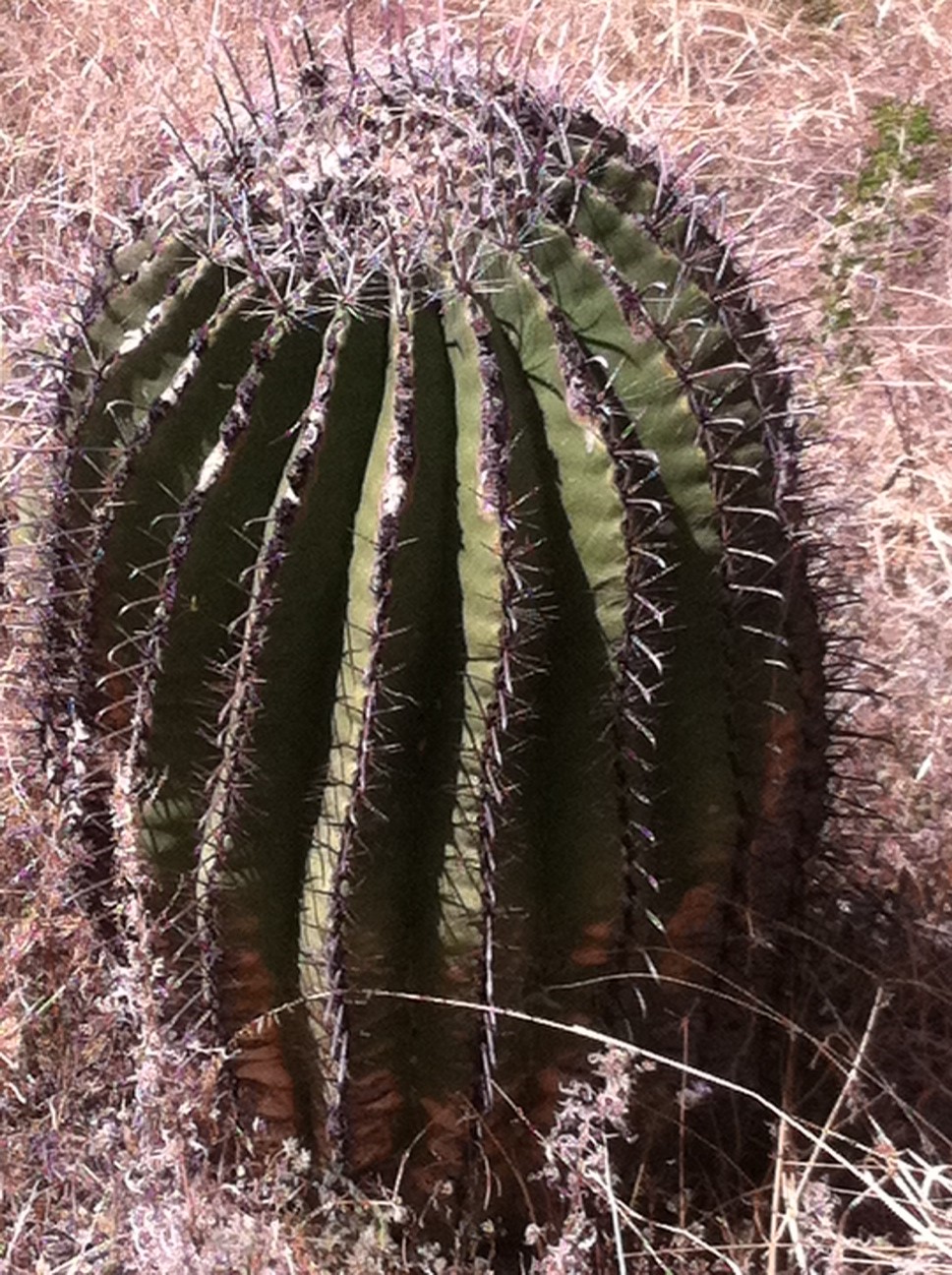
Papers & Reports Prevalence of the amphibian chytrid fungus (Bd) at Buenos Aires National Wildlife Refuge, Arizona

Papers & Reports Evidence for Plasticity in the Frequency of Skipped Breeding Opportunities in Common Toads

Papers & Reports Trends in amphibian occupancy in the United States
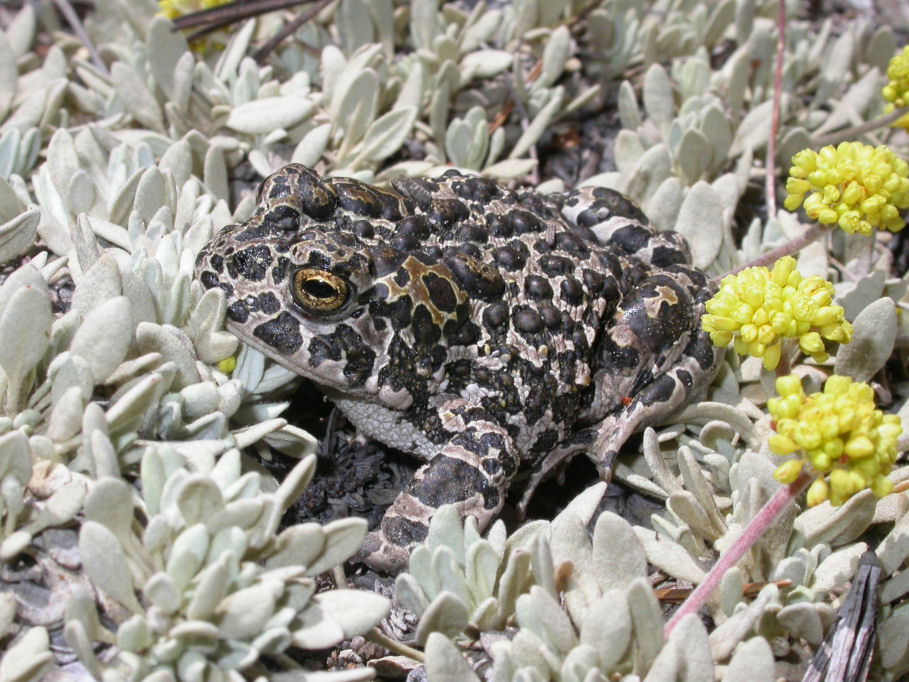
Papers & Reports A network extension of species occupancy models in a patchy environment applied to the Yosemite toad (Anaxyrus canorus)
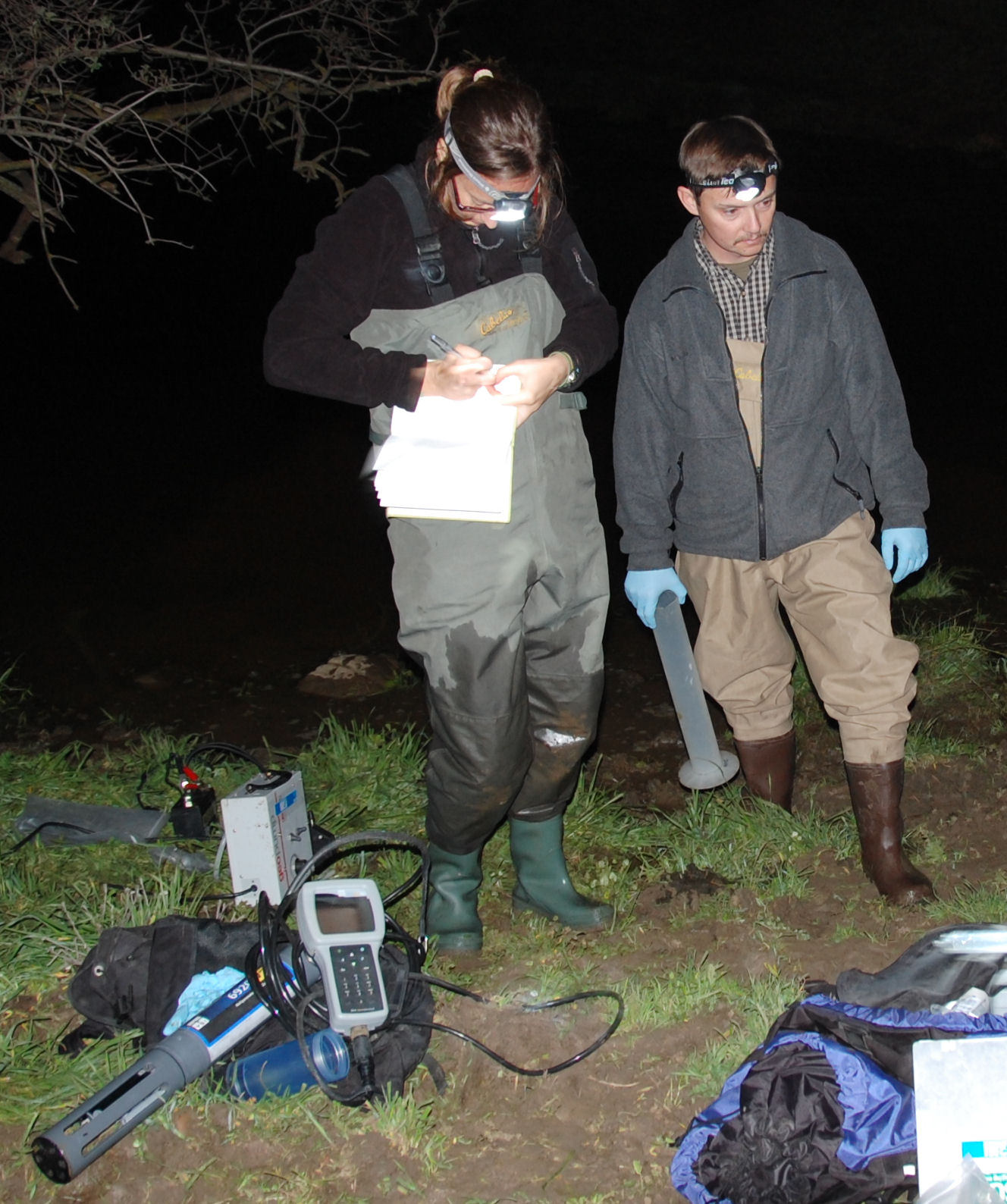
Papers & Reports Accumulation of pesticides in Pacific chorus frogs Pseudacris regilla from California's Sierra Nevada mountains, USA
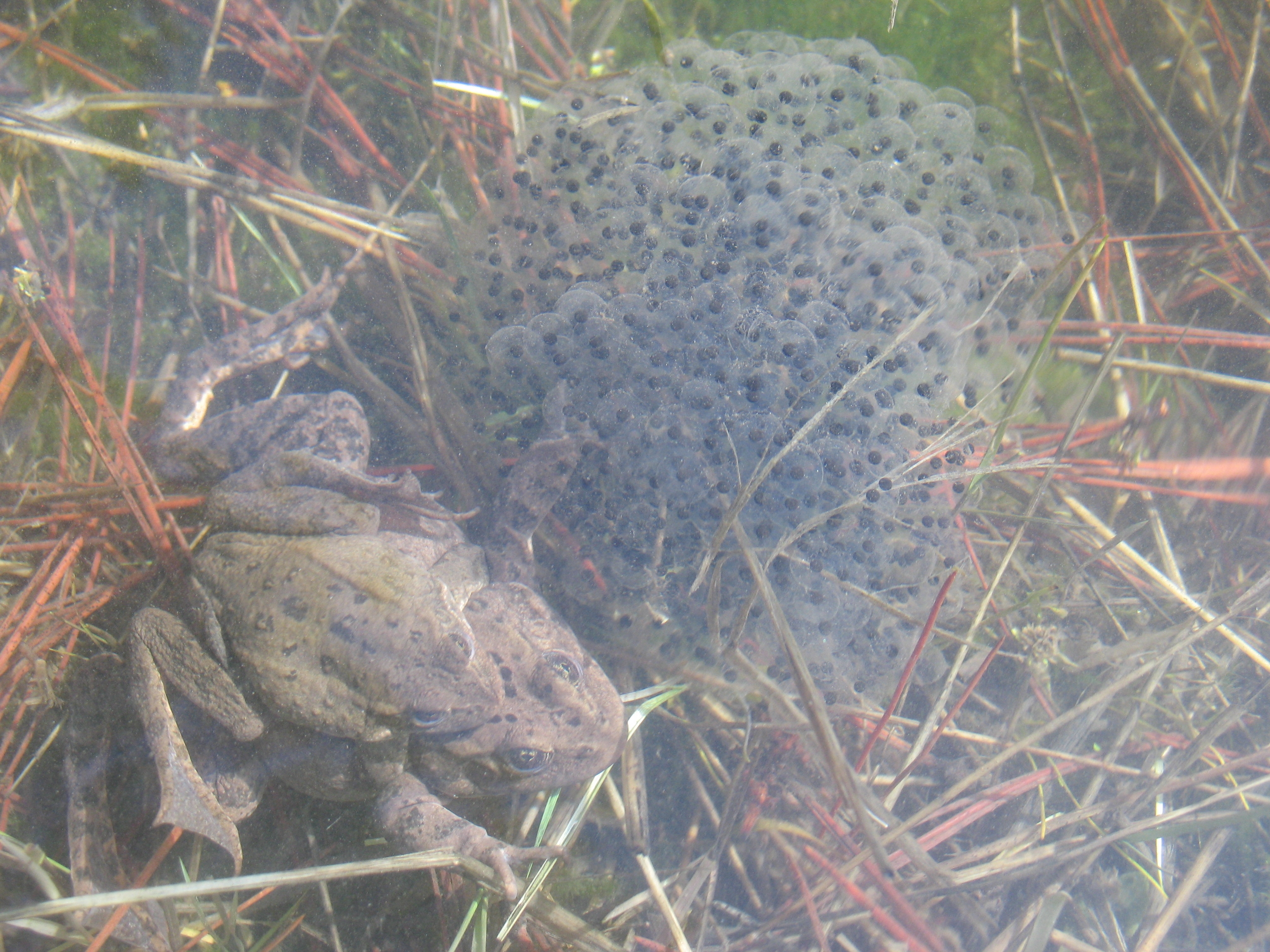
Papers & Reports Roles of habitat, restoration, and drought frequency in driving long-term trends of a widespread amphibian
Keywords:
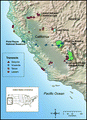
Papers & Reports Pesticides in Amphibian Habitats of Central and Northern California
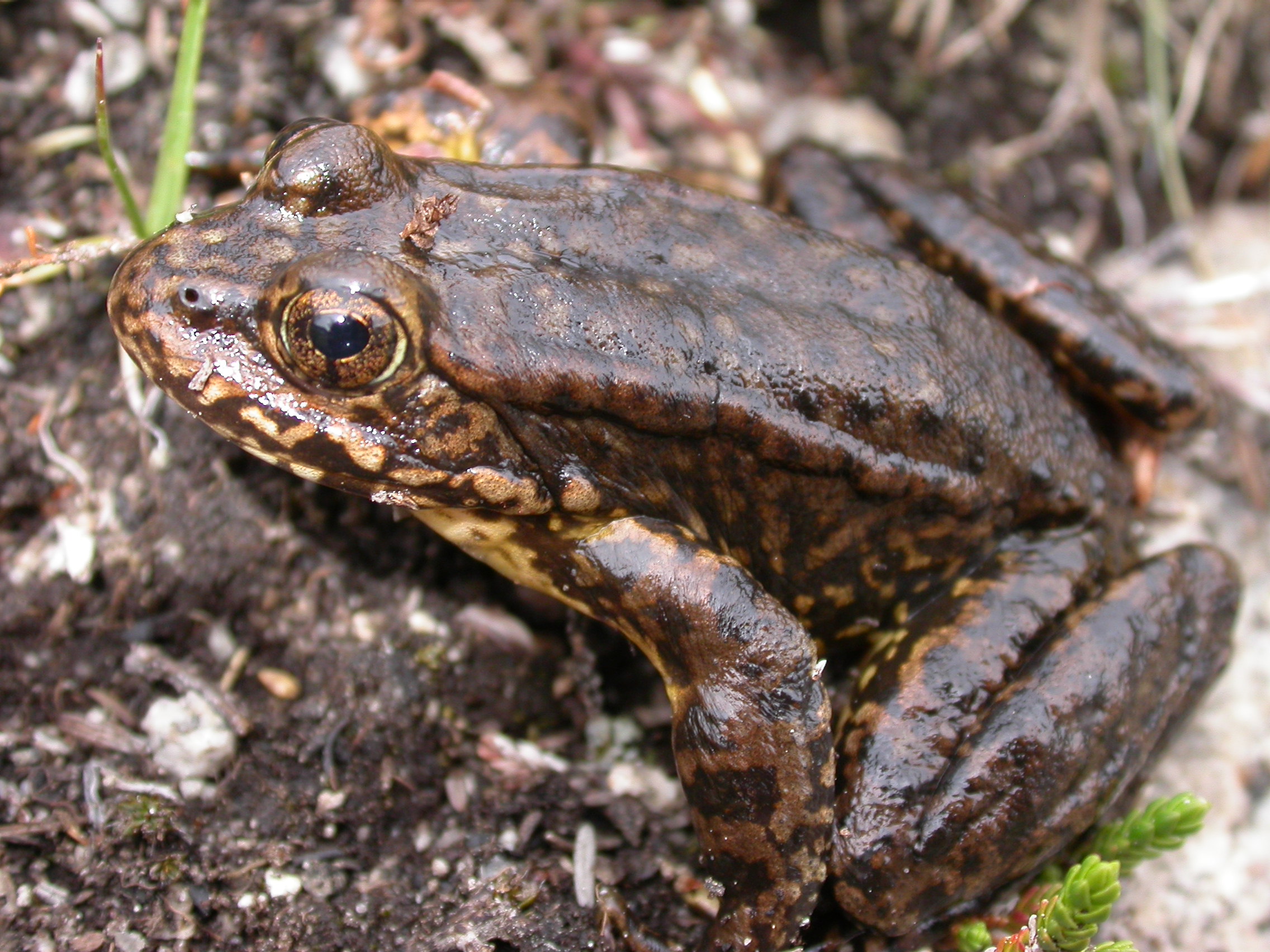
Papers & Reports Population Size, Survival, Growth, and Movements of Rana sierrae
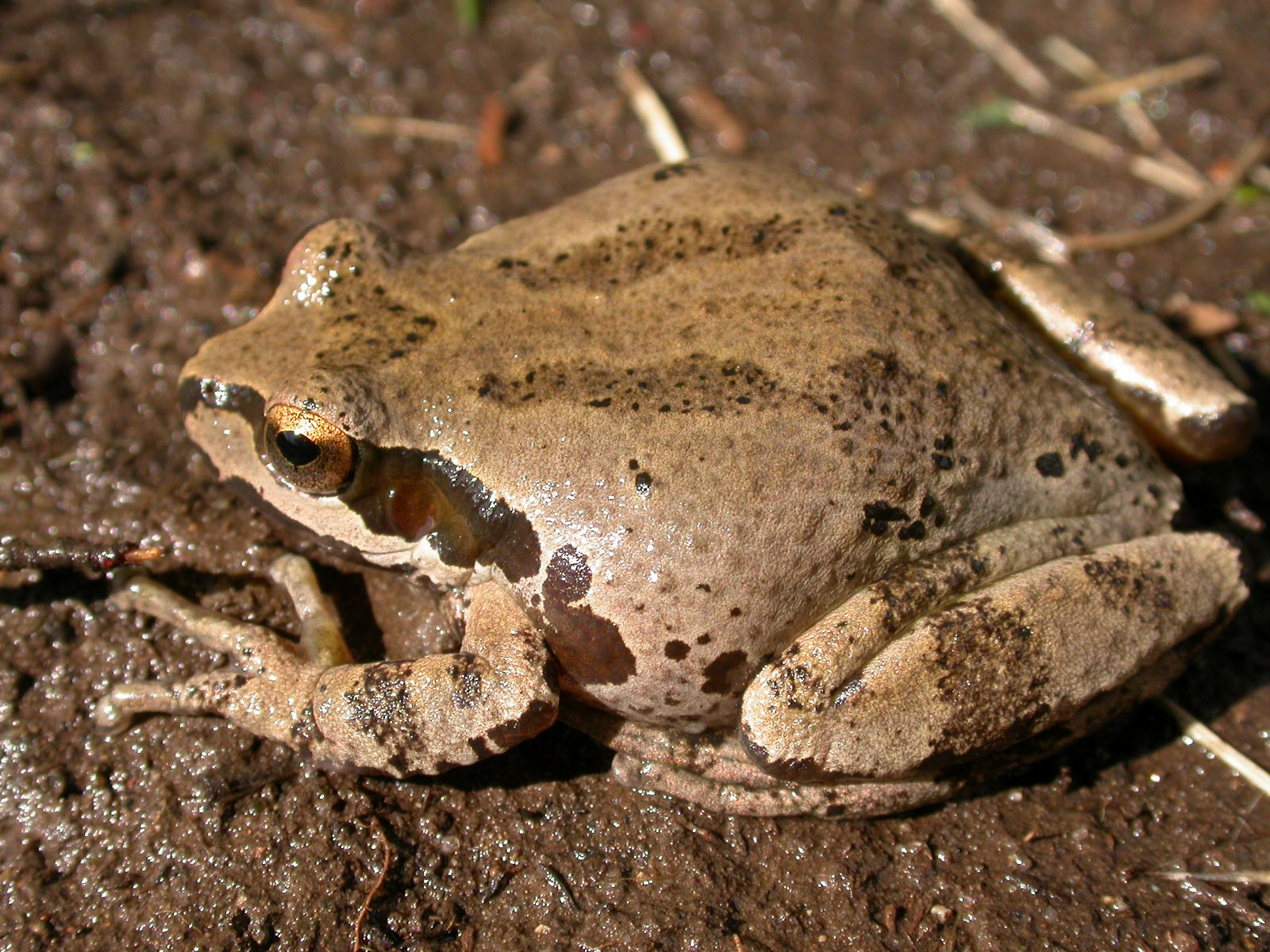
Papers & Reports Expression analysis and identification of antimicrobial peptide transcripts from six North American frog species
Papers & Reports Evaluating breeding and metamorph occupancy and vernal pool management effects for wood frogs using a hierarchical model
2. We developed an occupancy model and estimated parameters within a Bayesian framework to investigate the factors influencing probabilities of wood frog (Lithobates sylvatica) breeding and successful metamorphosis at Patuxent Research Refuge, Maryland, USA. Our objectives were to obtain estimates of breeding occurrence and metamorph occupancy and evaluate the success of current management actions.<br />
3. The probabilities of wood frog breeding and successful metamorphosis varied by year and were positively related to the pond’s typical hydroperiod length and annual precipitation. Contrary to our predictions, previous occupancy states had little effect on breeding and metamorph occupancy probabilities, which is likely due to high correlation of occupancy with hydroperiod. Though sample sizes were small, management actions resulted in an increase in both breeding and metamorph occupancy probabilities.<br />
4. Synthesis and applications. We demonstrate that management actions targeting short-hydroperiod pools favorably influence both components of breeding success. Still, continued monitoring is needed to determine whether managed pools remain suitable for wood frogs. With predicted changes in climate and a positive relationship between <br />
breeding occupancy and winter precipitation, a proactive focus on active management of vernal pools may provide a means to maintain wood frog populations into the future.
Papers & Reports Drought, deluge and declines: the impact of precipitation extremes on amphibians in a changing climate