
Far-out Friday
There is a lot of “Gee-Whiz” trivia about amphibians – some can create their own cocoon, some have “horns”, and some feed their young on their skin and secrete “milk”. The way they look is pretty far-out; sometimes they look like a ballon (Purple Frog), or a worm (Caecilians), or seem flat as a pancake (Surinam Toad). Although these characteristics may seem far-out to us, most play a role in amphibians’ ability to survive and thrive in their diverse habitats.
USGS ARMI (Amphibian Research and Monitoring Initiative) scientists study a number of species that are especially good at persisting in challenging habitats and employ some pretty far-out techniques to do this.
For example, Arroyo Toads typically live in sandy soils along terraced stream beds (arroyos) in southern California. These flood-disturbed habitats are characterized by irregular high flow events followed by slow moving water that forms shallow pools. It is these sandy-bottomed pools that Arroyo Toads depend on for breeding. Arroyo Toads are also adept at using upland habitat – up to one kilometer from the stream for feeding and for burrowing. This toad is federally endangered in the United States and in Mexico. One threat to Arroyo Toads is the invasive bullfrog that will eat adult toads (Arroyo Toads are much smaller than bullfrogs). Warning: this movie shows an endangered Arroyo Toad being removed from a euthanized bullfrog’s stomach; there is blood, but it is definitely Far-out.
One fascinating adaptation that is pretty far-out are the mouthparts of Tailed Frog tadpoles (see the story for Streamy Sunday). A closeup of these mouthparts (Fig. 1) is reminiscent of the Sandworms from Dune (Fig. 2) or maybe the xenomorph from Alien. But, for real, these unusual mouthparts are crucial to the ability of Tailed Frog tadpoles to survive in their fast-moving aquatic habitats. ARMI researchers and colleagues are investigating different aspects of Tailed Frogs including how changes in water temperature affect tadpole physiology and the effects of forest fire on population dynamics.
So many far-out topics for amphibians! The list seems endless, but here is one more: Some salamanders don’t even have lungs! The Plethodontidae, or Lungless Salamanders are salamanders that breathe entirely through their skin and some tissue inside their mouths. Plethodontid salamanders are also unusual relative to most other salamanders because they produce live young – no tadpole stage for them. Eastern North America is the global hotspot for biodiversity in plethodontid salamanders like the wide-spread red-backed salamander. ARMI scientists estimate that the density of red-backed salamanders (secondary consumers) across their range is 1,950 – 34,300 salamanders per ha. This means that the biomass (total quantity or mass of organisms in a certain area or volume) of red-backed salamanders is similar to, or greater than primary consumers like deer or mice (Grant et al. 2024, Biology Letters | The Royal Society) (Fig. 3). Recall, salamanders are A LOT smaller than deer, and generally smaller than mice!
So, on Far-out Friday of Amphibian Week (May 8th) put on your tie-dye and read up on your favorite amphibian’s “Gee-Whiz” attributes!
"Frog VI - Wide Smile" by callocx is licensed under CC BY 2.0.
Photo by: callocx
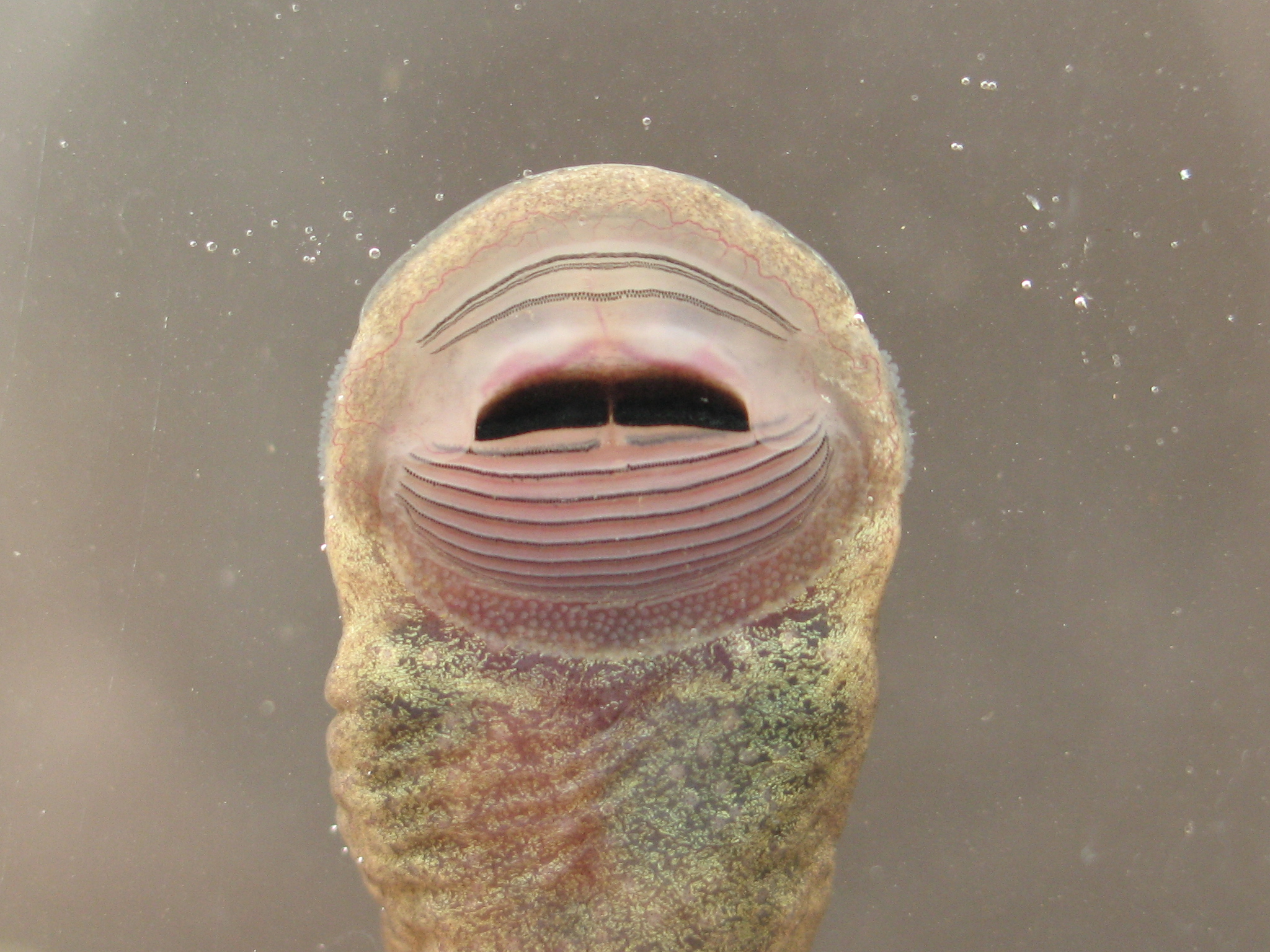
Fig. 1: The strange mouth of an Ascaphus truei.
Photo by: B. McCreary, USGS

Fig. 2: The sandworm from Dune.
Photo by: Wikipedia Commons
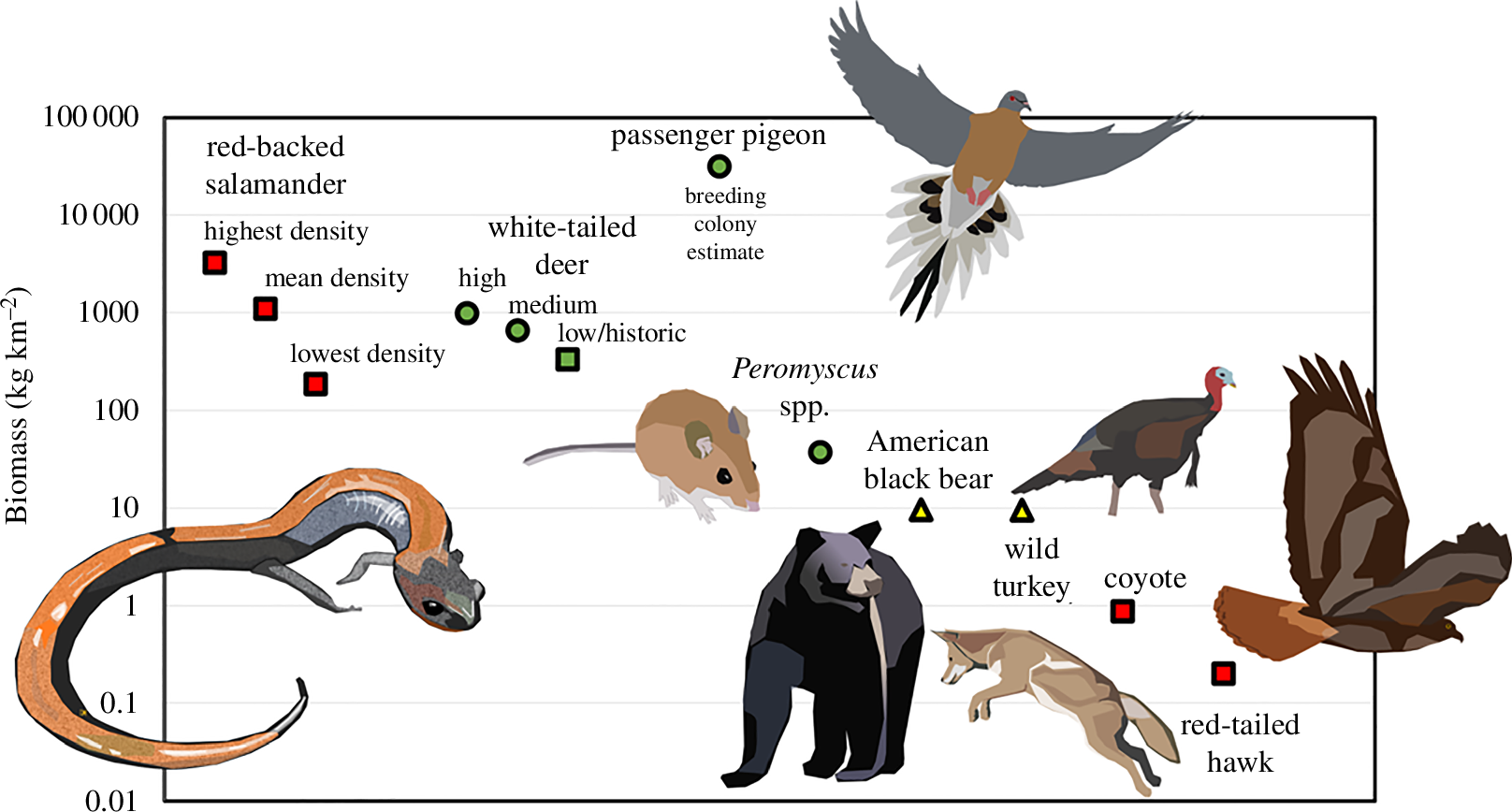
Fig. 3: Comparison of red-backed salamander (P. cinereus) estimated and biomass estimates for common vertebrates in terrestrial North American temperate forest ecosystems (Grant et al. 2024, Biology Letters | The Royal Society).
Photo by: ARMI USGS