
Search ARMI Database
Search term(s)
Contribution Number
Search Results
1290 record(s) found.
Papers & Reports Amphibian chytrid prevalence on boreal toads in SE Alaska and NW British Columbia: tests of habitat, life stages, and temporal trends
(Bd), the agent of amphibian chytridiomycosis, which has caused population declines
globally, is a priority for many land managers. However, relatively little sampling of amphibian
communities has occurred at high latitudes. We used skin swabs collected during 2005?2017 from
boreal toads Anaxyrus boreas (n = 248), in southeast Alaska (USA; primarily in and near Klondike
Gold Rush National Historical Park [KLGO]) and northwest British Columbia (Canada) to determine
how Bd prevalence varied across life stages, habitat characteristics, local species richness,
and time. Across all years, Bd prevalence peaked in June and was >3 times greater for adult toads
(37.5%) vs. juveniles and metamorphs (11.2%). Bd prevalence for toads in the KLGO area, where
other amphibian species are rare or absent, was highest from river habitats (55.0%), followed by
human-modified upland wetlands (32.3%) and natural upland wetlands (12.7%)—the same rankorder
these habitats are used for toad breeding. None of the 12 Columbia spotted frogs Rana
luteiventris or 2 wood frogs R. sylvatica from the study area tested Bd-positive, although all were
from an area of low host density where Bd has not been detected. Prevalence of Bd on toads in the
KLGO area decreased during 2005?2015. This trend from a largely single-species system may be
encouraging or concerning, depending on how Bd is affecting vital rates, and emphasizes the
need to understand effects of pathogens before translating disease prevalence into management
actions.
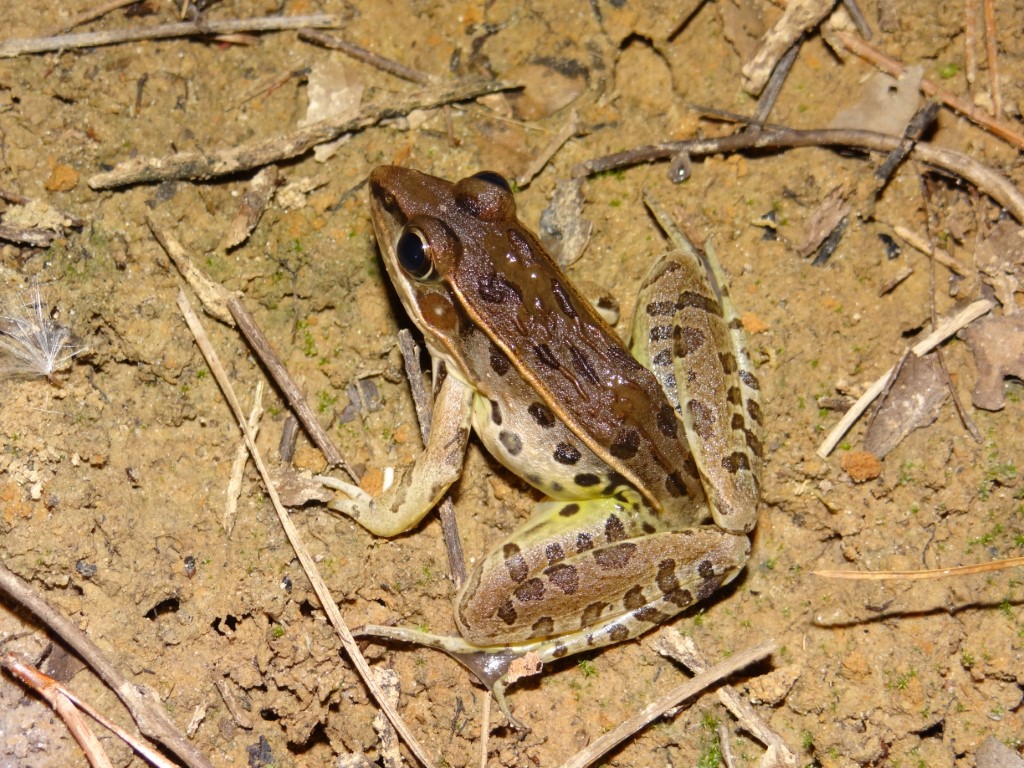
Papers & Reports Egg counts of Southern Leopard Frog, Lithobates sphenocephalus, egg masses from southern Louisiana, USA
Papers & Reports Contrasting demographic responses of toad populations to regionally synchronous pathogen (Batrachochytrium dendrobatidis) dynamics
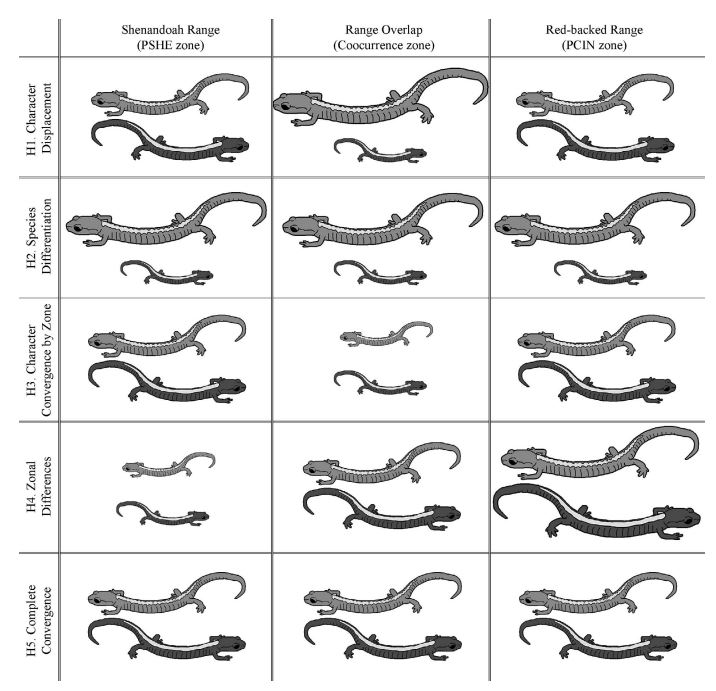
Papers & Reports Factors Facilitating Co-occurrence at the Range Boundary of Shenandoah and Red-backed Salamanders

Papers & Reports Highly variable rates of survival to metamorphosis in wild boreal toads (Anaxyrus boreas boreas)

News & Stories ARMI in the news - Recovery: Saving Mark Twain’s Famous Frog
There’s good news about amphibians, and it’s an important antidote for hopelessness.
The main character of Mark Twain’s first literary success, The Celebrated Jumping Frog of Calaveras County, was a California red-legged frog whose noted leaping ability was annulled by birdshot surreptitiously forced down its throat.
When The New York Saturday Press ran the story on November 18, 1865 California red-legged frogs were so abundant in and near the state’s coastal areas they provided a booming market for frog legs.
Today the West’s largest native frog is missing from 70 percent of its historic range and listed as federally threatened. Likely causes include an alien amphibian disease called chytrid fungus, development, urban runoff, water loss from diversions, drought and fire from climate change, past predation by humans and current predation by non-native fauna.
But recovery efforts by multiple partners, including The Nature Conservancy, are producing spectacular results.
View full article: https://blog.nature.org/science/2019/11/14/recovery-saving-mark-twains-famous-frog/
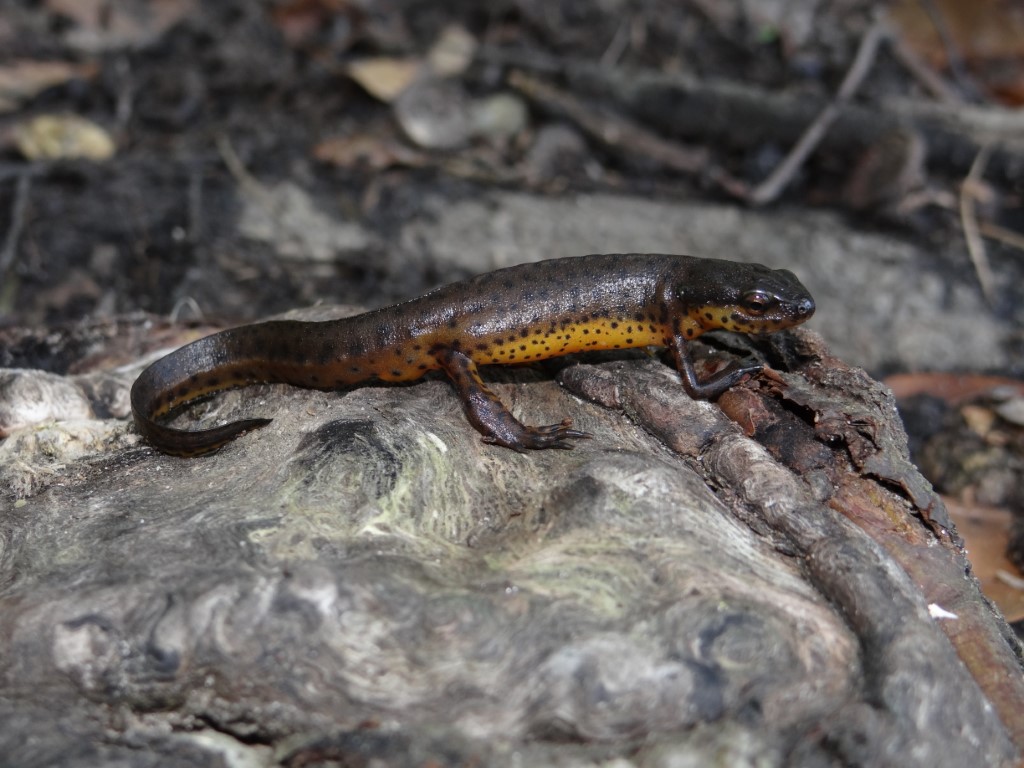
Papers & Reports Batrachochytrium salamandrivorans (Bsal) not detected in an intensive survey of wild North American amphibians
Papers & Reports Monitoring of Boreal Toads (Anaxyrus boreas) in Klondike Gold Rush National Historical Park: Survey design recommendations and trends in wetland occupancy and amphibian chytrid
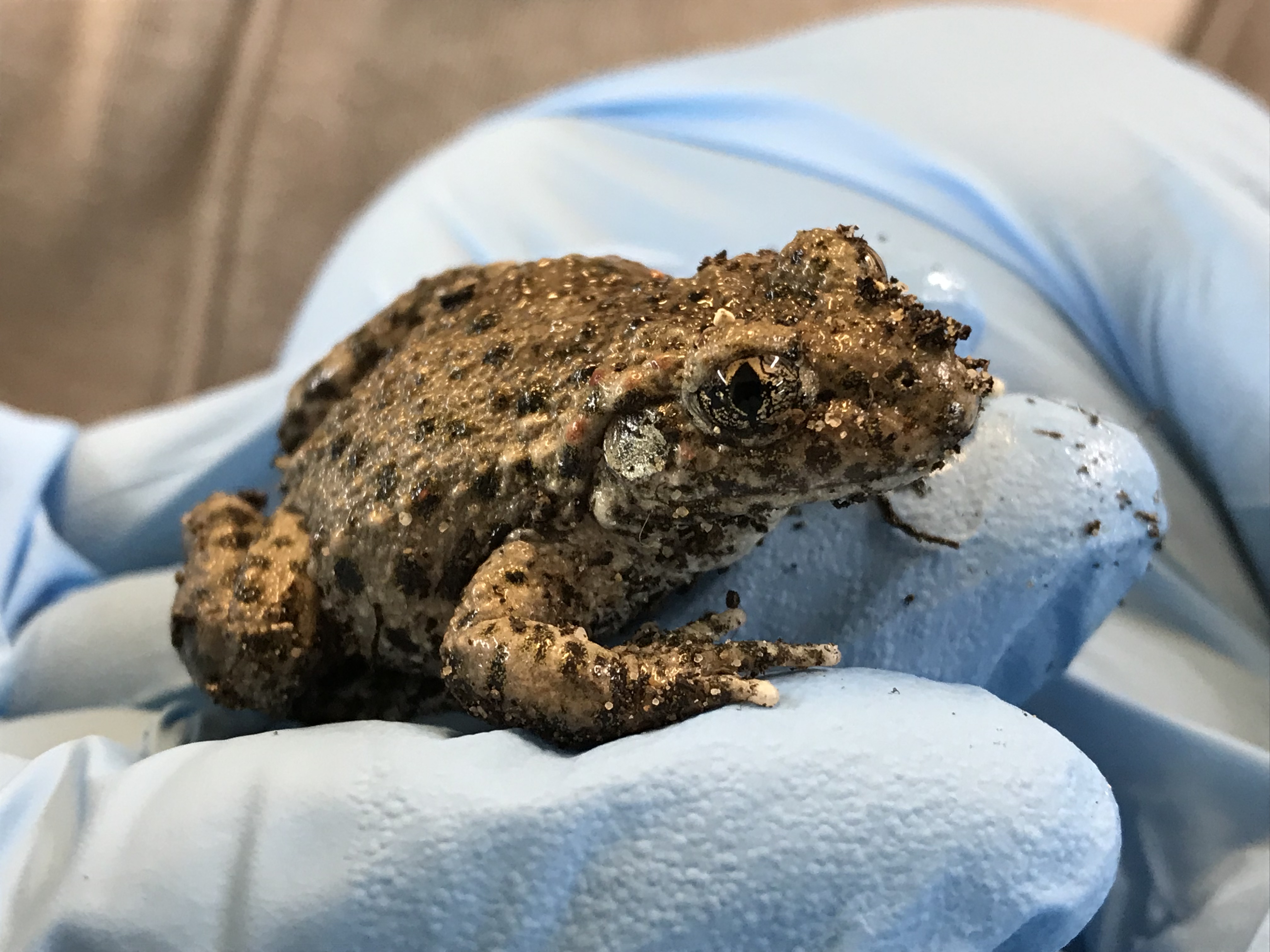
Papers & Reports Conservation decisions under pressure: lessons from an exercise in rapid response to wildlife disease
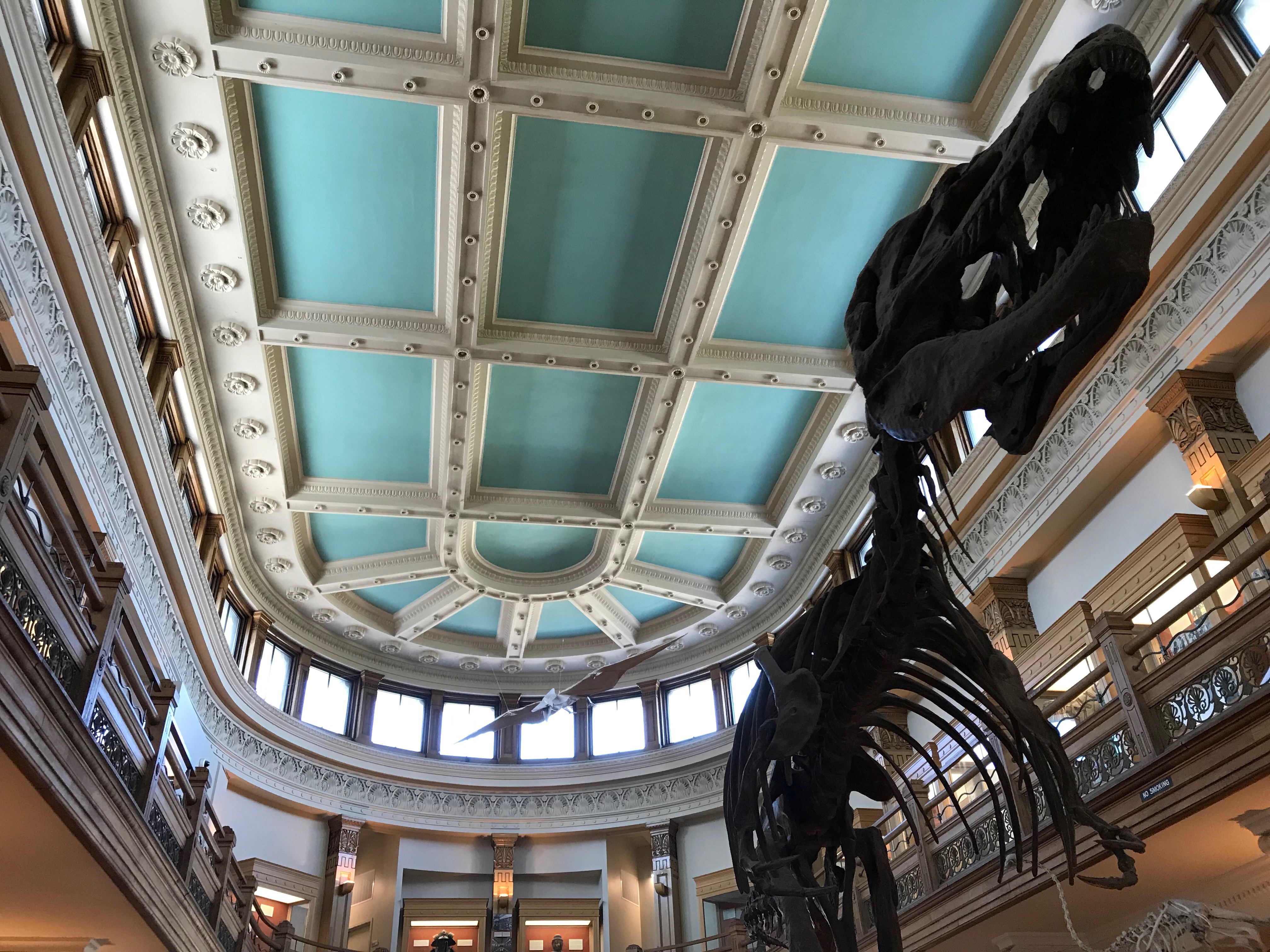
News & Stories ARMI scientists participate in International Symposium: Amphibian population declines – 30 years of progress in confronting a complex problem. Montreal, Canada
Scientists first became concerned that the observations of declining or lost amphibian populations were not isolated incidents but were global in scope and severity at the landmark 1st World Congress of Herpetology in Canterbury England in 1989. The plight of amphibians became front-page news and the newly generated interest in their population biology generated a massive increase in our understanding of their ecology, epidemiology and conservation biology. To mark 30 years of research into amphibian population declines, the Redpath Museum and McGill University in Montreal held an international symposium on amphibian ecology and conservation biology to bring together many of the principle researchers now making significant advances in the field. Evan Grant and Erin Muths, Principle Investigators for ARMI, were invited participants to the symposium held in September. Dr. Grant presented a lecture on lessons from broad-scale synthetic analyses about drivers of decline and Dr. Muths presented on the effects of disease, temperature, and community on demography and how analytical advances allow us to address more complex questions about decline. Both topics will be featured manuscripts in the forthcoming special issue of the journal Herpetologica.
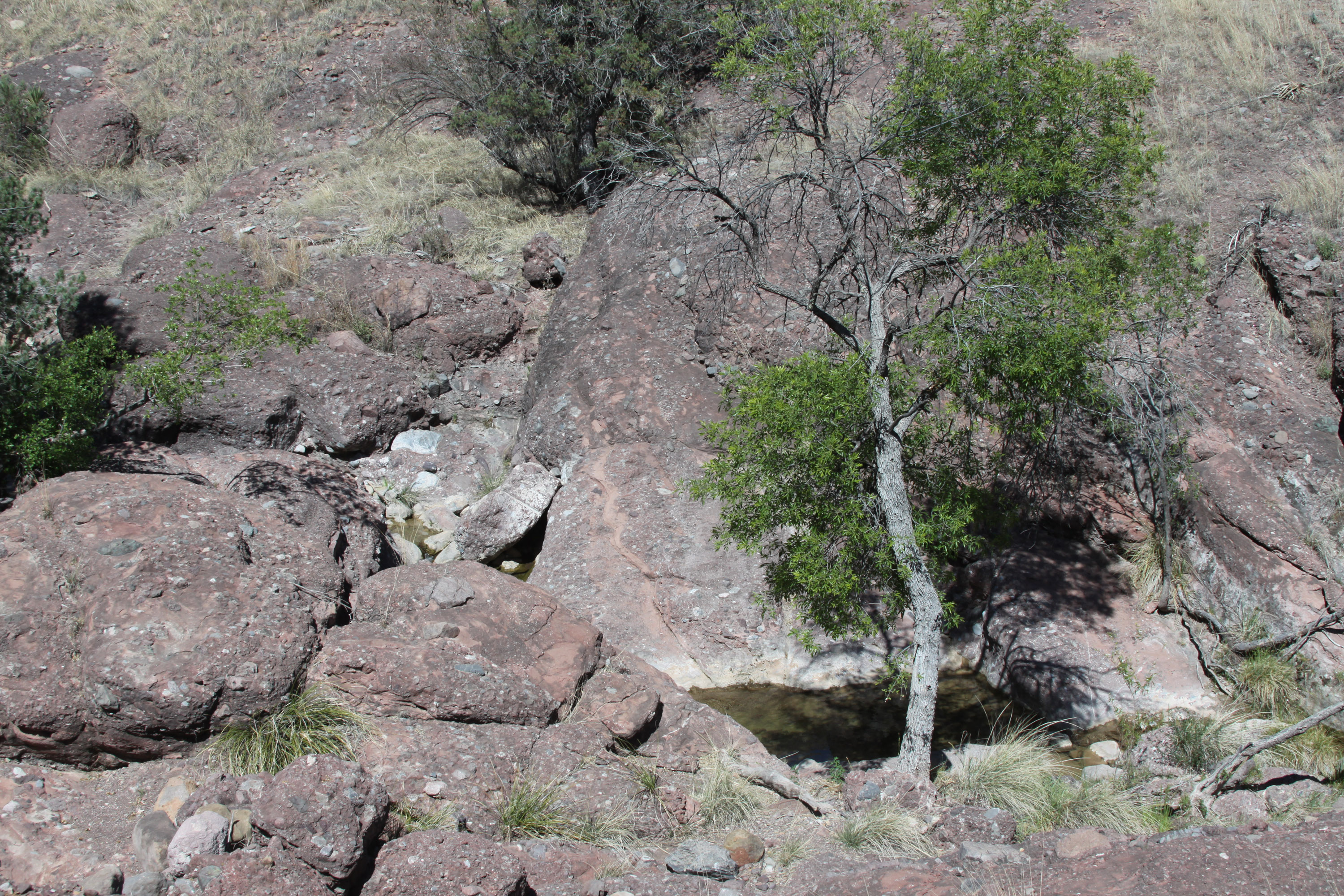
Papers & Reports Estimating metapopulation abundance to inform conservation of a threatened amphibian
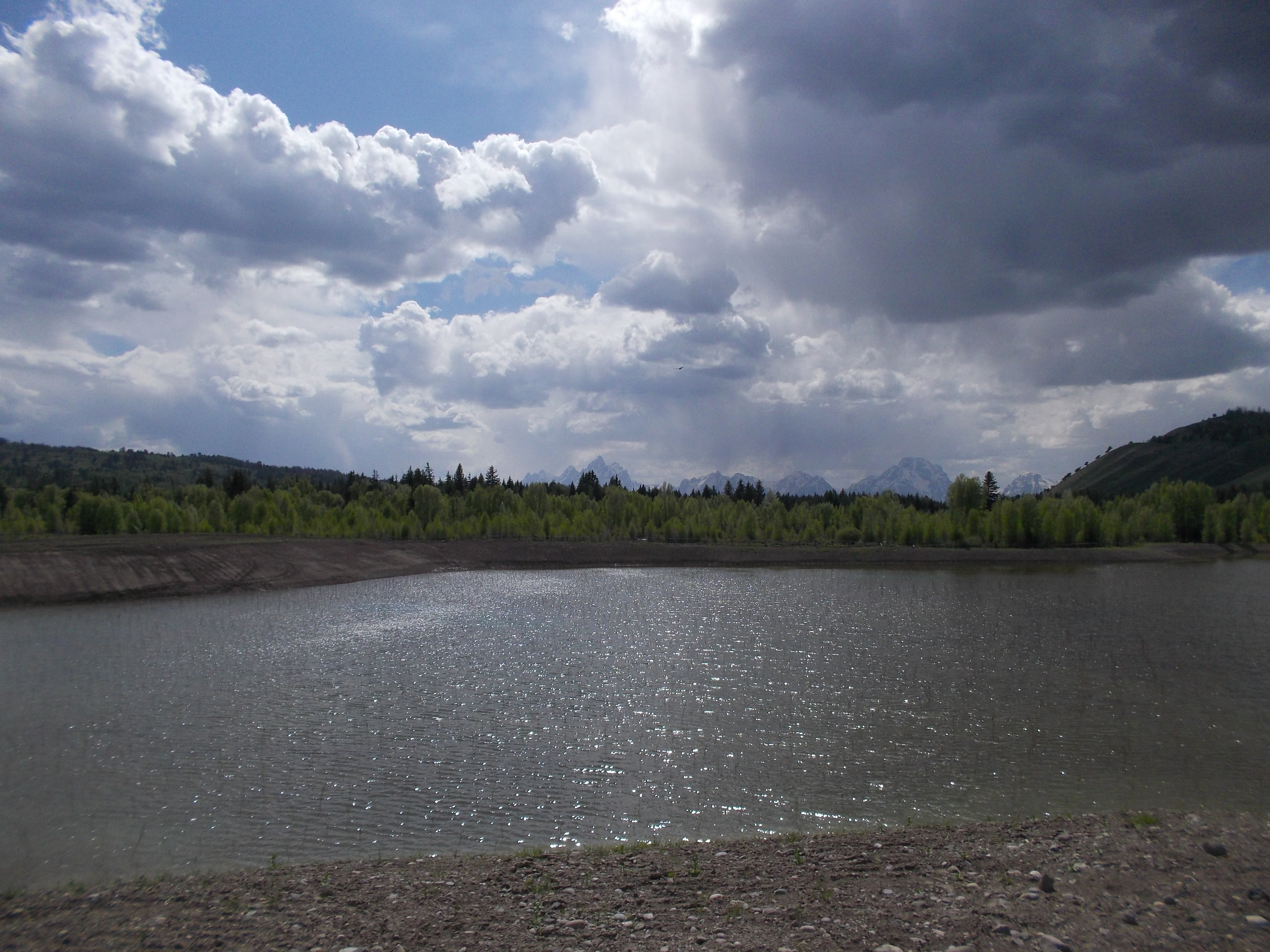
Papers & Reports Species-specific responses to wetland mitigation among amphibians in the Greater Yellowstone Ecosystem
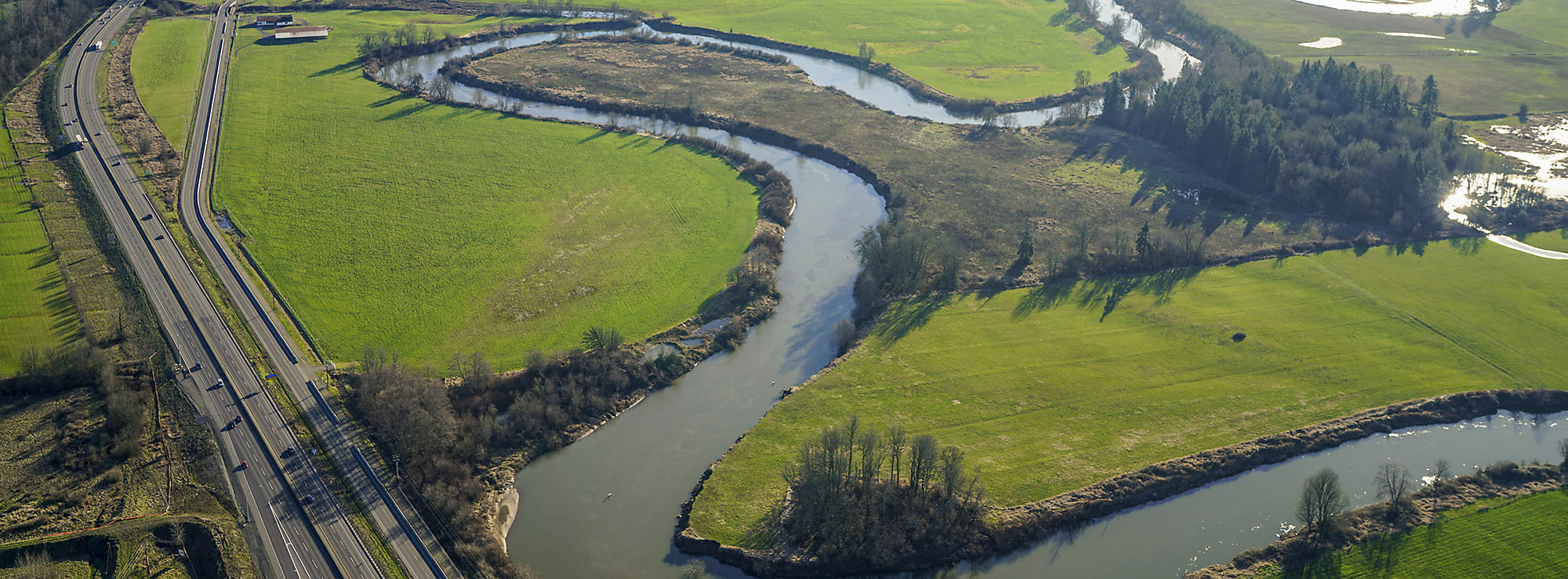
Papers & Reports Floodplains provide important amphibian habitat despite multiple ecological threats
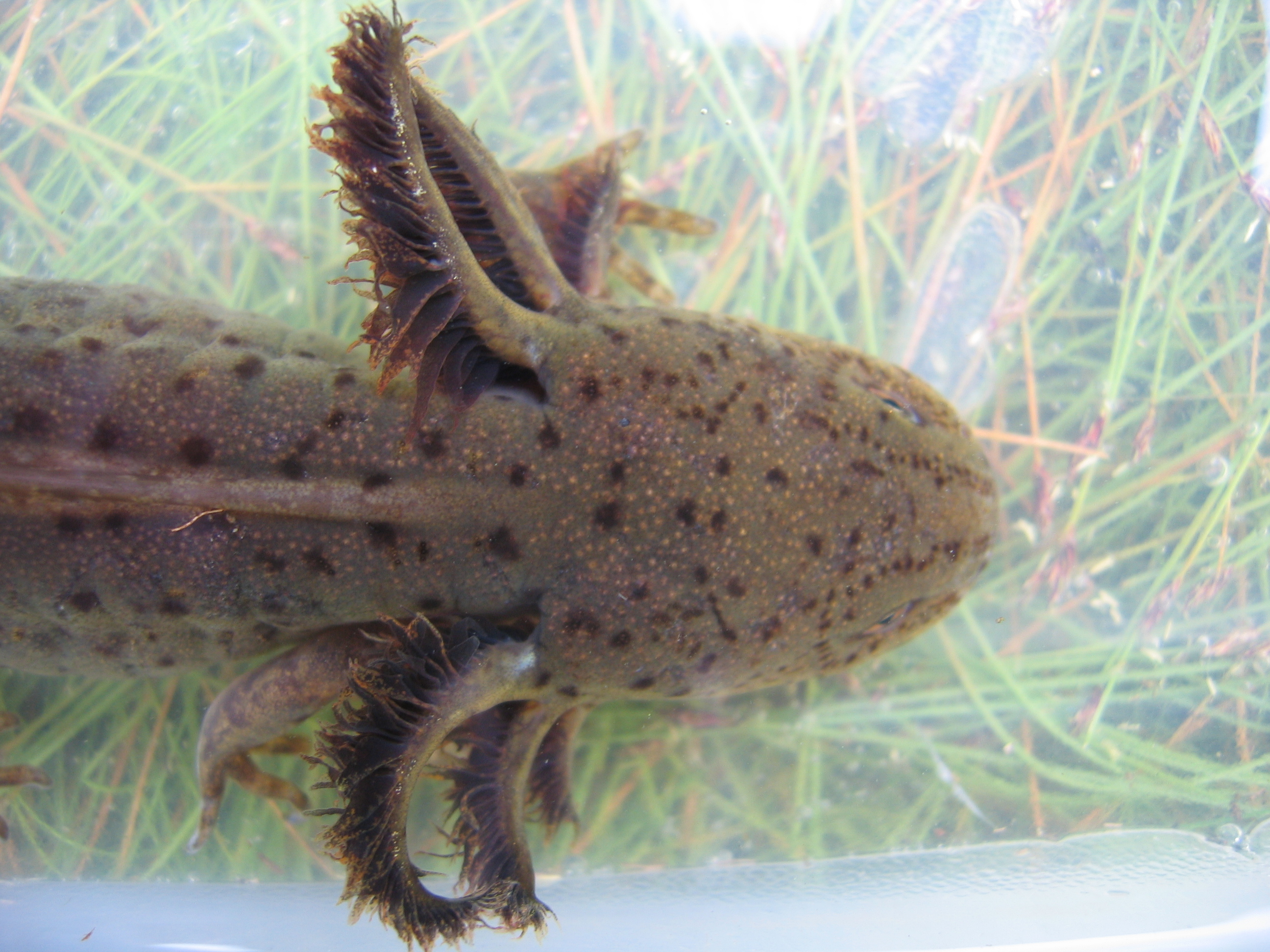
Data Release Long-term amphibian monitoring data from the Willamette Valley, Oregon (2004-2015): U.S. Geological Survey data release
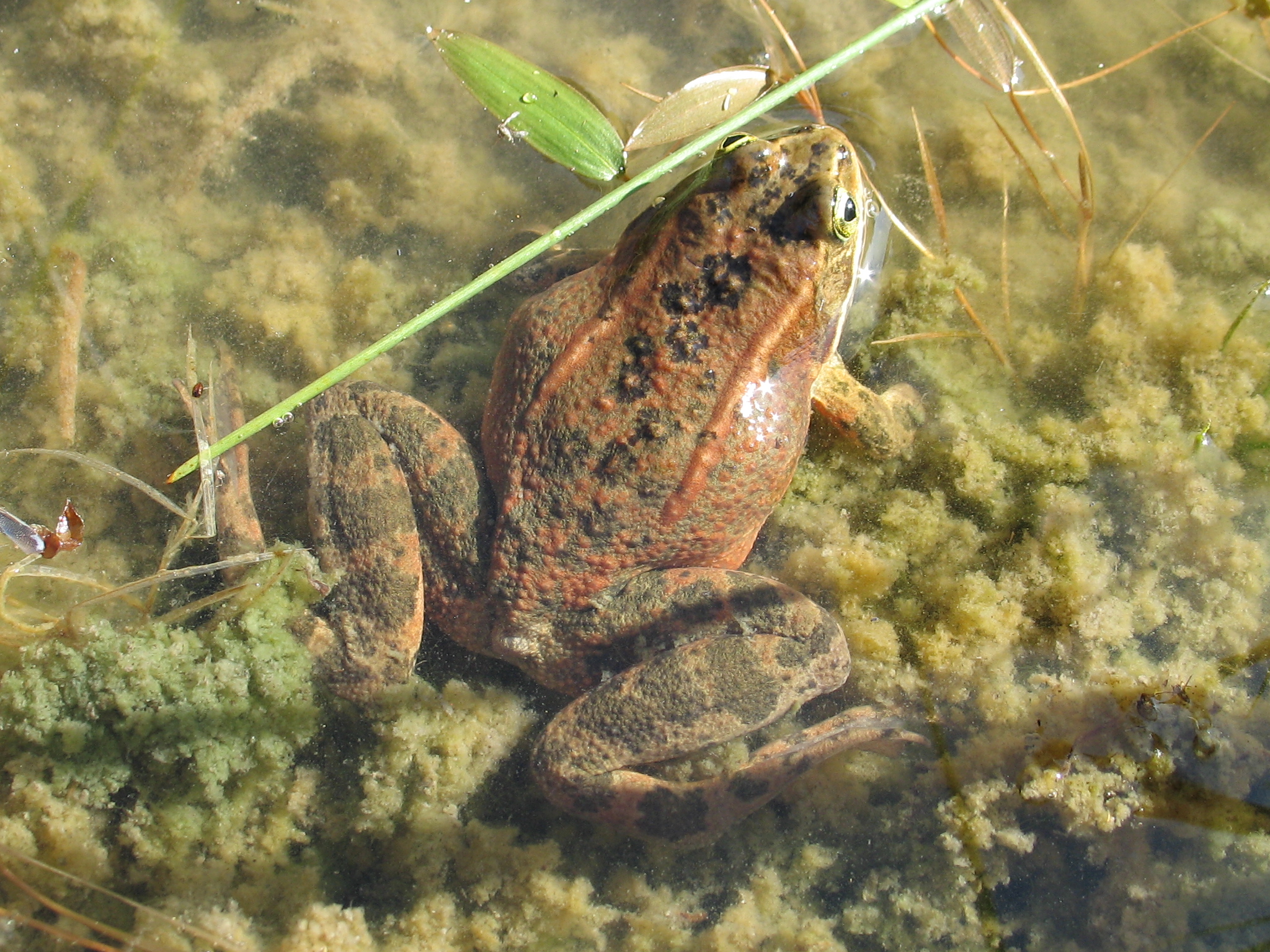
Data Release Oregon spotted frog (Rana pretiosa) observations in Oregon, 2016-2024: U.S. Geological Survey data release
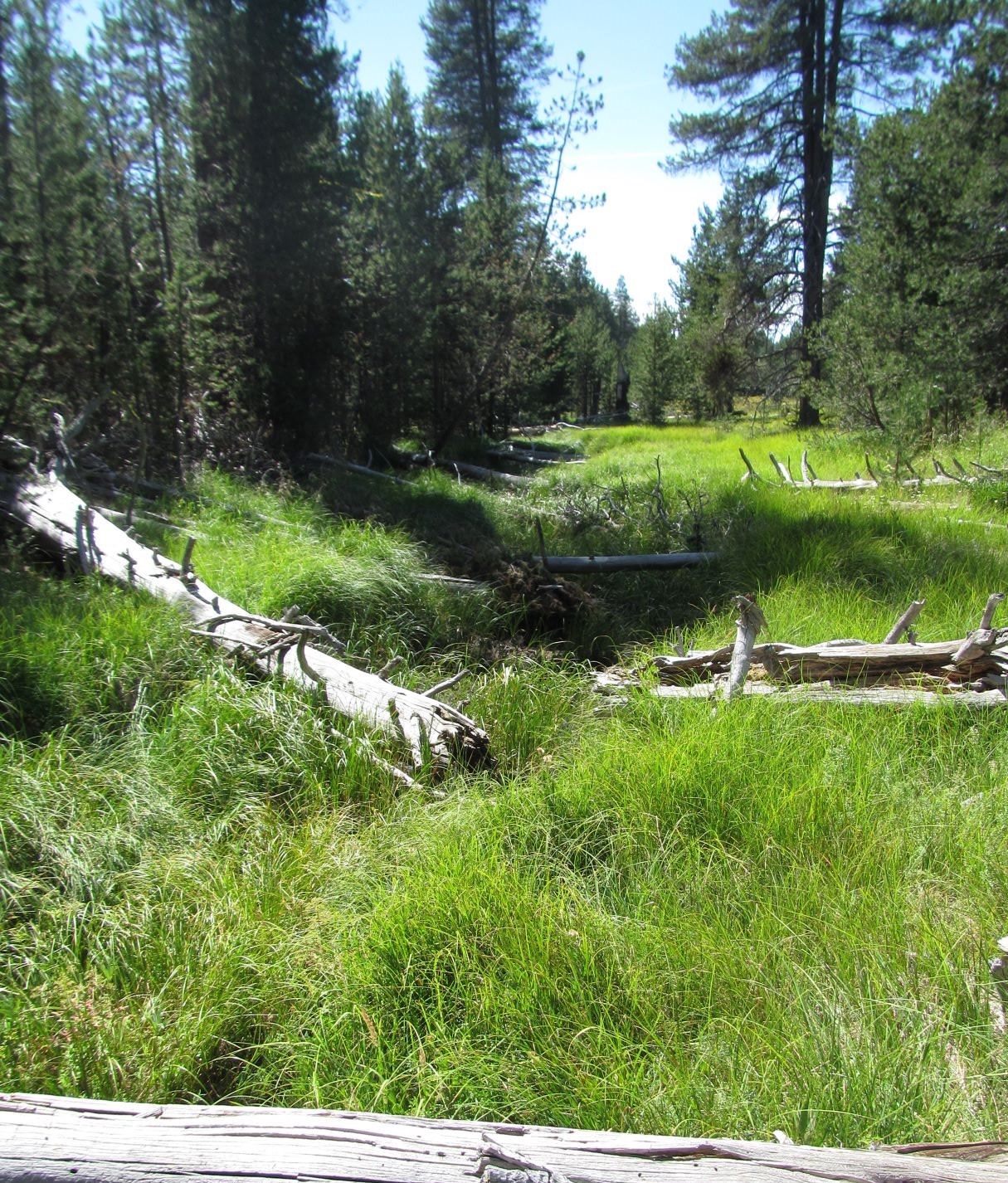
Data Release Oregon Spotted Frog (Rana pretiosa) Monitoring at Jack Creek 2015-2018 (final): U.S. Geological Survey data release

Data Release Terrestrial salamander captures after the 2003 Clark Fire, Willamette National Forest, OR: U.S. Geological Survey data release
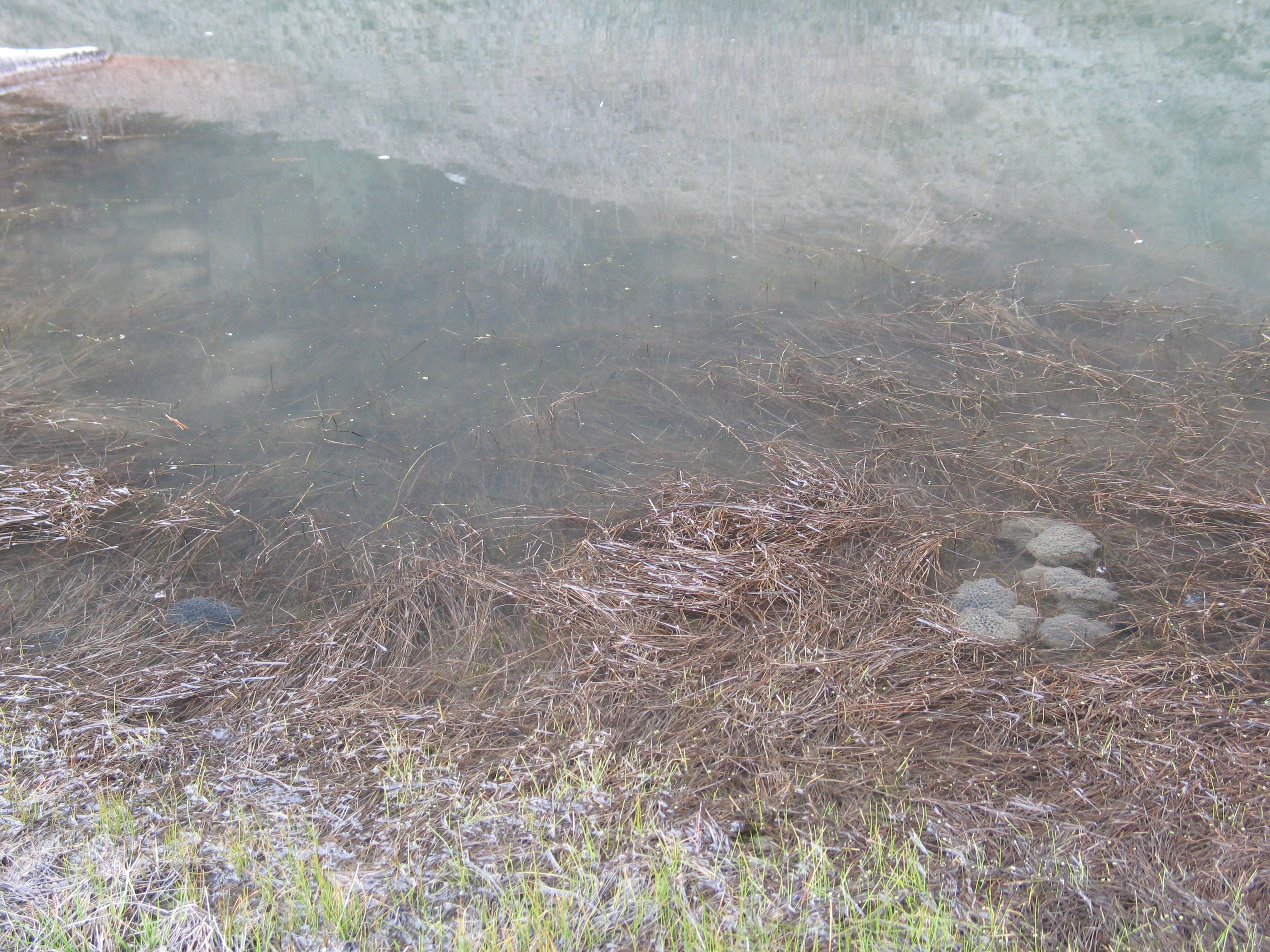
Data Release Columbia Spotted Frog (Rana luteiventris) Breeding at Grazing Exclosures in Eastern Oregon 2002-2010 and 2013: U.S. Geological Survey data release
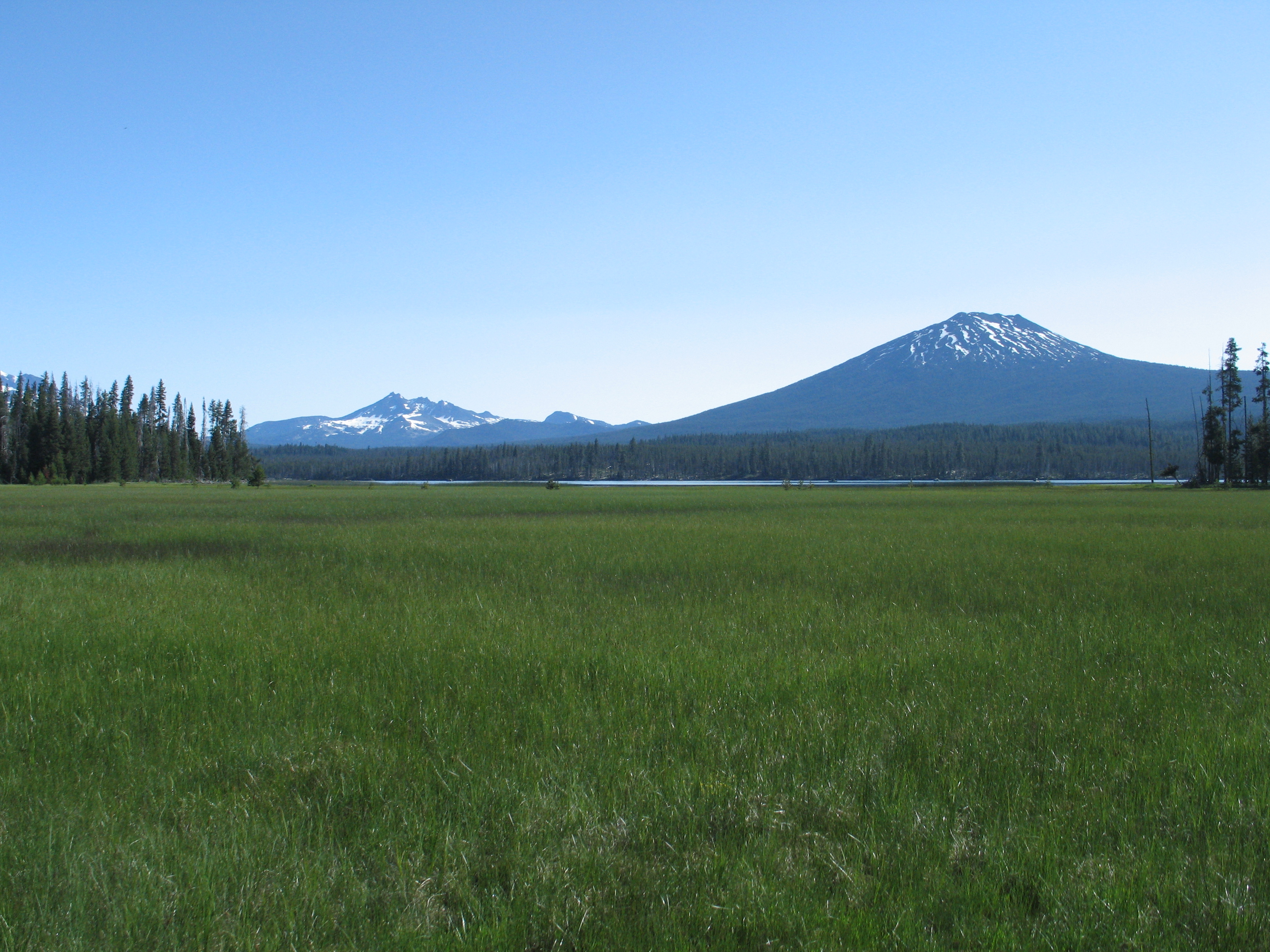
Data Release Oregon Spotted Frog (Rana pretiosa) Monitoring in the Oregon Cascades 2012-2016: U.S. Geological Survey Data Release
