
Search ARMI Database
Search term(s)
Contribution Number
Search Results
1290 record(s) found.
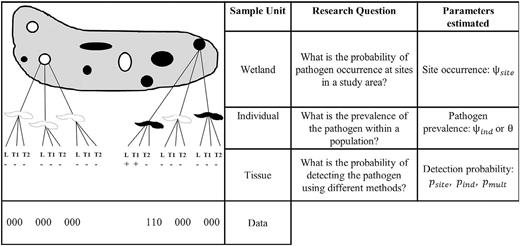
Papers & Reports Estimating occurrence, prevalence, and detection of amphibian pathogens: insights from occupancy models

Papers & Reports Compounding effects of climate change reduce population viability of a montane amphibian
Papers & Reports Multistate occupancy modeling improves understanding of amphibian breeding dynamics in the Greater Yellowstone Area
Papers & Reports Identifying management-relevant research priorities for responding to disease-associated amphibian declines
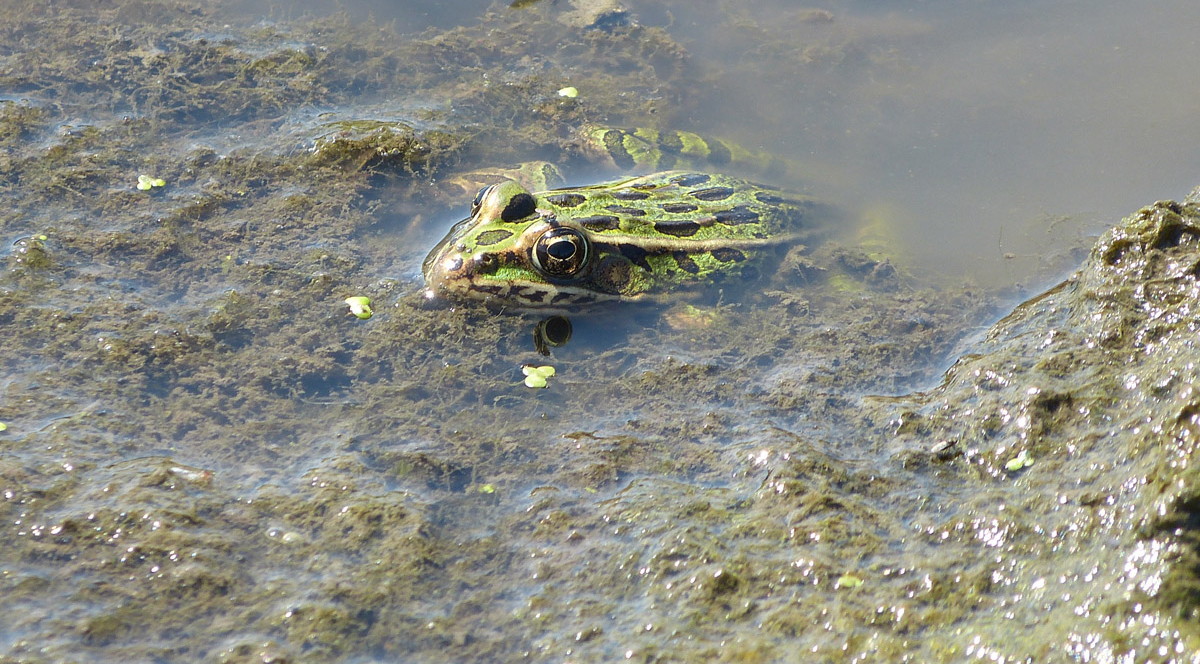
News & Stories Exploring the amphibian exposome in an agricultural landscape using telemetry and passive sampling
USGS and Iowa State University scientists quantified Northern Leopard frog exposure to pesticides in aquatic and terrestrial habitats using a novel combination of radio telemetry and passive sampling techniques to better understand factors affecting frog health and survival in agricultural landscapes. The results of this newly published research can inform conservation strategies by providing information about when and where the frogs are most likely exposed to pesticides. This unique approach can be utilized in other land-use settings and with other amphibian species to better understand if contaminant exposure affects growth, development, fitness, and survival.
Full article is available here: https://www.nature.com/articles/s41598-018-28132-3

News & Stories Collaborative ARMI work first step in status assessment for cave salamander
As part of a partnership with the USFWS, WV Division of Natural Resources, and The Nature Conservancy, Northeast ARMI staff and a USGS Water Resources hydrologist conducted a field survey in late August for the WV spring salamander, a rare amphibian with known range limited to a single cave in WV. This work is an important contribution of the status assessment for the species, which has been proposed for listing under the Endangered Species Act. Species identification is made via morphological traits, but these may be imperfect, and thus misidentification is highly likely. ARMI is developing models that can accommodate this misidentification error, which will be used to improve the precision and reduce the bias in estimates of population status. In addition to field surveys, USGS ARMI will contribute morphologic and genetic analyses, and water quality assessment to identify and characterize potential threats, to address information needs for the USFWS listing decision, due in 2020.
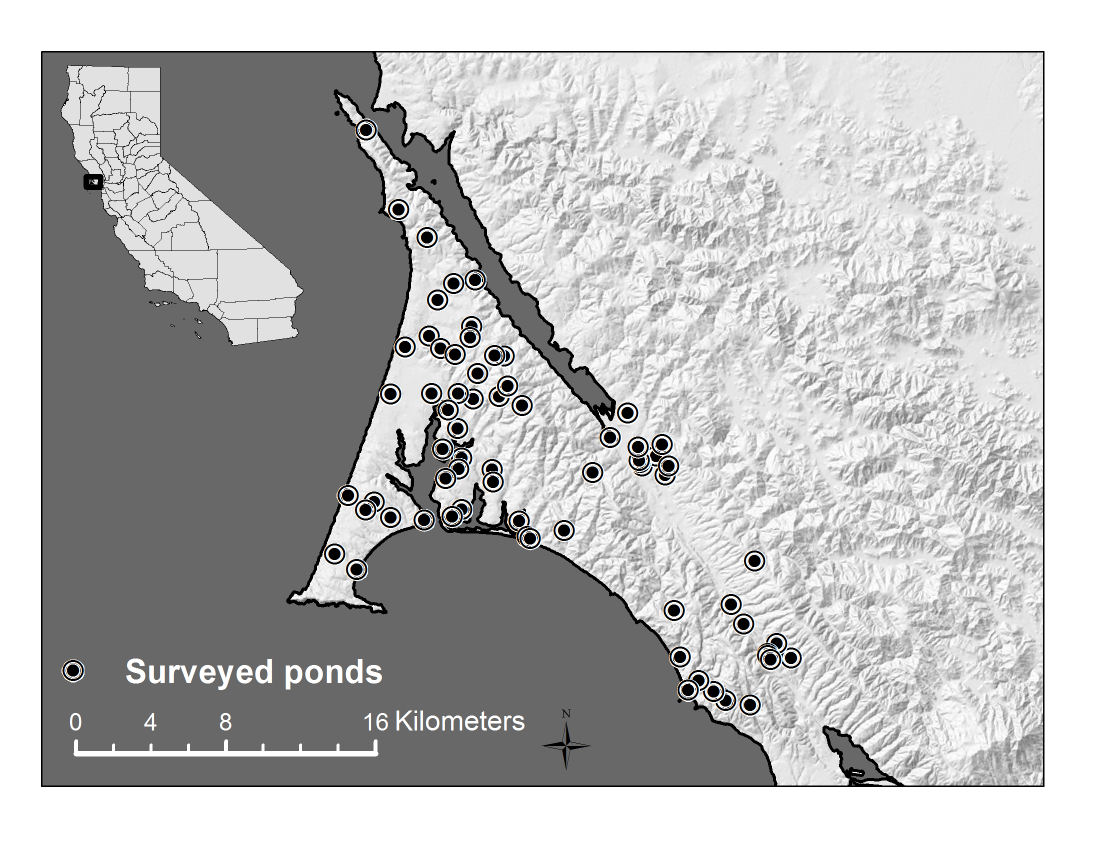
Papers & Reports Time-to-detection Occupancy Modeling: An Efficient Method for Analyzing the Occurrence of Amphibians and Reptiles
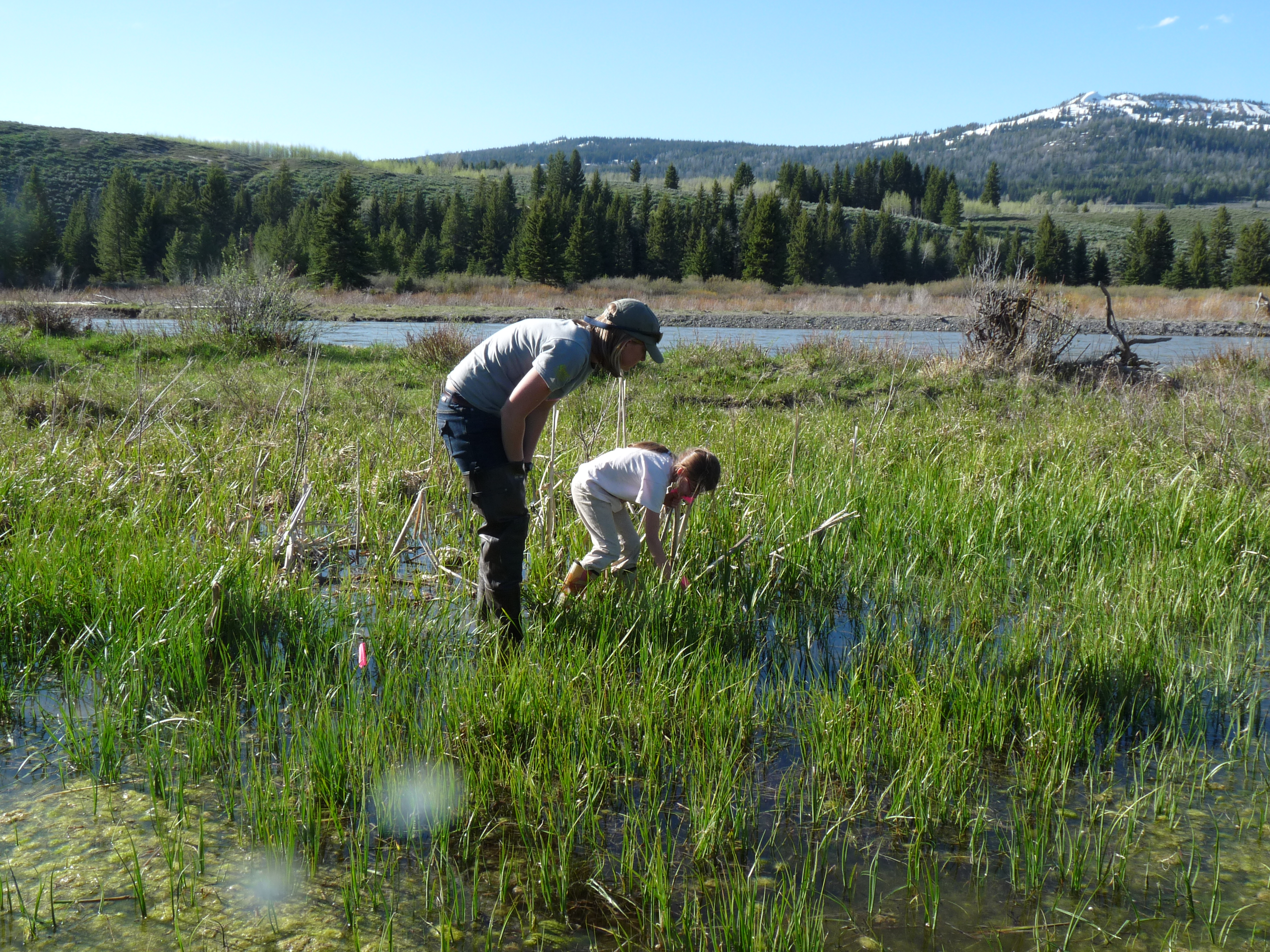
Papers & Reports Aquatic macroinvertebrate community response to wetland mitigation in the Greater Yellowstone Ecosystem
Papers & Reports Effects of Persistent Energy-related Brine Contamination on Amphibian Abundance in National Wildlife Refuge Wetlands
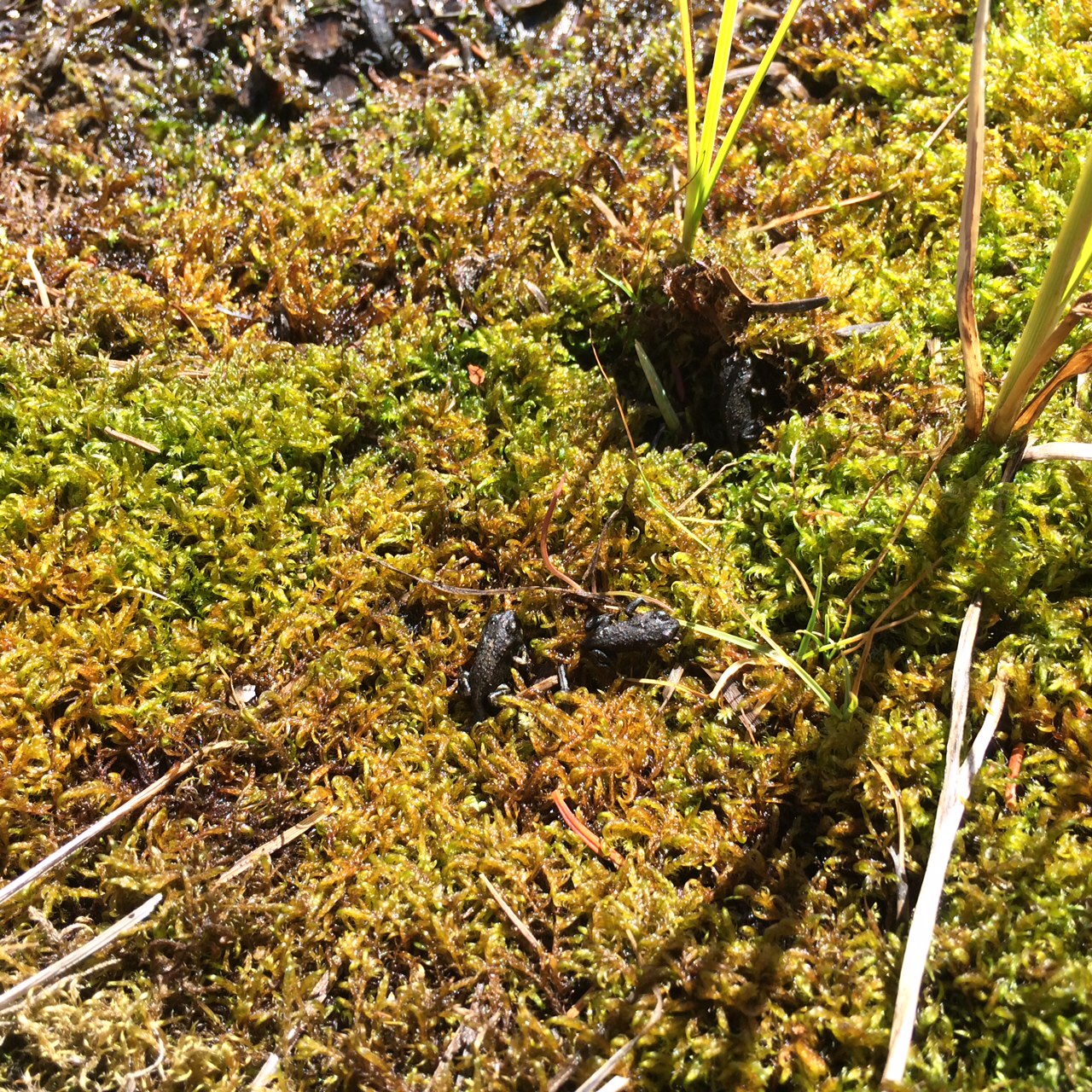
Papers & Reports Estimating the probability of movement and partitioning seasonal survival in an amphibian metapopulation
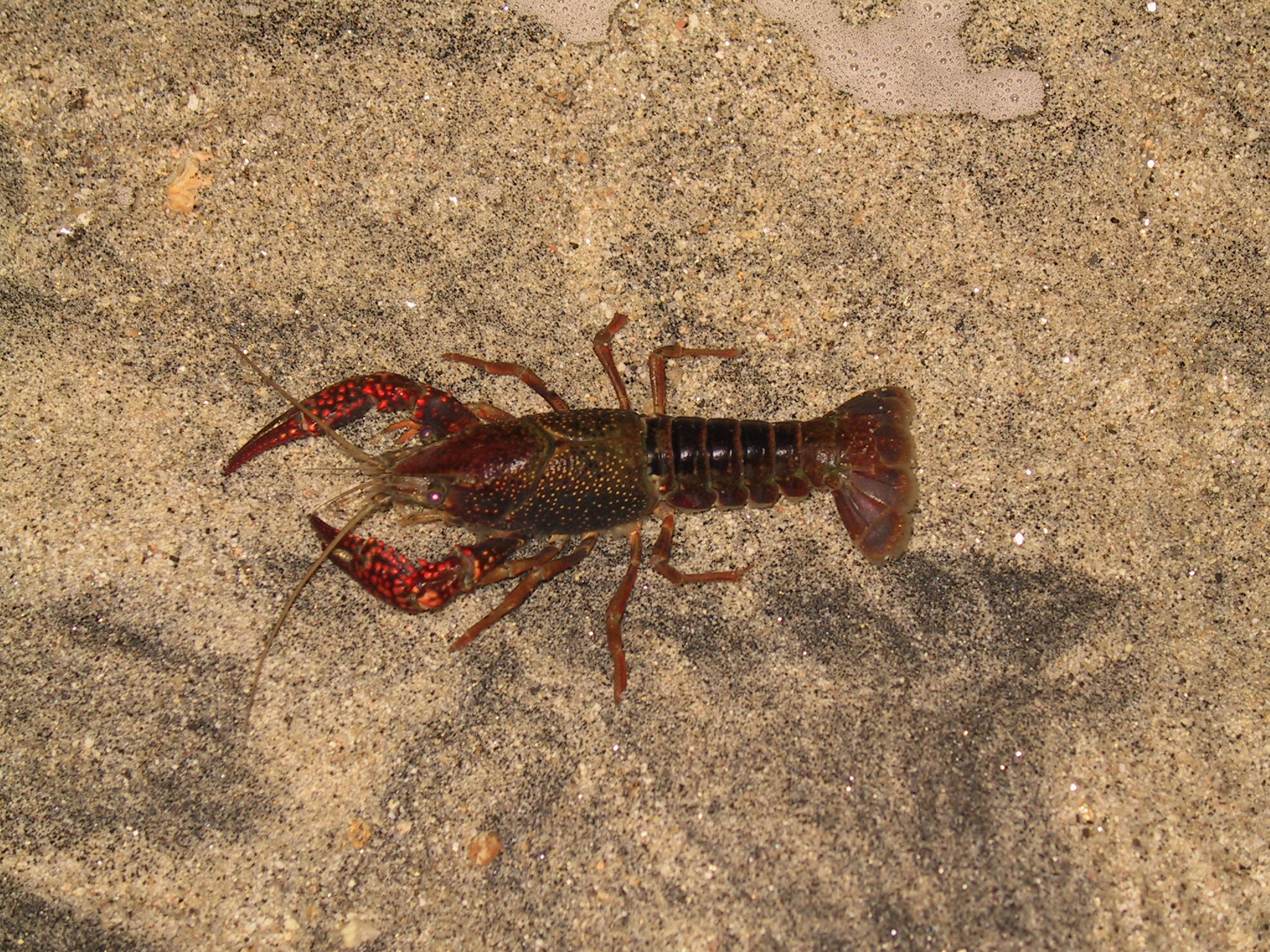
News & Stories Invasive crayfish wreck havoc on amphibians in southern California, and now its clear they also increase mosquito larvae.
Previous work by ARMI scientists have shown the important impact of invasive crayfish (Procambarus clarkii) on endangered and threatened amphibian species in southern California (https://onlinelibrary.wiley.com/doi/abs/10.1111/cobi.13198 ). New published research has shown that these non-native predators may increase disease vectors (e.g. mosquitoes) through predation on native predators of these vectors such as dragonfly nymphs (https://www.usgs.gov/center-news/invasive-crayfish-increase-number-mosquitoes-southern-california-mountains). This work has also been highlighted in a recent National Geographic report on the study (https://www.nationalgeographic.com/animals/2018/08/swamp-crayfish-crawfish-mosquitoes-disease-animals/).
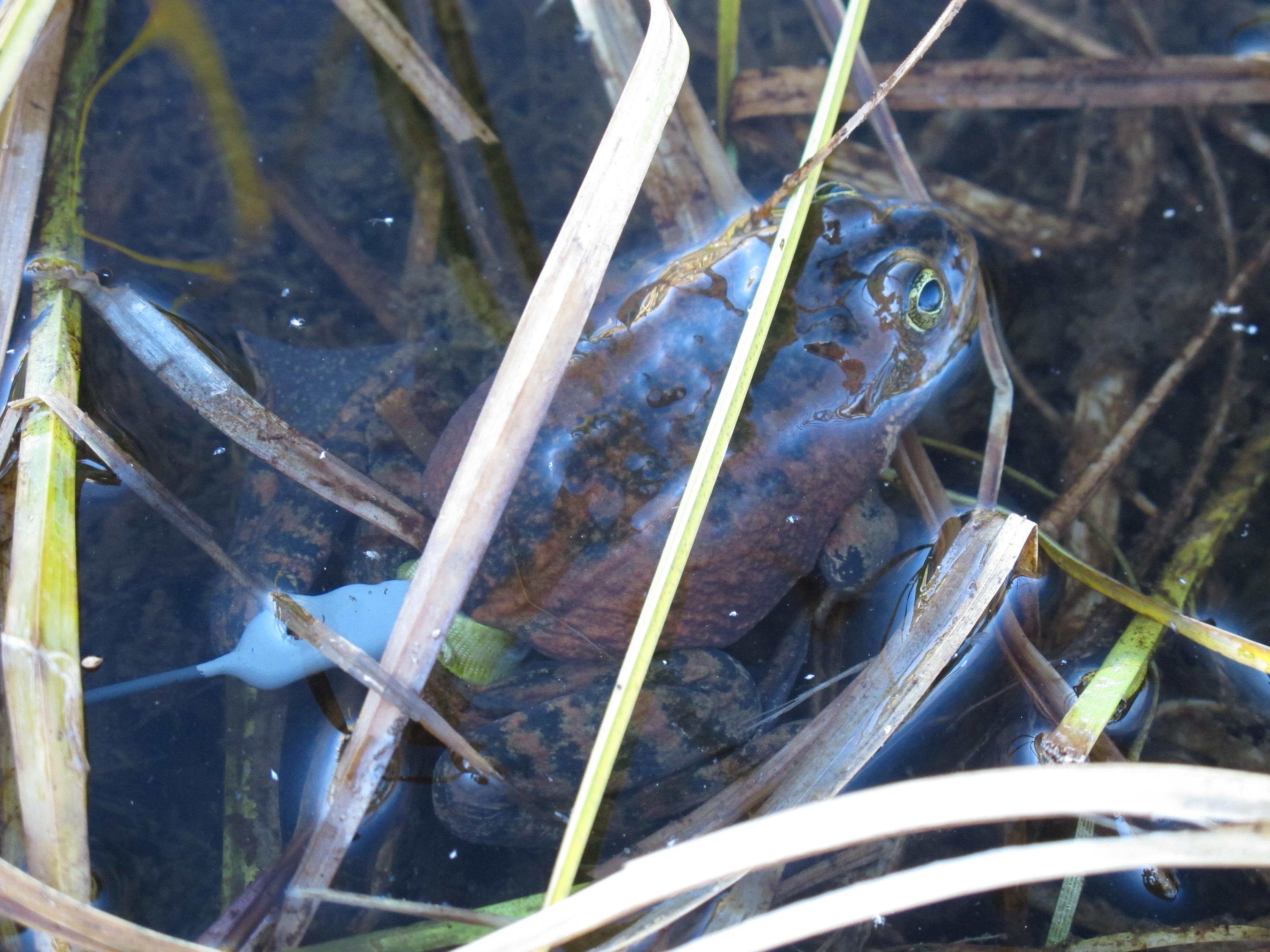
Papers & Reports Late-season movement and habitat use by Oregon Spotted Frog (Rana pretiosa in Oregon, USA
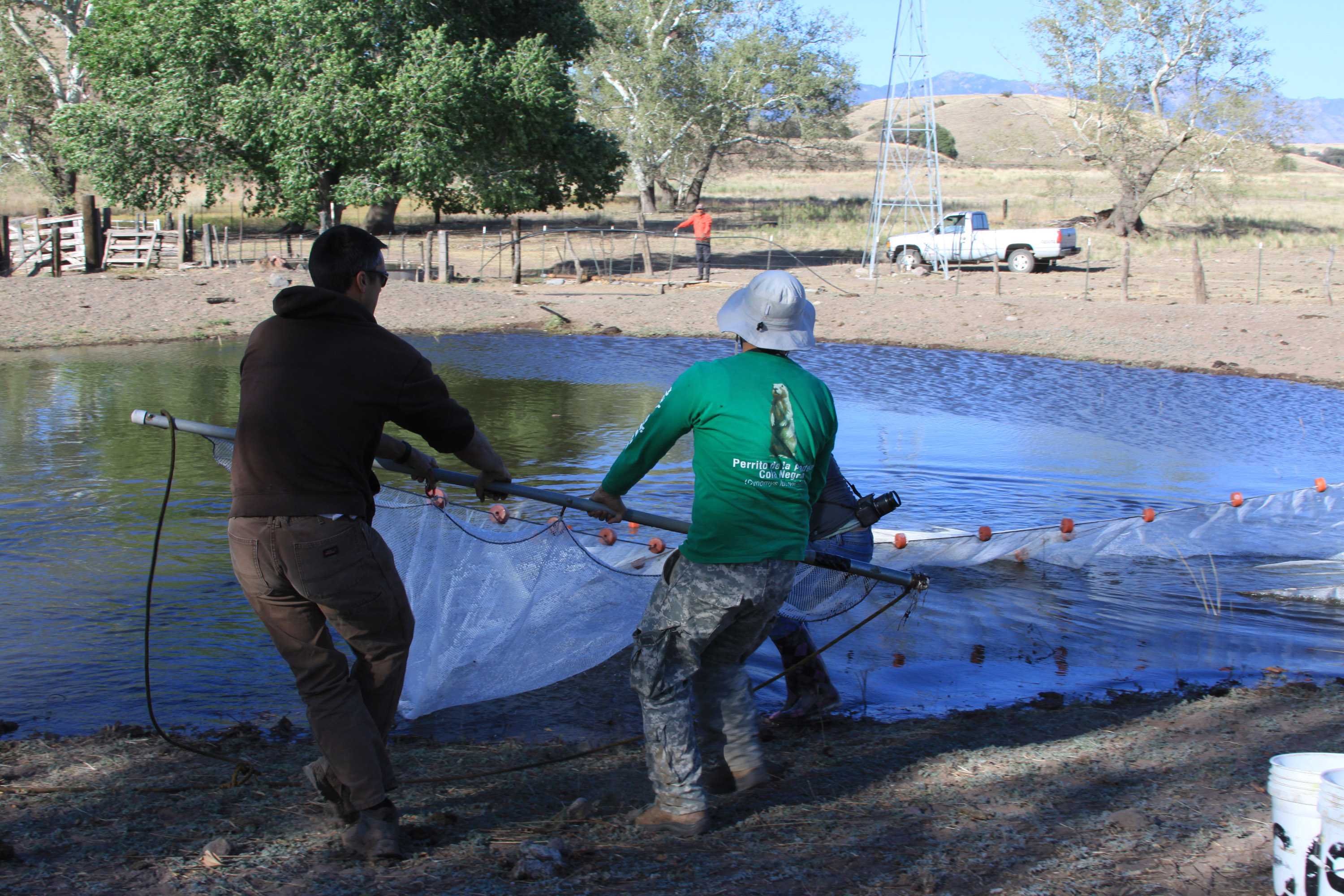
Papers & Reports CO-OCCURENCE OF CHIRICAHUA LEOPARD FROGS (LITHOBATES CHIRICAHUENSIS) WITH SUNFISH (LEPOMIS SPP.)
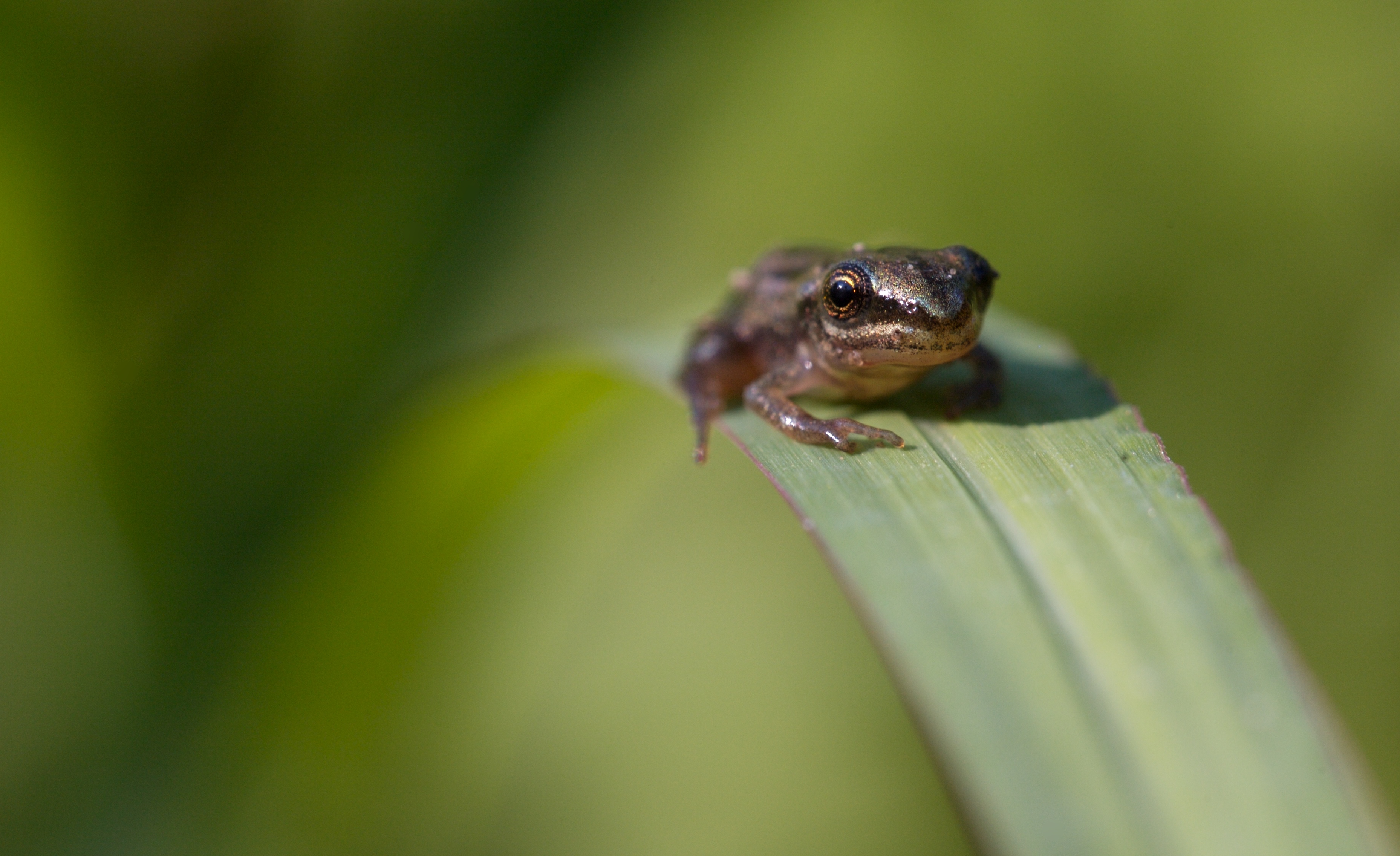
Papers & Reports Twenty-nine years of population dynamics in a small-bodied montane amphibian

Papers & Reports The relative efficiency of native and non-native aquatic species as predators of potential disease vectors: Invasive crayfish enhance the survival of mosquitoes
Mountains, situated in a global biodiversity hotspot, is an area of conservation concern due to climate change, urbanization, and the introduction of non-native species. We examined the effect that non-native crayfish (Procambarus clarkii) have on an existing native predator, dragonfly nymphs (Aeshna sp.) and their mosquito larvae (Anopheles sp.) prey. We used laboratory experiments to compare the predation efficiency of both predators, separately and together, and field data on counts of dragonfly nymphs and mosquito larvae sampled from 13 local streams. We predicted a lower predation efficiency of crayfish compared to native dragonfly nymphs as well as a reduced efficiency of dragonfly nymphs in the presence of crayfish. Dragonfly nymphs were an order of magnitude more efficient mosquito predators compared to crayfish and dragonfly
nymphs suffered reduced efficiency in the presence of crayfish. Analyses of field count data showed that populations of dragonfly nymphs and mosquito larvae were strongly correlated with crayfish presence in streams, such that sites with crayfish tended to have fewer dragonfly
nymphs and more mosquito larvae. Under natural conditions, it is likely that crayfish reduce the abundance of dragonfly nymphs and their predation efficiency, and thereby, directly and indirectly, lead to higher mosquito populations and a loss of ecosystem services related to disease vector control.
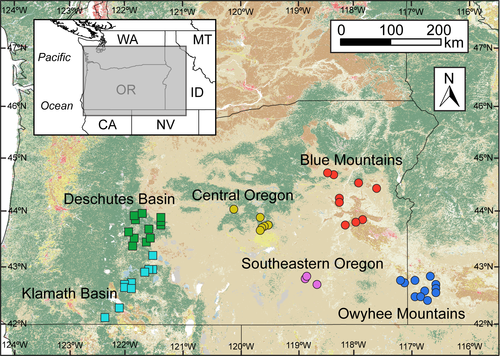
Papers & Reports Regional variation in drivers of connectivity for two frog species (Rana pretiosa and R. luteiventris) from the U.S. Pacific Northwest
Papers & Reports Pre-publication communication of research results
Papers & Reports Pharmaceuticals, Hormones, Pesticides, and other Bioactive Contaminants in Water, Sediment, and Tissue from Rocky Mountain National Park, 2012-2013

Papers & Reports Quantifying climate sensitivity and climate driven change in North American amphibian communities
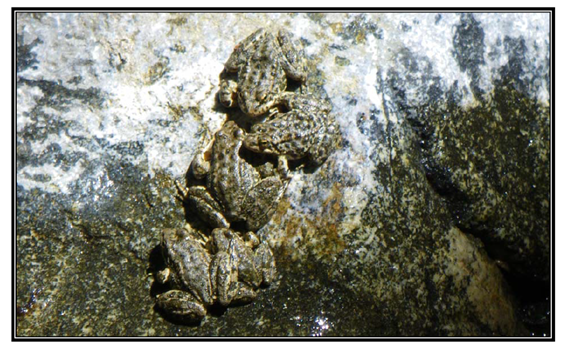
News & Stories 1000 Critically Endangered Mountain Yellow-legged Frogs released back into Los Angeles County!
The USGS has been leading the recovery efforts for the Southern Mountain Yellow-legged Frogs (Rana muscosa) since 2000, in partnership with the USFWS, California Department of Fish and Wildlife, US Forest Service, Los Angeles Zoo, San Diego Zoo Global, and other partners. On June 26 and 27, 2018, 1000 tadpoles produced from captive frogs raised at the Los Angeles Zoo were released into the San Gabriel Mountains National Monument for the first time. These were placed into two different watersheds. More releases are scheduled for later in the summer, but this is a pivotal step in the recovery of this species back onto federal lands within its historic habitats.
Los Angeles Times news story at this link: http://www.latimes.com/local/california/la-me-rare-frog-release-20180627-story.html