Search ARMI Database
Search term(s)
Contribution Number
Search Results
1290 record(s) found.
Papers & Reports Urban and suburban areas.
Papers & Reports Chapter 2. Planning and setting objectives in field studies.
Papers & Reports Chapter 9. Standard techniques for inventory and monitoring: Reptile sign and camera traps.
Papers & Reports Chapter 9. Standard techniques for inventory and monitoring: Pitfall-trap surveys.
Papers & Reports Chapter 3. Study design and sampling: Overview.
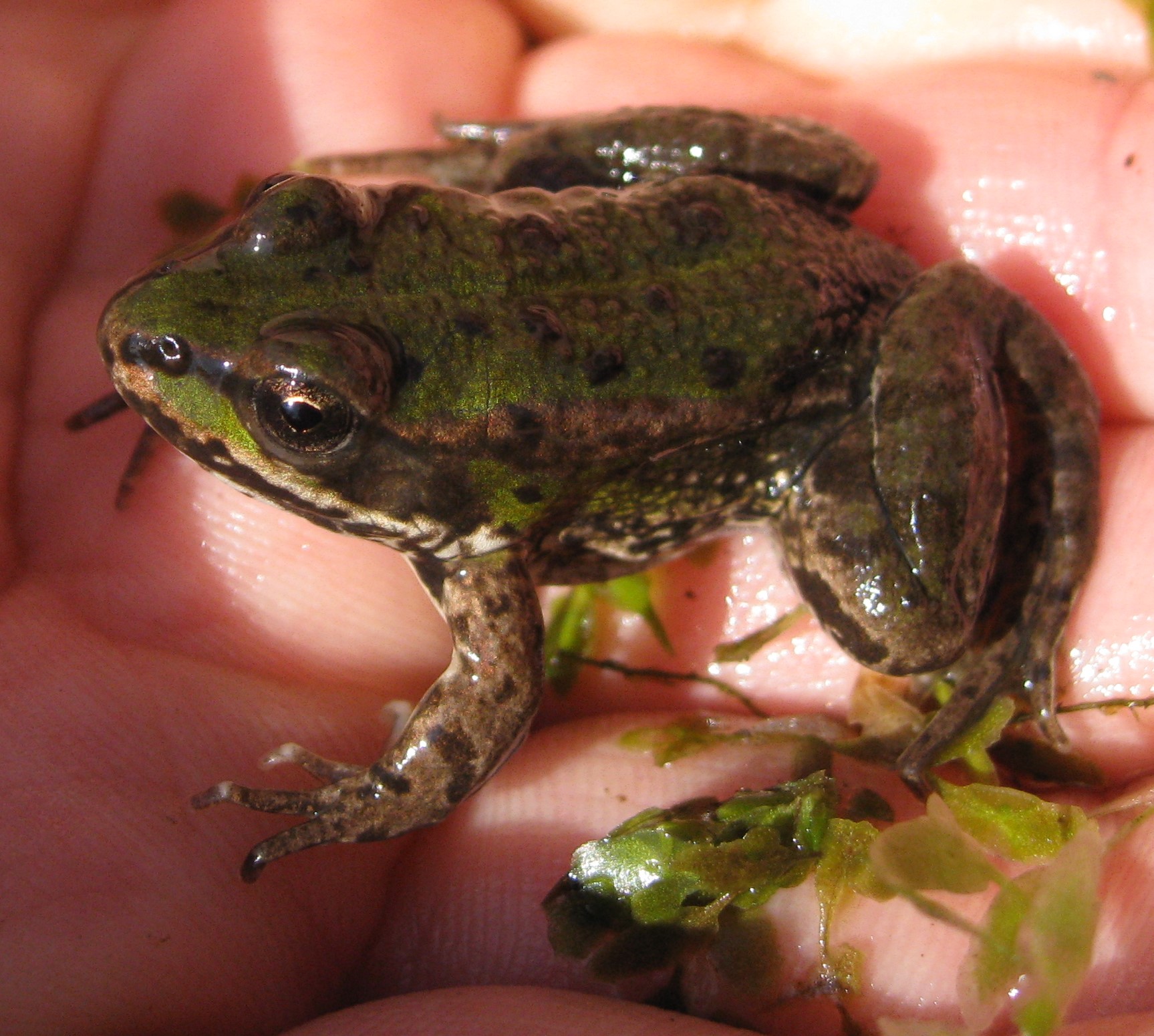
Papers & Reports Heterogeneous responses of temperate-zone amphibian populations to climate change complicates conservation planning
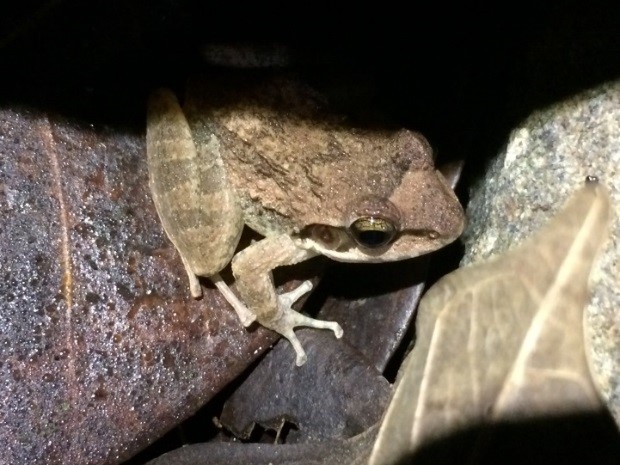
News & Stories ARMI scientist involved in workshop in Hyderabad, India: Long term Wildlife Monitoring, Ecological and Statistical Considerations.
The Amphibian Research and Monitoring Program has a reputation for taking wildlife monitoring to new levels using robust methods that allow synthetic data analyses across landscape scales. Because of this reputation, ARMI scientist Dr. Erin Muths was invited to lecture and mentor at a workshop in Hyderabad, India in November 2018. The workshop was titled Long term Wildlife Monitoring: Ecological and Statistical Considerations. The workshop was one component of an Indo-U.S. 21st Century Knowledge Initiative grant to Dr. Barry Noon at Colorado State University. The workshop was hosted by Dr. Karthikeyan Vasudevan at the Laboratory for the Conservation of Endangered Species (LaCONES), Centre for Cellular and Molecular Biology (CCMB). Attendees included early graduate students, post-doctoral researchers, and early career professionals. Interactions within and outside the classroom were completely positive.
The workshop focused on analytical methods, applications to particular datasets, field techniques, and examples of long-term monitoring programs (from organizational structure and methodology to data and products). The workshop material was rounded out with a variety of speakers including Dr. Arjun Gopalaswamy, Wildlife Conservation Research Unit, Oxford University, Dr. Kim McConkey, University of Nottingham-Malaysia, and Dr. Jagdish Krishnaswamy, Ashoka Trust for Research in Ecology and the Environment.
In addition to lecturing, Erin also spent time mentoring new graduate students and is, (along with Dr. David Miller, former ARMI post-doc, now at The Pennsylvania State University), a member of Gayathri Sreedharan's PhD committee (Jawaharlal Nehru Univesity, New Delhi / CCMB-LaCones). Ms Sreedharan's dissertation title is: Dynamics of enzootic/epizootic Batrachochytrium dendrobatidis infection in a community of stream amphibians from the Western Ghats.
This was a fantastic opportunity to help to build capacity in a country with stunning wildlife, but few resources for conservation. This effort illustrates ARMI's ability to address amphibian conservation needs, but also showcases the impact of USGS programs and leadership in the global community. Building partnerships and sharing information abroad deepens our understanding of the issues and increases our ability to effectively address partner science needs at home.
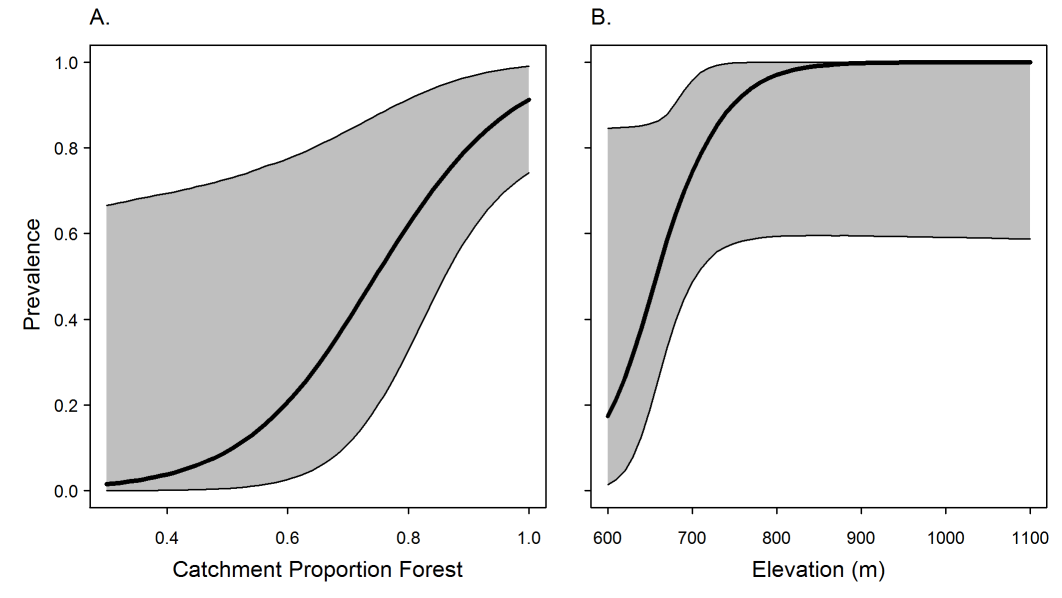
Papers & Reports Multiple drivers, scales, and interactions influence southern Appalachian stream salamander occupancy
forecasting species responses to environmental change. Stream and river ecosystems are inherently hierarchical, potentially resulting in organismal responses to fine-scale changes in patch characteristics that are conditional on the watershed context. Here, we address how populations of two salamander species are affected by interactions among hierarchical processes operating at different scales within a rapidly changing landscape of the southern Appalachian Mountains. We modeled reach-level occupancy of larval and adult black-bellied salamanders (Desmognathus quadramaculatus) and larval Blue Ridge two-lined salamanders (Eurycea wilderae) as a function of 17 different terrestrial and aquatic predictor variables that varied in spatial extent. We found that salamander occurrence varied widely among streams within fully forested catchments, but also exhibited species-specific responses to changes in local conditions. While D. quadramaculatus declined predictably in relation to losses in forest cover, larval occupancy exhibited the strongest negative response to forest loss as well as decreases in elevation. Conversely, occupancy of E. wilderae was unassociated with watershed conditions, only responding negatively to higher proportions of fast-flowing stream habitat types. Evaluation of hierarchical relationships demonstrated that most fine-scale variables were closely correlated with broad watershed-scale variables, suggesting that local reach-scale factors have relatively smaller effects within the context of the larger landscape. Our results imply that effective management of southern Appalachian stream salamanders must first focus on the larger scale condition of watersheds before management of local-scale conditions should proceed. Our findings confirm the results of some studies while refuting the results of others, which may indicate that prescriptive recommendations for range-wide management of species or the application of a single management focus across large geographic areas is inappropriate.
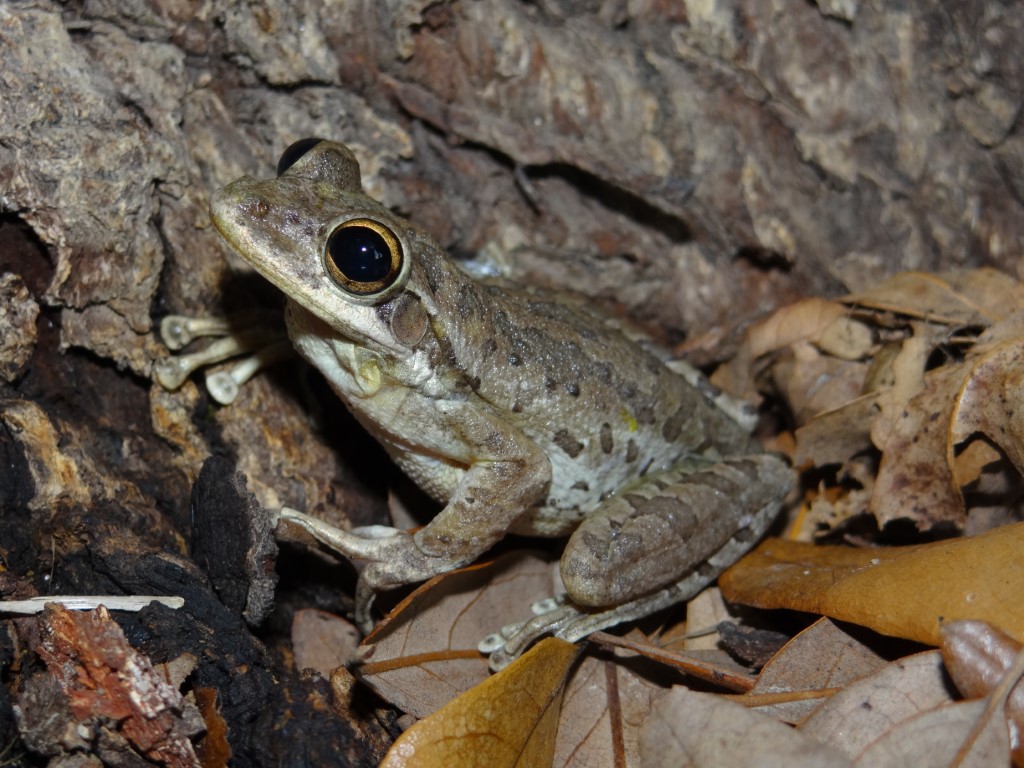
Papers & Reports Establishment of the exotic invasive Cuban treefrog (Osteopilus septentrionalis) in Louisiana
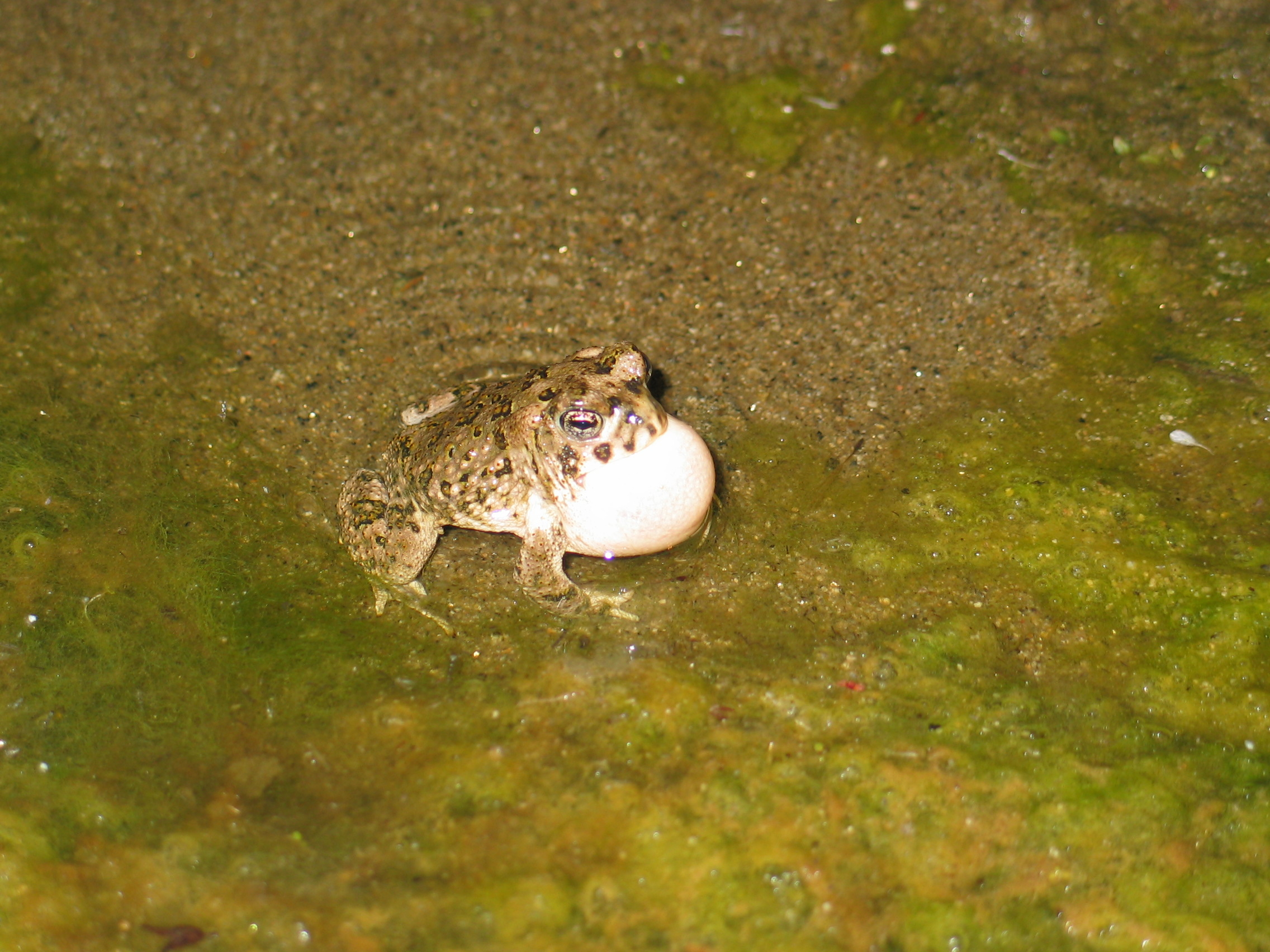
Papers & Reports Longevity and population age structure of the arroyo southwestern toad (Anaxyrus californicus) with drought implications
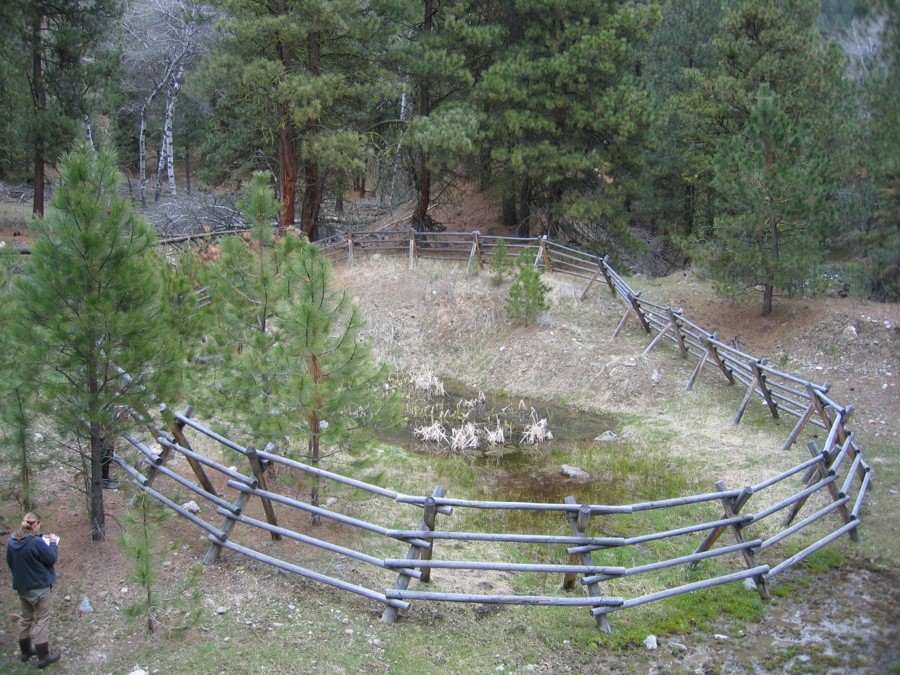
Papers & Reports Effect of cattle exclosures on Columbia Spotted Frog abundance
Papers & Reports Post-breeding movement and habitat use by Wood Frogs along an Arctic-Subarctic ecotone
Papers & Reports Pathology and diagnostic case definition of Severe Perkinsea Infections of frogs
Papers & Reports Mass mortality of green frog tadpoles (Rana clamitans) in Wisconsin (USA) associated with severe infections with the Pathogenic Perkinsea Clade
Papers & Reports Two-species occupancy modeling accounting for species misidentification and nondetection
2. However, false detections for a given species often occur because of the misidentification with another, closely-related species. To exploit this explicit source of false positive detection error, we develop a two-species occupancy model that accounts for misidentifications between two species of interest. As with other false positive models, identifiability is greatly improved by the availability of unambiguous detections at a subset of site-occasions. Here, we consider the case where some of the field observations can be confirmed using laboratory or other independent identification methods (?confirmatory data?).
3. We performed three simulation studies to (1) assess the model?s performance under various realistic scenarios, (2) investigate the influence of the proportion of confirmatory data on estimator accuracy, and (3) compare the performance of this two-species model with that of the single-species false positive model. The model shows good performance under all scenarios, even when only small proportions of detections are confirmed (e.g., 5%). It also clearly outperforms the single-species model.
4. We illustrate application of this model using a four-year data set on two sympatric species of lungless salamanders: the US federally endangered Shenandoah salamander (Plethodon shenandoah), and its presumed competitor, the red-backed salamander (Plethodon cinereus). Occupancy of red-backed salamanders appeared very stable across the four years of study, whereas the Shenandoah salamander displayed substantial turn-over in occupancy of forest habitats among years.
5. Given the extent of species misidentification issues in occupancy studies, this modelling approach should help improve the reliability of estimates of species distribution, which is the goal of many studies and monitoring programs. Further developments, to account for different forms of state uncertainty, can be readily undertaken under our general approach.
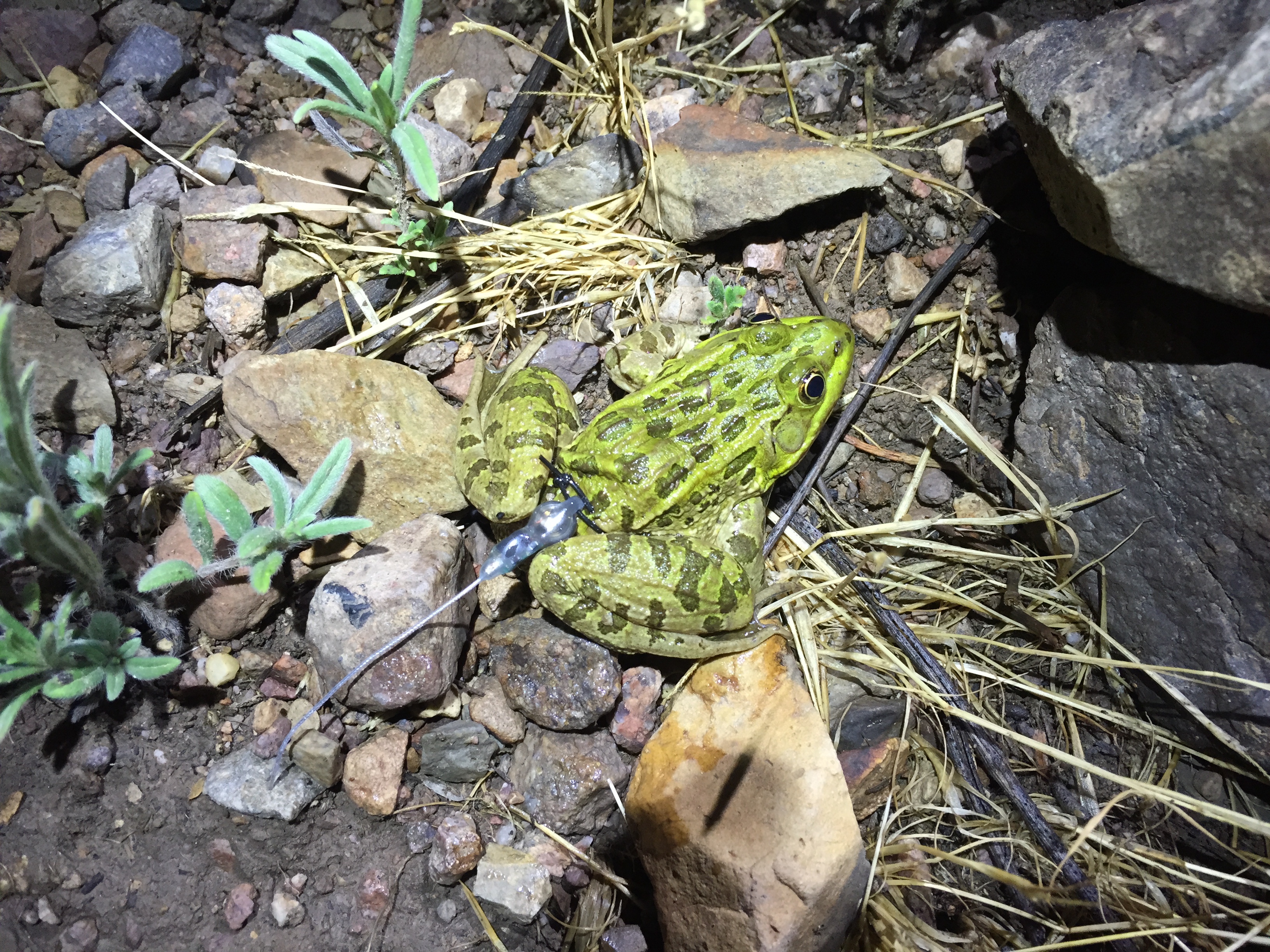
Papers & Reports Increasing connectivity between metapopulation ecology and landscape ecology
influences ecological processes, yet these disciplines address the problem using fundamentally different modeling approaches. Metapopulation models describe how the spatial distribution of patches affects colonization and extinction, but often do not account for the heterogeneity in the landscape between patches. Models in landscape ecology use detailed descriptions of landscape structure, but often without considering colonization and extinction dynamics. We present a novel spatially explicit modeling framework for narrowing the divide between these disciplines to advance understanding of the effects of landscape structure on metapopulation dynamics. Unlike previous efforts, this framework allows for statistical inference on landscape resistance to colonization using empirical data. We demonstrate the approach using 11 yr of data on a threatened amphibian in a desert ecosystem. Occupancy data for Lithobates chiricahuensis (Chiricahua leopard frog) were collected on the Buenos Aires National Wildlife Refuge (BANWR), Arizona, USA from 2007 to 2017 following a reintroduction in 2003. Results indicated that colonization dynamics were influenced by both patch characteristics and landscape structure. Landscape resistance increased with increasing elevation and distance to the nearest streambed. Colonization rate was also influenced by patch quality, with semi-permanent and permanent ponds contributing substantially more to the colonization of neighboring ponds relative to intermittent ponds. Ponds that only hold water intermittently also had the highest extinction rate. Our modeling framework can be widely applied to understand metapopulation dynamics in complex landscapes, particularly in systems in which the environment between habitat patches influences the colonization process.
Papers & Reports Effect of chronic exposure to neonicotinoid insecticides on metamorphosis of juvenile African clawed frogs (Xenopus laevis)
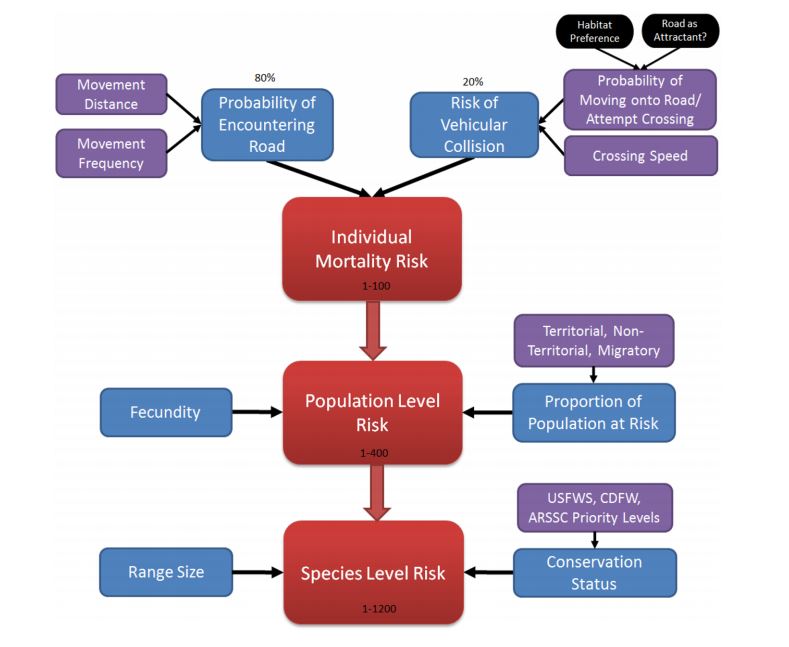
Papers & Reports An objective road risk assessment method for multiple species: ranking 166 reptiles and amphibians in California
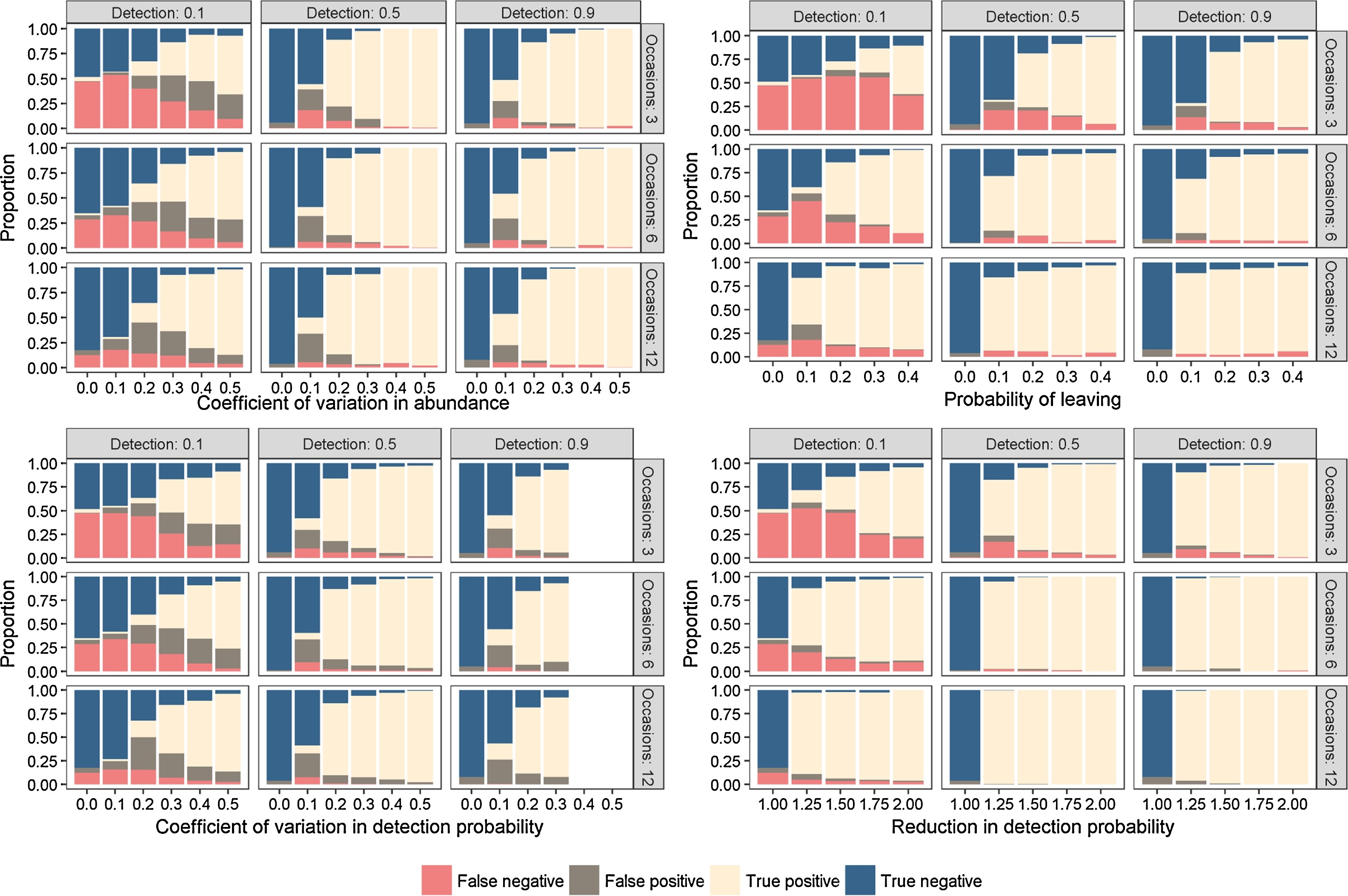
Papers & Reports Fitting N-mixture models to count data with unmodeled heterogeneity: bias, diagnostics, and alternative approaches