Search ARMI Database
Search term(s)
Contribution Number
Search Results
1290 record(s) found.
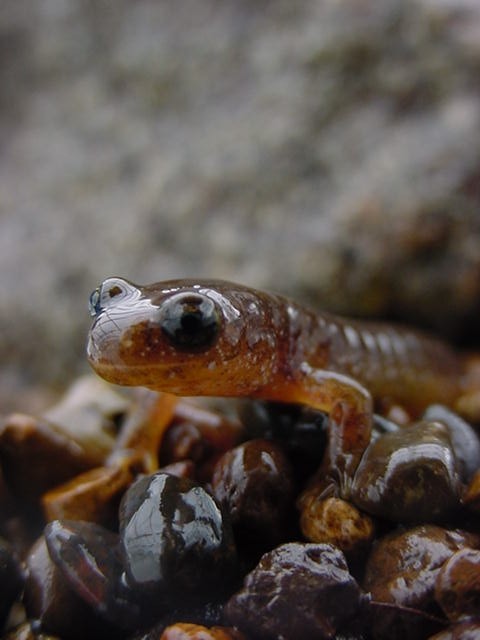
Papers & Reports Inference of timber harvest effects on survival of stream amphibians is complicated by movement
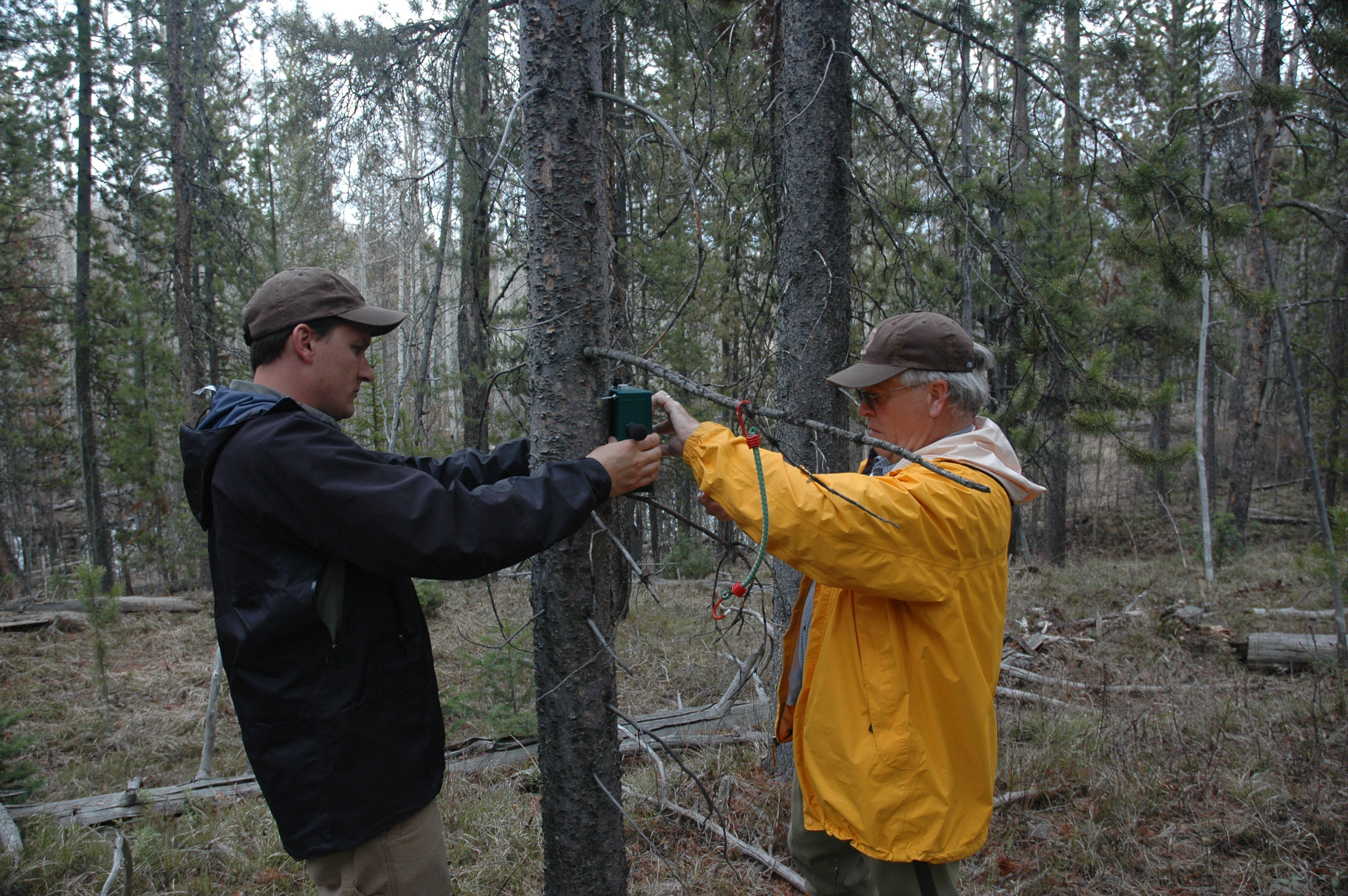
Papers & Reports Evaluation of wetland mitigation in the Geater Yellowstone Ecosystem: Wildlife population and community responses
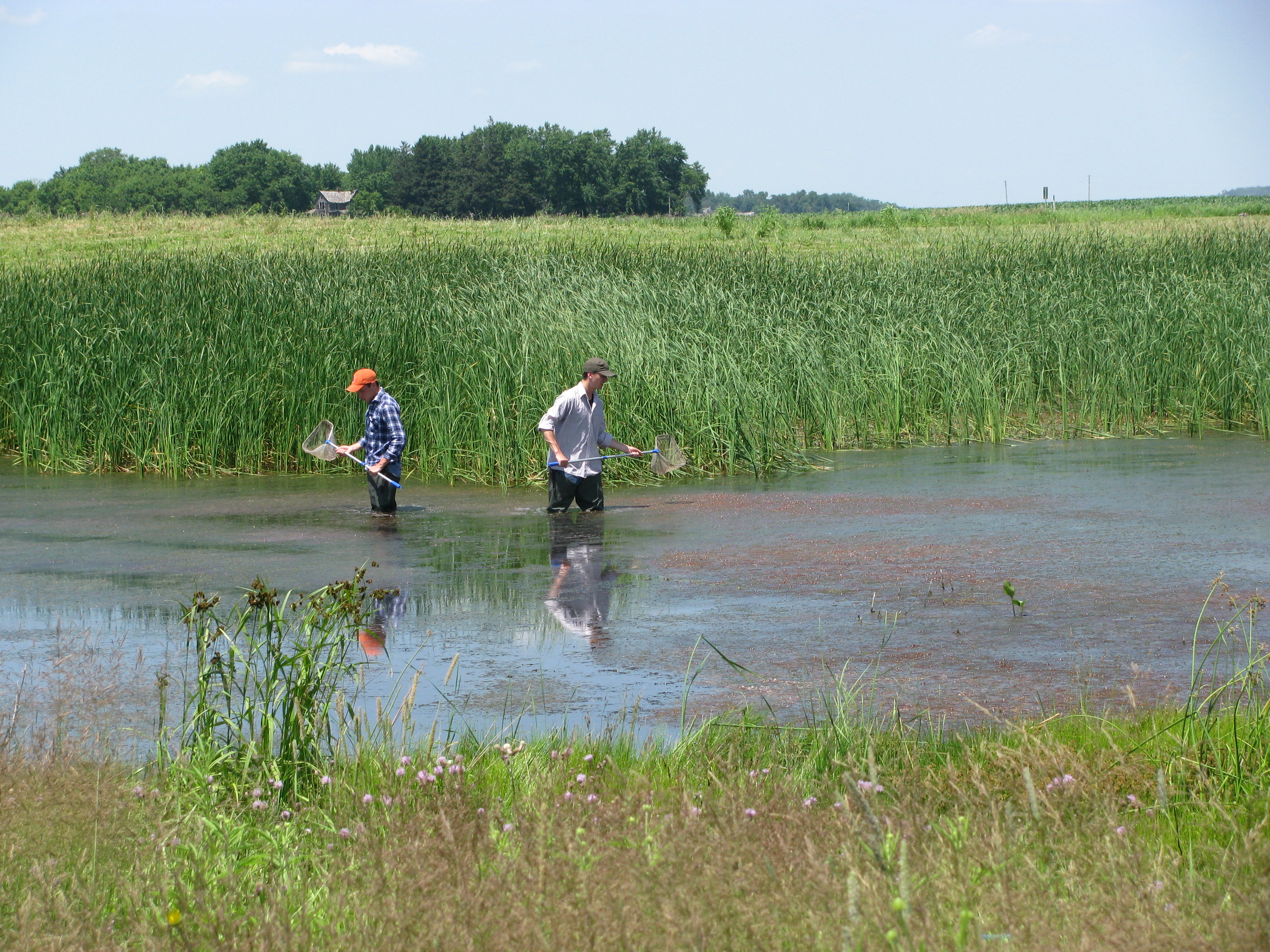
Papers & Reports Response of anurans to wetland restoration on a midwestern agricultural landscape
have been restored on the row-crop agricultural landscape of Winnebago County, Iowa, USA.
From 2008?2011, we surveyed 22 of these sites for probabilities of occupancy and colonization
by Boreal Chorus Frogs (BCF; Pseudacris maculata), Northern Leopard Frogs (NLF; Lithobates
pipiens), and American Toads (AT; Anaxyrus americanus). We used radio telemetry to measure
patterns of movement and habitat use by 22 NLF and 54 AT, and deployed biophysical models
in available habitats to estimate their physiological costs. BCF occupied 100% of restored
wetlands; NLF and AT occupied 59?91% and 71?89%, respectively, varying according to annual
weather conditions. BCF colonized new sites within a year; NLF and AT required 3 and 2 yr,
respectively.
Papers & Reports Declines revisited: long-term recovery and spatial population dynamics of tailed frog larvae after wildfire
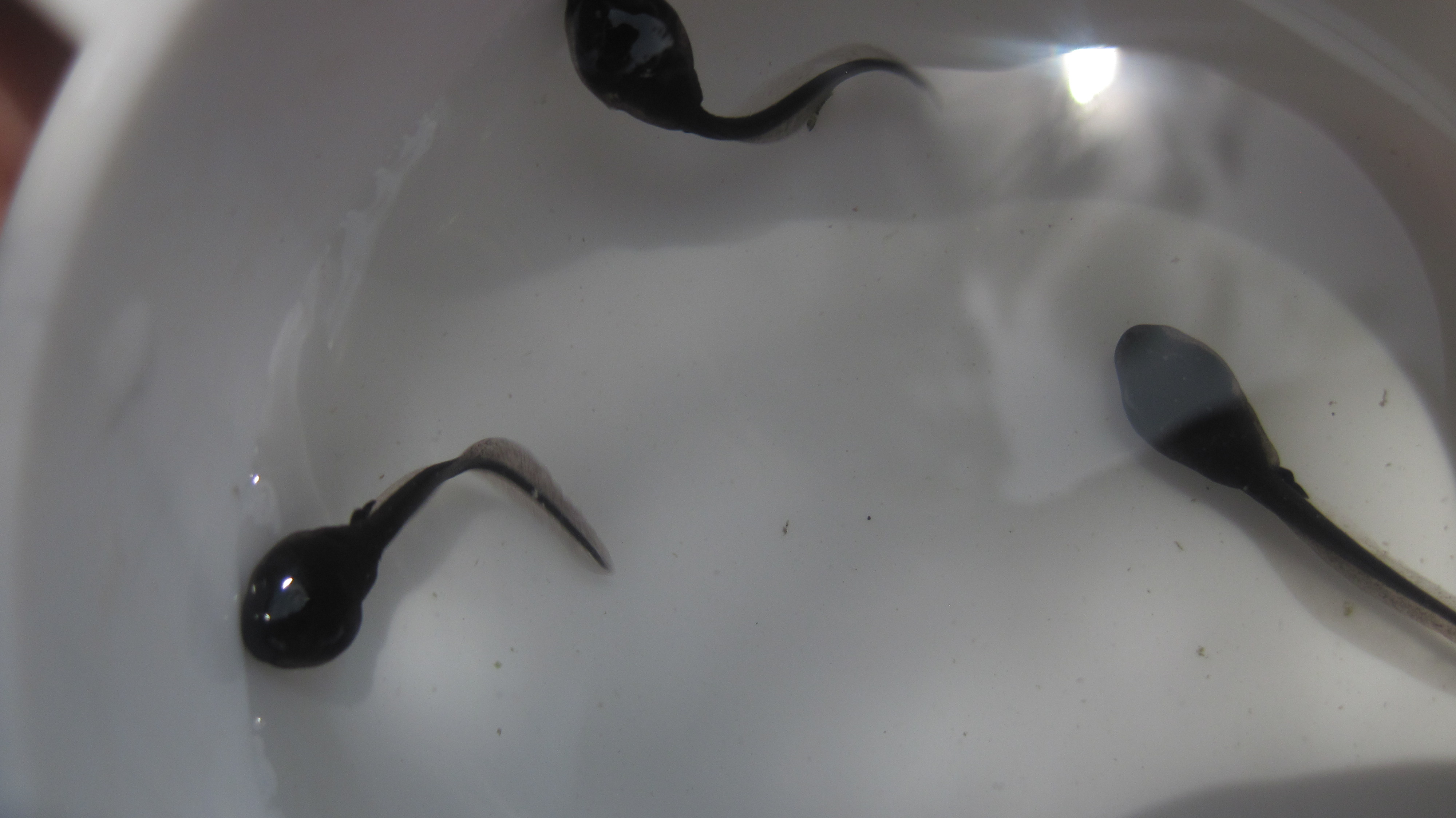
Papers & Reports Pathogenic lineage of Perkinsea causes mass mortality of frogs across the United States
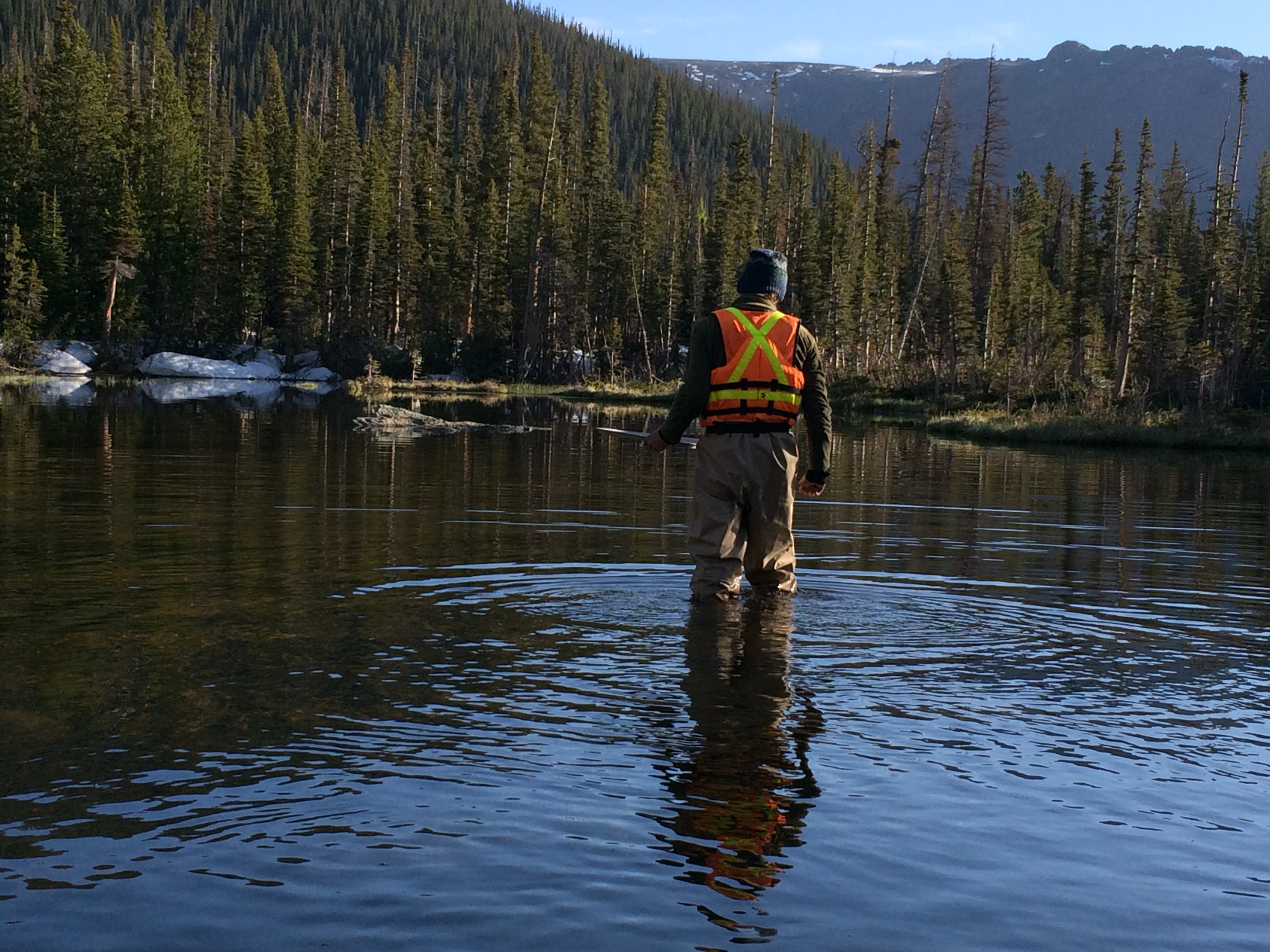
News & Stories New graduate student starts at Colorado State University, funded jointly by ARMI, Colorado State University, and Rocky Mountain National Park.
A new graduate student has started work on boreal toads this summer in Rocky Mountain National Park (RMNP). John Crockett completed his undergraduate degree at Colby College and successfully garnered a funded graduate position in Larissa Bailey's lab at Colorado State University (CSU). He will be working with ARMI scientist Erin Muths and Larissa Bailey to examine factors that influence boreal toad survival from egg to one year old toads. During the past 15 years, breeding by boreal toads has been documented at only six sites within RMNP and in 2016 breeding occurred in only four of these remaining sites. Batrachochytrium dendrobatidis, a fungal pathogen which causes a fatal skin disease in amphibians, has been credited as the cause of the recent and rapid declines of boreal toads in RMNP and has been identified at three of these sites. Quantifying breeding success and understanding factors that impact survival in early life stages of toads are poorly known aspects of their ecology. One of these factors is the potential negative interaction between trout and aquatic stages of toads (egg and tadpoles). Laboratory evidence suggests that trout will "taste" tadpoles, while not lethal, it does effect survival. A behavioral component to this project will examine interactions between trout and aquatic stages in the field. In addition to newly collected data on behavior, egg deposition, hatching success, and metamorph survival, this jointly-funded project will capitalize on long-term existing data from Muths' lab and RMNP. We anticipate that this information will help us understand factors that impact early life stages of toads and identify situations where we may be able to intervene and improve survival rates, thus informing management strategies and contributing to conservation of the toad.
Papers & Reports ??Evolutionary dynamics of an expressed MHC class IIBeta locus in the Ranidae (Anura) uncovered by genome walking and high-throughput amplicon sequencing.
Papers & Reports Design Tradeoffs in a Long-Term Research Program for Stream Salamanders
Papers & Reports Decision making for mitigating emerging wildlife diseases: from theory to practice
2. Using an integral projection model, we explored potential mitigation actions for avoiding population declines and the ongoing spatial spread of the fungus Batrachochytrium salamandrivorans (Bsal). This fungus has recently caused severe amphibian declines in north-western Europe and threatens Palearctic salamander diversity.
3. Available evidence suggests that a Bsal outbreak in a fire salamander (Salamandra salamandra) population will lead to its rapid extirpation. Treatments such as antifungals or probiotics would need to almost entirely interrupt transmission (reduce probability of infection by more than 90%) to avert host extirpation and successfully eradicate the pathogen.
4. Improving the survival of infected hosts is most likely to be detrimental as it increases the potential for pathogen transmission and dispersal. Active removal of host species has some potential to reduce the spread of Bsal, but its effectiveness depends on the presence of Bsal reservoirs and on the host?s spatial dynamics, which should therefore represent research priorities.
5. Synthesis and applications. Mitigation of Bsal epidemics in susceptible host species is highly unlikely, requiring highly efficient interruption of transmission and substantial removal of host individuals. More in general, our study illustrates the advantages of framing conservation science directly in the management decision context, rather than adapting to it a posteriori.
Papers & Reports Candoia bibroni (Pacific Boa) Diet
Papers & Reports Establishing a baseline: the amphibians of Lower Suwannee National Wildlife Refuge, Dixie and Levy counties, Florida
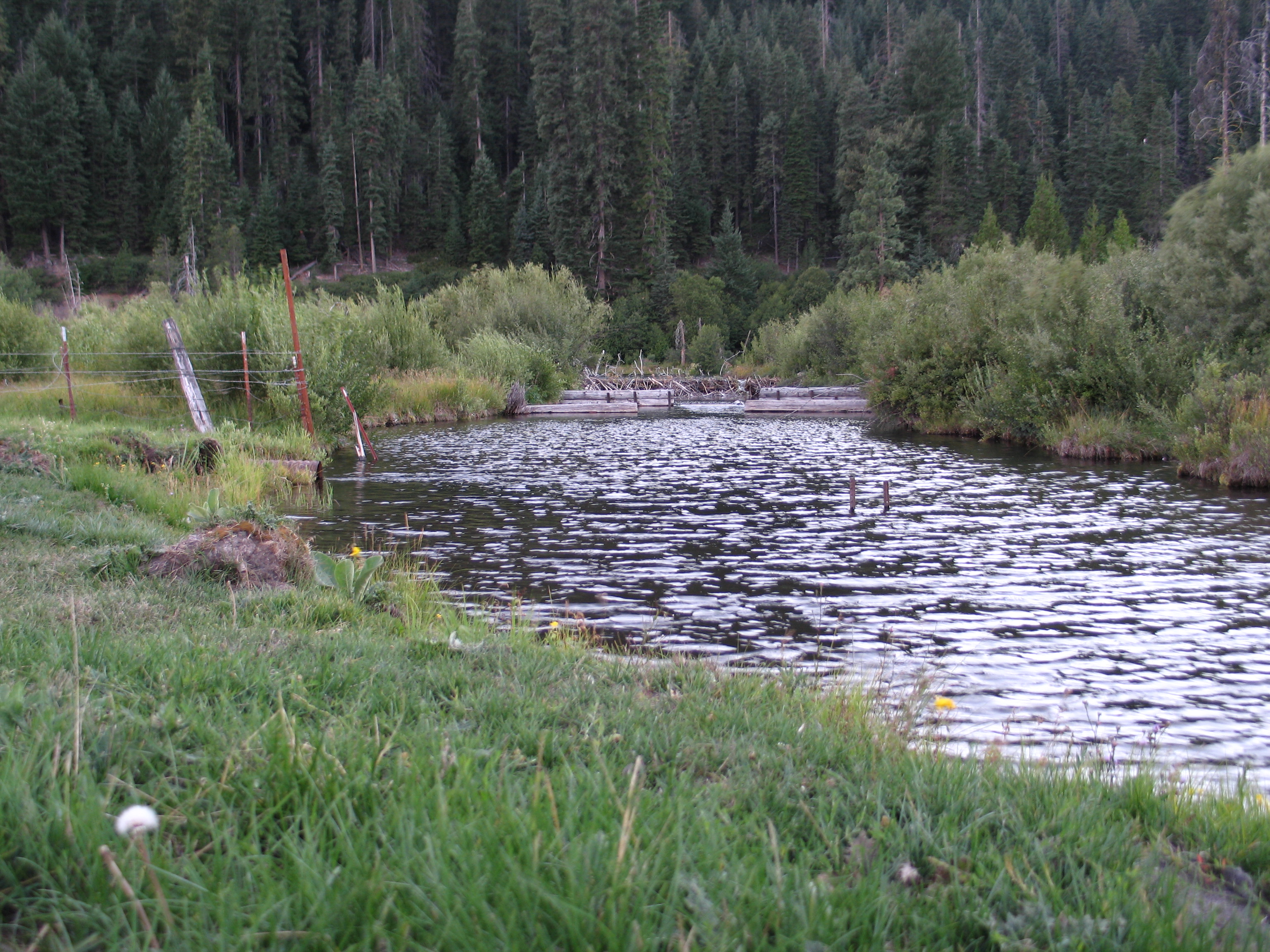
Papers & Reports A new parameterization for integrated population models to document amphibian reintroductions
affecting populations and a need to make recurring decisions to achieve objectives, adaptive management is a useful component of these efforts. A
major impediment to the estimation of demographic rates often used to parameterize and refine decision-support models is that life-stage-specific
monitoring data are frequently sparse for amphibians. We developed a new parameterization for integrated population models to match the ecology of amphibians and capitalize on relatively inexpensive monitoring data to document amphibian reintroductions. We evaluate the capability of this
model by fitting it to Oregon spotted frog (Rana pretiosa) monitoring data collected from 2007 to 2014 following their reintroduction within the Klamath Basin, Oregon, USA. The number of egg masses encountered and the estimated adult and metamorph abundances generally increased following reintroduction. We found that survival probability from egg to metamorph ranged from https://0.01 in 2008 to https://0.09 in 2009 and was not related to minimum spring temperatures, metamorph survival probability ranged from https://0.13 in 2010-2011 to https://0.86 in 2012-2013 and was positively related
to mean monthly temperatures (logit-scale slope = 2.37), adult survival probability was lower for founders (0.40) than individuals recruited after
reintroduction (0.56), and the mean number of egg masses per adult female was https://0.74. Our study represents the first to test hypotheses concerning Oregon spotted frog egg-to-metamorph and metamorph-to adult transition probabilities in the wild and document their response at multiple life stages following reintroduction. Furthermore, we provide an example to illustrate how the structure of our integrated population model serves as a useful foundation for amphibian decision-support models within adaptive management programs. The integration of multiple, but related, datasets has an advantage of being able to estimate complex ecological relationships across multiple life stages, offering a modeling framework that accommodates uncertainty, enforces parsimony, and ensures all model parameters can be confronted with monitoring data.
Papers & Reports Effects of host species and environment on the skin microbiome of Plethodontid salamanders
2. Quantifying salamander skin microbiome structure contributes to our understanding of how host-associated bacteria are distributed across the landscape, among host species, and their putative relationship with disease.
3. We characterized skin microbiome structure (alpha-diversity, beta-diversity and bacterial operational taxonomic unit [OTU] abundances) using 16S rRNA gene sequencing for co-occurring Plethodon salamander species (3571 P. cinereus, 17 P. glutinosus, 10 P. cylindraceus) at three localities to differentiate the effects of host species from environmental factors on the microbiome. We sampled the microbiome of P. cinereus along an elevational gradient (n = 50, 700 ? 1000 masl) at one locality to determine whether elevation predicts microbiome structure. Finally, we quantified prevalence and abundance of putatively anti-Bd bacteria to determine if Bd-inhibitory bacteria are dominant microbiome members.
4. Co-occurring salamanders had similar microbiome structure, but among sites salamanders had dissimilar microbiome structure for beta-diversity and abundance of 28 bacterial OTUs. We found that alpha-diversity increased with elevation, beta-diversity and the abundance of 17 bacterial OTUs changed with elevation (16 OTUs decreasing, 1 OTU increasing). We detected 11 putatively anti-Bd bacterial OTUs that were present on 90% of salamanders and made up an average relative abundance of 83% (SD ? 8.5) per salamander. All salamanders tested negative for Bd.
5. We conclude that environment is more influential in shaping skin microbiome structure than host differences for these congeneric species, and suggest that environmental characteristics that co-vary with elevation influence microbiome structure. High prevalence and abundance of anti-Bd bacteria may contribute to low Bd levels in these populations of Plethodon salamanders.
Papers & Reports An extirpated lineage of a threatened frog species resurfaces in southern California
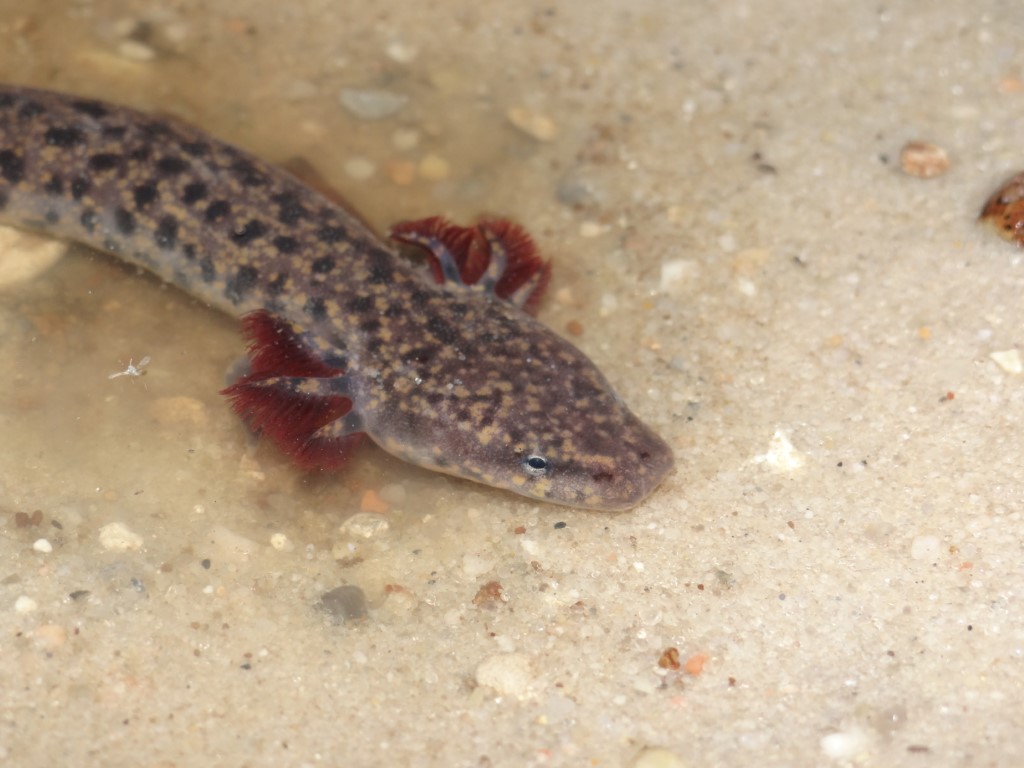
Papers & Reports Prevalence of Batrachochytrium dendrobatidis and B. salamandrivorans in the Gulf Coast Waterdog, Necturus beyeri, from Southeast Louisiana, USA
Papers & Reports Integrating count and detection/nondetection data to model population dynamics
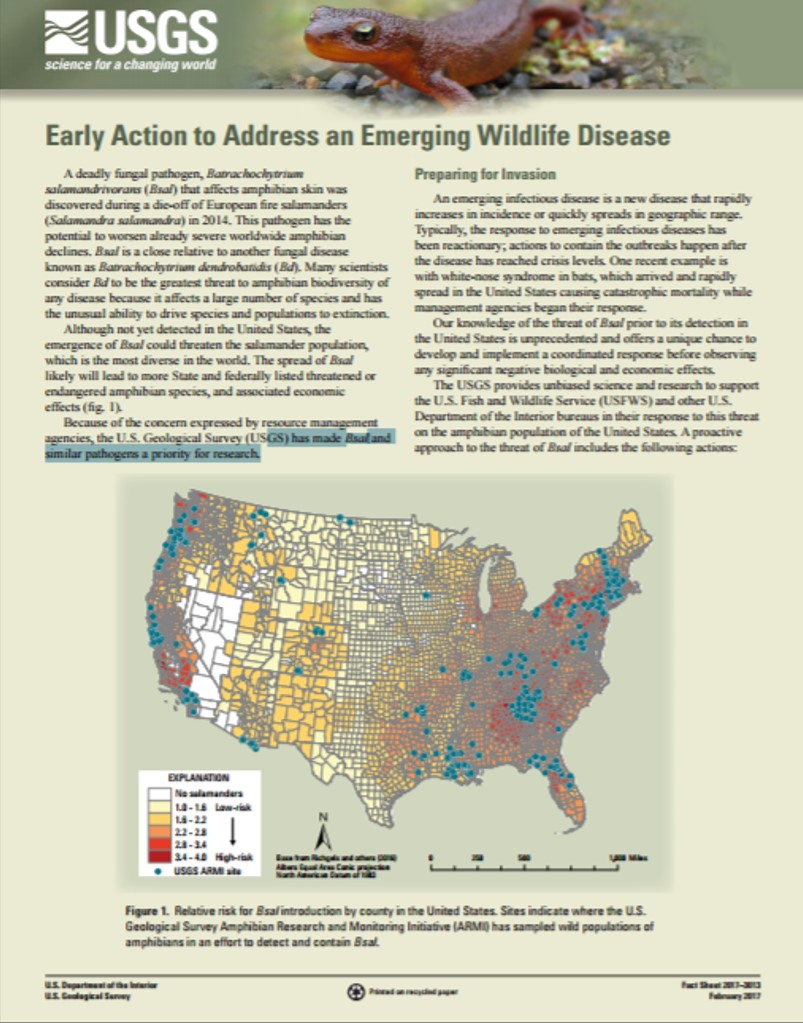
Papers & Reports Early action to address an emerging wildlife disease
Papers & Reports Antifungal bacteria on woodland salamander skin exhibit high taxonomic diversity and geographic variability
36 anti-Bd bacteria was higher at Shenandoah NP, VA, with 96% (25/26) of salamanders hosting at least one anti-Bd bacteria compared to 50% (7/14) at Catoctin MP, MD and 38% (8/21) at Mt. Rogers NRA, VA. At the individual level, salamanders at Shenandoah NP had more anti-Bd bacteria per individual (μ = 3.3) than those at Catoctin MP (μ = 0.8) and at Mt. Rogers NRA (μ = 0.4). All salamanders tested negative for Bd. Anti-Bd bacteria are diverse in central Appalachian Plethodon salamanders, and their distribution varied geographically. The antifungal bacteria we identified may play a protective role for these salamanders.