
Search ARMI Database

Search term(s)

Filter search results with:


To view all contents, leave all fields blank and click "Search" button.

Contribution Number


Search Results

1290 record(s) found.
Papers & Reports Indirect facilitation of an anuran invasion by non-native fishes
Authors: Michael J Adams; Christopher A Pearl; Richard B Bury
Date: 2003-03-13 | Outlet: Ecology Letters 6: 343-351
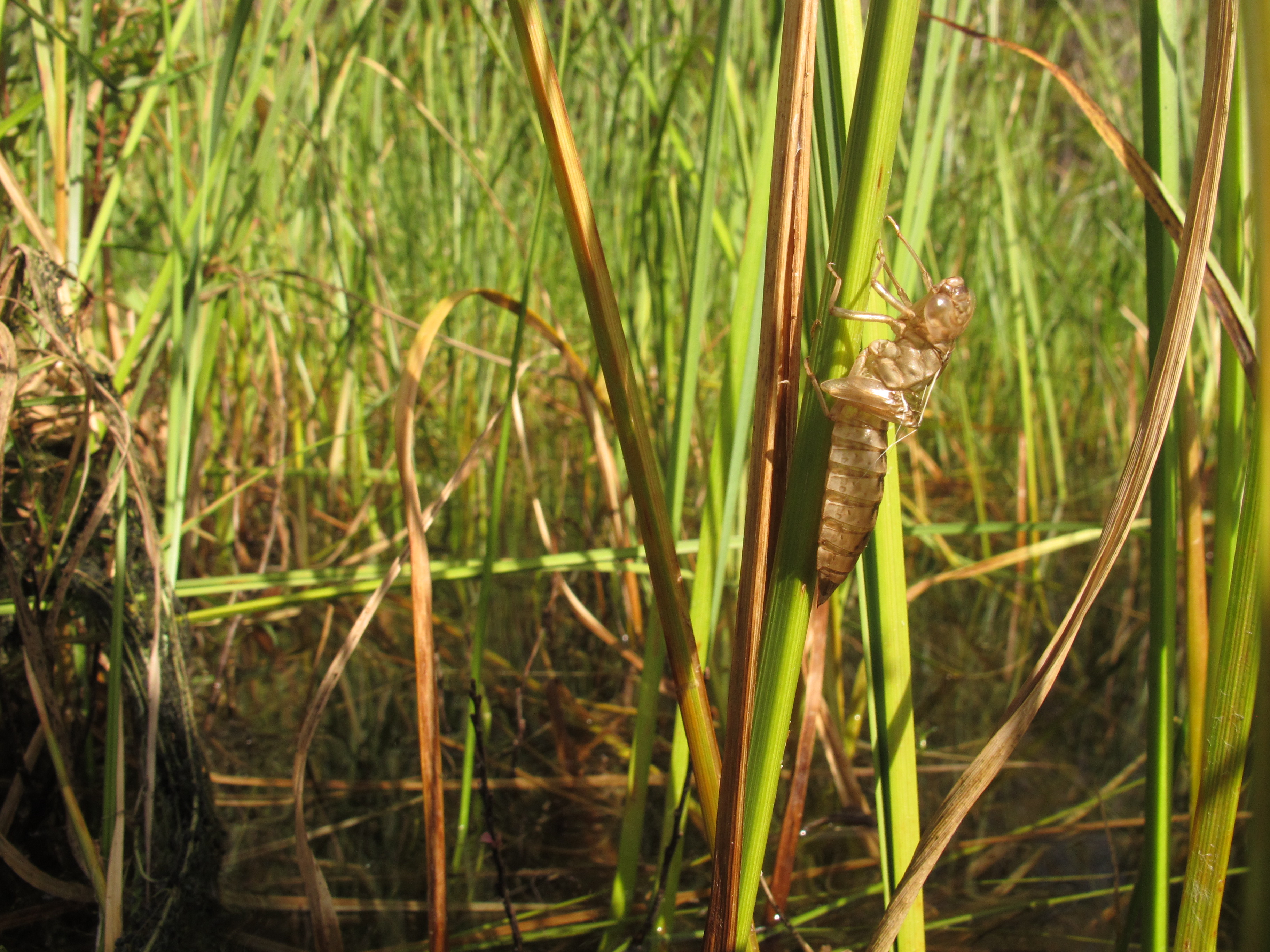
Positive interactions among non-native species could greatly exacerbate the problem of invasions, but are poorly studied and our knowledge of their occurrence is mostly limited to plant-pollinator and dispersal interactions. We found that invasion of bullfrogs is facilitated by the presence of coevolved non-native fish, which increase tadpole survival by reducing predatory macroinvertebrate densities. Native dragonfly nymphs in Oregon, USA caused zero survival of bullfrog tadpoles in a replicated field experiment unless a non-native sunfish was present to reduce dragonfly density. This pattern was also evident in pond surveys where the best predictors of bullfrog abundance were the presence of non-native fish and bathymetry. This is the first experimental evidence of facilitation between two non-native vertebrates and supports the invasional meltdown hypothesis. Such positive interactions among non-native species have the potential to disrupt ecosystems by amplifying invasions, and our study shows they can occur via indirect mechanisms.
Papers & Reports Problems and opportunities managing invasive Bullfrogs: is there any hope?
Authors: Michael J Adams; Christopher A Pearl
Date: 2007 | Outlet: Gherardi F, editor. Biological invaders in inland waters: Profiles, distribution, and threats. Springer, Dordrecht, The Netherlands.
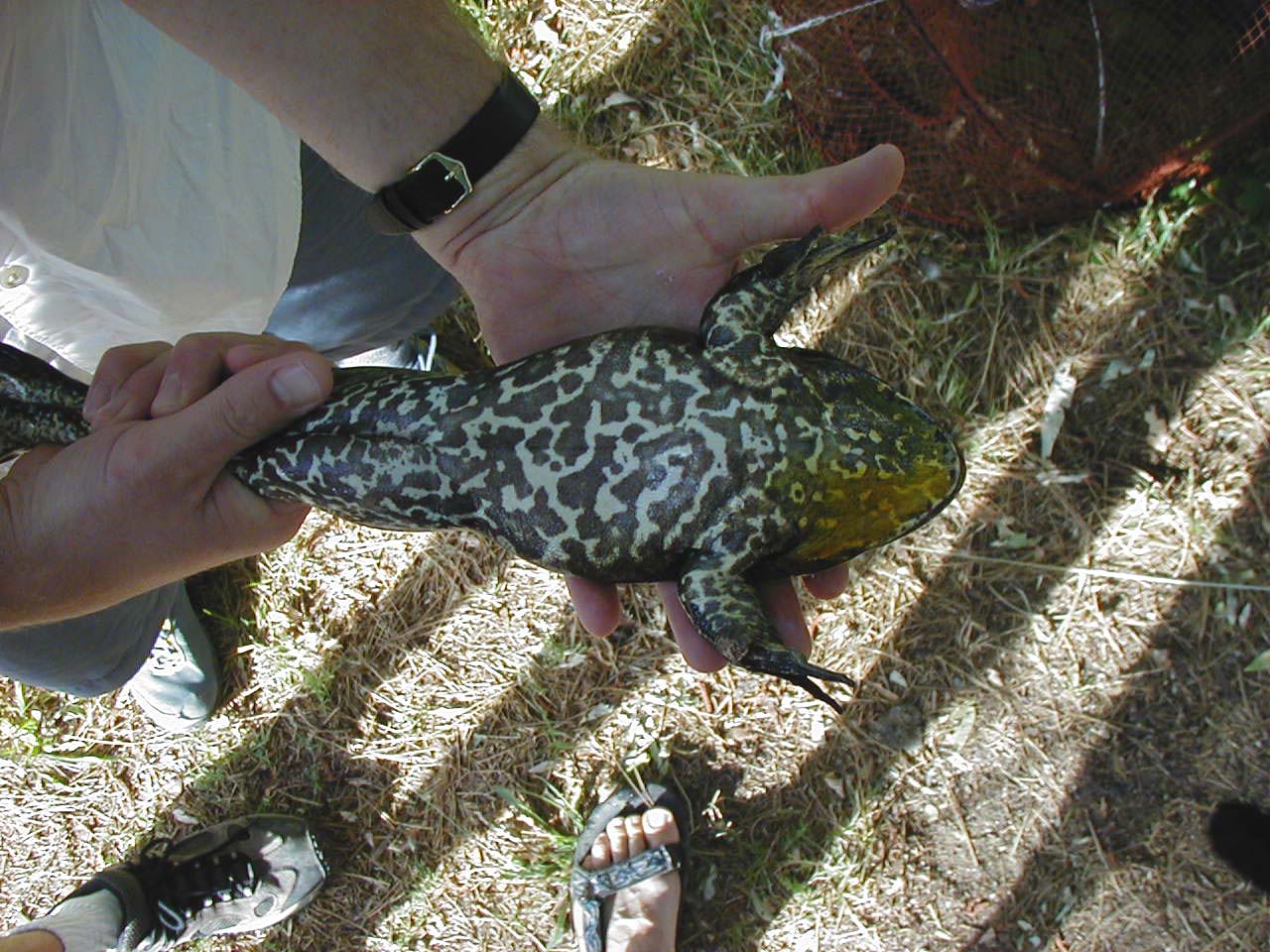
The American Bullfrog (Rana catesbeiana Shaw) is a widely introduced and invasive anuran that is frequently blamed for population declines of native species (Bury and Whelan 1984). Once established, Bullfrog populations are often either difficult or impossible to eradicate depending on habitat and landscape features (Schwalbe and Rosen 1988, Doubledee et al. 2003, Govindarajulu et al. 2005). Bullfrogs are representative of a large but neglected suite of invasive species that are characterized by: 1) a broad invasion that is well established in some areas; 2) a lack of obvious economic impacts compared to some other invasive species; and 3) a lack of reasonably feasible control methods. Despite demonstrated conservation concerns, invasive species like the Bullfrog do not tend to attract the resources necessary to attempt large scale management because of their lack of economic impact and the difficulty of control methods. This leaves biologists responsible for managing habitats invaded by such species with little hope and few options for promoting the persistence of sensitive native species. With these issues in mind, we consider the case of the Bullfrog, review management options, and suggest directions for future research with this and similar species.
Papers & Reports Tailed frog, Ascaphus truei
Authors: Michael J Adams; Christopher A Pearl
Date: 2005 | Outlet: Lannoo M, editor. Amphibian declines: the conservation status of United States species. Berkeley: University of California Press Pp 382-384
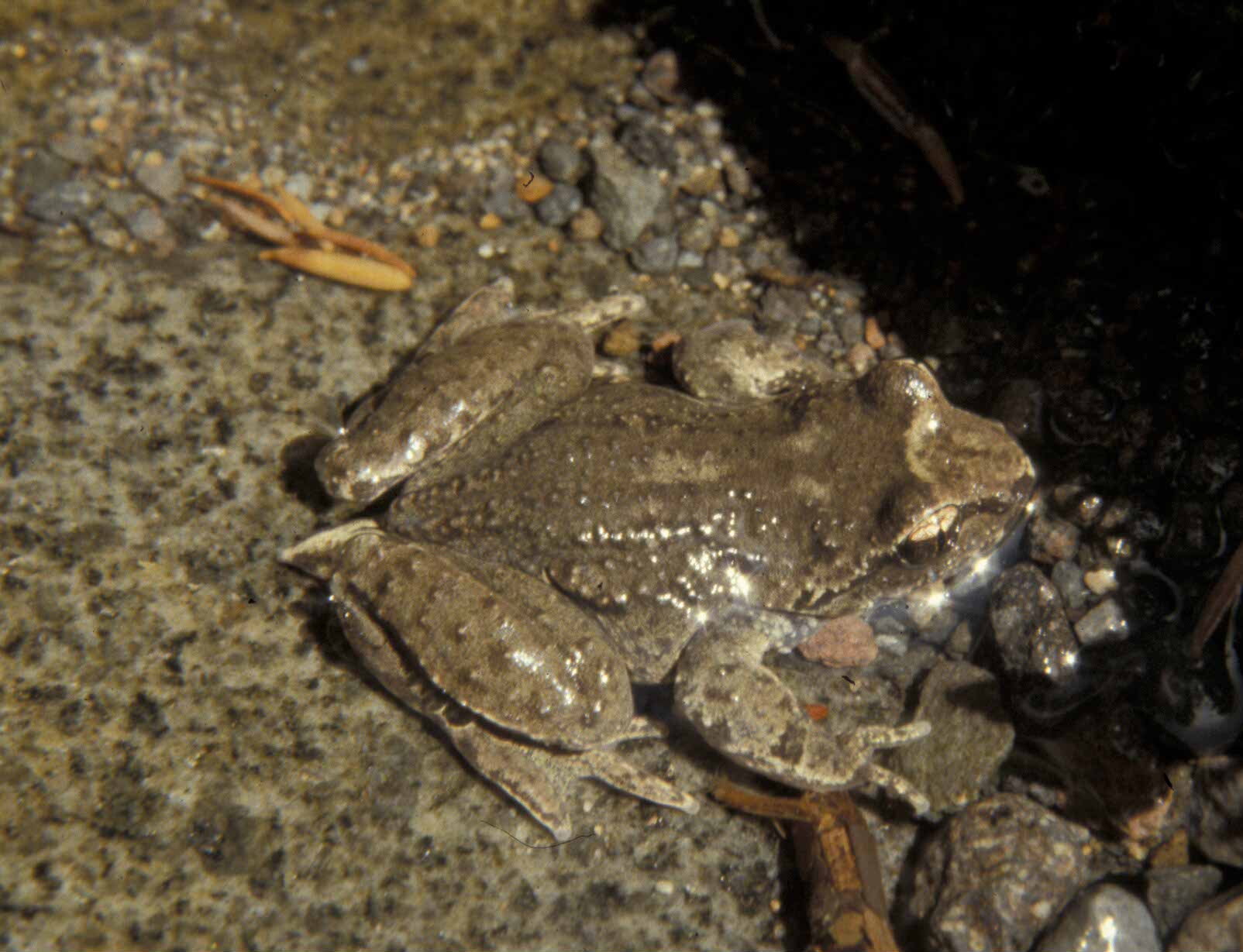
A species account for the Tailed Frog (Ascaphus truei[/])
Papers & Reports Distribution patterns of lentic-breeding amphibians in relation to ultraviolet radiation exposure in western North America
Authors: Michael J Adams; Blake R Hossack; Roland A Knapp; P. Stephen Corn; S Diamond; P Trenham; D Fagre
Date: 2005 | Outlet: Ecosystems 8: 488-500
An increase in ultraviolet-B (UV-B) radiation has been posited as one potential factor in some amphibian population declines. This hypothesis has received support from laboratory and field experiments showing that current levels of UV-B can cause embryo mortality in some species, but little research has addressed whether UV-B is influencing the distribution of amphibian populations. We compared patterns of amphibian presence to site-specific estimates of UV-B dose at 683 ponds and lakes in Glacier, Olympic, and Sequoia-Kings Canyon National Parks. All three parks are located in western North America, a region with a concentration of documented amphibian declines. Site-specific daily UV-B dose was estimated using modeled and field-collected data to incorporate effects of elevation, landscape, and water column dissolved organic carbon. Of the eight species we examined (Ambystoma gracile, Ambystoma macrodactylum, Bufo boreas, Pseudacris regilla, Rana cascadae, Rana leuteiventris, Rana muscosa, Taricha granulosa), two species (T. granulosa and A. macrodactylum) had quadratic relationships with UV-B that could have resulted from negative UV-B effects. Both species were most likely to occur at moderate UV-B levels. Ambystoma macrodactylum only showed this pattern in Glacier National Park. Occurrence of A. macrodactylum increased as UV-B increased in Olympic National Park despite UV-B levels similar to those recorded in Glacier. We also found marginal support for a negative association with UV-B for P. regilla in one of the two parks where it occurred. We did not find evidence of a negative UV-B effect for any other species. Much more work will be necessary to determine if UV-B, either alone or in concert with other factors, is causing widespread population losses in amphibians.
Papers & Reports Batrachochytrium dendrobatidis in amphibian populations in Italy
Authors: Michael J Adams; Stephanie K Galvan; R Scalera; C Grieco; R Sindaco
Date: 2008 | Outlet: Herpetological Review 39: 324-326
We swabbed 45 amphibians and of these, 4 were positive for B. dendrobatidis. We found B. dendrobatidis on all 3 Rana catesbeiana captured in a small farm pond near Turin. Rana catesbeiana is a North America species introduced to Italy more than 50 years ago (Lanza 1962). Out of 41 native amphibians tested, we only found one individual that was positive for B. dendrobatidis. The positive individual was 1 of 10 R. esculenta tested at 5 ponds in Study Area C. We did not find any frogs that were dead or that appeared to be sick.
Papers & Reports Incidence of the fungus Batrachochytrium dendrobatidis in amphibian populations along the northwest coast of North America
Authors: Michael J Adams; Stephanie K Galvan; David Reinitz; R A Cole; S Pyare; M Hahr; Purnima Govindarajulu
Date: 2007 | Outlet: Herpetological Review 38
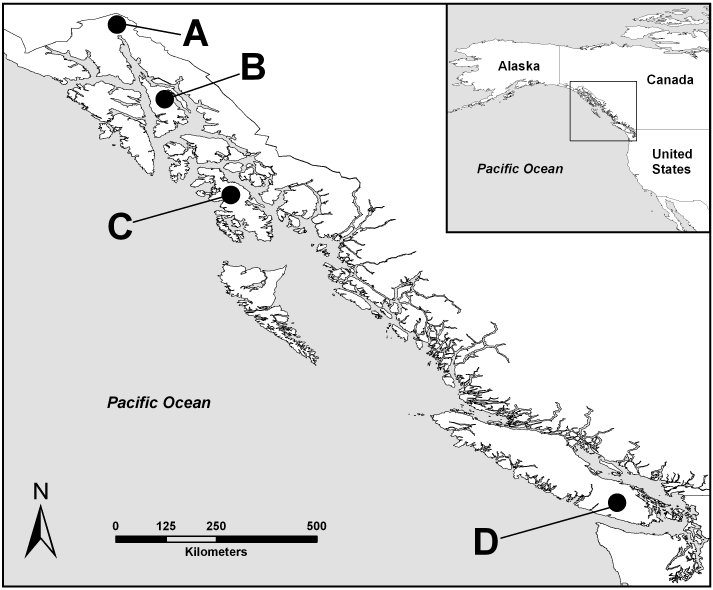
Of 242 amphibians swabbed, 52 were positive for B. dendrobatidis (Table 1). We found B. dendrobatidis on individuals from 11 of 22 populations and in 3 of the 4 study areas (A, C and D). All but 2 of the positive results were for Bufo boreas adults or juveniles. The other two positives were for Rana aurora adults. No R. luteiventris or R. sylvatica were positive. We did not find any frogs that were dead or appeared to be sick. For populations with at least one positive animal and with N  5 adults and juveniles, the percent of adults and juveniles testing positive averaged 34% and ranged from 10 to 80%.
Papers & Reports Using occupancy models to understand the distribution and prevalence of an amphibian pathogen, Batrachochytrium dendrobatidis
Authors: Michael J Adams; Nathan D Chelgren; David Reinitz; R A Cole; L J Rachowicz; Stephanie K Galvan; Brome McCreary; Christopher A Pearl; Larissa L Bailey; Jamie Bettaso; Evelyn L Bull; M Leu
Date: 2010-01 | Outlet: Ecological Applications 20: 289-302
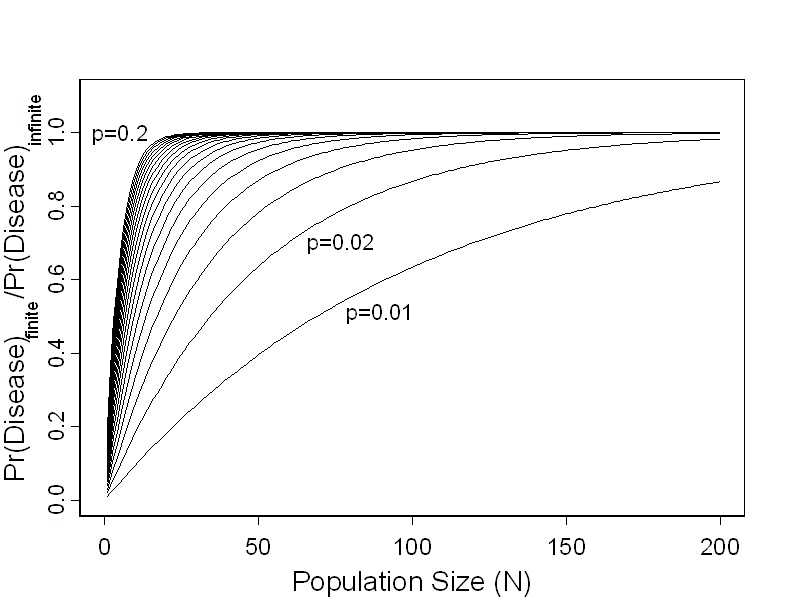
Batrachochytrium dendrobatidis is a fungal pathogen that is receiving attention around the world for its role in amphibian declines. Study of its occurrence patterns is hampered by false negatives: the failure to detect the pathogen when it is present. Occupancy models are a useful but currently underutilized tool for analyzing detection data when the probability of detecting a species is less than 1. We use occupancy models to evaluate hypotheses concerning the occurrence and prevalence of B. dendrobatidis and discuss how this application differs from a conventional occupancy approach. We found that the probability of detecting the pathogen, conditional on presence of the pathogen in the anuran population, was related to amphibian development stage, day of the year, elevation, and human activities. B. dendrobatidis was found throughout our study area but was only estimated to occur in 53.4% of 78 populations of native amphibians and 66.4% of 40 populations of non-native R. catesbeiana tested. We found little evidence to support any spatial hypotheses concerning the probability that the pathogen occurs in a population, but did find evidence of some taxonomic variation. We discuss the interpretation of occupancy model parameters, when, unlike a conventional occupancy application, the number of potential samples or observations is finite
Papers & Reports The endemic headwater stream amphibians of the American Northwest: associations with environmental gradients in a large forested preserve
Authors: Michael J Adams; Richard B Bury
Date: 2002-04-09 | Outlet: Global Ecology and Biogeography 11: 169-178
We used a large forested preserve (Olympic National Park, USA) to examine the habitat associations of a unique and environmentally sensitive stream amphibian fauna: Ascaphus truei Stegneger, Rhyacotriton olympicus (Gaige), and Dicamptodon copei Nussbaum. We quantified the relative abundance of stream amphibians and compared them to physical, topographic, climatic, and landscape variables. All three species were associated with the southwest to northeast climate gradient; tending to be most abundant in the southwest. Although a habitat generalist relative to the other two species, Dicamptodon copei was absent from the northeastern portion of the park. Ascaphus truei and Rhyacotriton olympicus were both associated with coarse substrates and steep gradients. Unlike studies in harvested forests, all stream amphibians were common in waters with unconsolidated surface geology (e.g., marine sediments that erode easily). Studies of ecological preserves can provide an important baseline for evaluating species associations with environmental gradients and can reveal patterns not evident in more disturbed landscapes.
Papers & Reports Pond permanence and the effects of exotic vertebrates on anurans
Authors: Michael J Adams
Date: 2000-04-01 | Outlet: Ecological Applications 10: 559-568
In many permanent ponds throughout western North America, the introduction of a variety of exotic fish and bullfrogs (Rana catesbeiana) correlates with declines in native amphibians. Direct effects by exotics are suspected to be responsible for the rarity of some native amphibians and are one hypothesis to explain the prevalence of amphibian declines in western North America. However, the prediction that the permanent ponds occupied by exotics would be suitable for native amphibians if exotics were absent, has not been tested. I used a series of enclosure experiments to test whether survival of northern red-legged frog (Rana aurora aurora) and Pacific treefrog (Hyla regilla) larvae is equal in permanent and temporary ponds in the Puget Lowlands, Washington, USA. I also examined the direct effects of bullfrog larvae and sunfish. Survival of both species of native anuran larvae was generally lower in permanent ponds. Only one permanent pond out of six was an exception to this pattern and exhibited increased larval survival rates in the absence of direct effects by exotics. The presence of fish in enclosures reduced survival to near zero for both native species. An effect of bullfrog larvae on Pacific treefrog larval survival was not detected, but effects on red-legged frog larvae were mixed. A hypothesis that food limitation is responsible for the low survival of native larvae in some permanent ponds was not supported. My results confirm that direct negative effects by exotic vertebrates on native anurans occur, but suggest they may not be important to broad distribution patterns. Instead, habitat gradients or indirect effects of exotics appear to play major roles. I found support for the role of permanence as a structuring agent for pond communities in the Puget lowlands, but neither permanence nor exotic vertebrates fully explained the observed variability in larval anuran survival.
News & Stories Native Boreal Toads Released Into Rocky Mountain National Park
Authors: Erin Muths
August 19, 2010

Rocky Mountain National Park (RMNP) has historically been a home to boreal toads (Bufo boreas boreas). Since the 1970s the number of toad populations in Colorado and in the Park has declined. Now there are only three locations where breeding is occurring in RMNP. The USGS Fort Collins Science Center has been studying boreal toads in RMNP for over 15 years and has documented population declines coincident with the detection of the amphibian chytrid fungus.

After 4 years of surveys, disease testing, and planning specific to this effort, RMNP is collaborating with USGS and the Colorado Division of Wildlife to reintroduce boreal toads to a site on the west side of the Park. The site is typical of historical toad habitat in the park, has only a small population of chorus frogs (Pseudacris maculata), no evidence of the amphibian chytrid, and no fish. Although most of the wetland dries by the end of summer, deeper waters in the middle provide a refuge for late-developing amphibian larvae. Boreal toad tadpoles do not overwinter, and therefore must grow and metamorphose before the onset of freezing temperatures and snow, making this water refugia important.

This year over 14,000 tadpoles were released by a team of over 40 volunteers on June 25th. This exercise involved carrying plastic bags filled with water and about 300 tadpoles per bag up two miles of trail and into the site. The tadpoles were hatched at the Colorado Division of Wildlife’s Native Species Hatchery in Alamosa, Colorado. The parents of these tadpoles were wild caught boreal toads from RMNP.

This effort involved over 40 volunteers including representatives from the Park Service, U.S. Geological Survey, Bureau of Land Management, U.S. Forest Service, Colorado State University, the Colorado Division of Wildlife and non-governmental agencies.

This was Year 1 of the planned three years of tadpole releases for this site. Boreal toads, if they can survive the tadpole stage and successfully metamorphose, take three to four years to reach sexual maturity and return to their natal pond to breed. Tracking these tiny toads is extremely difficult between metamorphosis and their return to the pond. Multiple releases over several years increase the chances that some will survive and return to breed, and is patterned after a successful reintroduction of Natterjack toads in England.

In addition to the tadpoles, seven adult boreal toads, animals that were in excess of those needed for the captive breeding stock at the hatchery, were also released. These animals, four males and 3 females, were released in early summer after receiving a hormone injection to encourage breeding. Each animal was fitted with a radio transmitter and will be tracked 2 to 3 times per week over the summer until autumn when the batteries on the transmitters will be drained.

Tadpoles are generally considered the best lifestage to use for reintroduction efforts; however, releasing adults also can be advantageous. Released adults can act as “sentinels” to detect disease, particularly the amphibian chytrid fungus. Although the site was tested using non-invasive swabs from captured chorus frogs as well as a newer technique to test the water for this fungus, the lack of a positive test does not provide certainty that the site is disease-free. Having adult toads in the habitat gives researchers the opportunity to monitor susceptible animals for the disease over the course of time. Each animal will be tested every week for the amphibian chytrid fungus and, if the organism is found, this information will be used in determining the course of the reintroduction effort. In addition to serving as sentinels for disease, released animals are being followed closely to determine how they respond to their new habitat, how they make use of it, and how far they roam from it – all critical information for other reintroduction efforts with adult amphibians. Information collected on the released adults, such as body temperature and micro-habitat characteristics, is contributing to another collaborative study (Idaho State University and USGS) on boreal toads that is focusing on toad and site temperatures in relation to the amphibian chytrid fungus at sites in Colorado and Wyoming.

Overall, the multi-year reintroduction of tadpoles and adult boreal toads represents an extraordinary example of inter-agency cooperation in working towards the recovery of a state endangered amphibian.

For further reading:

Muths, E., Corn, P.S., Pessier, A.P., and Green, D.E., 2003, Evidence for disease related amphibian decline in Colorado: Biological Conservation, v. 110, p. 357–365.

Muths, E., 2003, Homerange and movements of boreal toads in undisturbed habitats: Copeia, v. 2003, no. 1, p. 161–165.

Denton, J.S., and Beebee, T.J.C., 1996, Habitat occupancy by juvenile natterjack toads (Bufo calamita) on grazed and ungrazed heathland: Herpetological Journal, v. 6, no. 2, p. 49–52.