
Search ARMI Database
Search term(s)
Contribution Number
Search Results
31 record(s) found.
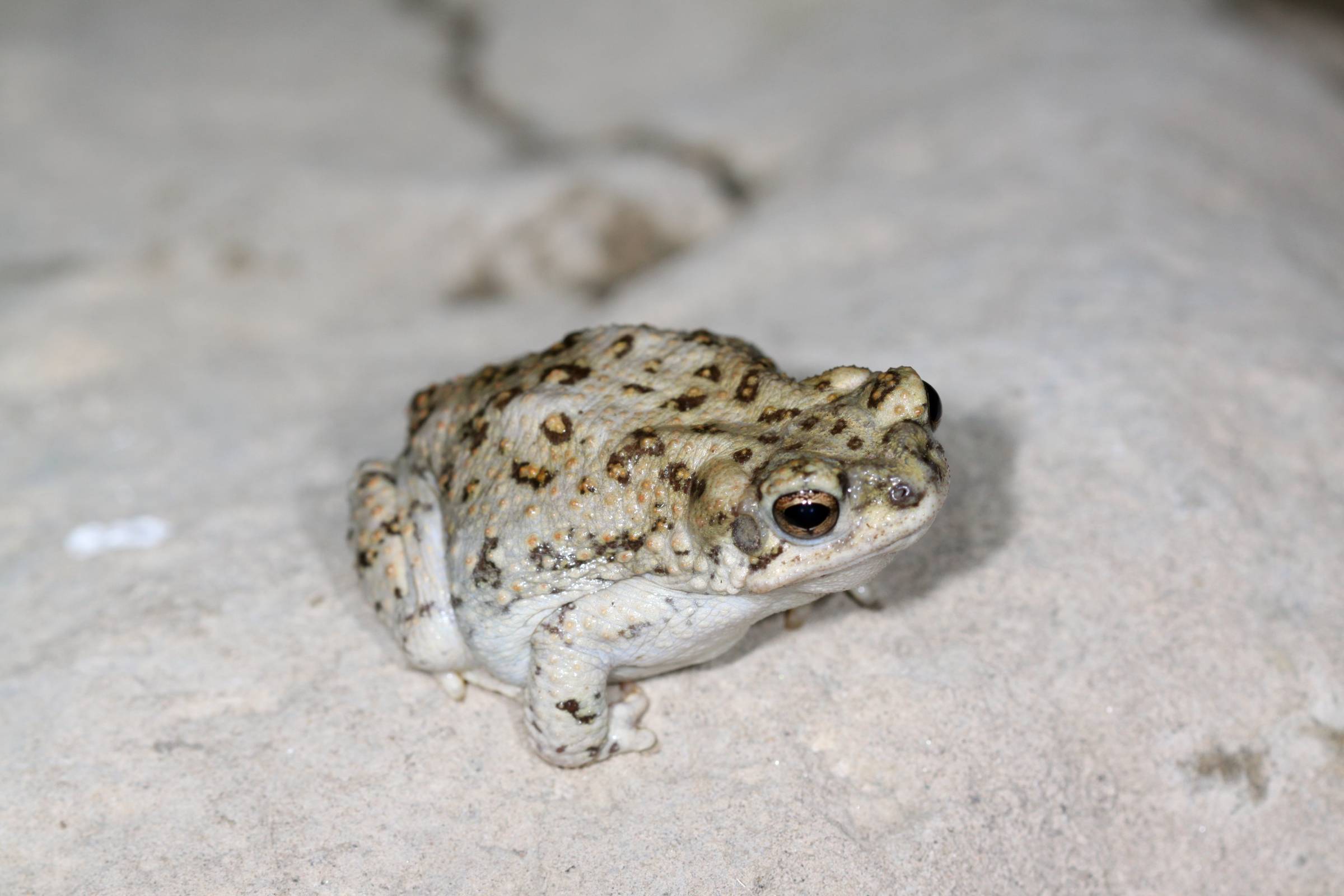
Papers & Reports Genetic Connectivity in the Arizona toad (Anaxyrus microscaphus): implications for conservation of a stream dwelling amphibian in the arid Southwestern U.S.
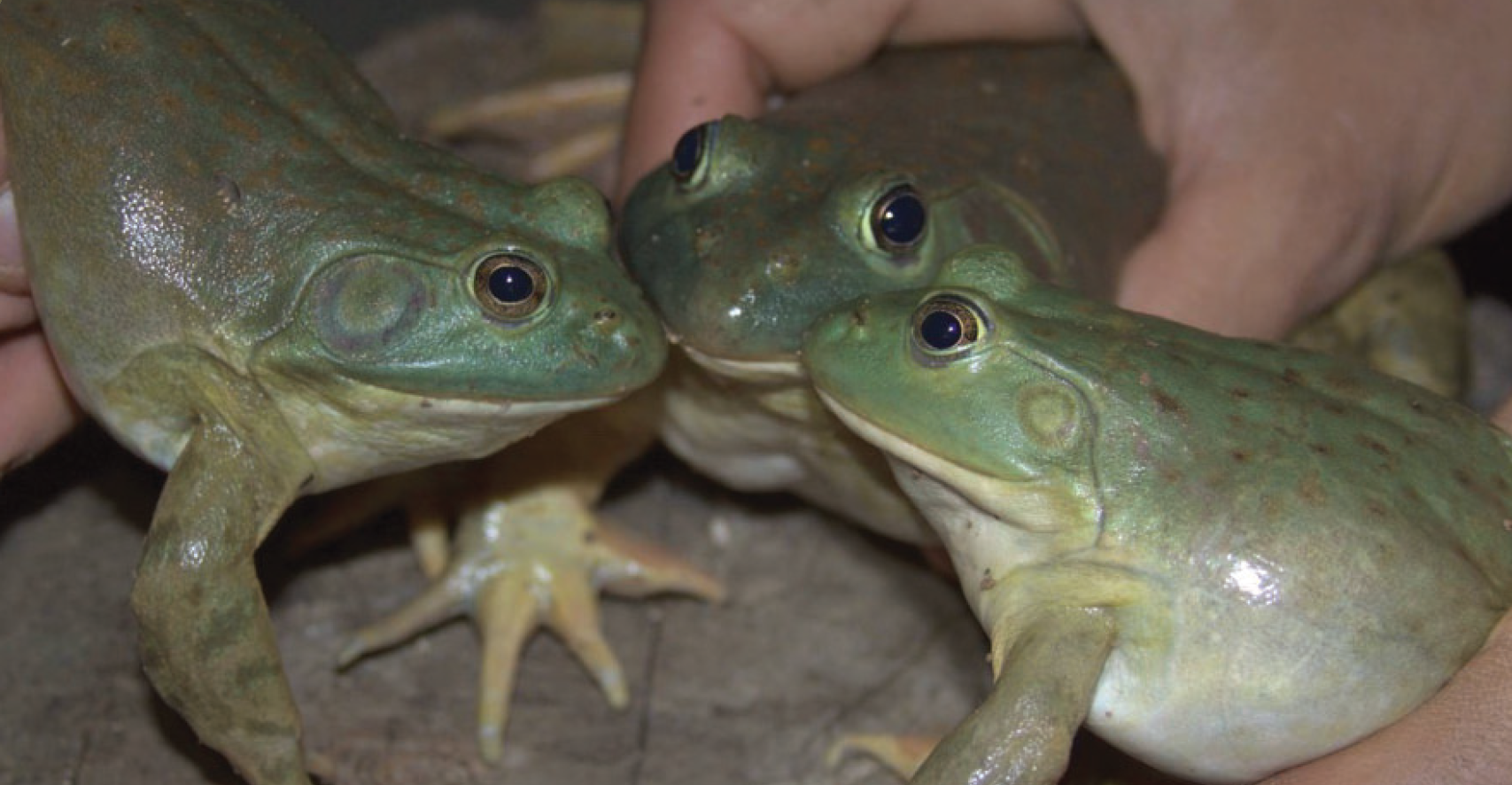
News & Stories Successful eradication of invasive American bullfrogs leads to co-extirpation of emerging pathogens
Recent ARMI-led research showed the removal of invasive American bullfrogs from livestock ponds and small lakes in southern Arizona also resulted in the apparent local extirpation of two pathogens associated with the bullfrogs. The American bullfrog is native eastern North America but has become widespread in the West, where it preys on many native species of conservation concern. Other recent ARMI-led research from the area suggested that American Bullfrogs could act as reservoirs for pathogens like amphibian chytrid fungus (Batrachochytrium dendrobatidis; Bd) and ranaviruses, which are often lethal to native amphibians, but less so to American Bullfrogs.
In the early 2000s, American bullfrogs were eradicated from ponds in the Buenos Aires National Wildlife Refuge near the Arizona-Mexico border to assist with the reintroduction efforts for the federally threatened Chiricahua Leopard Frog. In 2015, the bullfrog reinvaded the refuge and was once again removed. This reinvasion from outside the refuge motivated funding for a multi-year, landscape-scale eradication program. In the fall-winter of 2016 and the winter of 2020-2021, the research team tested the water at bullfrog eradication and control (no eradication efforts occurred) sites for the DNA (environmental DNA or eDNA) of invasive bullfrogs, federally threatened Chiricahua Leopard Frogs, and Bd and ranaviruses.
Results from the eDNA sampling showed American Bullfrogs were eradicated successfully from most sites, and where bullfrogs were eradicated, the pathogens were also no longer detected. Chiricahua Leopard Frogs did not increase in occurrence after eradicating bullfrogs, possibly due to an exceptional drought that could have limited the ability of native amphibians to colonize sites.
To our knowledge, this is one of the few studies to link eradication of an invasive species to co-eradication of emerging pathogens. Our spatially replicated experimental approach provides strong evidence that management of invasive species can simultaneously reduce predation and disease risk for imperiled species.
To view the full article click this link: https://doi.org/10.1111/conl.12970
Papers & Reports Successful eradication of invasive American bullfrogs leads to co-extirpation of emerging pathogens
Papers & Reports Empirical evidence for effects of invasive American Bullfrogs on occurrence of native amphibians and emerging pathogens
threats to biodiversity. American Bullfrogs (Rana [Lithobates] catesbeiana),
which have been introduced to many parts of the world, are often linked with
declines in native amphibians via predation and the spread of emerging pathogens
such as amphibian chytrid fungus (Batrachochytrium dendrobatidis [Bd])
and ranaviruses. Although many studies have investigated the potential role of
bullfrogs in the decline of native amphibians, analyses that account for shared
habitat affinities and imperfect detection have found limited support for
clear effects. Similarly, the role of bullfrogs in shaping the patch-level distribution
of pathogens is unclear. We used eDNA methods to sample 233 sites in the southwestern USA and Sonora, Mexico (2016–2018) to estimate how
the presence of bullfrogs affects the occurrence of four native amphibians,
Bd, and ranaviruses. Based on two-species, dominant-subordinate occupancy
models fitted in a Bayesian context, federally threatened Chiricahua Leopard
Frogs (Rana chiricahuensis) and Western Tiger Salamanders (Ambystoma
mavortium) were eight times (32% vs. 4%) and two times (36% vs. 18%), respectively,
less likely to occur at sites where bullfrogs occurred. Evidence for the
negative effects of bullfrogs on Lowland Leopard Frogs (Rana yavapaiensis)
and Northern Leopard Frogs (Rana pipiens) was less clear, possibly because of
smaller numbers of sites where these native species still occurred and because
bullfrogs often occur at lower densities in streams, the primary habitat for
Lowland Leopard Frogs. At the community level, Bd was most likely to occur
where bullfrogs co-occurred with native amphibians, which could increase the
risk to native species. Ranaviruses were estimated to occur at 33% of bullfrogonly
sites, 10% of sites where bullfrogs and native amphibians co-occurred,
and only 3% of sites where only native amphibians occurred. Of the 85 sites
where we did not detect any of the five target amphibian species, we also did
not detect Bd or ranaviruses; this suggests other hosts do not drive the distribution
of these pathogens in our study area. Our results provide landscape-scale
evidence that bullfrogs reduce the occurrence of native amphibians and
increase the occurrence of pathogens, information that can clarify risks and
aid the prioritization of conservation actions.
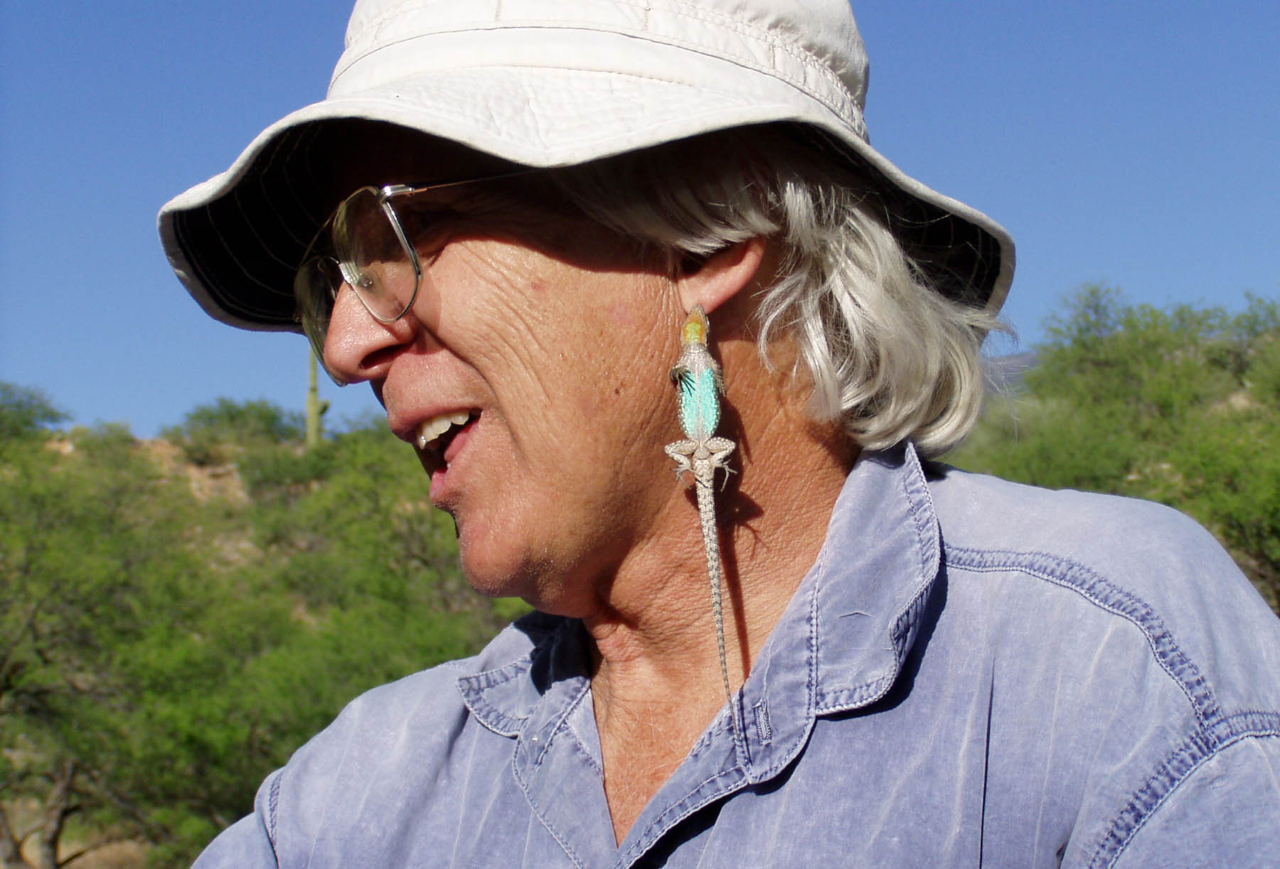
News & Stories Dr. Cecil Schwalbe
Dr. Cecil Schwalbe passed away on 3 April 2022 from complications after a heart attack and pneumonia. Cecil was one of the early Principal Investigators for ARMI. His lab provided long term data from the desert southwest on summer breeding amphibians, bullfrog eradication, disease, and leopard frog conservation. Cecil’s work at Buenos Aires National Wildlife Refuge laid a foundation for additional ARMI efforts in expanding model development on occupancy, spatially explicit metapopulation theory, Chiricahua leopard frog survival, and habitat connectivity. ARMI post doc Richard Chandler and graduate students Chris Jarchow and Paige Howell led this work, but Cecil was supportive and interested in the research and how it contributed to conservation efforts (e.g., Chandler et al. 2015, Jarchow et al. 2016, Howell et al. 2016, 2018, 2019).
Cecil also contributed to collaborative ARMI efforts (e.g., Muths et al. 2005) and was always present at ARMI meetings to keep things field-oriented and to maintain an appropriate sense of humor. He retired from ARMI and the USGS in 2013, but remained active in the herpetological community. Cecil was an old-school herpetologist and while he would rather be investigating frog populations in the field or showing Gila monsters to school kids, he would thoughtfully listen to the reasoning behind monitoring protocols and models and provide input on field implementation for ARMI projects.
In addition to his PhD in zoology and physiology from the University of Arizona and a master’s degree from Washington State, Cecil held a bachelor’s degree in mechanical engineering from Rice University and was Arizona’s first State Herpetologist. His enthusiasm and dedication to conservation influenced many young scientists including some of us in ARMI. In recognition of his mentoring and influence, Cecil received the Jarchow Conservation Award in 1997 and the Charlie W. Painter Memorial Award in 2021 from SW Partners in Amphibian and Reptile Conservation.
Cecil is survived by his wife Carol, sons Adam and Ethan, two granddaughters, and his sister. The family requests that in lieu of flowers, donations be made in memory of Cecil, to the Cold-Blooded Research Fund in the School of Natural Resources and the Environment at the University of Arizona: https://give.uafoundation.org/cecilschwalbe. In keeping with Cecil’s profession and passion, the annual payout from this endowed fund will support research awards for undergraduate students, graduate students and faculty members who are studying amphibians, reptiles, or fish.
Cecil’s laugh and his off-color sense of humor will be missed by all of us and the herpetofauna that he cared about.
Papers & Reports Staggered-entry analysis of breeding and occupancy dynamics of Arizona Toads from historically occupied habitats of New Mexico, USA
Papers & Reports Accommodating the role of site memory in dynamic species distribution models using detection/non-detection data
Data Release Data realease for manuscript: A statistical forecasting approach to metapopulation viability analysis
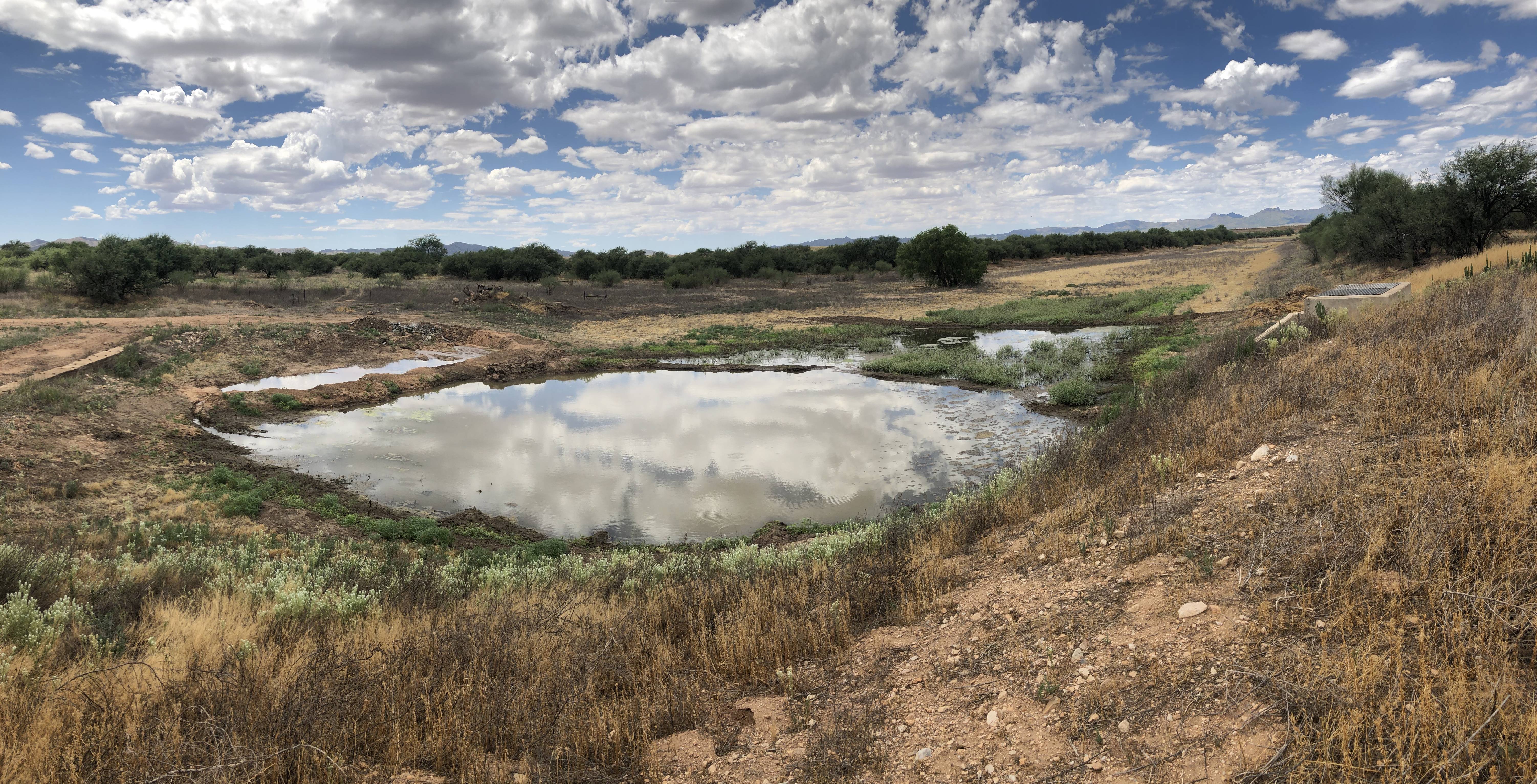
News & Stories Information from ARMI surveys guides management action in the Desert Southwest
The Buenos Aires National Wildlife Refuge (BANWR) has developed a new pond designed to replicate ciénega conditions that will provide habitat for the federally threatened Chiricahua leopard frog. Reintroduced to the Refuge after extirpation in the early 2000s, the Chiricahua leopard frog has colonized areas beyond the initial reintroduction sites, now inhabiting several human-made stock tanks on the Refuge. The species’ persistence on the Refuge depends on the ongoing eradication of invasive bullfrogs and the availability of water. In desert habitats such as BANWR, the ciénega (a Spanish word for wetland) is a marsh-like habitat that is critical for numerous desert-dwelling creatures. Ciénegas on BANWR are characterized by a spring or seep that saturates the soil and allows water to pool in small areas (Hendrickson and Minckley, 1985). Ciénega vegetation includes rushes, watercress, and smartweed; they are often bordered by cottonwood and willow trees which the Refuge will plant at the new ciénega once the water has settled into the excavated depression. The new ciénega on BANWR is plumbed, meaning that water levels can be modified and maintained in response to environmental conditions that range from multi-year droughts to heavy monsoon conditions (Bezy et. al. 2007).
ARMI has collected data at BANWR since 2000, gathering information about native species (e.g., Chandler et al. 2015, Jarchow et al. 2016, , Howell et al. 2018, 2020a), invasive species such as American bullfrogs and sunfish (Suhr 2010, Howell et al. 2020b), and disease (Sigafus et al. 2014). Models assessing occupancy and movement of the Chiricahua leopard frog indicate that water availability and permanency are critical components to the its persistence at BANWR. The Refuge has used this information to make decisions about management actions such as building plumbed ponds — a non-trivial action in terms of cost and logistics. The new ciénega will not only support the Chiricahua leopard frog but will provide water for many other species that call BANWR home including the federally endangered masked bobwhite quail, great blue herons, yellow-billed cuckoos, and pronghorn.
Bezy, J., C. F. Hutchinson, and C. J. Bahre. 2007. Buenos Aires National Wildlife Refuge, 373 Arizona. Desert Plants 23:3–44.
Chandler, R., E. Muths, B. H. Sigafus, C.R. Schwalbe, C. Jarchow, and B.R. Hossack. 2015. Realizing the potential of spatially explicit metapopulation theory for predicting extinction risk. Journal of Applied Ecology. DOI: 10.1111/1365-2664.12481.
Howell, P., E. Muths, B.R. Hossack, B.H. Sigafus, and R.B. Chandler. 2018. Increasing connectivity between metapopulation ecology and landscape ecology. Ecology 99: 1119-1128.
Howell, P.E., B.R. Hossack, E. Muths, B. Sigafus, A. Chenevert- Steffler, and R. Chandler. 2020a. A statistical forecasting approach to metapopulation viability analysis. Ecological Applications 30(2), e02038
Howell, P.E. E. Muths, B.H. Sigafus, and B.R. Hossack. 2020b. Survival estimates for the invasive American bullfrog. Amphibia-Reptilia.
Hendrickson, D. A. and W. L. Minckley. 1985. Ciénegas vanishing climax communities of the American southwest. Desert Plants 6 (3): 131-175.
Sigafus, B. H., C.R. Schwalbe, B.R. Hossack, and E. Muths. 2014. Prevalence of the amphibian chytrid fungus at Buenos Aires National Wildlife Refuge, Arizona. Herpetological Review 45: 41-42.
Suhre, D. O. 2010. Dispersal and demography of the American Bullfrog (Rana catesbeiana) in a 455 semi-arid grassland. M.S. Thesis, University of Arizona, USA.
Data Release Surface water data for isolated stock ponds in southern Arizona, USA and northern Sonora, Mexico: U.S. Geological Survey data release
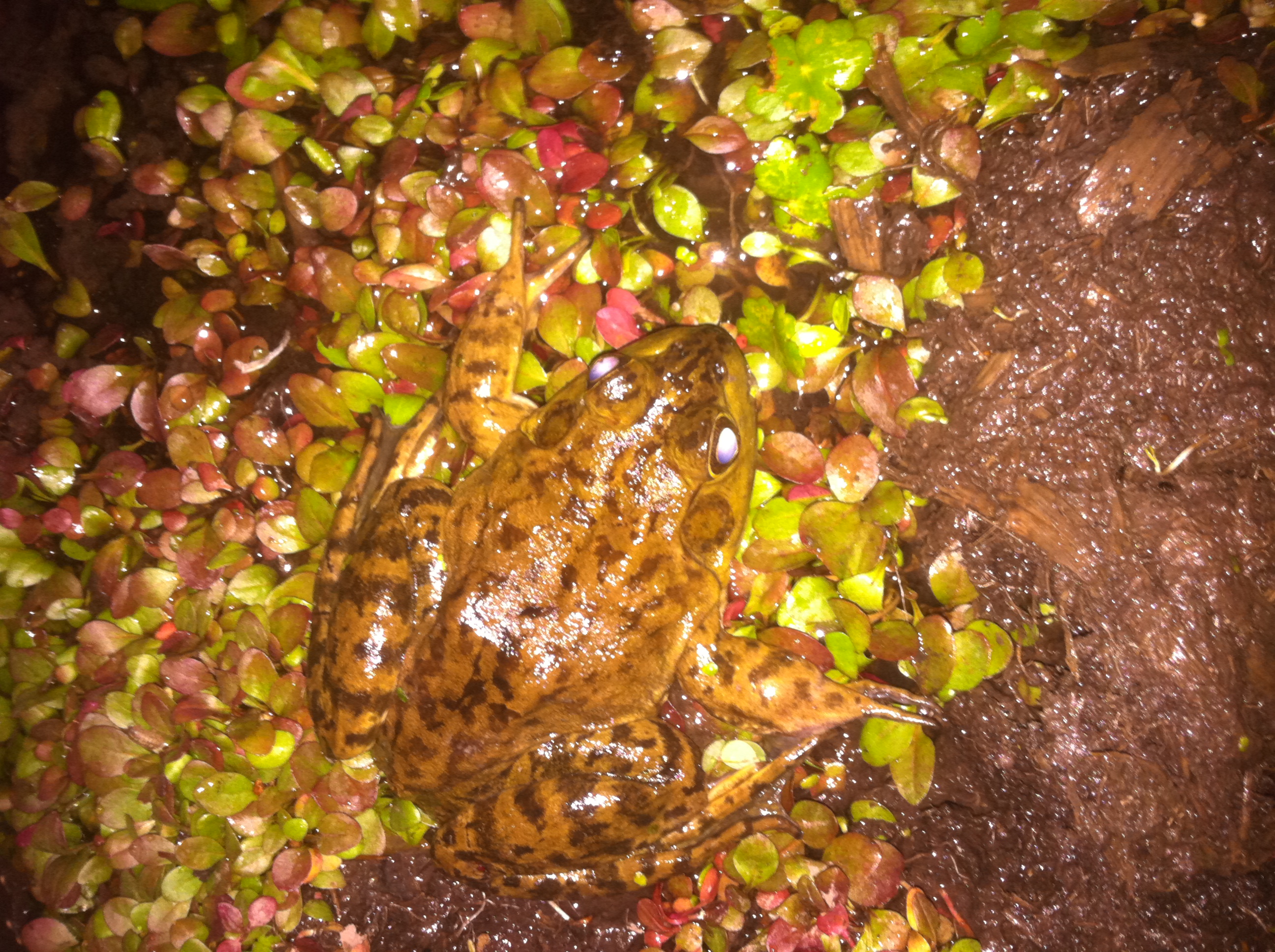
Papers & Reports Survival estimates for the invasive American Bullfrog
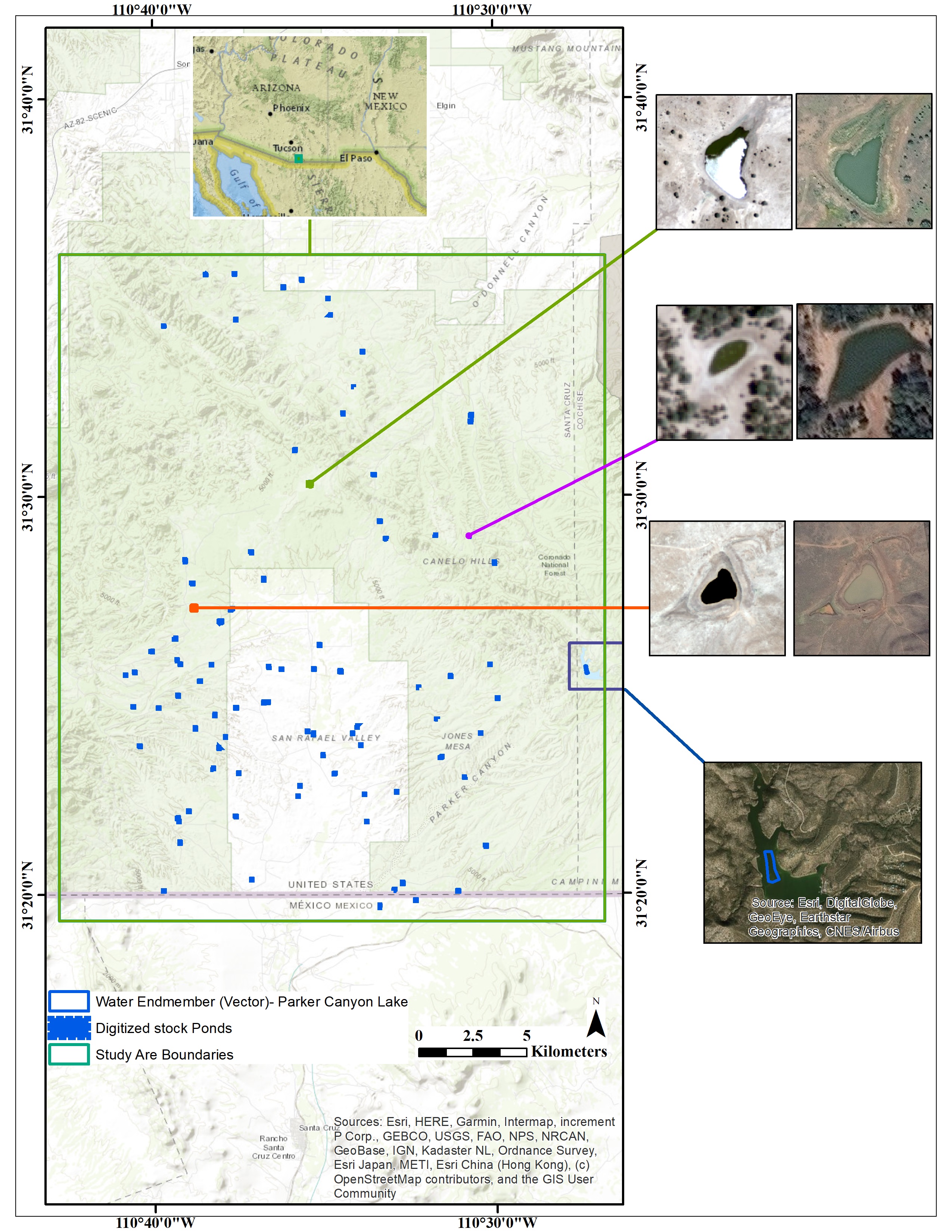
Papers & Reports Estimating inundation of small waterbodies with sub-pixel analysis of Landsat imagery: long-term trends in surface water area and evaluation of common drought indices
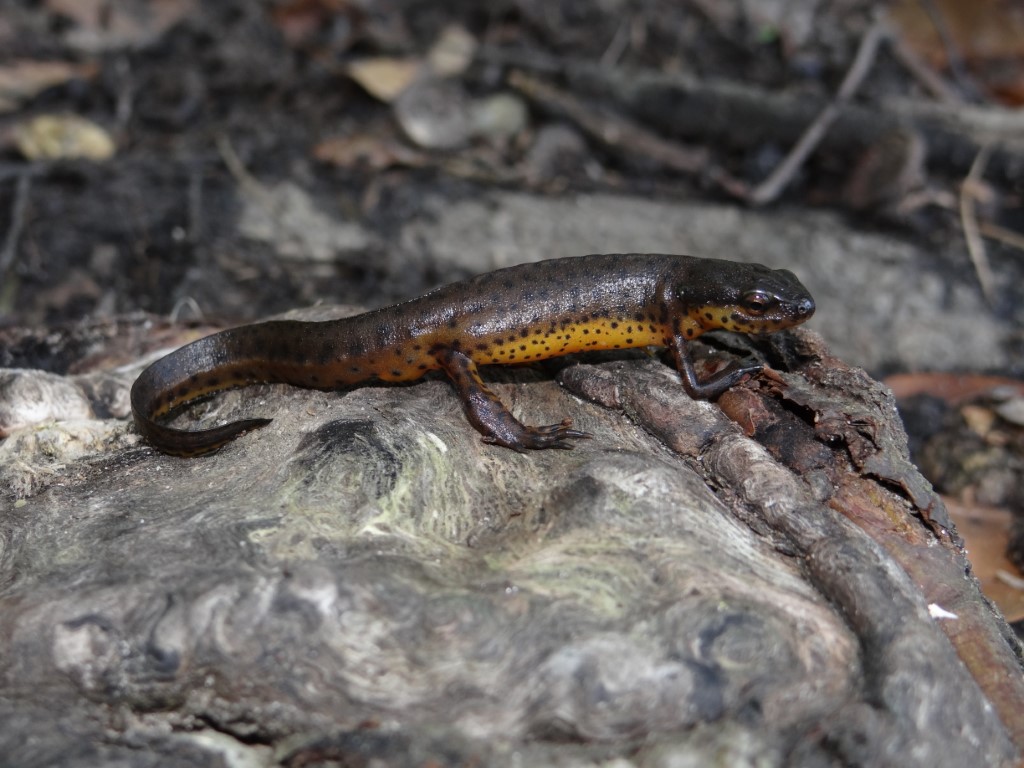
Papers & Reports Batrachochytrium salamandrivorans (Bsal) not detected in an intensive survey of wild North American amphibians
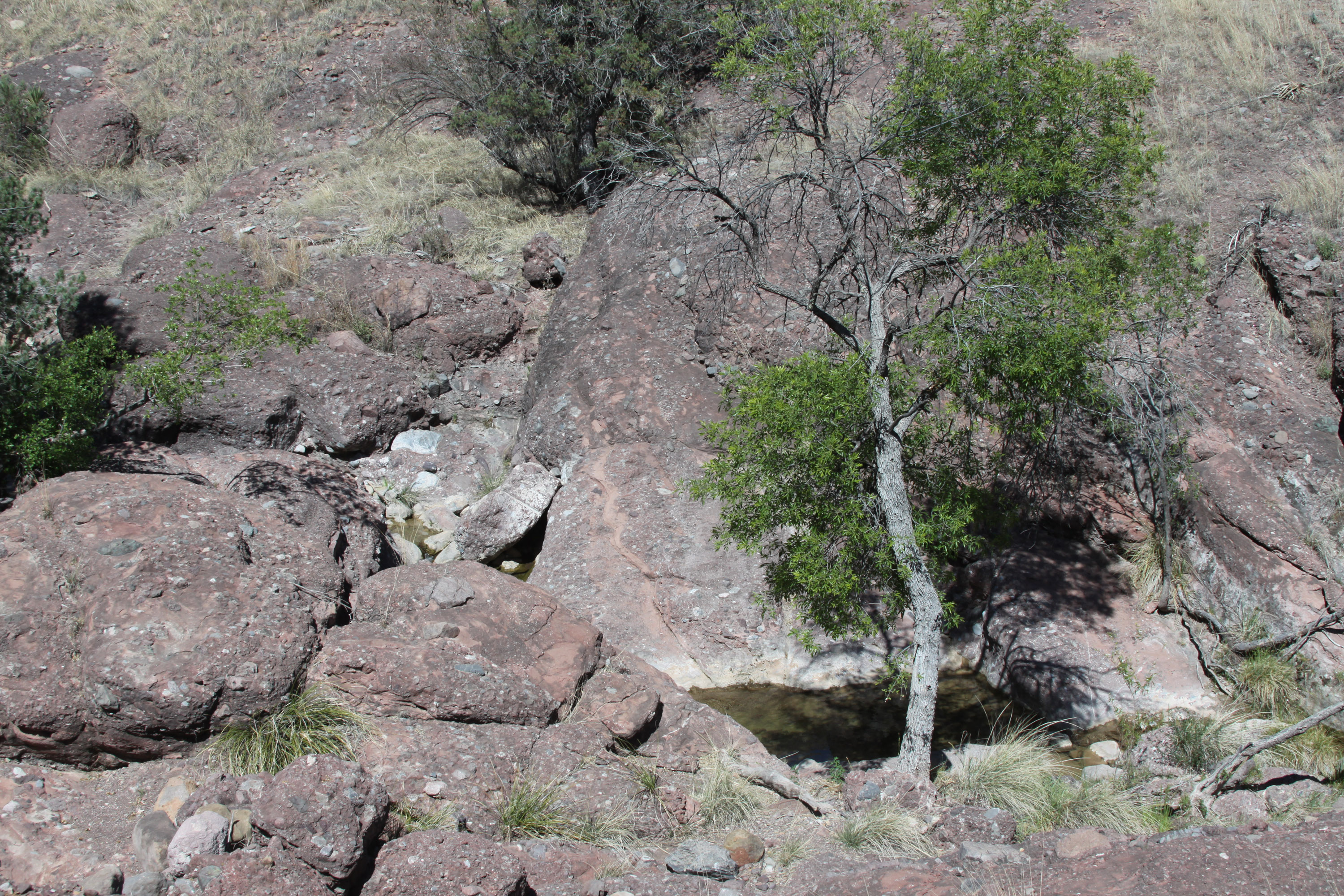
Papers & Reports Estimating metapopulation abundance to inform conservation of a threatened amphibian
Papers & Reports Distribution of tiger salamanders in northern Sonora, Mexico: comparison of sampling methods and possible implications for an endangered subspecies
distributions and threats often hinders management. To provide information on the distribution of the Western Tiger
Salamander (Ambystoma mavortium), including the USA-federally endangered Sonoran Tiger Salamander (Ambystoma
mavortium stebbinsi), we used traditional (seines, dip-nets) and modern (environmental DNA [eDNA]) methods to sample
91 waterbodies in northern Sonora, Mexico, during 2015-2018. The endemic Sonoran Tiger Salamander is threatened by
introgressive hybridization and potential replacement by another sub-species of theWestern Tiger Salamander, the non-native
Barred Tiger Salamander (A. m. mavortium). Based on occupancy models that accounted for imperfect detection, eDNA
sampling provided a similar detection probability (https://0.82 [95% CI: 0.56-0.94]) as seining (https://0.83 [0.46-0.96]) and much higher
detection than dip-netting (https://0.09 [0.02-0.23]). Volume of water filtered had little effect on detection, possibly because turbid
sites had greater densities of salamanders. Salamanders were estimated to occur at 51 sites in 3 river drainages in Sonora.
These results indicate tiger salamanders are much more widespread in northern Sonora than previously documented, perhaps
aided by changes in land and water management practices. However, because the two subspecies of salamanders cannot be
reliably distinguished based on morphology or eDNA methods that are based on mitochondrial DNA, we are uncertain if we
detected only native genotypes or if we documented recent invasion of the area by the non-native sub-species. Thus, there is
an urgent need for methods to reliably distinguish the subspecies so managers can identify appropriate interventions.
Papers & Reports Hanging by a Thread: Recovery of Reintroduced Chiricahua Leopard Frogs after Bullfrog Eradication in an Intensively Managed Landscape
Papers & Reports Using Full and Partial Unmixing Algorithms to Estimate the Inundation Extent of Small, Isolated Stock Ponds in an Arid Landscape
Papers & Reports A statistical forecasting approach to metapopulation viability analysis
Papers & Reports CO-OCCURENCE OF CHIRICAHUA LEOPARD FROGS (LITHOBATES CHIRICAHUENSIS) WITH SUNFISH (LEPOMIS SPP.)
