
Search ARMI Database

Search term(s)

Filter search results with:


To view all contents, leave all fields blank and click "Search" button.

Contribution Number


Search Results

106 record(s) found.
Papers & Reports Occurrence of Batrachochytrium dendrobatidis in anurans of the Mediterranean region of Baja California, México
Authors: A Peralta-Garcia; Andrea J Adams; P Galina-Tessaro; Cheryl J Briggs; J Valdez-Villavicencio; B Hollingsworth; H B Shaffer; Robert N Fisher
Date: 2018-03-08 | Outlet: Diseases of Aquatic Organisms
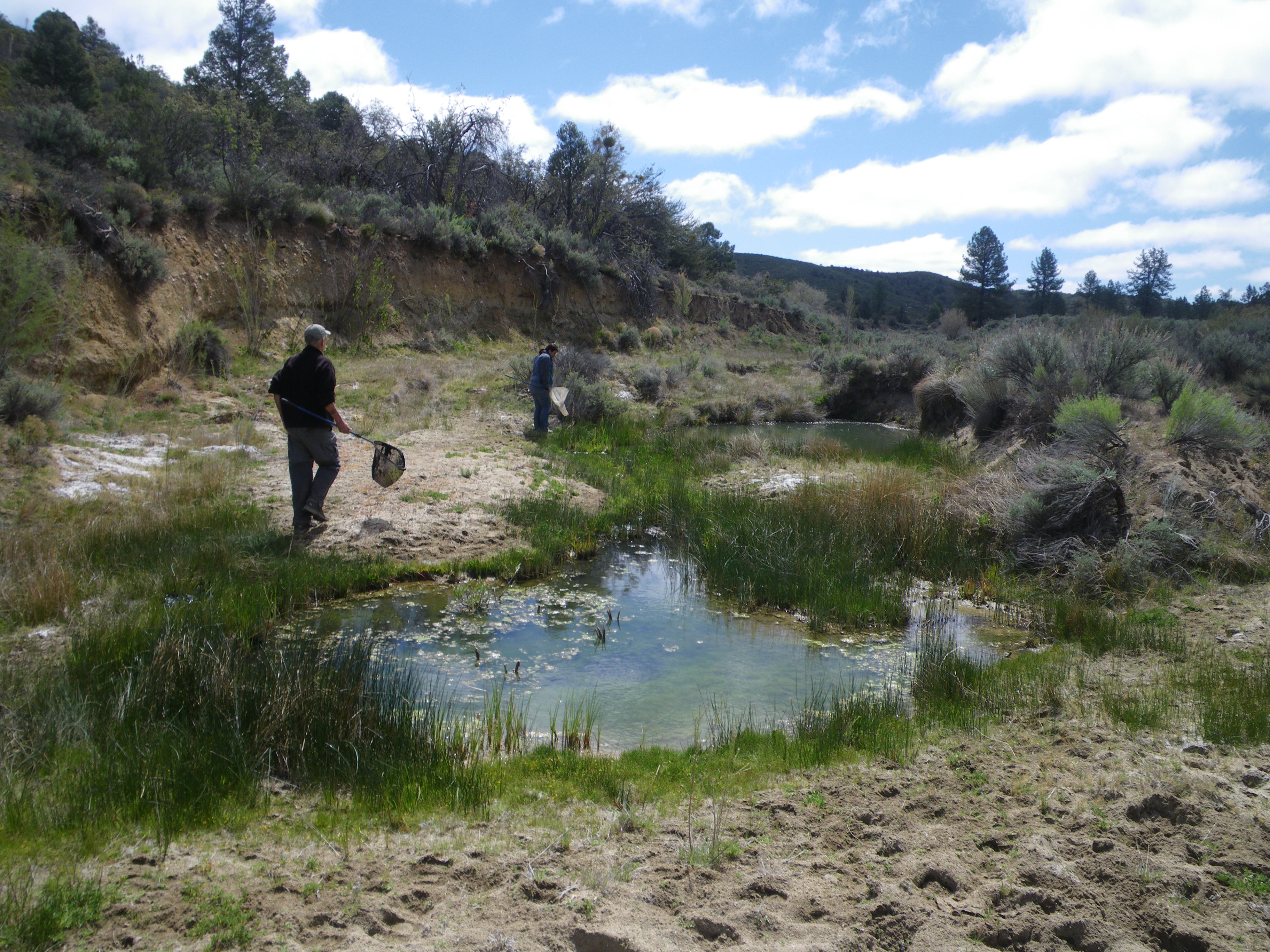
Chytridiomycosis is caused by the fungal pathogen Batrachochytrium dendrobatidis (Bd) and is regarded as one of the most significant threats to global amphibian populations. In M?xico, Bd was first reported in 2003 and has now been documented in 13 states. We visited 33 localities and swabbed 199 wild-caught anurans from seven species (five native, two exotic) across the Mediterranean region of the state of Baja California. Using quantitative PCR, Bd was detected in 94 individuals (47.2% of samples) at 25 of the 33 survey localities for five native and one exotic frog species. Only the non-native Xenopus laevis tested negative for Bd. We found significant differences between mean Bd loads of different species, and that remoteness and distance to agricultural land were the best positive predictors of Bd prevalence. These are the first Bd-positive results for the state of Baja California and its presence should be regarded as an additional conservation threat to the region?s native frog species.
Papers & Reports Candoia bibroni (Pacific Boa) Diet
Authors: A Clause; M Fraser; S Pene; N Thomas-Moko; Robert N Fisher
Date: 2017 | Outlet: Herpetological Review 48:667-668
Here, we report the first instances of Pacific boas (Candoia bibroni) eating amphibians in the wild. Specifically, we documented Cornufer vitianus (Fiji Ground Frog) and C. vitiensis (Fiji Tree Frog), both formerly in the genus Platymantis (for taxonomic discussion see Brown et al. 2015. Zool. J. Linn. Soc-Lond. 174:130?168), as prey for the first time.
Papers & Reports An extirpated lineage of a threatened frog species resurfaces in southern California
Authors: Adam R Backlin; Jonathan Q Richmond; Elizabeth A Gallegos; Robert N Fisher; C Christensen
Date: 2017-07-21 | Outlet: Oryx doi 10.1017/S0030605317001168
The California red-legged frog Rana draytonii has been declining across its native range since the 1960s and was considered extirpated from most of southern California. In February 2017, a population of R. draytonii was re-discovered in the San Bernardino Mountains of Riverside County, California, where it has not been documented since 1959 (LACM 91074). This population belongs to a mtDNA lineage thought to be extinct from this species within the United States but still extant in Mexican populations. This discovery increases the potential for future, evolutionarily-informed translocations within the southern portion of this species range in California.
Papers & Reports A Discrete Stage-Structured Model of California Newt Population Dynamics During a Period of Drought
Authors: M T Jones; W R Millligan; Lee B Kats; Thomas L Vandergon; R L Honeycutt; Robert N Fisher; Courtney L Davis; T A Lucas
Date: 2017 | Outlet: Journal of Theoretical Biology 414:245-253
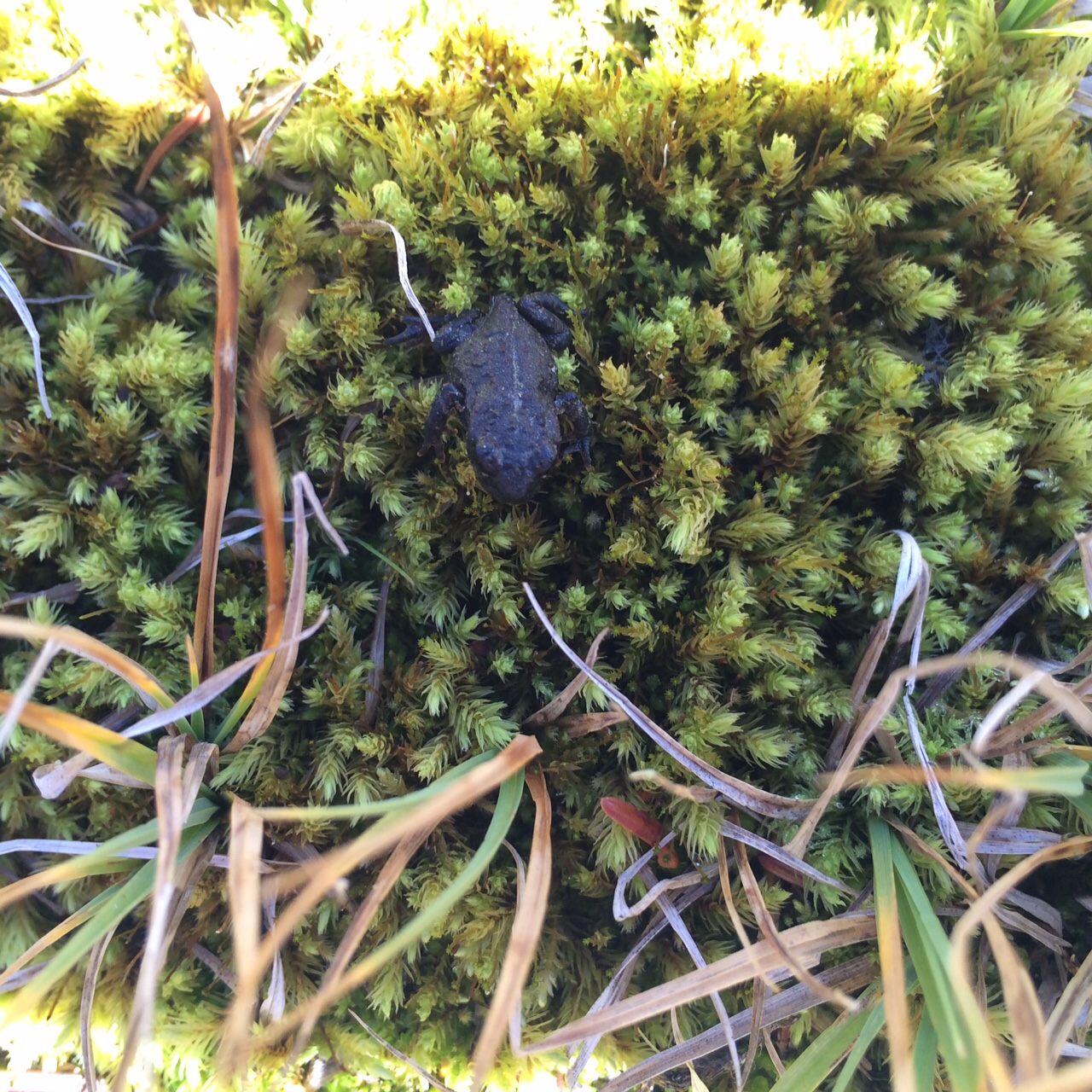
We introduce a mathematical model for studying the population dynamics under drought of the California newt (Taricha torosa), a species of special concern in the state of California. Since 2012, California has experienced a record-setting drought, and multiple studies predict drought conditions currently underway will persist and even increase in severity. Recent declines and local extinctions of California newt populations in Santa Monica Mountain streams motivate our study of the impact of drought on newt population sizes. Although newts are terrestrial salamanders, they migrate to streams each spring to breed and lay eggs. Since egg and larval stages occur in water, a precipitation deficit due to drought conditions reduces the space for newt egg-laying and the necessary habitat for larval development. To mathematically forecast newt population dynamics, we develop a nonlinear system of discrete equations that includes demographic parameters such as survival rates for newt life stages and egg production, which depend on habitat availability and rainfall. We estimate these demographic parameters using 15 years of stream survey data collected from Cold Creek in Los Angeles County, California, and our model captures the observed decline of the parameterized Cold Creek newt population. Based upon data analysis, we predict how the number of available newt egg-laying sites varies with annual precipitation. Our model allows us to make predictions about how the length and severity of drought can affect the likelihood of persistence and the time to critical endangerment of a local newt population. We predict that sustained severe drought will critically endanger the newt population but that the newt population can rebound if a drought is sufficiently short.
Papers & Reports Amphibian conservation: clarifications to comments from Andreone
Authors: Erin Muths; Robert N Fisher
Date: 2017
We appreciate the review and comments from Andreone (2016) regarding our proposed alternative strategy for addressing the amphibian crisis. Andreone recognizes the utility of an incident command system approach but doubts the feasibility of implementation at an international level. We stated in our original article, however, that ‘The feasibility of our suggestion is debatable, but our point is that radically different approaches are necessary to effectively manage the largest extinction event in modern history’
Papers & Reports RARE ALLUVIAL SANDS OF EL MONTE VALLEY, CALIFORNIA (SAN DIEGO COUNTY) SUPPORT HIGH HERPETOFAUNAL SPECIES RICHNESS AND DIVERSITY, DESPITE SEVERE HABITAT DISTURBANCE
Authors: Jonathan Q Richmond; Carlton J Rochester; N W Smith; J A Nordland; Robert N Fisher
Date: 2016 | Outlet: Southwest Naturalist 61:294-306
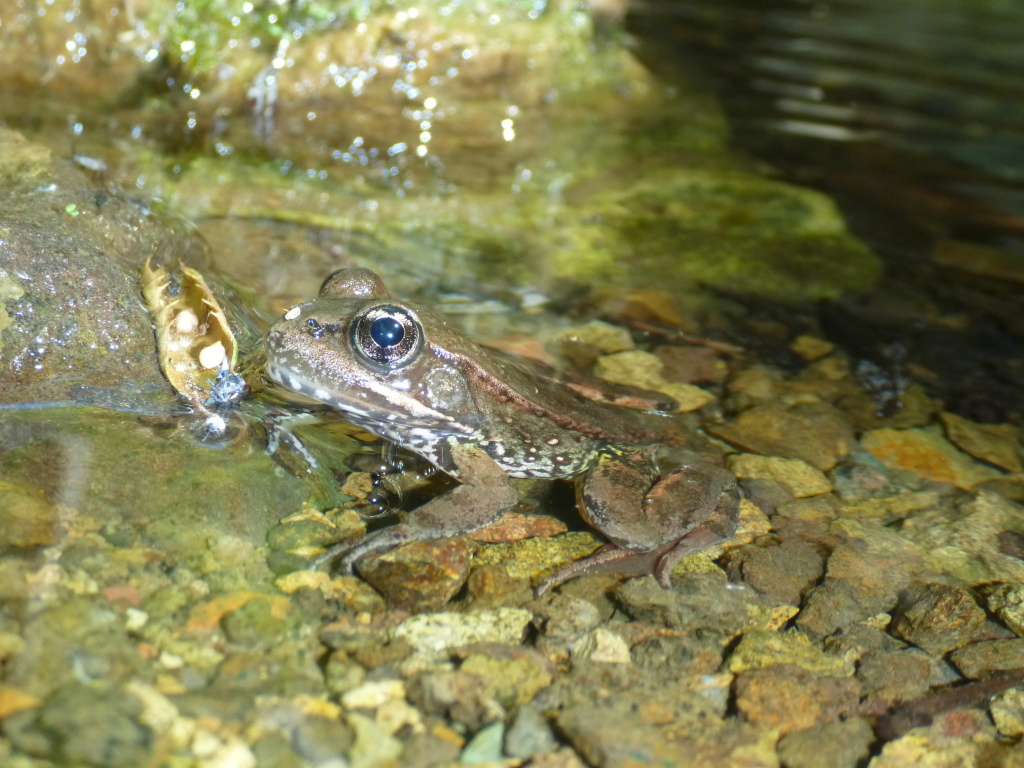
We characterized the species richness, diversity and distribution of amphibians and reptiles inhabiting El Monte Valley, a heavily disturbed, alluvium-filled basin within the lower San Diego River in Lakeside, California. This rare habitat type in coastal southern California is designated as a critical sand resource by the State of California (California Geological Survey) and is currently under consideration for a large-scale sand mining operation with subsequent habitat restoration. We conducted field surveys in the valley from June 2015-May 2016 and placed emphasis on detecting the coastal form of the California glossy snake (Arizona elegans occidentalis) given its status as a species of special concern by the California Department of Fish and Wildlife, its preference for sandy/gravelly habitats, and its documented historical presence in the valley. Survey techniques included drift fence lines with funnel traps, cover board arrays, walking transects, and road driving. We recorded 1,208 total captures in five sampling sections extending across the valley floor, revealing high species richness and diversity but with marked unevenness in species’ abundances. Two species are covered in the San Diego Multiple Species Conservation Program and 10 are listed as species of special concern in California. Snakes were the most species rich taxonomic group (13 species representing 11 genera), followed by lizards (11 species representing nine genera). Next to the southern Pacific rattlesnake (Crotalus oreganus helleri), A. e. occidentalis was the second most frequently detected snake species (n = 23 captures). Amphibian species richness was limited to two species of toad and one frog. Despite the relatively limited 12-month sampling period, a longstanding drought, and severe habitat disturbance, our study demonstrates that El Monte Valley harbors a rich herpetofauna that includes a number of sensitive species, including the largest known concentration of A. e. occidentalis in coastal San Diego County.
News & Stories Amphibians in the news
Authors: Robert N Fisher
May 24, 2016

This week, our very own eccentric biologist, Robert Fisher, gave an interview on KPCC about amphibian declines in Southern California.

The follow up article was posted online. You can view it here: http://www.scpr.org/news/2016/05/23/60926/california-s-amphibians-threatened-by-climate-chan/

Elsewhere, Evan Grant communicated with VOA News, Field and Stream magazine, and UPI.com in hope of reaching out to the public on the current state of Amphibians.

Their stories can be viewed here: http://www.voanews.com/content/mht-unabated-amphibian-decline-found-to-have-myriad-causes/3342617.html

Here: http://www.fieldandstream.com/blogs/field-notes/new-research-confirms-large-scale-amphibian-die-off

And here: http://www.upi.com/Science_News/2016/05/23/Amphibians-in-continued-global-decline/8341464025350/

Update: One more article to add to the flurry of recent amphibian updates: http://www.natureworldnews.com/articles/22906/20160525/are-amphibians-about-to-go-extinct-the-amphibian-crisis-is-worse-than-you-think.htm

Papers & Reports Quantitative evidence for the effects of multiple drivers on continental-scale amphibian declines
Authors: Evan HC Grant; David AW Miller; Benedikt R Schmidt; Michael J Adams; Staci M Amburgey; Thierry C Chambert; Sam S Cruickshank; Robert N Fisher; David E Green; Blake R Hossack; P TJ Johnson; M B Joseph; Tracy A. Rittenhouse; Maureen E Ryan; Hardin J Waddle; Susan C Walls; Larissa L Bailey; Gary M Fellers; Thomas A Gorman; Andrew M Ray; David S Pilliod; S J Price; D Saenz; Erin Muths
Date: 2016-05-23 | Outlet: Scientific Reports xx:xxx-xxx
Since amphibian declines were first proposed as a global phenomenon over a quarter century ago, the conservation community has made little progress in halting or reversing these trends. The early search for a "smoking gun" was replaced with the expectation that declines are caused by multiple drivers. While field observations and experiments have identified factors leading to increased local extinction risk, evidence for effects of these drivers is lacking at large spatial scales. Here, we use observations of 389 time-series of 83 species and complexes from 61 study areas across North America to test the effects of 4 of the major hypothesized drivers of declines. While we find that local amphibian populations are being lost from metapopulations at an average rate of 3.79% per year, these declines are not related to any particular threat at the continental scale; likewise the effect of each stressor is variable at regional scales. This result - that exposure to threats varies spatially, and populations vary in their response - provides little generality in the development of conservation strategies. Greater emphasis on local solutions to this globally shared phenomenon is needed.
Papers & Reports Ecology and Control of an Introduced Population of Southern Watersnakes (Nerodia fasciata) in Southern California
Authors: R N Reed; Brian D Todd; Oliver J Miano; M Canfield; Robert N Fisher; L McMartin
Date: 2016 | Outlet: Herpetologica 72:130-136
Native to the southeastern United States, Southern Watersnakes (Nerodia fasciata) are known from two sites in California, but their ecological impacts are poorly understood. We investigated the ecology of Southern Watersnakes in Machado Lake, Harbor City, Los Angeles County, California, including an assessment of control opportunities. We captured 306 watersnakes as a result of aquatic trapping and hand captures. We captured snakes of all sizes (162–1063 mm snout–vent length [SVL], 3.5–873.3 g), demonstrating the existence of a well-established population. The smallest reproductive female was 490 mm SVL and females contained 12–46 postovulatory embryos (mean = 21). Small watersnakes largely consumed introduced Western Mosquitofish (Gambusia affinis), while larger snakes specialized on larval and metamorph American Bullfrogs (Lithobates catesbeianus) and Green Sunfish (Lepomis cyanellus). Overall capture per unit effort (CPUE) in traps declined with time during an intensive 76-d trapping bout, but CPUE trends varied considerably among traplines and it is unlikely that the overall decline in CPUE represented a major decrease in the snake population size. Although we found no direct evidence that Southern Watersnakes are affecting native species in Machado Lake, this population may serve as a source for intentional or unintentional transportation of watersnakes to bodies of water containing imperiled native prey species or potential competitors.
Papers & Reports Trace Elements in Stormflow, Ash, and Burned Soil Following the 2009 Station Fire in Southern California
Authors: Carmen A Burton; Todd M Hoefen; Geoffrey S Plumlee; Katherine L Baumberger; Adam R Backlin; Elizabeth A Gallegos; Robert N Fisher
Date: 2016-05-04 | Outlet: PLOS One
Most research on the effects of wildfires on water quality in streams has focused on suspended sediment and nutrients in streams and water bodies, and relatively little research has examined the effects of wildfires on trace elements. The purpose of this study was two-fold: 1) to determine the effect of the 2009 Station Fire in the Angeles National Forest northeast of Los Angeles, CA on trace element concentrations in streams, and 2) compare trace elements in post-fire stormflow water quality to criteria for aquatic life to determine if trace elements reached concentrations that can harm aquatic life. Pre-storm and stormflow water-quality samples were collected in streams located inside and outside of the burn area of the Station Fire. Ash and burned soil samples were collected from several locations within the perimeter of the Station Fire. Filtered concentrations of Fe, Mn, and Hg and total concentrations of most trace elements were elevated as a result of the Station Fire. In contrast, filtered concentrations of Cu, Pb, Ni, and Se and total concentrations of Cu were elevated primarily due to storms and not the Station Fire. Total concentrations of Se and Zn were elevated as a result of both storms and the Station Fire. Suspended sediment in stormflows following the Station Fire was an important transport mechanism for trace elements. Cu, Pb, and Zn primarily originate from ash in the sediment. Fe primarily originates from burned soil in the sediment. As, Mn, and Ni originate from both ash and burned soil. Filtered concentrations of trace elements in stormwater samples affected by the Station Fire did not reach levels that were greater than criteria established for aquatic life. Total concentrations for Fe, Pb, Ni, and Zn were detected at concentrations above criteria established for aquatic life.
Papers & Reports STATUS OF THE CALIFORNIA RED-LEGGED FROG (RANA DRAYTONII) IN THE STATE OF BAJA CALIFORNIA, MEXICO
Authors: A Peralta-Garcia; B Hollingsworth; Jonathan Q Richmond; J Valdez-Villavicencio; G Ruiz-Campos; Robert N Fisher; P Cruz-Hernandez; P Galina-Tessaro
Date: 2016 | Outlet: Herpetological Biology and Conservation
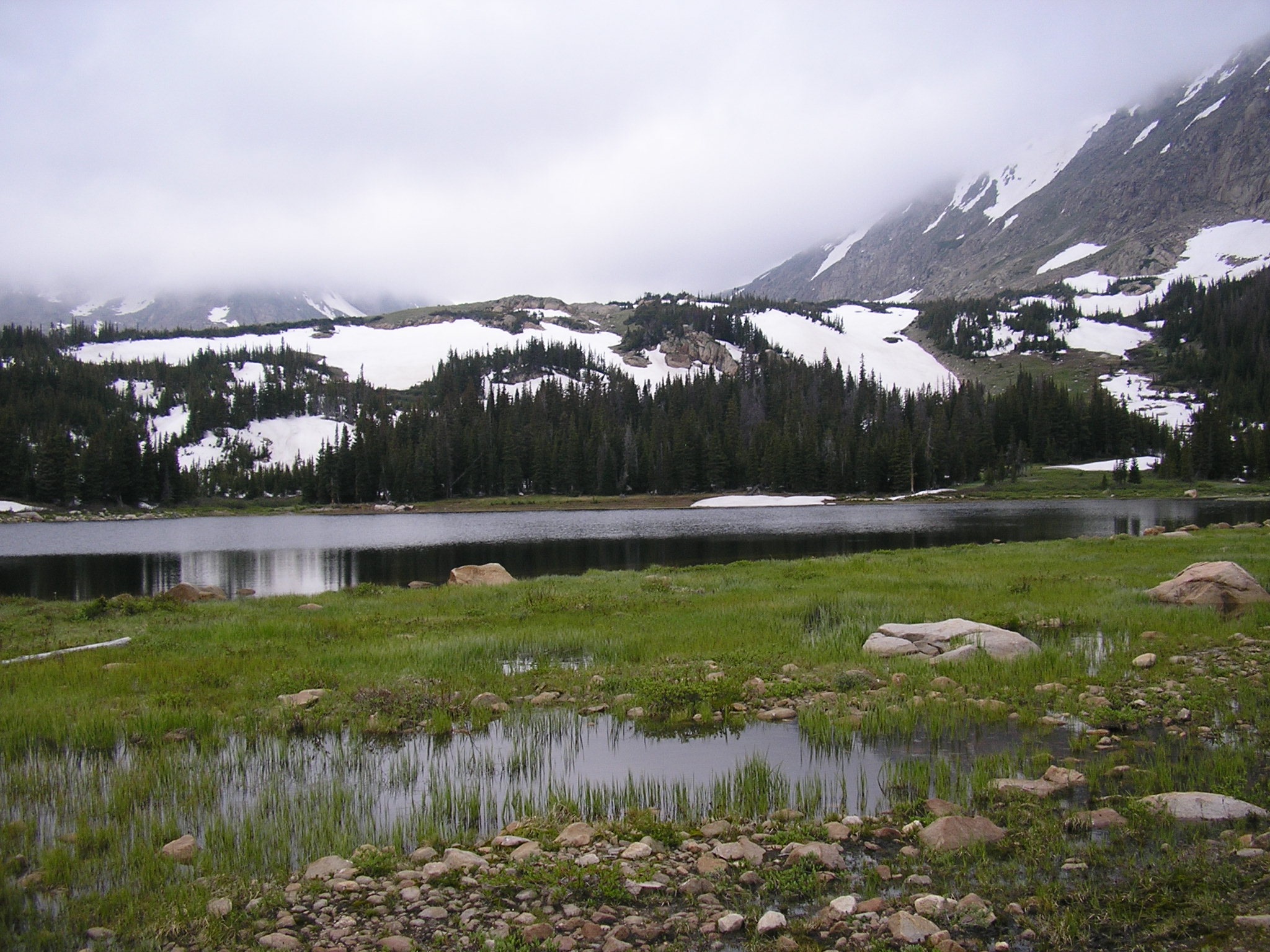
The California Red-legged Frog (Rana draytonii) is a threatened species in the United States that has undergone population declines, especially in southern California. Due to the lack of information on the status of Mexican populations, we surveyed for the presence of R. draytonii in Baja California and assessed possible threats to population persistence. The two-year study (2013−2014) extended from the U.S.-Mexican border to the southern end of the species distribution in the Sierra San Pedro Mártir. We found R. draytonii at six of 15 historical sites, none of five proxy sites and four of 24 additional sites sites. All 10 occupied sites are confined to three watersheds within the Sierra San Pedro Mártir (two sites at Arroyo San Rafael, two sites at Arroyo San Telmo, and six sites at Arroyo Santo Domingo). Capture rates ranged from 1–11 individuals per visit, with the exception of La Grulla, where the average was 68. Rana draytonii was absent from 9 historical sites, including the highest elevation site at La Encantada and numerous drainages in low-lying coastal areas, suggesting the species is in decline in Baja California. The main threats identified across the study area include presence of exotic animal species, water diversion, and cattle grazing. Management of the remaining populations and local education is needed to prevent further declines.
Papers & Reports An alternative framework for responding to the amphibian crisis
Authors: Erin Muths; Robert N Fisher
Date: 2017-04 | Outlet: Oryx
Volumes of data illustrate the severity of the crisis affecting amphibians, where >32% of amphibians worldwide are threatened with declining populations. Although there have been isolated victories, the current approach to the issue is unsuccessful. We suggest that a radically different approach, something akin to human emergency response management (i.e. the Incident Command System), is one alternative to addressing the inertia and lack of cohesion in responding to amphibian issues. We acknowledge existing efforts and the useful research that has been conducted, but we suggest that a change is warranted and that the identification of a new amphibian chytrid provides the impetus for such a change. Our goal is to recognize that without a centralized effort we (collectively) are likely to fail in responding to this challenge.
Papers & Reports Integrating Multiple Distribution Models to Guide Conservation Efforts of an Endangered Toad
Authors: M Treglia; Robert N Fisher; L Fitzgerald
Date: 2015-06-30 | Outlet: PloS ONE
Species distribution models are used for numerous purposes such as predicting changes in species’ ranges and identifying biodiversity hotspots. Although implications of distribution models for conservation are often implicit, few studies use these tools explicitly to inform conservation efforts. Herein, we illustrate how multiple distribution models developed using distinct sets of environmental variables can be integrated to aid in identification sites for use in conservation. We focus on the endangered arroyo toad (Anaxyrus californicus), which relies on open, sandy streams and surrounding floodplains in southern California, USA, and northern Baja California, Mexico. Declines of the species are largely attributed to habitat degradation associated with vegetation encroachment, invasive predators, and altered hydrologic regimes. We had three main goals: 1) develop a model of potential habitat for arroyo toads, based on long-term environmental variables and all available locality data; 2) develop a model of the species’ current habitat by incorporating recent remotely-sensed variables and only using recent locality data; and 3) integrate results of both models to identify sites that may be employed in conservation efforts. We used Random Forests to develop the models, focused on riparian zones in southern California. We identified 14.37% and 10.50% of our study area as potential and current habitat for the arroyo toad, respectively. Generally, inclusion of remotely-sensed variables reduced modeled suitability of sites, thus many areas modeled as potential habitat were not modeled as current habitat. We propose such sites could be made suitable for arroyo toads through active management, increasing current habitat by up to 67.02%. Our general approach can be employed to guide conservation efforts of virtually any species with sufficient data necessary to develop appropriate distribution models.
Papers & Reports The Source, Discharge, and Chemical Characteristics of Selected Springs, and the Abundance and Health of Associated Endemic Anuran Species in the Mojave Network of Parks
Authors: P Martin; R Schroeder; G Smith; A Flint; Elizabeth A Gallegos; Robert N Fisher
Date: 2015-05-08 | Outlet: USGS Scientific Investigations Report 2015-5027
Hydrological and biological investigations were done during 2005 and 2006 in cooperation with the U.S. National Park Service to investigate the source, discharge, and chemical characteristics of selected springs and the abundance and health of endemic anuran (frog and toad) species at Darwin Falls in Death Valley National Park, Piute Spring in Mojave National Preserve, and Fortynine Palms Oasis in Joshua Tree National Park. Discharge from the springs at these sites sustains isolated riparian habitats in the normally dry Mojave Desert. Data were collected on water quantity (discharge) and quality, air and water temperature, and abundance and health of endemic anuran species. In addition, a single survey of the abundance and health of endemic anuran species was completed at Rattlesnake Canyon in Joshua Tree National Park. Results from this study were compared to limited historical data, where they exist, and can provide a baseline for future hydrological and biological investigations to evaluate the health and sustainability of the resource and its response to changing climate and increasing human use.

Radiocarbon dating of the water yielded estimated ages of about 7,000 years at Piute Spring and about 3,000 years at Darwin Spring, and tritium-helium-3 dating indicated an age of less than 2 years at Fortynine Palms Oasis. Stable hydrogen-isotope ratios were used to interpret an average altitude of recharge of 2,348 meters for Darwin Spring (about 1,415 meters higher than the altitude of Darwin Spring), 1,668 meters for Piute Spring (about 766 meters higher than the altitude of Piute Spring), and 1,400 meters for the Upper Pool at Fortynine Palms Oasis (about 543 meters higher than the altitude of the Upper Pool). Water-quality data collected for this study did not appear to be sensitive to trends in precipitation or seasonality in the Darwin Falls and Piute Spring study areas; however, it was sensitive to trends in Fortynine Palms Oasis where salinity increased by more than 10 percent during the 2 years of this study. Such a rapid response is consistent with the comparatively short travel time of less than 2 years from recharge to discharge at Fortynine Palms Oasis. Of the 14 trace elements analyzed, only concentrations of uranium at Fortynine Palms Oasis and arsenic at Darwin Spring were above drinking water standards; both constituents are derived from natural sources in the drainage basin and, therefore, are likely to have accumulated as a result of natural processes.

Endemic anuran species were surveyed at Darwin Falls for the western toad [Anaxyrus boreas] and the red-spotted toad [Anaxyrus punctatus], at Piute Spring for the red-spotted toad, and at Fortynine Palms Oasis for the red-spotted toad and California treefrog [Pseudacris cadaverina]. Historically, red-spotted toads were at the edge of their range at Darwin Falls, but they were not detected during this study and have not been detected since the early 1980s. The 2006 western toad population at Darwin Falls was estimated at 381 adults (95-percent confidence interval [CI] of 314–482). The population of red-spotted toads at Piute Spring was estimated at 1,153 adults (95-percent CI of 935–1,503). However, an elevated rate of abnormalities (approximately 5 percent) was recorded in red-spotted toads as well as the presence of the chytrid fungus,[Bactrochochytrium dendrobatidis], at Piute Spring. In Joshua Tree National Park, the California treefrog now occupies only three of the seven historically occupied drainages. Populations of California treefrogs at Fortynine Palms Oasis have declined more than 50 percent from 288 in 1969–71 to 109 in 2006. A similar decline was observed in the populations of red-spotted toads at Fortynine Palms Oasis from 300 adults in 1969–71 to 155 adults (95-percent CI of 90–139) in 2006. The red-spotted toads at Fortynine Palms Oasis also exhibited the presence of [Bactrochochytrium dendrobatidis].
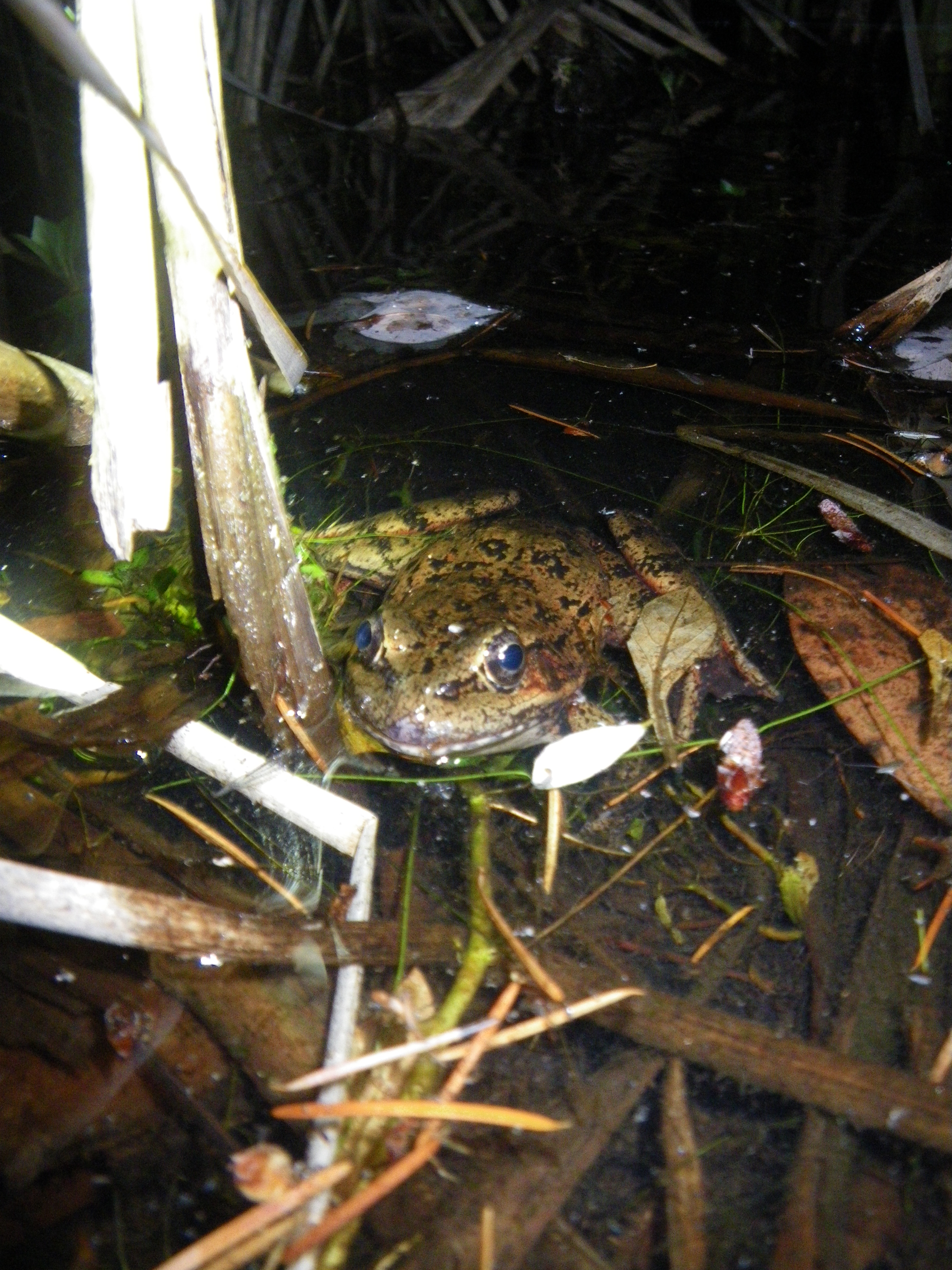
Papers & Reports Population declines lead to replicate patterns of internal range structure at the tips of the distribution of the California red-legged frog (Rana draytonii)
Authors: Jonathan Q Richmond; Adam R Backlin; Patricia Tatarian; B G Solvesky; Robert N Fisher
Date: 2014 | Outlet: Biological Conservation
Demographic declines and increased isolation of peripheral populations of the threatened California red-legged frog(Rana draytonii)have led to the formation of internal range boundaries at opposite ends of the species’ distribution. While the population genetics of the southern internal boundary has been studied in some detail, similar information is lacking for the northern part of the range. In this study, we used microsatellite and mtDNA data to examine the genetic structuring and diversity of some of the last remaining R. draytonii populations in the northern Sierra Nevada, which collectively form the northern external range boundary. We compared these data to coastal populations in the San Francisco Bay Area, where the species is notably more abundant and still exists throughout much of its historic range. We show that ‘external’ Sierra Nevada populations have lower genetic diversity and are more differentiated from one another than their ‘internal’ Bay Area counterparts. This same pattern was mirrored across the distribution in California, where Sierra Nevada and Bay Area populations had lower allelic variability compared to those previously studied in coastal southern California. This genetic signature of northward range expansion was mirrored in the phylogeography of mtDNA haplotypes; northern Sierra Nevada haplotypes showed greater similarity to haplotypes from the south Coast Ranges than to the more geographically proximate populations in the Bay Area. These data cast new light on the geographic origins of Sierra Nevada R. draytonii populations and highlight the importance of distinguishing the genetic effects of contemporary demographic declines from underlying signatures of historic range expansion when addressing the most immediate threats to population persistence. Because there is no evidence of contemporary gene flow between any of the Sierra Nevada R. draytonii populations, we suggest that management activities should focus on maintaining and creating additional ponds to support breeding within typical dispersal distances of occupied habitat.
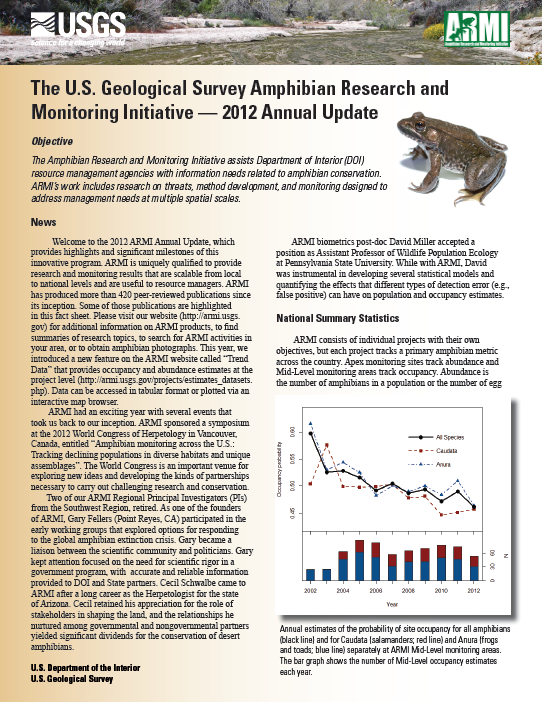
Papers & Reports Chilled Frogs are Hot: Hibernation and Reproduction of the Endangered Mountain Yellow-Legged Frog (Rana muscosa)
Authors: F E Santana; R R Swaisgood; J M Lemm; Robert N Fisher; R W Clark
Date: 2015-02-11 | Outlet: Endangered Species Research 27:43-51
In the face of the sixth great extinction crisis, it is imperative to establish effective breeding protocols for amphibian conservation breeding programs. Efforts should not proceed by trial and error, nor should they jump prematurely to assisted reproduction techniques, which can be invasive, difficult, costly, and, at times, counterproductive. Instead, conservation practitioners should first look to nature for guidance, and replicate key conditions found in nature in the captive environment, according to the ecological and behavioral requirements of the species. We tested the effect of a natural hibernation regime on reproductive behaviors and health in the critically endangered mountain yellow-legged frog (Rana muscosa). Hibernation had a clear effect on reproductive behavior, manifesting in vocal advertisement signaling, female receptivity, amplexus, and oviposition. These behaviors are critical components of courtship that lead to successful reproduction. Our main finding was that R. muscosa requires a hibernation period for successful reproduction as only hibernated females produced eggs and only hibernated males successfully fertilized eggs. Although hibernation also negatively impacted body condition, it did so without any evident declines in frog health. This dependency on hibernation is not surprising since it is a major component of the conditions that R. muscosa experiences in the wild. Similar approaches to test hypotheses based on mimicking natural ecological conditions should be used in other amphibian conservation breeding programs to ensure that captive assurance colonies can play their role as genetic reservoirs for assurance and reintroduction.
Papers & Reports ARMI 2012 Annual Update
Authors: Blake R Hossack; Michael J Adams; Hardin J Waddle; Evan HC Grant; Robert N Fisher; William A Battaglin; Lianne Ball
Welcome to the 2012 ARMI Annual Update, which provides highlights and significant milestones of this innovative program. ARMI is uniquely qualified to provide research and monitoring results that are scalable from local to national levels and are useful to resource managers. ARMI has produced more than 420 peer-reviewed publications since its inception. Some of those publications are highlighted in this fact sheet. Please visit our website (http://armi.usgs.gov) for additional information on ARMI products, to find summaries of research topics, to search for ARMI activities in your area, or to obtain amphibian photographs. This year, we introduced a new feature on the ARMI website called “Trend Data” that provides occupancy and abundance estimates at the project level (http://armi.usgs.gov/projects/estimates_datasets.php). Data can be accessed in tabular format or plotted via an interactive map.

Full text: http://armi.usgs.gov/docs/ARMI%202012%20Annual%20Update.pdf
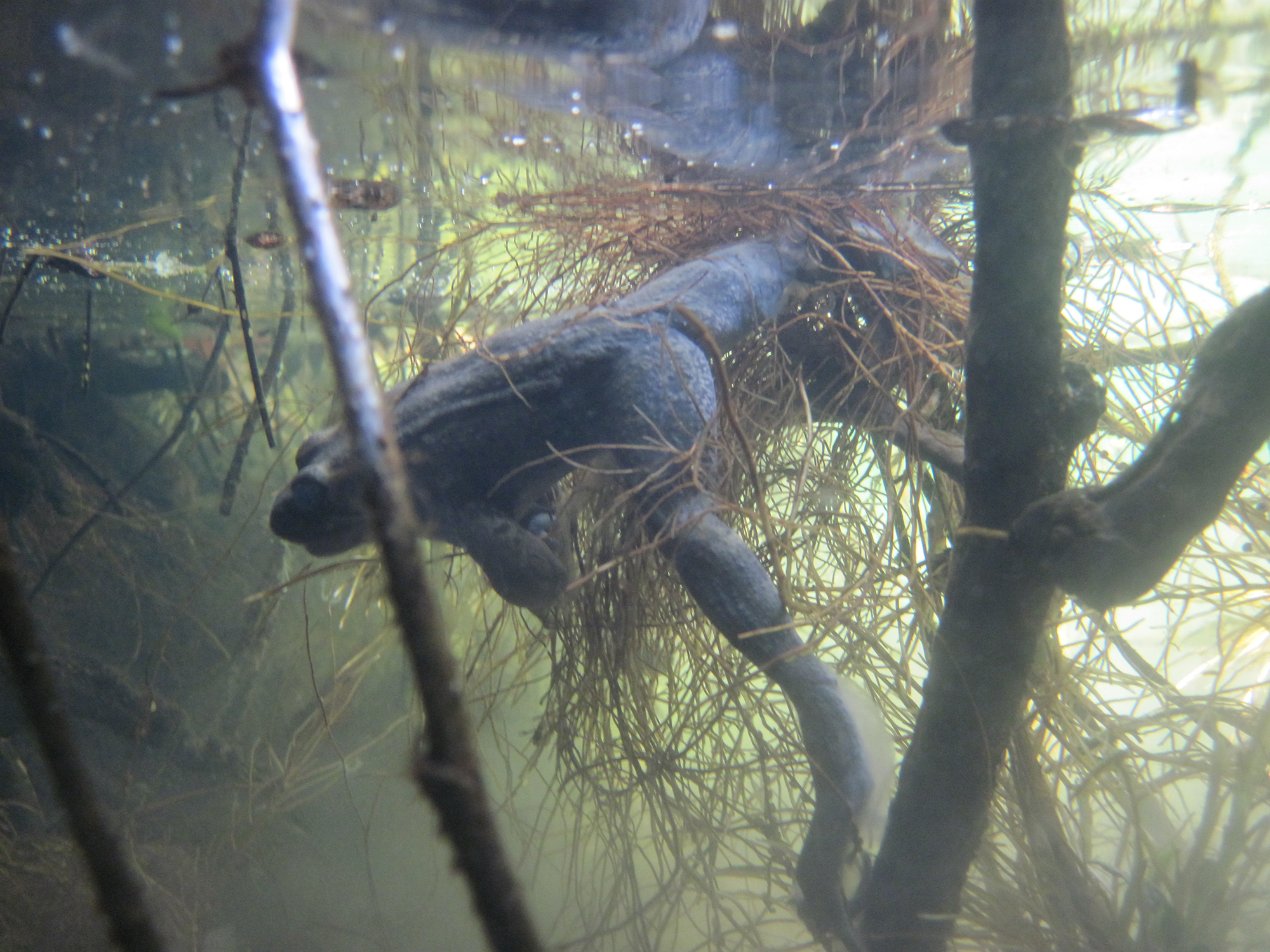
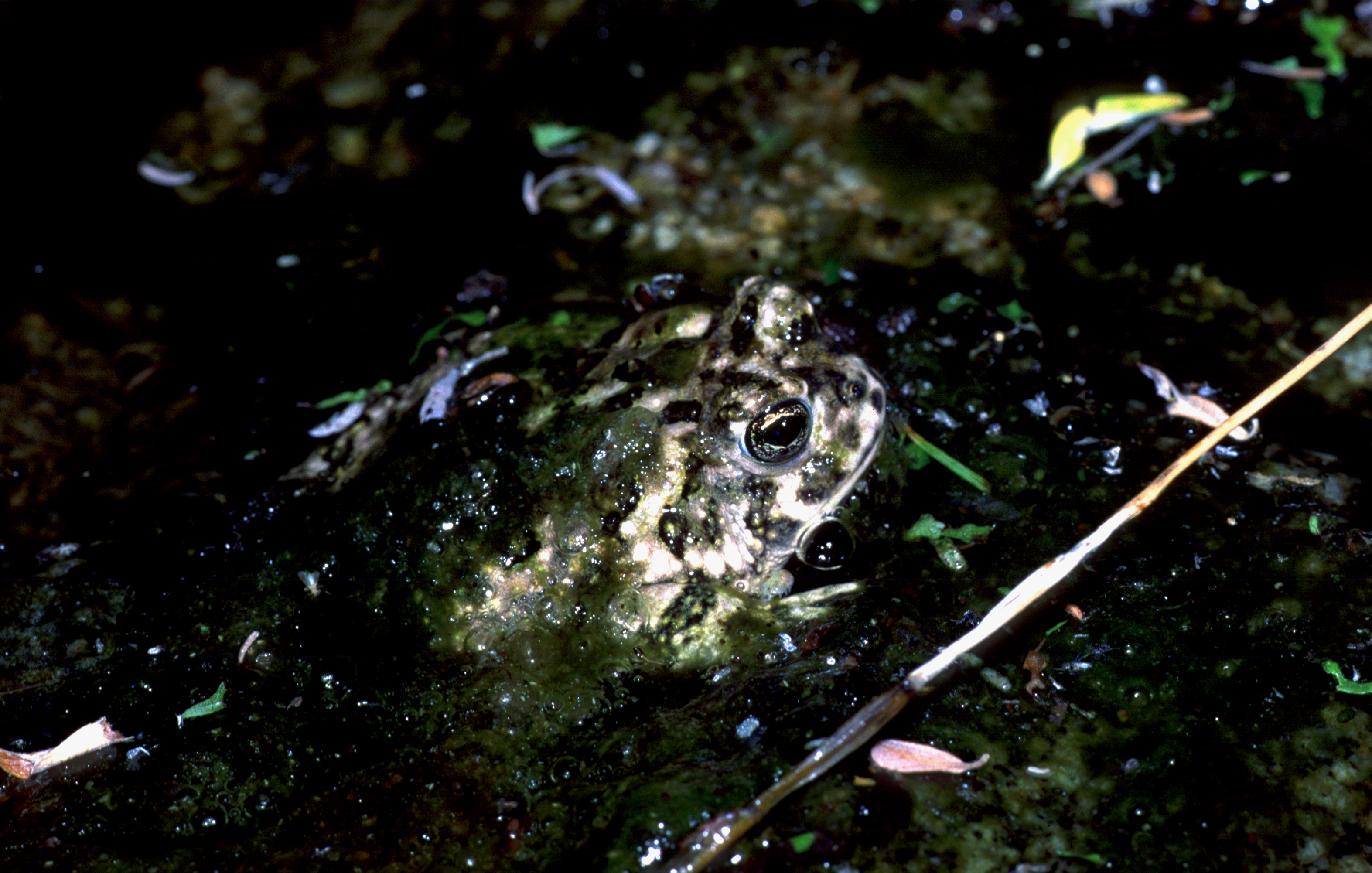
Papers & Reports COMPARATIVE MICROHABITAT CHARACTERISTICS AT OVIPOSITON SITES OF THE CALIFORNIA RED-LEGGED FROG (RANA DRAYTONII)
Authors: Jeff A Alvarez; D G Cook; J L Yee; Michael G van Hattem; D R Fong; Robert N Fisher
Date: 2013-12-31 | Outlet: Herpetological Conservation and Biology
We studied the microhabitat characteristics of 747 egg masses of the federallythreatened California Red-legged Frog (Rana draytonii) at eight sites in California. Our study showed that a broad range of aquatic habitats are utilized by ovipositing R. draytonii, including sites with perennial and ephemeral water sources, natural and constructed wetlands, lentic and lotic hydrology, and sites surrounded by protected lands and nested within modified urban areas. We recorded 45 different egg mass attachment types, although the use of only a few types was common at each site. These attachment types ranged from branches and roots of riparian trees, emergent and submergent wetland vegetation, flooded upland grassland/ruderal vegetation, and debris. Eggs were deposited in relatively shallow water (mean 39.7 cm) when compared to maximum site depths. We found that most frogs in artificial pond, natural creek, and artificial channel habitats deposited egg masses within one meter of the shore, while egg masses in a seasonal marsh averaged 27.3 m from the shore due to extensive emergent vegetation. Rana draytonii appeared to delay breeding in lotic habitats and in more inland sites compared to lentic habitats and coastal sites. Eggs occurred as early as mid-December at a coastal artificial pond and as late as mid-April in an inland natural creek. We speculate that this delay in breeding may represent a method of avoiding high-flow events and/or freezing temperatures. Understanding the factors related to the reproductive needs of this species can contribute to creating, managing, or preserving appropriate habitat, and promoting species recovery.
Papers & Reports Correction of Locality Records for the Endangered Arroyo Toad (Anaxyrus californicus) from the Desert Region of Southern California
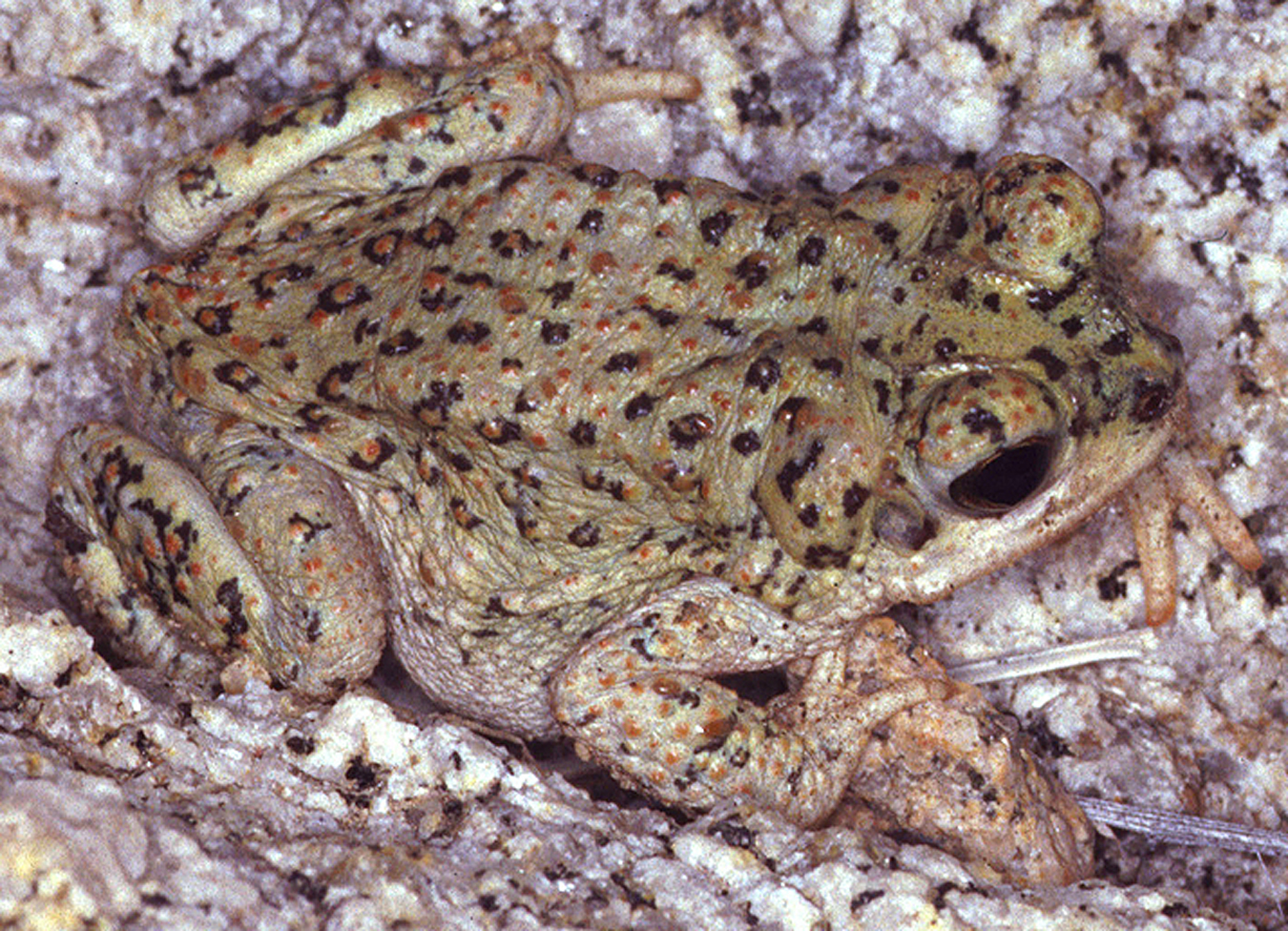
Authors: Edward L Ervin; Kent R Beaman; Robert N Fisher
Date: 2013-12 | Outlet: Bulletin of the Southern California Academy of Sciences
The development of an effective recovery plan for an endangered species requires knowledge of that species distribution and spatial arrangements within preferred habitat. Although the best available information of a species distribution is used to develop a plan, it is often lacking in regard to its actual geographical extent. The arroyo toad (Anaxyrus californicus) occurs in coastal drainages from Monterey County, California, south into northwestern Baja California, Mexico. Through field reconnaissance and the study of museum specimens, we determined that the four reported populations of the arroyo toad in the Sonoran Desert region of Riverside, San Diego, and Imperial counties, California are in error. Two additional sites in the Sonoran Desert are discussed regarding the possibility that the species occurs there. We recommend the continued study of arroyo toad populations in order to establish a better understanding of their distribution and the boundaries of their geographical range.
Papers & Reports Evolutionary Hotspots in the Mojave Desert
Authors: A G Vandergast; R D Inman; Kelly R Barr; K E Nussear; T C Esque; Stacie A Hathaway; D A Wood; P A Medica; Jesse W Breinholt; C L Stephen; A D Gottscho; S B Marks; W B Jennings; Robert N Fisher
Date: 2013-04-15 | Outlet: Diversity 5:293-319
Genetic diversity within species provides the raw material for adaptation and evolution. Just as regions of high species diversity are conservation targets, identifying regions containing high genetic diversity and divergence within and among populations may be important to protect future evolutionary potential. When multiple co-distributed species show spatial overlap in high genetic diversity and divergence, these regions can be considered evolutionary hotspots. We mapped spatial population genetic structure for 17 animal species across the Mojave Desert, USA. We analyzed these in concurrence and located 10 regions of high genetic diversity, divergence or both among species. These were mainly concentrated along the western and southern boundaries where ecotones between mountain, grassland and desert habitat are prevalent, and along the Colorado River. We evaluated the extent to which these hotspots overlapped protected lands and utility-scale renewable energy development projects of the Bureau of Land Management. While 30–40% of the total hotspot area was categorized as protected, between 3–7% overlapped with proposed renewable energy project footprints, and up to 17% overlapped with project footprints combined with transmission corridors. Overlap of evolutionary hotspots with renewable energy development mainly occurred in 6 of the 10 identified hotspots. Resulting GIS-based maps can be incorporated into ongoing landscape planning efforts and highlight specific regions where further investigation of impacts to population persistence and genetic connectivity may be warranted.