
Search ARMI Database

Search term(s)

Filter search results with:


To view all contents, leave all fields blank and click "Search" button.

Contribution Number


Search Results

1290 record(s) found.

Papers & Reports Evaluating Corticosterone as a Biomarker for Amphibians Exposed to Increased Salinity and Ambient Corticosterone
Authors: Brian J Tornabene; Blake R Hossack; E J Crespi; Creagh W Breuner
Date: 2021-07 | Outlet: Conservation Physiolology 9(1): coab049
Salinization is harmful to amphibians and waterborne corticosterone could be a useful biomarker. Salinity was only associated with waterborne corticosterone for one of three amphibian species. Ambient corticosterone likely confounded associations and possibly influenced amphibian physiology. We provide suggestions to improve reliability of waterborne corticosterone as a biomarker of salt stress.
Data Release Metal concentrations in sediment and amphibian tissues from wetlands sampled across the United States
Authors: Kelly L Smalling
Date: 2021-05-09 | Outlet: US Geological Survey data release
Papers & Reports Metal accumulation varies with life history, size, and development of larval amphibians
Authors: Kelly L Smalling; Emily B Oja; Danielle M Cleveland; J M Davenport; Collin A Eagles-Smith; Evan HC Grant; Patrick M Kleeman; Brian J Halstead; Kenzi M Stemp; Brian J Tornabene; Zachary J Bunnell; Blake R Hossack
Date: 2021-06-26 | Outlet: Environmental Pollution 287: e117638
Amphibian larvae are commonly used as indicators of aquatic ecosystem health because they are susceptible to contaminants. However, there is limited information on how species characteristics and trophic position influence contaminant loads in larval amphibians. Importantly, there remains a need to understand whether grazers (anurans) and predators (salamanders) provide comparable information on contaminant accumulation or if they are each indicative of unique environmental processes and risks. To better understand the role of trophic position in contaminant accumulation, we analyzed composite tissues for 10 metals from larvae of multiple co-occurring anuran and salamander species from 20 wetlands across the United States. We examined how metal concentrations varied with body size (anurans and salamanders) and developmental stage (anurans) and how the digestive tract (gut) influenced observed metal concentrations. Across all wetlands, metal concentrations were greater in anurans than salamanders for all metals tested except mercury, selenium (Se), and zinc (Zn). Concentrations of individual metals in anurans decreased with increasing weight and developmental stage. In salamanders, which are predatory, metal concentrations were less correlated with weight, indicating diet played a role in contaminant accumulation. Based on batches of similarly sized whole-body larvae compared to larvae with their digestive tracts removed our results indicated that tissue type strongly affected perceived concentrations, especially for anurans (gut represented 50–90% of all metals except Se and Zn). This suggest the reliability of results based on whole body sampling could be biased by metal, larval size, and development. Overall, our data suggest that metal concentrations differs among orders (anuran and salamanders) which suggests that metal accumulation is unique to feeding behavior and potentially trophic position. To truly characterize exposure risk in wetlands, species of different life histories, sizes and developmental stages should be included in biomonitoring efforts.
Papers & Reports Western pond turtles in the Mojave Desert? A review of their past, present, and possible future
Authors: J Lovich; G . Jefferson; Robert Reynolds; P Scott; H B Shaffer; Shellie Puffer; Sarah Greely; Kristy Cummings; Robert N Fisher; Katherin Meyer-Wilkins; Doug Gomez; Morgan Ford; Christopher D. Otahal
Date: 2021-05-25 | Outlet: Vertebrate Zoology 71:317-334.
The western pond turtle (WPT) was formerly considered a single species (Actinemys or Emys marmorata[I/}) that ranged from southern British Columbia, Canada to Baja California, México. More recently it was divided into a northern and a southern species. WPTs are found primarily in streams that drain into the Pacific Ocean, although scattered populations exist in endorheic drainages of the Great Basin and Mojave deserts. Populations in the Mojave Desert were long thought to be restricted to the Mojave River, but recently another population was documented in Piute Ponds, a terminal wetland complex associated with Amargosa Creek on Edwards Air Force Base. WPT fossils in the Mojave Desert are known from the Miocene to the Pleistocene. Recently, Pleistocene fossils have been found as far into the desert as Salt Springs, just south of Death Valley. The oldest fossil records suggest that WPTs were present in wetlands and drainages of the geological feature known as the Mojave block prior to the uplift of the Sierra Nevada Range about 8 Ma and prior to the ~ 3 Ma uplift of the Transverse Ranges. Archaeological records document use of turtles by Native Americans for food and cultural purposes 1,000 or more years ago at the Cronese Lakes on the lower Mojave River and Oro Grande on the upper river. The first modern publication documenting their presence in the Mojave River was 1861. Museum specimens were collected as early as 1937. These fossil and early literature records support the indigenous status of WPTs to the Mojave River. However, mtDNA-based genetic evidence shows that Mojave River turtles share an identical haplotype with turtles on the California coast. Limited nuclear data show some minor differences. Overdraft of the Mojave River for municipal and agricultural uses, urban development, and saltcedar expansion are threats to the continued survival of WPTs in the Mojave River.
Papers & Reports Resilience of native amphibian communities following catastrophic drought: evidence from a decade of regional-scale monitoring
Authors: W Moss; T McDevitt-Galles; Erin Muths; Steven Bobzien; J Purificato; P TJ Johnson
1. The increasing frequency and severity of drought has the potential to exacerbate existing global amphibian declines. However, interactions between drought and coincident stressors, coupled with high interannual variability in amphibian abundances, can mask the extent and underlying mechanisms of drought-induced declines. The application of dynamic occupancy modeling to longitudinal monitoring data estimates the effect of specific variables on population change, providing key insights into potential management strategies for drought resilience.
2. We synthesized a decade (2009 – 2019) of amphibian survey data from multiple monitoring programs across the California Bay Area and used occupancy modeling to estimate the influence of drought, invasive species, and land use on species’ persistence and colonization probabilities. The geographic and temporal scale of our dataset, consisting of 2574 surveys of seven species in 473 ponds, allowed us to quantify regional trends for an entire community of pond-breeding amphibians.
3. An extreme drought from 2012 – 2015 resulted in losses of breeding sites, with 51% of ponds drying in 2014 compared to <10% in non-drought years. Pond drying reduced persistence rates, and nearly every species exhibited reduced occupancy during the drought, with some species (American bullfrogs and California newts) declining by > 25%. Drought reduced occupancy via additional mechanisms beyond habitat loss; for example, lower spring precipitation (an important cue for breeding) was associated with reduced colonization.
4. During drought, native species’ persistence was higher in permanent relative to temporary ponds, even though these sites were also more likely to contain invasive fish and bullfrogs, which generally reduced native amphibian occupancy. Many of these permanent ponds dried during the worst year of drought, leading to extirpations of invasive species that appeared long-lasting. In contrast, native species rebounded quickly with returning rains and showed evidence of full recovery.
5. Synthesis and applications: Despite experiencing one of most severe droughts in a millennium, native species displayed high resilience. Due to longer recovery times by non-native relative to native species, drought presents a valuable management opportunity to remove invaders from key refugia, and we highlight the value of maintaining hydroperiod diversity to promote the persistence of multiple species.
Papers & Reports Staggered-entry analysis of breeding and occupancy dynamics of Arizona Toads from historically occupied habitats of New Mexico, USA
Authors: M J Forzley; Mason J Ryan; I M Latella; J T Giermakowski; Erin Muths; Brent H Sigafus; Blake R Hossack
Date: 2021 | Outlet: Ichthyology & Herpetology
For species with variable phenology, it is often challenging to produce reliable estimates of population dynamics or changes in occupancy. The Arizona Toad (Anaxyrus microscaphus) is a southwestern USA endemic that has been petitioned for legal protection, but status assessments are limited by a lack of information on population trends. Also, timing and consistency of Arizona Toad breeding varies greatly, making it difficult to predict optimal survey times or effort required for detection. To help fill these information gaps, we conducted breeding season call surveys during 2013–2016 and 2019 at 86 historically occupied sites and 59 control sites across the species’ range in New Mexico. We estimated variation in mean dates of arrival and departure from breeding sites, changes in occupancy, and site-level extinction since 1959 with recently developed multi-season staggered-entry models, which relax the within-season closure assumption common to most occupancy models. Optimal timing of surveys in our study areas was approximately March 5 - March 30. Averaged across years, estimated probability of occupancy was https://0.58 (SE = 0.09) for historical sites and https://0.19 (SE = 0.08) for control sites. Occupancy increased from 2013 through 2019. Notably, even though observer error was trivial, annual detection probabilities varied from https://0.23 to https://0.75 and declined during the study; this means naïve occupancy values would have been misleading, indicating apparent declines in toad occupancy. Occupancy was lowest during the first year of the study, possibly due to changes in stream flows and conditions in many waterbodies following extended drought and recent wildfires. Although within-season closure was violated by variable calling phenology, simple multi-season models provided nearly identical estimates as staggered-entry models. Surprisingly, extinction probability was unrelated to the number of years since the first or last record at historically occupied sites. Collectively, our results suggest a lack of large, recent declines in occupancy by Arizona Toads in New Mexico, but we still lack population information from most of the species’ range.
Papers & Reports Thermal conditions predict intraspecific variation in senescence rate in frogs and toads
Authors: Hugo Cayuela; Rebecca M McCaffery; Thierry Frétey; Benedikt R Schmidt; Kurt Grossenbacher; Omar Lenzi; Blake R Hossack; Brad A Lambert; Johan Elmberg; J Merilä; J Gippet; David S Pilliod; Erin Muths
Date: 2021-11 | Outlet: PNAS
Variation in temperature is known to influence mortality patterns in ectotherms. Even though a few experimental studies on model organisms have reported a positive relationship between temperature and actuarial senescence (i.e., the increase in mortality risk with age), how variation in climate influences senescence rate across the range of a species is still poorly understood in free-ranging animals. We filled this knowledge gap by investigating the relationships linking senescence rate, adult lifespan, and climatic conditions using long-term, capture-recapture data from multiple amphibian populations. We considered two pairs of related anuran species from the Ranidae (Rana luteiventris, Rana temporaria) and Bufonidae (Anaxyrus boreas, Bufo bufo) families, which diverged more than 100 mya and are broadly distributed in North America and Europe. Senescence rates were positively associated with mean annual temperature in all species. In addition, lifespan was negatively correlated with mean annual temperature in all species except A. boreas. In both R. luteiventris and A. boreas, mean annual precipitation and human environmental footprint both had negligible effects on senescence rates or lifespans. Overall, our findings demonstrate the critical influence of thermal conditions on mortality patterns across anuran species from temperate regions. In the current context of further global temperature increase predicted by IPCC scenarios, a widespread acceleration of aging in amphibians is expected to occur in the decades to come, which might threaten even more seriously the viability of populations and exacerbate global decline.
Papers & Reports Sex-related differences in aging rate are associated with sex chromosome system in amphibians
Authors: Hugo Cayuela; J Lemaître; Jean-Paul Lena; Victor Ronget; Iñigo Martinez-Solano; Erin Muths; David S Pilliod; Jean-Francois Lemaitre
Date: 2021-12 | Outlet: Evolution
Sex-related differences in mortality are widespread in the living world. Although sexual selection and environmental conditions might drive sex-specific variation in lifespan, recent findings suggest that sex chromosome systems are also involved. However, the influence of sex chromosome systems on aging rate (i.e., the rate of increase of mortality with age), a mortality metric that only partially correlates with lifespan, has not been investigated so far, due to an apparent lack of demographic data from clades including both XY (with heterogametic males) and ZW (with heterogametic females) sex-determination systems. Taking advantage of a unique collection of capture-recapture datasets in amphibians, a vertebrate group where XY and ZW systems have repeatedly switched over the past 200 million years we examine whether sex heterogamety can predict sex-differences in aging rates. We show that variation in aging rate only accounts for a moderate proportion of the variation in lifespan, similarly to what has been reported in mammals. Moreover, our results demonstrate that the system of genetic sex-determination has a critical impact on aging rate in clades that include closely related taxa with XY vs. ZW systems. In both systems the heterogametic sex experiences a higher aging rate compared to the homogametic sex. This new finding suggests that exposed recessive deleterious mutations on the X/Z chromosome (the “unguarded X/Z effect”) or repeat-rich Y/W chromosome (the “toxic Y/W effect”) could accelerate aging in the heterogametic sex.
News & Stories The return of red-legged frogs
Authors: Adam R Backlin
March 05, 2021

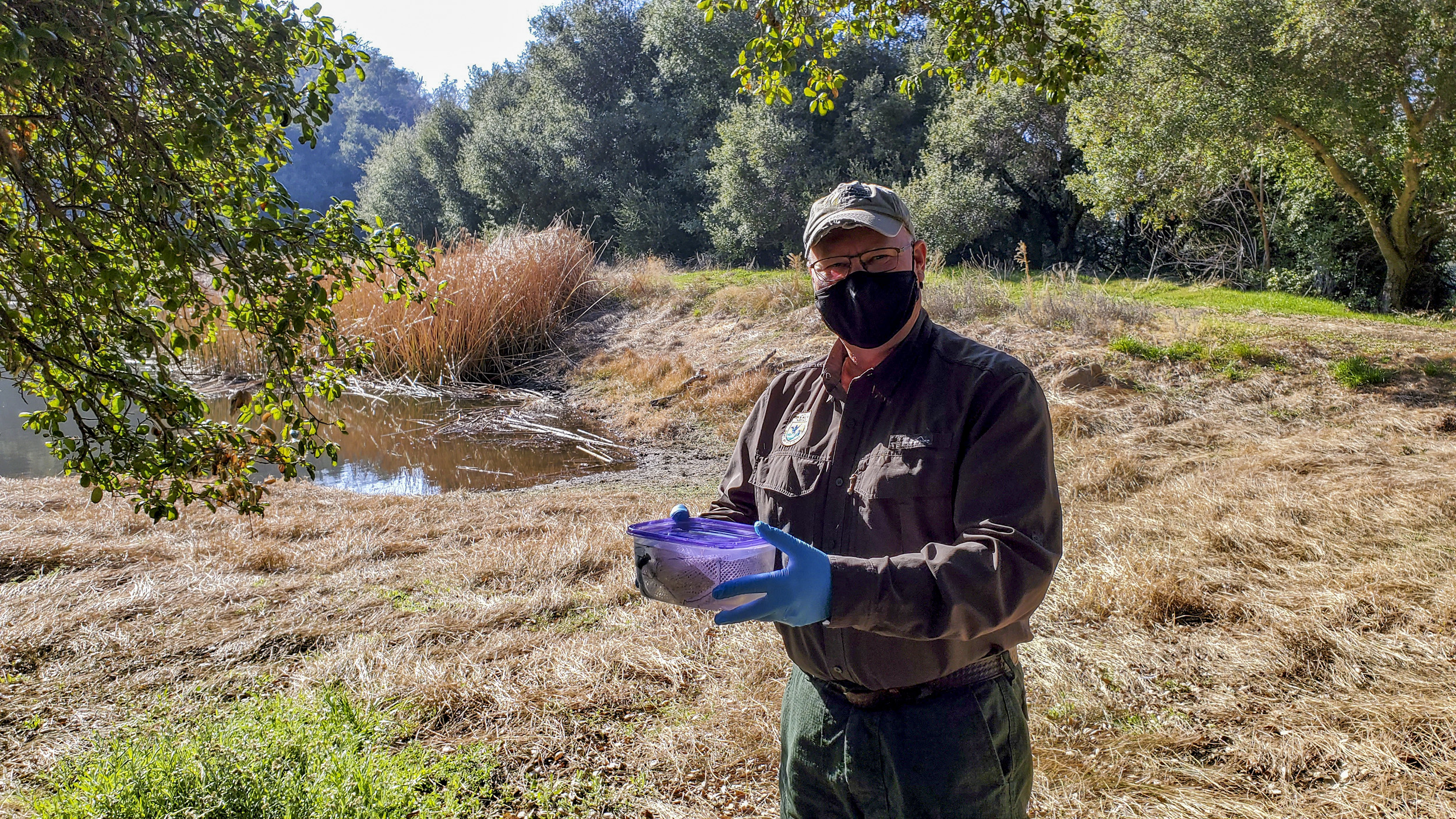
Multiple partners from national and international nonprofits, government agencies, private landowners come together to change the course of the frog’s plight.

Read the full story here: https://www.fws.gov/cno/newsroom/Highlights/2021/Red-Legged-Frog/
Papers & Reports Demography of the Oregon spotted frog along a hydrologically modified river
Authors: Jennifer C Rowe; Adam Duarte; Christopher A Pearl; Brome McCreary; P K Haggerty; John W Jones; Michael J Adams
Date: 2021-06-21 | Outlet: Ecosphere
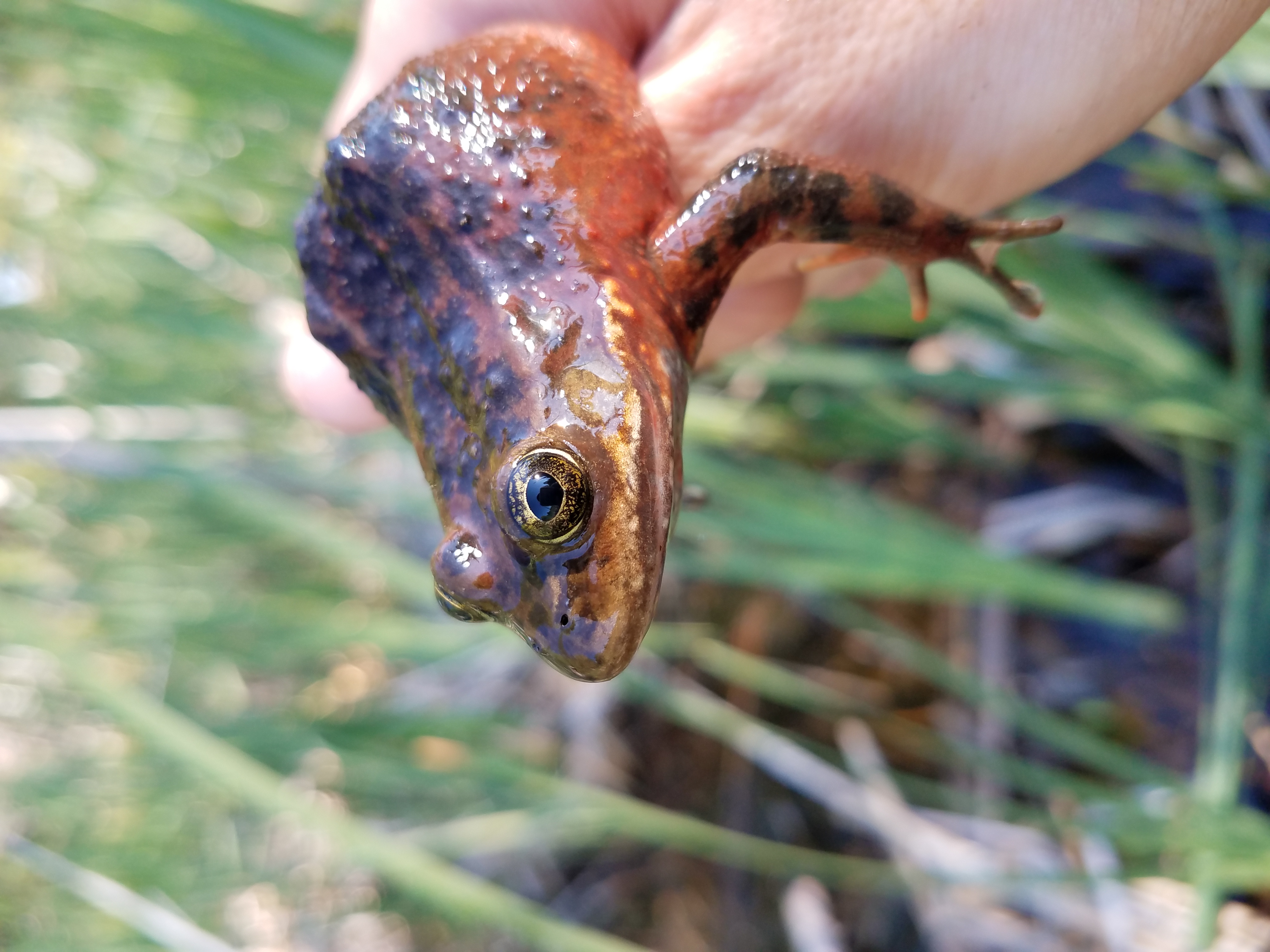
Altered flow regimes can contribute to dissociation between life history strategies and environmental conditions, leading to reduced persistence reported for many wildlife populations inhabiting regulated rivers. The Oregon spotted frog (Rana pretiosa) is a threatened species occurring in floodplains, ponds, and wetlands in the Pacific Northwest with a core range in Oregon, USA. All life stages of R. pretiosa are reliant on aquatic habitats, and inundation patterns across the phenological timeline can have implications for population success. We conducted capture-mark-recapture (CMR) sampling of adult and subadult R. pretiosa at three sites along the Deschutes River downstream from two dams that regulate flows. We related the seasonal extent of inundated habitat at each site to monthly survival probabilities using a robust design CMR model. We also developed matrix projection models to simulate population dynamics into the future under current river flows. Monthly survival was strongly associated with the extent and variability of inundated habitat, suggesting some within-season fluctuations at higher water levels could be beneficial. Seasonal survival was lowest in the winter for all three sites, owing to limited water availability and the greater number of months within this season relative to other seasons. Population growth for the two river-connected sites was most strongly linked to adult survival, whereas population growth at the river-disconnected site was most strongly tied to survival in juvenile stages. This research identifies population effects of seasonally limited water and highlights conservation potential of enhancing survival of particularly influential life stages.
Papers & Reports Enhanced between-site biosecurity to minimize herpetofaunal disease-causing pathogen transmission
Authors: Deanna H Olson; K H Haman; M J Gray; Reid N Harris; T Thompson; M Iredale; M Christman; J Williams; Michael J Adams; Jennifer R Ballard
Date: 2021 | Outlet: Herpetological Review
We describe biotic and abiotic factors that interact with field work to contribute to gradients in human-mediated herpetofaunal pathogen transmission (i.e., translocation) risk between sites. Using biotic and abiotic criteria, we identify site conditions that correspond to high risk for pathogen import [to a site] or high risk for pathogen export [from a site] for implementation of enhanced between-site biosecurity procedures to forestall human-mediated pathogen transmission. Our field-site criteria are based on seven contexts of the pathogen (occurrence, habitat), host(s) (occurrence, habitat, species richness), and geography (distance/topography, geopolitical land use) (Table 1). We do not provide an explicit decision tree because site contexts can be complex, and single contexts may be weighted heavily in some biosecurity decisions, warranting case-by-case decisions. A more conceptual decision tree (Fig. 1) about pathogen export or import can be more flexibly applied as site context vary. Our aim is to provide a rapid process to develop a qualitative narrative to support decisions for between-site herpetological disease biosecurity.
Papers & Reports New Parish Records for Louisiana Amphibians and Reptiles
Authors: Brad M Glorioso
Date: 2021-06-01 | Outlet: Herpetological Review
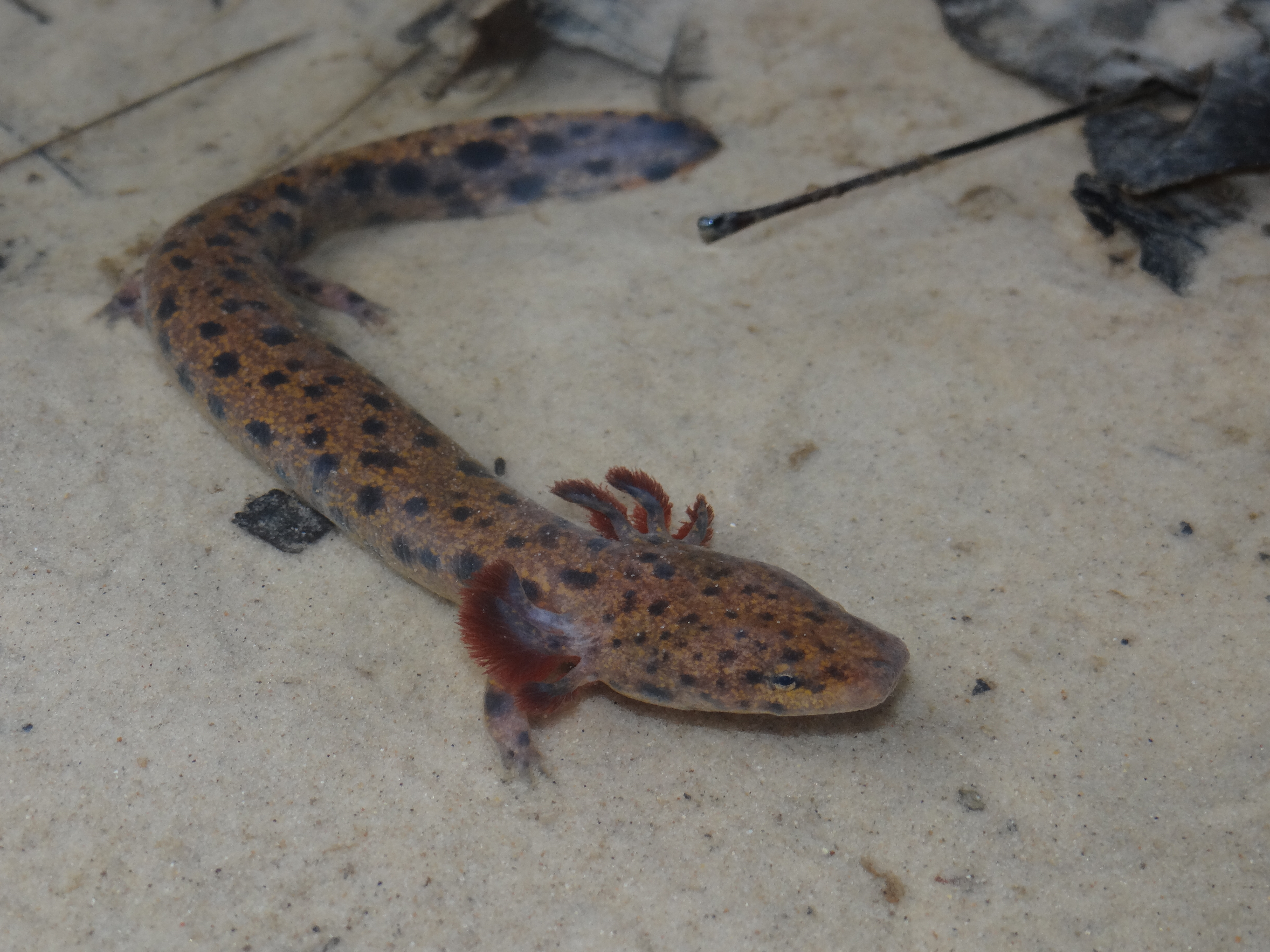
Dundee and Rossman (1989) published distribution maps of Louisiana herpetofaunal species in The Amphibians and Reptiles of Louisiana over 30 years ago. Since then many records have been published, mostly in Herpetological Review, documenting additions to these original maps. Though many are single species additions, several compilations of new Louisiana records have been published (Boundy 1994, 1998; 2004; Rosenzweig et al. 2007; Boundy and Gregory 2012; Battaglia et al. 2015). Here I report a total of 22 records that help to fill distributional gaps primarily in southern Louisiana. Most records are a result of targeted surveys during work projects or opportunistic encounters by the author. Those records where the author is not listed as an observer were submitted by others to the author via email. All records are photo vouchers deposited in the Florida Museum of Natural History (FMNH) Herpetology collection. Charles D. Battaglia of the Louisiana Department of Wildlife and Fisheries (LDWF) and Coleman Sheehy of the FMNH verified species identification. All records represent new parish records unless otherwise stated as determined by a list compiled by now-retired LDWF state herpetologist Jeff Boundy and through queries at https://VertNet.org. I thank Raymond P. Kidder for his assistance with querying https://VertNet.org. This is contribution number XXX of the U.S. Geological Survey Amphibian Research and Monitoring Initiative (ARMI).
Papers & Reports Abundance of Gulf Coast Waterdogs (Necturus beyeri) along Bayou Lacombe, Saint Tammany Parish, Louisiana
Authors: Brad M Glorioso; Hardin J Waddle; L J Muse; S T Godfrey
Date: 2021-06-11 | Outlet: Journal of Herpetology
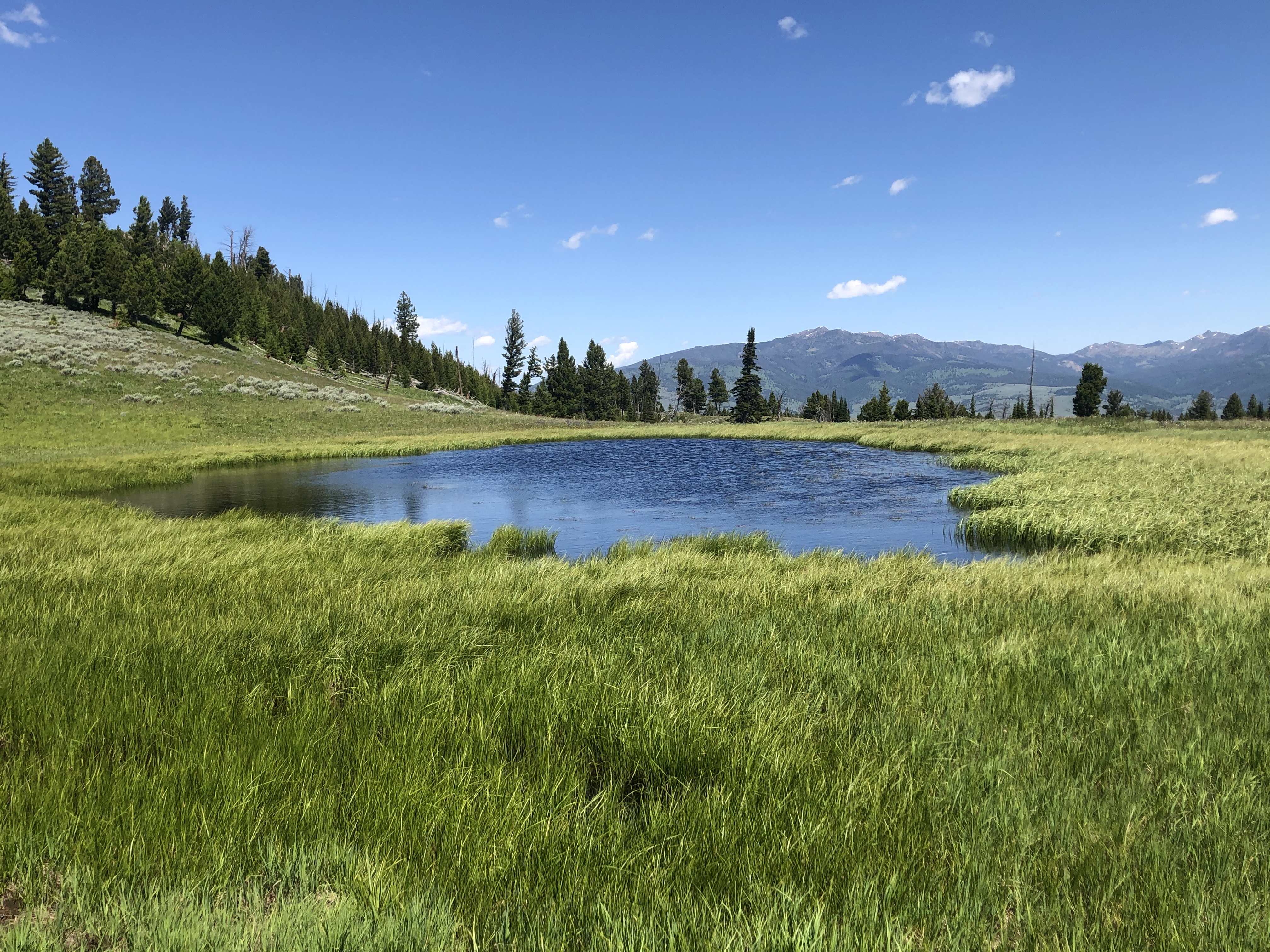
Few ecological studies have been conducted on Gulf Coast Waterdogs (Necturus beyeri), and published studies have focused on relatively small stream sections of 125 m to https://1.75 km. In 2015, we sampled Gulf Coast Waterdogs at 25 locations along a 13.4-km stretch of Bayou Lacombe (Saint Tammany Parish, Louisiana, USA) to better understand factors that may influence the distribution of Gulf Coast Waterdogs within streams. We checked 250 unbaited traps once per week for three weeks and captured 170 Gulf Coast Waterdogs at 18 of the 25 sites. We used hierarchical models of abundance to estimate abundance at each site as a function of site covariates including pH, turbidity, and distance from headwaters. The abundance of Gulf Coast Waterdogs within Bayou Lacombe was highest toward the center of the segment of stream we sampled, but we found no evidence that pH or turbidity affected abundance within our study area. Site level abundance estimates of Gulf Coast Waterdogs ranged from 0 to 82, and we estimated that there were 767 (95% Bayesian credible interval [CRI]: 266–983) Gulf Coast Waterdogs summed across all 25 sampling sites. We derived an estimate of 6,321 (95% CRI: 2,139–15,922) Gulf Coast Waterdogs for the entire 13.4 km section of Bayou Lacombe, which includes our 25 sites and the adjoining stream reaches between our sites. Our results suggest that Gulf Coast Waterdogs may be uncommon or absent in the headwaters, possibly because of shallow water and swift currents with little preferred habitats, and prefer the middle stream reaches with adequate depth and an abundance of preferred microhabitats.
News & Stories ARMI Scientists Assist NPS Monitoring Program with Symposium and Program Review
Authors: Blake R Hossack
January 05, 2021

During December 8–10, 2020, the NPS-Greater Yellowstone Network hosted a virtual three-day amphibian and wetland science symposium entitled Linking Monitoring and Research to Amphibian Conservation in the Greater Yellowstone Ecosystem. This symposium highlighted work related to the NPS program that has monitored amphibian and wetland dynamics in Grand Teton and Yellowstone national parks since 2006. USGS-ARMI has been linked with monitoring program since the inception of the NPS monitoring program and assisted with organizing symposium presentations.

The three-day symposium served two important purposes. The first two days were intended to bring together practitioners of amphibian monitoring and park natural resource personnel with university, non-governmental scientists, and USGS scientists. Participants shared examples from their work and the current state of knowledge about research and monitoring of amphibians and their habitats. Reflecting the long history of ARMI research in the Rocky Mountains and on NPS lands, there were five presentations by ARMI scientists, and seven presentations highlighted on-going or recently completed ARMI research.

The third day was structured to provide a formal peer review of the network’s amphibian and wetland monitoring protocol. The eight reviewers, which included ARMI scientist Brian Halstead and former ARMI PhD student Paige Howell, offered recommendations to enrich and strengthen the Greater Yellowstone Network ’s ongoing monitoring efforts. In total, more than 60 people participated in the symposium and program review.

ARMI and the Greater Yellowstone Network will continue their collaboration by co-organizing a special issue in the journal Ecological Indicators. The issue will include several papers that highlight collaborative USGS-NPS research on amphibians, wetlands, and climate, as well as emerging tools and priorities for scientists and resource managers.

Papers & Reports Enigmatic Near-Extinction in a Boreal Toad Metapopulation in Northwestern Montana
Authors: Rebecca M McCaffery; Robin E Russell; Blake R Hossack
Outlet: Journal of Wildlife Management
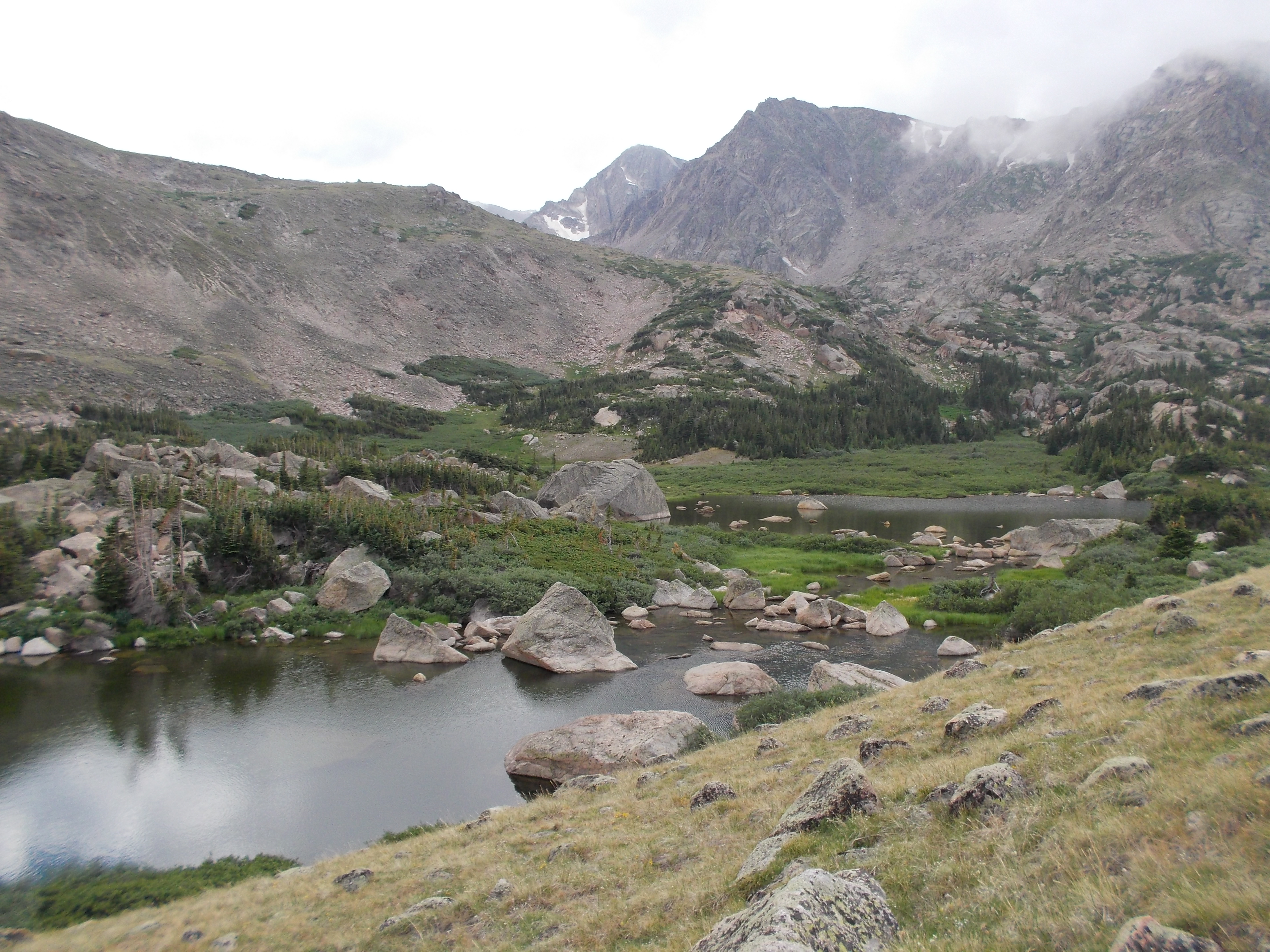
North America’s protected lands harbor significant biodiversity and provide habitats where species threatened by a variety of stressors in other environments can thrive. Yet disease, climate change, and other threats are not limited by land management boundaries and can interact with conditions within protected landscapes to affect sensitive populations. We examined the population dynamics of a boreal toad (Anaxyrus boreas) metapopulation at a wildlife refuge in northwestern Montana over a 16-year period (2003-2018). We used robust design capture-recapture models to estimate male population size, recruitment, and apparent survival over time and in relation to the amphibian chytrid fungus, Batrachochytrium dendrobatidis. We estimated female population size in years with sufficient captures. Finally, we examined trends in male and female toad body size and condition. We found no evidence of an effect of disease or time on male toad survival but detected a strong negative trend in recruitment of new males to the population. Estimates of male and female abundance decreased dramatically over time. Body size of males and females was inversely related to estimated population size, consistent with reduced recruitment to replace adults, but body condition of adult males was only weakly associated with abundance. Together, these results describe the demography of a near-extinction event, and point to dramatic decreases in the recruitment of new individuals to the breeding population as the cause of this decline. We surmise that processes related to the restoration of historical hydrology within the refuge adversely affected amphibian breeding habitat, and that these changes interacted with disease, life history, and other factors to restrict the recruitment of new individuals to the breeding population over time. Our results point to challenges in understanding and predicting drivers of population change and highlight that current metrics for assessing population status can have limited predictive ability.
Papers & Reports Why disease ecology needs life-history theory: a host perspective
Authors: Andrés Valenzuela-Sánchez; M Wilbur; Stefano Canessa; Leonardo Bacigalupe; Erin Muths; Benedikt R Schmidt; A C Cunningham; A Ozgul; P TJ Johnson; Hugo Cayuela
Date: 2020-12 | Outlet: Ecology Letters
When facing an emerging infectious disease of conservation concern, we often have little
information on the nature of the host-parasite interaction to inform management decisions.
However, it is becoming increasingly clear that the life-history strategies of host species
can be predictive of individual- and population-level responses to infectious disease, even
without detailed knowledge on the specifics of the host-parasite interaction. Here, we argue
that a deeper integration of life-history theory into disease ecology is timely and necessary
to improve our capacity to understand, predict, and mitigate the impact of endemic and
emerging infectious diseases in wild populations. Using wild vertebrates as an example, we
show that host life-history characteristics influence host responses to parasitism at different
levels of organization, from individuals to communities. We also highlight knowledge gaps
and future directions for the study of life-history and host responses to parasitism. We
conclude by illustrating how this theoretical insight can inform the monitoring and control
of infectious diseases in wildlife.
Papers & Reports Monitoring wetland water quality related to livestock grazing in amphibian habitats
Authors: Kelly L Smalling
Date: 2021-01-13 | Outlet: Environmental Monitoring and Assessment 193, 58
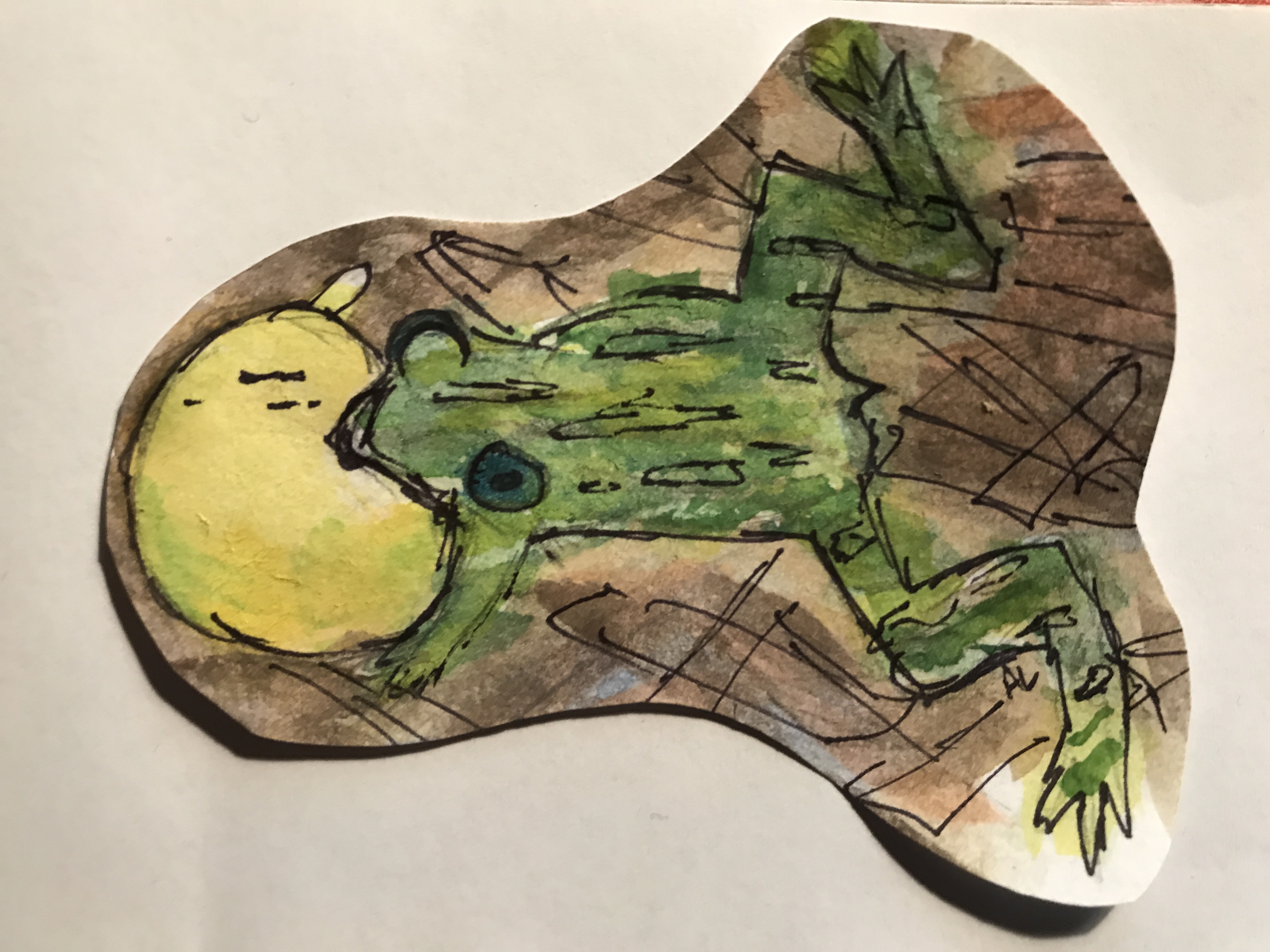
Land use alteration such as livestock grazing can affect water quality in habitats of at-risk wildlife species. Data from managed wetlands are needed to understand levels of exposure for aquatic life stages and monitor grazing-related changes afield. We quantified spatial and temporal variation in water quality in wetlands occupied by threatened Oregon spotted frog (Rana pretiosa) at Klamath Marsh National Wildlife Refuge in Oregon, US. We used analyses for censored data to evaluate the importance of habitat type and grazing history in predicting concentrations of nutrients, turbidity, fecal indicator bacteria (FIB; total coliforms, E. coli, and enterococci), and estrogenicity, an indicator of estrogenic activity. Nutrients (orthophosphate and ammonia) and enterococci varied over time and space, while E. coli, total coliforms, turbidity, and estrogenicity were more strongly associated with local livestock grazing metrics. Turbidity was correlated with several grazing-related constituents and may be particularly useful for monitoring water quality in landscapes with livestock use. Concentrations of orthophosphate and estrogenicity were elevated at several sites relative to published health benchmarks, and their potential effects on R. pretiosa warrant further investigation. Our data provided an initial assessment of potential exposure of amphibians to grazing related constituents in western US wetlands.
Papers & Reports Density dependence and adult survival drive dynamics in two high elevation amphibian populations
Authors: Amanda M Kissel; S Tenan; Erin Muths
Date: 2020-12-12 | Outlet: Diversity 2020, 12, 478; doi:10.3390/d12120478
Amphibian conservation has progressed from the identification of declines to mitigation, but efforts are hampered by the lack of nuanced information about the effects of environmental characteristics and stressors on mechanistic processes of population regulation. Challenges include a paucity of long-term data and scant information about the relative roles of extrinsic (e.g., weather) and intrinsic (e.g., density dependence) factors. We used a Bayesian formulation of an open population capture-recapture model and >30 years of data to examine intrinsic and extrinsic factors regulating two adult boreal chorus frogs (Pseudacris maculata) populations. We modelled population growth rate and apparent survival directly, assessed their temporal variability, and derived estimates of recruitment. Populations were relatively stable (geometric mean population growth rate >1), and regulated by negative density dependence (i.e., higher population sizes reduced population growth rate). In the smaller population, density dependence also acted on adult survival. In the larger population, higher population growth was associated with warmer autumns. Survival estimates ranged from https://0.30-0.87, per-capita recruitment was <1 in most years, and mean seniority probability was >https://0.50, suggesting adult survival is more important to population growth than recruitment. Our analysis indicates density dependence is a primary driver of population dynamics for P. maculata adults.
Data Release Occurrence of amphibians in Northern California Coastal Dune Drainages
Authors: Brian J Halstead; Patrick M Kleeman
Date: 2017-08-22 | Outlet: USGS - Science Base
Many coastal dune ecosystems have been degraded by non-native dune vegetation, but these systems might still provide valuable habitat for some taxa, including amphibians. Because restoration of degraded dune systems is occurring and likely to continue, we examined the occurrence of amphibians in drainages associated with a coastal dune ecosystem degraded by invasive plants (European Beachgrass, Ammophila arenaria, and Iceplant, Carpobrotus edulis). We found that occupancy of three amphibian species (California Red-legged Frog, Rana draytonii; sierran treefrog, Pseudacris sierra; and Rough-skinned Newt, Taricha granulosa) among 21 coastal dune drainages was high, with most coastal dune drainages occupied by all three species. Furthermore, reproduction of Sierran Treefrogs and California Red-legged Frogs was estimated to occur in approximately half and one-third of the drainages, respectively. The probability of occurrence of Rough-skinned Newts and pre-metamorphic life stages of both anurans decreased during the study, perhaps because of ongoing drought in California or precipitation-induced changes in phenology during the final year of the study. Maintaining structural cover and moist features during dune restoration will likely benefit native amphibian populations inhabiting coastal dune ecosystems.
Data Release California Red-Legged Frogs in Point Reyes coastal dune drainages (2015)
Authors: Brian J Halstead; Patrick M Kleeman
Date: 2017-05-22 | Outlet: USGS - Science Base
California Red-legged Frogs (Rana draytonii) are typically regarded as inhabitants of permanent ponds, marshes, and slow-moving streams, but their ecology in other habitats, including coastal dunes, remains obscure. To avoid and minimize potential negative effects of dune restoration activities, we studied the spatial ecology, habitat selection, and survival of California Red-legged Frogs in coastal dune drainages at Point Reyes National Seashore, California. Frogs remained in their home drainages throughout the summer, and, with some notable exceptions, most remained close to water. Home ranges of California Red-legged Frogs in dunes were generally small, and they selected areas near water with logs that served as refuge from environmental extremes and predators. California Red-legged Frogs avoided invasive dune plants, and had high survival rates in coastal dune drainages. Whether frogs will use dunes dominated by native species in the same manner as they use dunes degraded by non-native plants, and whether a more dynamic dune ecosystem will maintain the microhabitats necessary to support California Red-legged Frog populations in the future remains unknown.