
Search ARMI Database

Search term(s)

Filter search results with:


To view all contents, leave all fields blank and click "Search" button.

Contribution Number


Search Results

1290 record(s) found.

Papers & Reports Coping with constraints: achieving effective conservation with limited resources
Authors: Susan C Walls
Date: 2018-03-16 | Outlet: Frontiers in Ecology and Evolution 6:24.
Conservation resources have become increasingly limited and, along with social, cultural and political complexities, this shortfall frequently challenges effectiveness in conservation. Because conservation can be costly, efforts are often only initiated after a species has declined below a critical threshold and/or when statutory protection is mandated. However, implementing conservation proactively, rather than reactively, is predicted to be less costly and to decrease a species' risk of extinction. Despite these benefits, I document that the number of studies that have implemented proactive conservation around the world are far fewer than those that simply acknowledge the need for such action. I provide examples of proactive actions that can ameliorate shortfalls in funding and other assets, thus helping conservation practitioners and managers cope with the constraints that resource limitation imposes. Not all of these options are new; however, the timing of their implementation is critical for effective conservation, and the need for more proactive conservation is increasingly recognized. These actions are (1) strengthening and diversifying stakeholder involvement in conservation projects; (2) complementing time-consuming and labor-intensive demographic studies with alternative approaches of detecting declines and estimating extinction risk; and (3) minimizing future costly conservation and management by proactively keeping common species common. These approaches may not constitute a cure-all for every conservation crisis. However, given escalating rates of species' losses, perhaps a reminder that these proactive actions can reduce conservation costs, save time, and potentially thwart population declines is warranted.
Papers & Reports Occurrence of California Red-Legged (Rana draytonii ) and Northern Red-Legged (Rana aurora ) Frogs in Timberlands of Mendocino County, California, Examined with Environmental DNA
Authors: Brian J Halstead; Patrick M Kleeman; Caren S Goldberg; Mallory Bedwell; Robert B Douglas; David W Ulrich
Date: 2018-03 | Outlet: Northwestern Naturalist 99:9-20
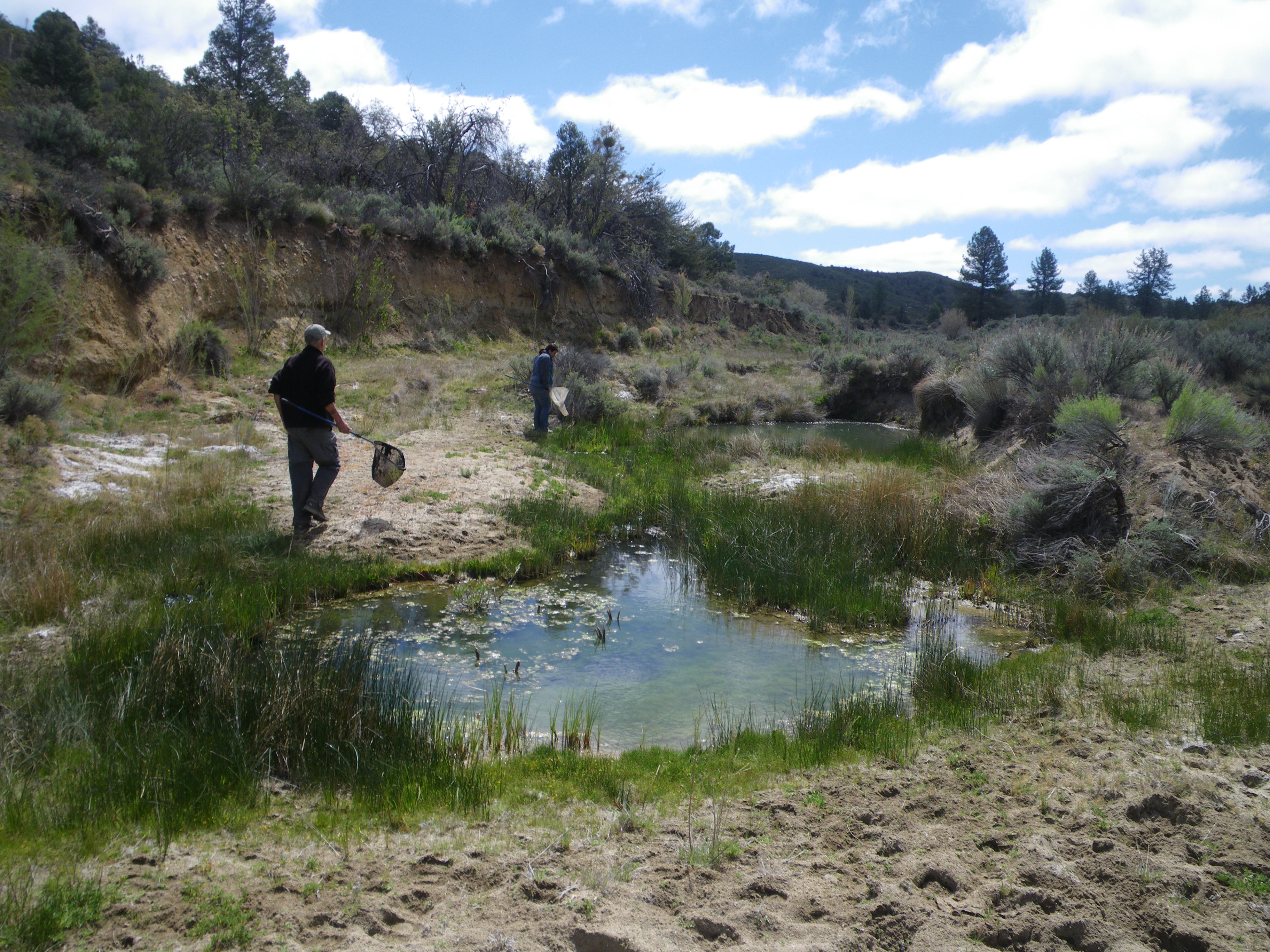
Effective species management requires knowledge of species distributions, but surveys for cryptic species near the boundaries of their geographical ranges can be difficult. We used environmental DNA (eDNA) and occupancy modeling to examine the distribution of Northern Red-legged Frogs (Rana aurora) and federally threatened California Red-legged Frogs (Rana draytonii) in a sample of 60 forested stream sites near where their ranges meet in southern Mendocino County, California, USA. For both species, the probability of occurrence (psi) in forest streams in our study area was very low: California Red-legged Frog psi was <https://0.01 (95% credible interval = <0.01-0.05), and Northern Red-legged Frog psi was https://0.07 (<0.02-0.15). DNA from both species was found at 1 pond site, suggesting either co-occurrence or introgression. Our results suggest that abundance, stream use, or both are very low for red-legged frogs in forested streams in southern Mendocino County.
Papers & Reports Occurrence of Batrachochytrium dendrobatidis in anurans of the Mediterranean region of Baja California, México
Authors: A Peralta-Garcia; Andrea J Adams; P Galina-Tessaro; Cheryl J Briggs; J Valdez-Villavicencio; B Hollingsworth; H B Shaffer; Robert N Fisher
Date: 2018-03-08 | Outlet: Diseases of Aquatic Organisms
Chytridiomycosis is caused by the fungal pathogen Batrachochytrium dendrobatidis (Bd) and is regarded as one of the most significant threats to global amphibian populations. In M?xico, Bd was first reported in 2003 and has now been documented in 13 states. We visited 33 localities and swabbed 199 wild-caught anurans from seven species (five native, two exotic) across the Mediterranean region of the state of Baja California. Using quantitative PCR, Bd was detected in 94 individuals (47.2% of samples) at 25 of the 33 survey localities for five native and one exotic frog species. Only the non-native Xenopus laevis tested negative for Bd. We found significant differences between mean Bd loads of different species, and that remoteness and distance to agricultural land were the best positive predictors of Bd prevalence. These are the first Bd-positive results for the state of Baja California and its presence should be regarded as an additional conservation threat to the region?s native frog species.
Papers & Reports Influence of damming on anuran species richness in riparian areas: A test of the serial discontinuity concept
Authors: J C Guzy; E A Eskew; Brian J Halstead; S J Price
Date: 2018-01-26 | Outlet: Ecology and Evolution
Almost all large rivers worldwide are fragmented by dams, and their impacts have been
modeled using the serial discontinuity concept (SDC), a series of predictions regarding
responses of key biotic and abiotic variables. We evaluated the effects of damming on
anuran communities along a 245-km river corridor by conducting repeated, timeconstrained
anuran calling surveys at 42 locations along the Broad and Pacolet Rivers
in South Carolina, USA. Using a hierarchical Bayesian analysis, we test the biodiversity
prediction of the SDC (modified for floodplain rivers) by evaluating anuran occupancy
and species diversity relative to dams and degree of urbanized land use. The mean
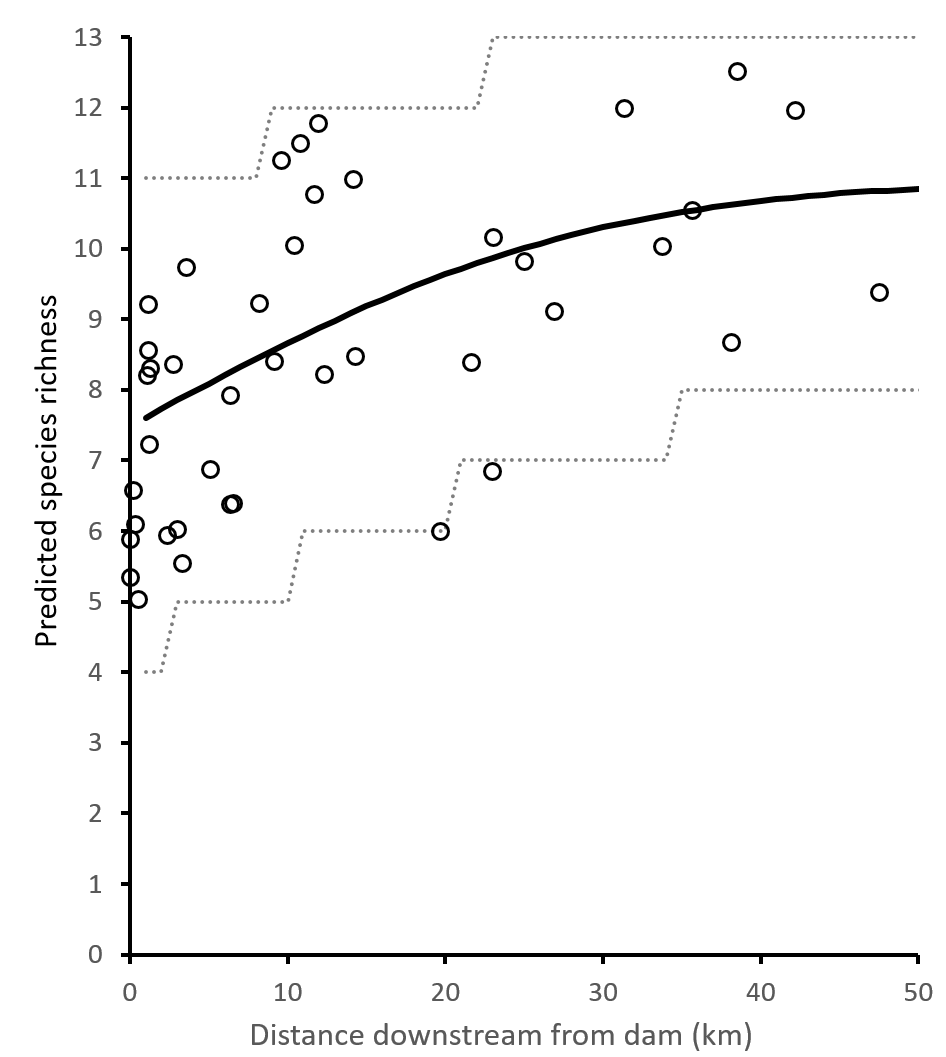
response of the anuran community indicated that occupancy and species richness
were maximized when sites were farther downstream from dams. Sites at the farthest
distances downstream of dams (47.5 km) had an estimated ~3 more species than
those just below dams. Similarly, species-specific occupancy estimates showed a trend
of higher occupancy downstream from dams. Synthesis and applications. Using empirical
estimation within the context of a 245-km river riparian landscape, our study supports
SDC predictions for a meandering river. We demonstrate that with increasing
distance downstream from dams, riparian anuran communities have higher species
richness. Reduced species richness immediately downstream of dams is likely driven
by alterations in flow regime that reduce or eliminate flows which sustain riparian
wetlands that serve as anuran breeding habitat. Therefore, to maintain anuran biodiversity,
we suggest that flow regulation should be managed to ensure water releases
inundate riparian wetlands during amphibian breeding seasons and aseasonal releases,
which can displace adults, larvae, and eggs, are avoided. These outcomes could be
achieved by emulating predam seasonal discharge data, mirroring discharge of an undammed
tributary within the focal watershed, or by basing real-time flow releases on
current environmental conditions
Papers & Reports An analytical framework for estimating aquatic species density from environmental DNA
Authors: Thierry C Chambert; David S Pilliod; Caren S Goldberg; H Doi; T Takahara
Date: 2018-03 | Outlet: Ecology and Evolution 8:3468-3477
Environmental DNA (eDNA) analysis of water samples is on the brink of becoming a standard monitoring method for aquatic species. This method has improved detection rates over conventional survey methods and thus has demonstrated effectiveness for estimation of site occupancy and species distribution. The frontier of eDNA applications, however, is to infer species density. Building upon previous studies, we present and assess a modeling approach that aims at inferring animal density from eDNA. The modeling combines eDNA and animal count data from a subset of sites to estimate species density (and associated uncertainties) at other sites where only eDNA data are available. As a proof of concept, we first perform a cross validation study using experimental data on carp in mesocosms. In these data, fish densities are known without error, which allows us to test the performance of the method with known data. We then evaluate the model using field data from a study on a stream salamander species to assess the potential of this method to work in natural settings, where density can never be known with absolute certainty. Two alternative distributions (Normal and Negative Binomial) to model variability in eDNA concentration data are assessed. Assessment based on the proof-of-concept data (carp) revealed that the Negative Binomial model provided much more accurate estimates than the model based on a Normal distribution, likely because eDNA data tend to be overdispersed. Greater imprecision was found when we applied the method to the field data, but the Negative Binomial model still provided useful density estimates. We call for further model development in this direction, as well as further research targeted at sampling design optimization. It will be important to assess these approaches on a broad range of study systems.
Papers & Reports Batrachochytrium salamandrivorans and the risk of a second amphibian pandemic
Authors: T if Yap; N at Nguyen; M eg Serr; Alexander Shepack; V T Vredenburg
Date: 2017-11-16 | Outlet: EcoHealth doi.org/10.1007/s10393-017-1278-1
Amphibians are experiencing devastating population declines globally. A major driver is chytridiomycosis, an emerging infectious disease caused by the fungal pathogens Batrachochytrium dendrobatidis (Bd) and Batrachochytrium salamandrivorans (Bsal). Bd was described in 1999 and has been linked with declines since the 1970s, while Bsal is a more recently discovered pathogen that was described in 2013. It is hypothesized that Bsal originated in Asia and spread via international trade to Europe, where it has been linked to salamander die-offs. Trade in live amphibians thus represents a significant threat to global biodiversity in amphibians. We review the current state of knowledge regarding Bsal and describe the risk of Bsal spread. We discuss regional responses to Bsal and barriers that impede a rapid, coordinated global effort. The discovery of a second deadly emerging chytrid fungal pathogen in amphibians poses an opportunity for scientists, conservationists, and governments to improve global biosecurity and further protect humans and wildlife from a growing number of emerging infectious diseases.
Papers & Reports Status of the Threatened Chiricahua Leopard Frog and Conservation Challenges in Sonora, Mexico, with Notes on Other Ranid Frogs and Non-native Predators
Authors: James C Rorabaugh; Blake R Hossack; Erin Muths; Brent H Sigafus; J A Lemos-Espinal
Date: 2018-04-30 | Outlet: Herpetological Conservation and Biology 13(1):17–32
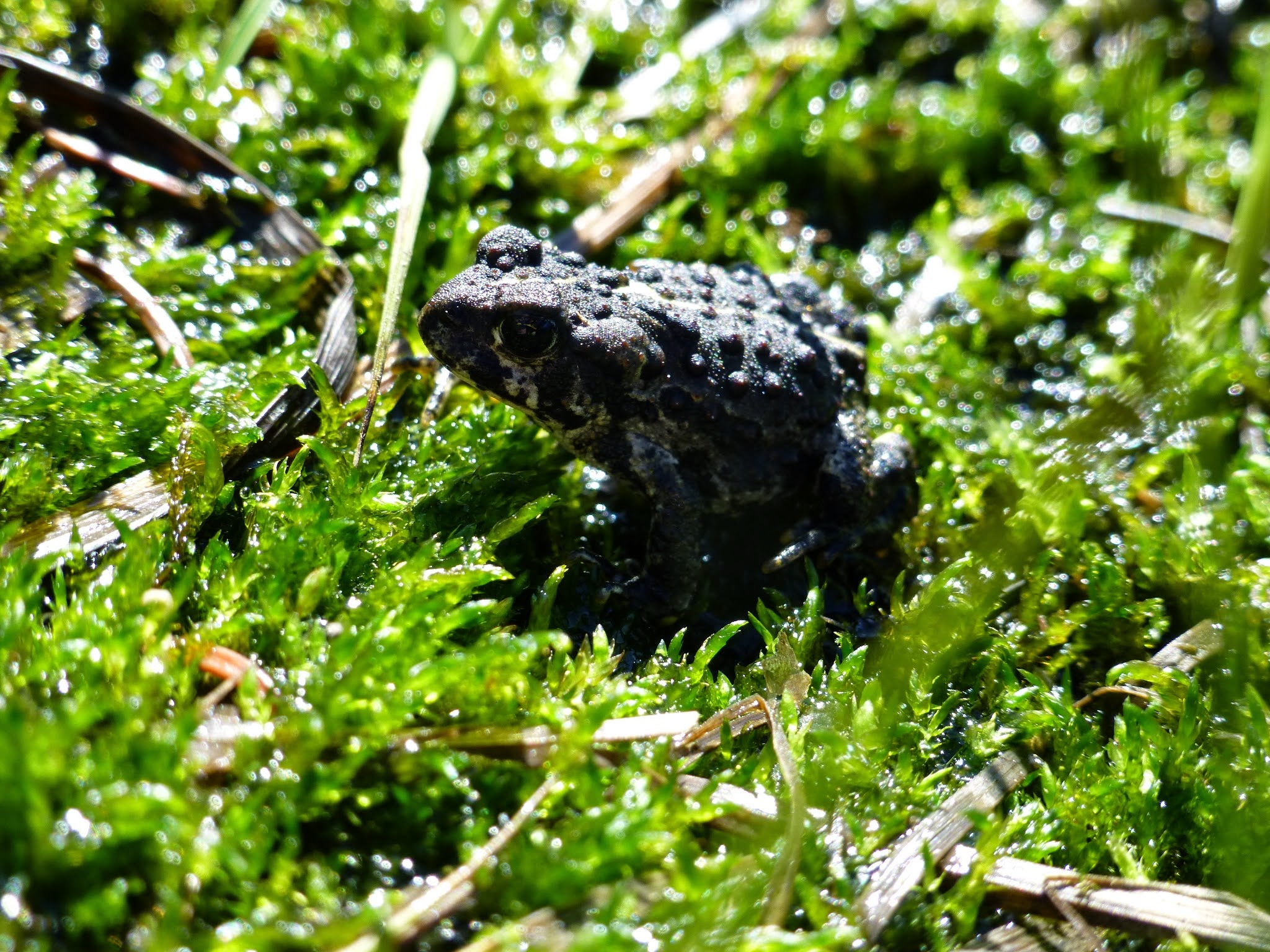
In North America, ranid frogs (Ranidae) have experienced larger declines than any other amphibian family, particularly species native to the southwestern USA and adjacent Mexico; however, our knowledge of their conservation status and threats is limited in Mexico. We assessed the status of the federally-threatened (USA) Chiricahua Leopard Frog (Lithobates chiricahuensis) in Sonora, Mexico, based on a search of museum specimens, published records, unpublished accounts, and surveys of 84 sites within the geographical and elevational range of the species from 2000-2016. We also provide information on occurrence of three other native ranid frog species encountered opportunistically during our surveys. The Chiricahua Leopard Frog is known in Sonora from only 20 historical (pre-2000) localities. Searches of three historical sites from 2000-2016 did not reveal any Chiricahua Leopard Frogs; however, we found it at three previously undocumented sites in 2016, all near Cananea. To our knowledge, these records are the first observations of Chiricahua Leopard Frogs in Sonora since 1998. Differences in conservation status between the USA and Sonora are likely due to differing magnitude and distribution of threats and a comparatively aggressive recovery program in the USA. For example, key non-native predators important in the decline of the Chiricahua Leopard Frog are much less widespread in Sonora compared to the USA Southwest, but there are fewer protections and recovery actions for the frog in Sonora than in the USA. Additional surveys for the Chiricahua Leopard Frog and other amphibians in Sonora should be a priority to fully assess threats and conservation status.
Papers & Reports Design- and model-based recommendations for detecting and quantifying an amphibian pathogen in environmental samples
Authors: Brittany A Mosher; Kathryn P Huyvaert; T Chestnut; Jacob L Kerby; J D Madison; Larissa L Bailey
Date: 2017-12 | Outlet: Ecology and Evolution
Accurate pathogen detection is essential for developing management strategies to address emerging infectious diseases, an increasingly prominent threat to wildlife. Sampling for free-living pathogens outside of their hosts has benefits for inference and study efficiency, but is still uncommon. We used a laboratory experiment to evaluate the influences of pathogen concentration, water type, and qPCR inhibitors on the detection and quantification of Batrachochytrium dendrobatidis (Bd) using water filtration. We compared results pre- and post-inhibitor removal, and assessed inferential differences when single versus multiple samples were collected across space or time. We found that qPCR inhibition influenced both Bd detection and quantification in natural water samples, resulting in biased inferences about Bd occurrence and abundance. Biases in occurrence could be mitigated by collecting multiple samples in space or time, but biases in Bd quantification were persistent. Differences in Bd concentration resulted in variation in detection probability, indicating that occupancy modeling could be used to explore factors influencing heterogeneity in Bd abundance among samples, sites, or over time. Our work will influence the design of studies involving amphibian disease dynamics and studies utilizing environmental DNA (eDNA) to understand species distributions.
News & Stories Saving amphibians from a deadly fungus means acting without knowing all the answers
Authors: Brittany A Mosher; B D Gerber; Larissa L Bailey
September 20, 2017

The calls of frogs on warm nights in the spring are a welcome sound, telling listeners that the seasons are changing and summer is coming. Today, however, ponds that once echoed with the chirps, chuckles and calls of frogs and toads are falling silent around the world.

This loss is worrying. Amphibians are the environment's canaries in the coal mine. Their declines provide early warning signs to scientists that stressors like habitat loss, climate change, pollution and disease are making ecosystems unhealthy. Without amphibians, insect and algae populations multiply, causing cascading effects on other organisms ? including humans...

Read full article here: https://theconversation.com/saving-amphibians-from-a-deadly-fungus-means-acting-without-knowing-all-the-answers-81739

Associated ARMI publication: https://armi.usgs.gov/search/results.php?productid=184774
News & Stories Interpretive sign highlighting the federally threatened Chiricahua Leopard Frog debuts at Buenos Aires National Wildlife Refuge
Authors: Erin Muths; Brent H Sigafus; Blake R Hossack; P E Howell
August 21, 2017

An interpretive sign was installed on August 1st, 2017 near the headquarters and visitor information office at Buenos Aires National Wildlife Refuge (BANWR, Sasabe, Arizona). The sign provides information on the federally-threatened Chiricahua Leopard Frog (Lithobates chiricahuensis) and is located next to an example of typical habitat (a cienaga). In addition to the biology and behavior of this desert frog, the sign gives a friendly reminder to brake for amphibians on Refuge roads, especially during the summer monsoon season when amphibians are more likely to be moving between habitats; in the desert, as for many animals, the cienagas and cattle tanks retain water and are key refuges during drought.

This interpretive sign, the first highlighting an amphibian on BANWR, was originally designed to educate visitors about the Chiricahua Leopard Frog, but the sign has become a template and an inspiration for further educational efforts. Additional signs are in the works at BANWR to provide interpretive information along a planned nature walk near Refuge headquarters and at the flight pen for the federally endangered Masked Bobwhite Quail. Based on the design of the Chiricahua Leopard Frog sign, interpretive information is being created to highlight all of the diverse flora and fauna at BANWR and give the visitor a better idea of the complex and interconnected lives of the organisms they might encounter as they enjoy the scenery and arid landscape of the Refuge.

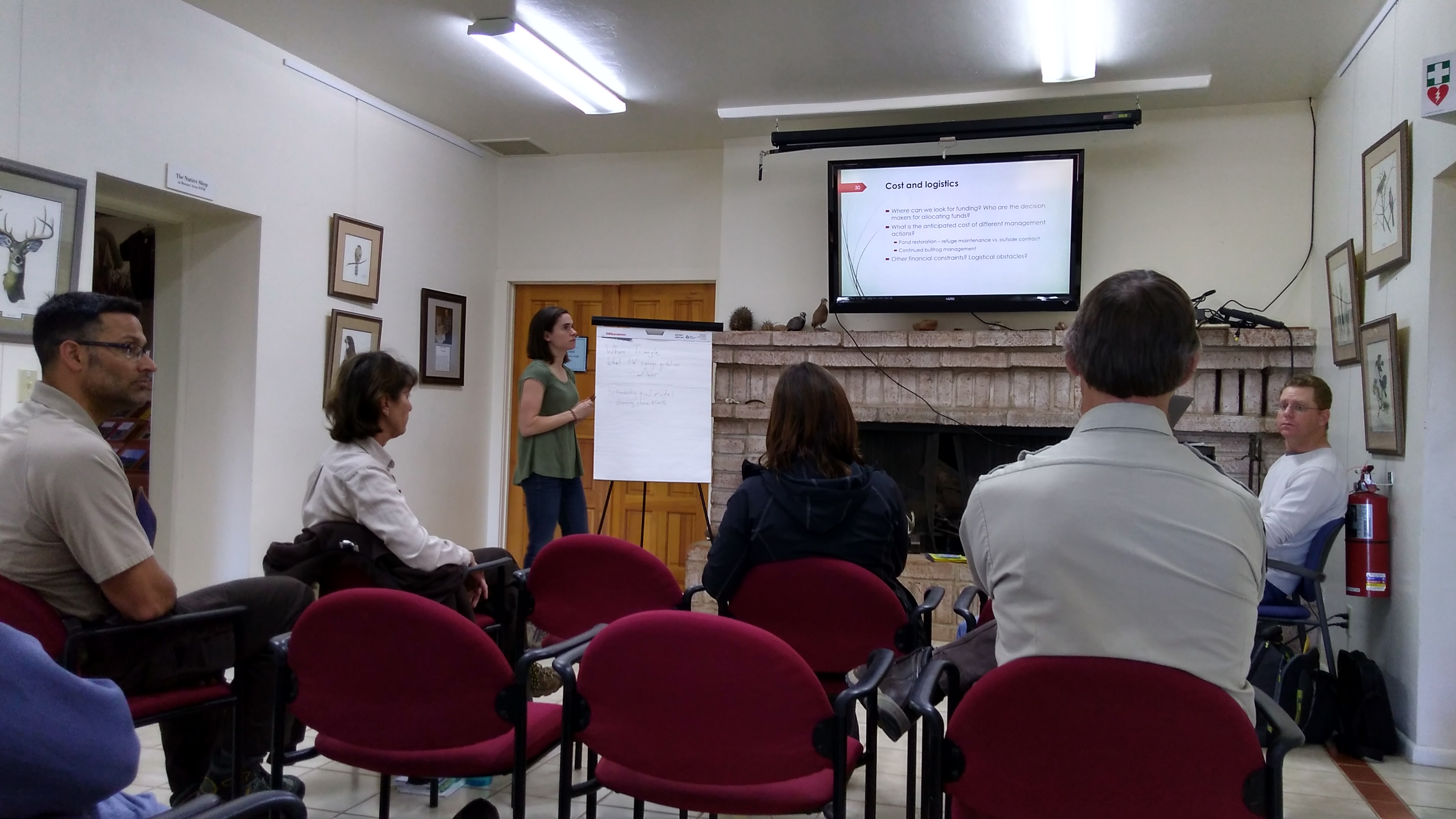
The Chiricahua Leopard Frog interpretive sign was a concept initiated during a stakeholder meeting in February 2017, at BANWR, where decision science methods were applied to discuss refuge priorities (e.g., Chiricahua Leopard Frog conservation, general refuge management). Stakeholders included personnel from U.S. Fish and Wildlife Service, Arizona Game and Fish Department, U.S. Geological Survey, and the University of Georgia. The sign was designed through collaborative effort among those entities and funded via Jones-Lovich grant in Southwestern Herpetology from the Herpetologists' League. Work on declining amphibians at BANWR and the Borderlands was initiated by Cecil Schwalbe (USGS, ARMI-retired) and has been continued by Brent Sigafus, Blake Hossack and Erin Muths (Rocky Mountain and Southwest ARMI).

Papers & Reports A Survey of the Amphibians of Savannah National Wildlife Refuge, South Carolina and Georgia, U.S.A.
Authors: Kenneth C Dodd; William J Barichivich
Date: 2017-12-01 | Outlet: Southeastern Naturalist 16(4):529-545
rom 2004 to 2006, we used a variety of sampling techniques to survey the amphibians of Savannah National Wildlife Refuge (SNWR), a large protected area straddling the lower portions of the Savannah River on the border between South Carolina and Georgia, USA. We documented 22 amphibian species, 15 frogs and 7 salamanders, with a possible 23rd species present. Species richness was lower than what might be expected from amphibian field guides, likely due to a lack of specialized habitats, such as temporary ponds and upland pine forest, for many of the species inhabiting the adjacent Coastal Plain. Amphibians occupied a variety of habitats and appeared tolerant of the mildly acidic and low oxygen conditions of many of the wetlands. Although additional species may be found at SNWR, this initial survey provides a historic baseline for monitoring amphibian populations as areas adjacent to the refuge are disturbed, the climate changes, and as multi-use management objectives are implemented within refuge boundaries.
Papers & Reports Imperfect pathogen detection from non-invasive skin swabs biases disease inference
Authors: Graziella V DiRenzo; Evan HC Grant; A V Longo; C Che-Castaldo,; K R Zamudio; Karen R Lips
Date: 2017-08-12 | Outlet: Methods in Ecology and Evolution
1. Conservation managers rely on accurate estimates of disease parameters, such as pathogen prevalence and infection intensity, to assess disease status of a host population. However, these disease metrics may be biased if low-level infection intensities are missed by sampling methods or laboratory diagnostic tests. These false negatives underestimate pathogen prevalence and overestimate mean infection intensity of infected individuals.

2. Our objectives were two-fold. First, we quantified false negative error rates of Batrachochytrium dendrobatidis on non-invasive skin swabs collected from an amphibian community in El Cop?, Panama. We swabbed amphibians twice in sequence, and we used a recently developed hierarchical Bayesian estimator to assess disease status of the population. Second, we developed a novel hierarchical Bayesian model to simultaneously account for imperfect pathogen detection from field sampling and laboratory diagnostic testing. We evaluated the performance of the model using simulations to quantify the magnitude of bias in estimates of pathogen prevalence and infection intensity.

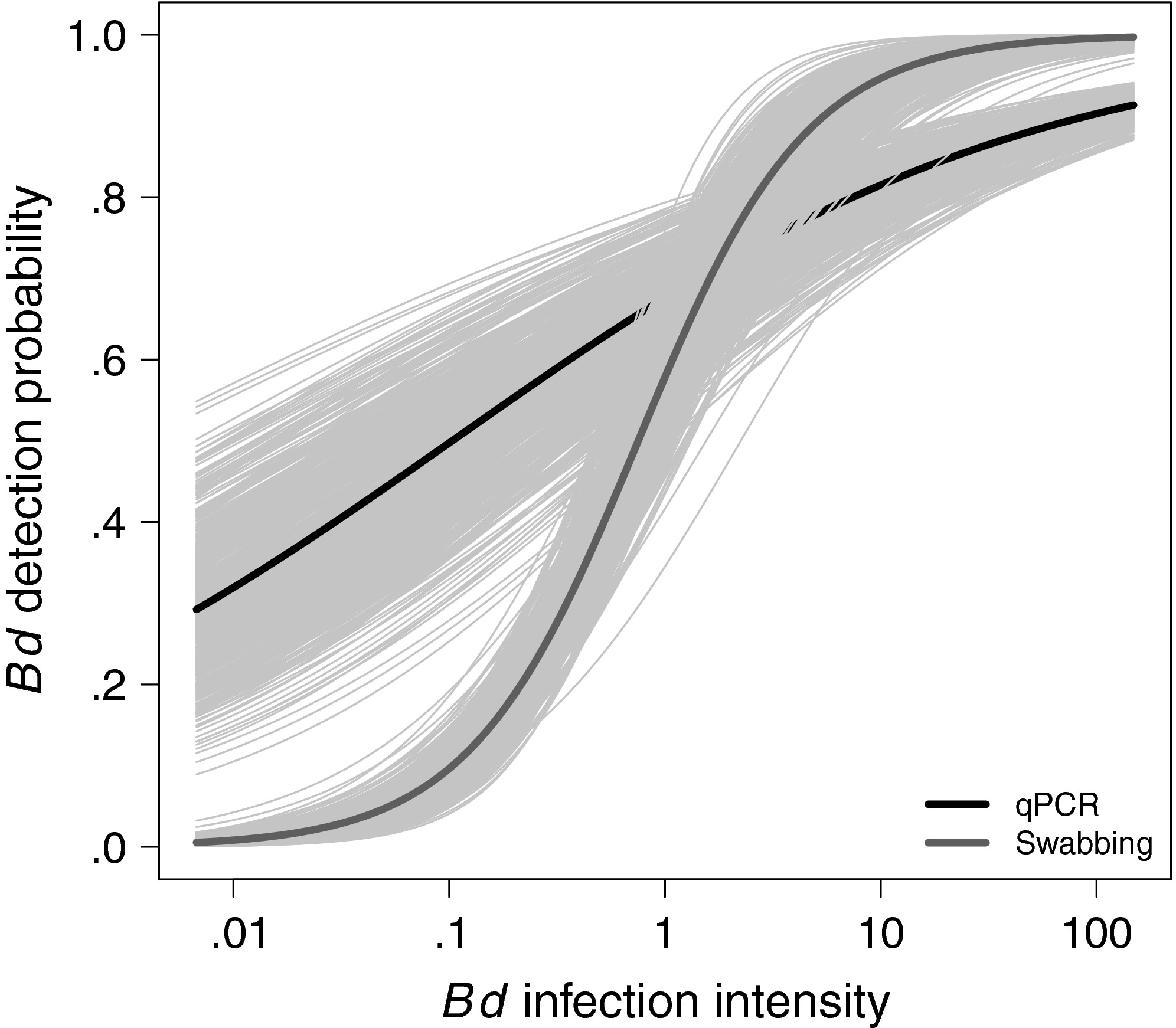
3. We show that Bd detection probability from skin swabs was related to host infection intensity, where Bd infections < 10 zoospores have < 95 % probability of being detected. If imperfect Bd detection was not considered, then Bd prevalence was underestimated by as much as 16%. In the Bd-amphibian system, this indicates a need to correct for imperfect pathogen detection. More generally, our results have implications for study designs in other disease systems, particularly those with similar objectives, biology, and sampling decisions.

4. Uncertainty in pathogen detection is an inherent property of most sampling protocols and diagnostic tests, where the magnitude of bias depends on the study system, type of infection, and false negative error rates. Given that it may be difficult to know this information in advance, we advocate that the most cautious approach is to assume all errors are possible and to accommodate them by adjusting sampling designs. The modeling framework presented here improves the accuracy in estimating pathogen prevalence and infection intensity.
Papers & Reports A pesticide paradox: Fungicides indirectly increase fungal infections
Authors: J R Rohr; Jesslyn F Brown; William A Battaglin; T A McMahon; Rick A Relyea
Date: 2017-07-28 | Outlet: Ecological Applications, in press DOI: 10.1002/eap.1607
Abstract. There are many examples where the use of chemicals have had profound unanticipated consequences, such as fertilizers reducing crop yields (paradox of enrichment) and insecticides increasing insect pests (by reducing natural biocontrol). Recently, the application of agrochemicals, such as agricultural disinfectants and fungicides, has been explored as an approach to curb the pathogenic fungus, Batrachochytrium dendrobatidis (Bd), which is associated with worldwide amphibian declines. However, the long-term, net effects of early-life exposure to these chemicals on amphibian disease risk have not been thoroughly investigated. Using a combination of laboratory experiments and analysis of data from the literature, we explored the effects of fungicide exposure on Bd infections in two frog species. Extremely low concentrations of the fungicides azoxystrobin, chlorothalonil, and mancozeb were directly toxic to Bd in culture. However, estimated environmental concentrations of the fungicides did not reduce Bd on Cuban tree frog (Osteopilus septentrionalis) tadpoles exposed simultaneously to any of these fungicides and Bd, and fungicide exposure actually increased Bd-induced mortality. Additionally, exposure to any of these fungicides as tadpoles resulted in higher Bd abundance and greater Bd-induced mortality when challenged with Bd post-metamorphosis, an average of 71 days after their last fungicide exposure. Analysis of data from the literature revealed that previous exposure to the fungicide itraconazole, which is commonly used to clear Bd infections, made the critically endangered booroolong frog (Litoria booroolongensis) more susceptible to Bd. Finally, a field survey revealed that Bd prevalence was positively associated with concentrations of fungicides in ponds. Although fungicides show promise for controlling Bd, these results suggest that, if fungicides do not completely eradicate Bd or if Bd re-colonizes, exposure to fungicides has the potential to do more harm than good. To ensure that fungicide applications have the intended consequence of curbing amphibian declines, researchers must identify which fungicides do not compromise the pathogen resistance mechanisms of amphibians.
Papers & Reports Widespread Legacy Brine Contamination from Oil Production Reduces Survival of Chorus Frog Larvae
Authors: Blake R Hossack; H J Puglis; William A Battaglin; Chauncey W Anderson; R K Honeycutt; Kelly L Smalling
Outlet: Environmental Pollution
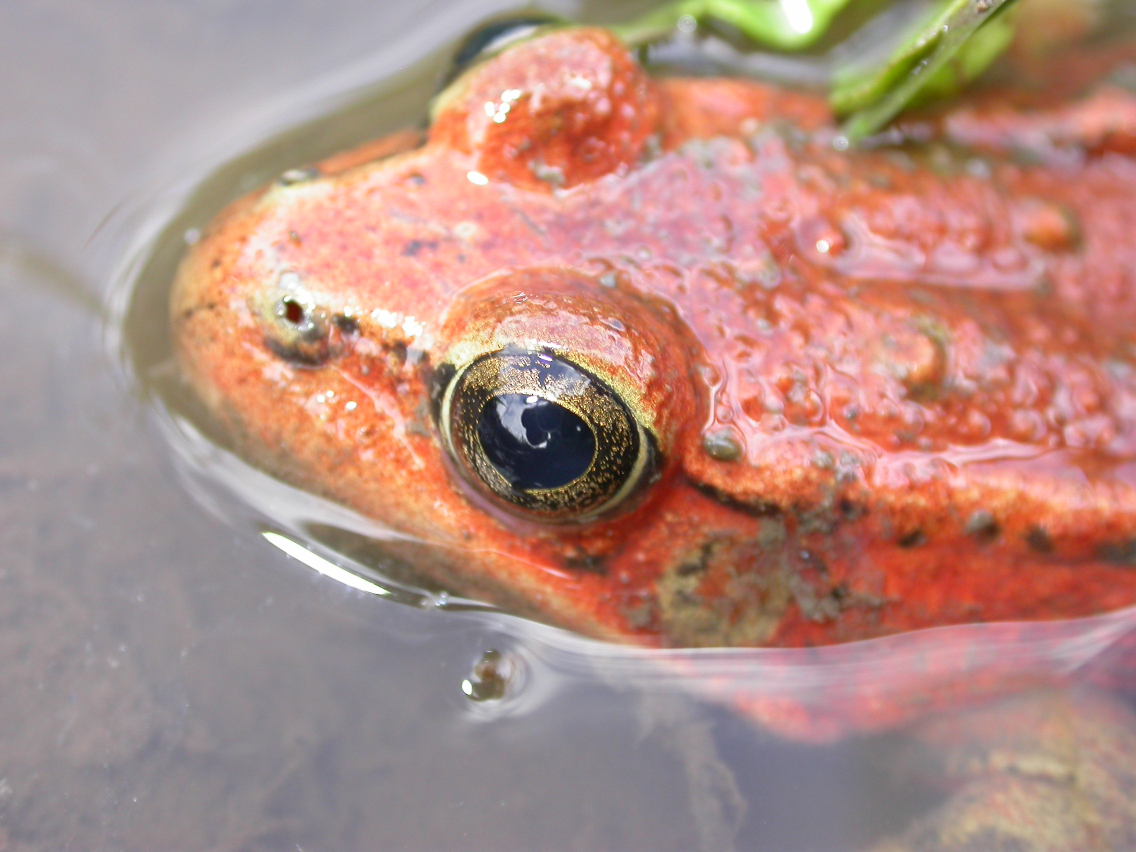
Advances in drilling techniques have facilitated a rapid increase in hydrocarbon extraction from energy shales, including the Williston Basin in central North America. This area overlaps with the Prairie Pothole Region, a region densely populated with wetlands that provide numerous ecosystem services. Historical (legacy) disposal practices often released saline co-produced waters (brines) with high chloride concentrations, affecting wetland water quality directly or persisting in sediments. Despite the potential threat of brine contamination to aquatic habitats, there has been little research into its ecological effects. We capitalized on a gradient of legacy brine-contaminated wetlands in northeast Montana to conduct laboratory experiments to assess variation in survival of larval Boreal Chorus Frogs (Pseudacris maculata) reared on sediments from 3 local wetlands and a control source. To help provide environmental context for the experiment, we also measured chloride concentrations in 6 brine-contaminated wetlands in our study area, including the 2 contaminated sites used for sediment exposures. Survival of frog larvae during 46- and 55-day experiments differed by up to 88% among sediment sources (Site Model) and was negatively correlated with potential chloride exposure (Chloride Model). Five of the 6 contaminated wetlands exceeded the U.S. EPA acute benchmark for chloride in freshwater (860 mg/L) and all exceeded the chronic benchmark (230 mg/L). However, the Wetland Site model explained more variation in survival than the Chloride Model, suggesting that chloride concentration alone does not fully reflect the threat of contamination to aquatic species. Because the profiles of brine-contaminated sediments are complex, further surveys and experiments are needed across a broad range of conditions, especially where restoration or remediation actions have reduced brine-contamination. Information provided by this study can help quantify potential ecological threats and help land managers prioritize conservation strategies as part of responsible and sustainable energy development.
Papers & Reports Population Trends, Survival, and Sampling Methodologies for a Population of Rana draytonii
Authors: Gary M Fellers; Patrick M Kleeman; David AW Miller; Brian J Halstead
Date: 2017-11-09 | Outlet: Journal of Herpetology 51:567-573
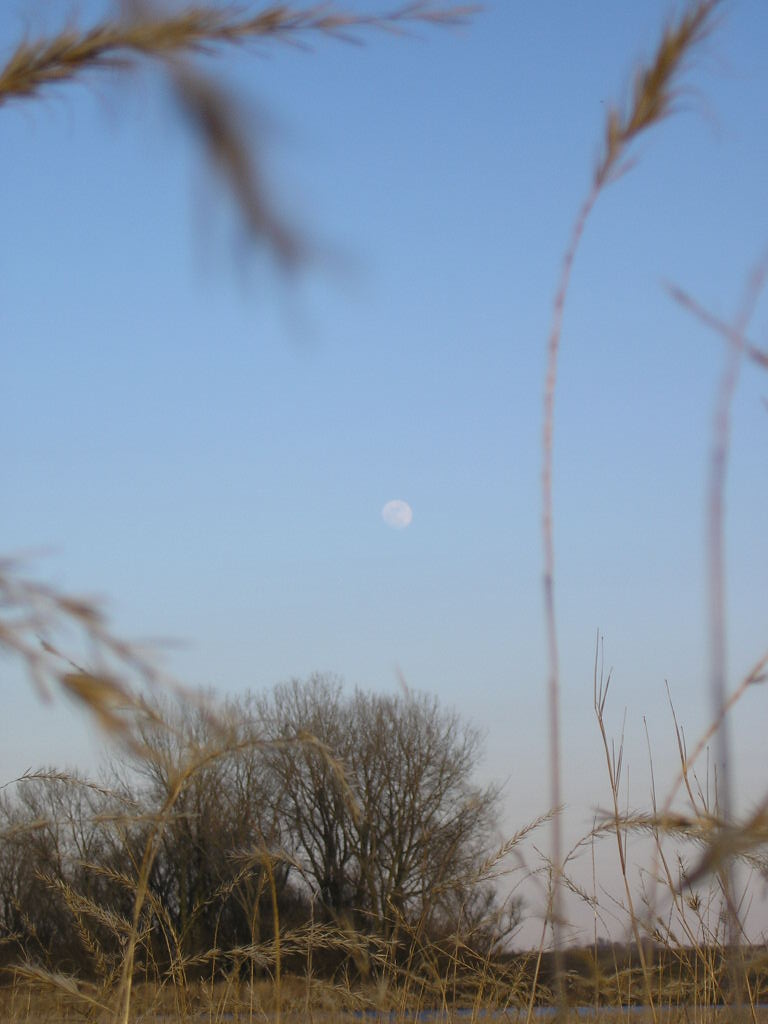
Estimating population trends provides valuable information for resource managers, but monitoring programs face trade-offs between the quality and quantity of information gained and the number of sites surveyed. We compared the effectiveness of monitoring techniques for estimating population trends of Rana draytonii at Point Reyes National Seashore, California, USA, over a 13-year period. Our primary goals were 1) to estimate trends for a focal pond at Point Reyes National Seashore, and 2) to evaluate whether egg mass counts could reliably estimate an index of abundance relative to more intensive capture-mark-recapture methods. Capture-mark-recapture surveys of males indicated a stable population from 2005 through 2009, despite low annual apparent survival (26.3%). Egg mass counts from 2000 through 2012 indicated that despite some large fluctuations, the breeding female population was generally stable or increasing, with annual abundance varying between 26 and 130 individuals. Minor modifications to egg mass counts, such as marking egg masses, can allow estimation of egg mass detection probabilities necessary to convert counts to abundance estimates, even when closure of egg mass abundance cannot be assumed within a breeding season. High egg mass detection probabilities (mean per-survey detection probability = https://0.98 [0.89-0.99]) indicate that egg mass surveys can be an efficient and reliable method for monitoring population trends of federally threatened R. draytonii. Combining egg mass surveys to estimate trends at many sites with capture-mark-recapture methods to evaluate factors affecting adult survival at focal populations is likely a profitable path forward to enhance understanding and conservation of R. draytonii.
Papers & Reports Factors Influencing Anuran Wetland Occupancy in an Agricultural Landscape
Authors: J Swanson; Clay L Pierce; S Dinsmore; Kelly L Smalling; M Vandever; T Steward; Erin Muths
Date: 2018 | Outlet: Herpetologica
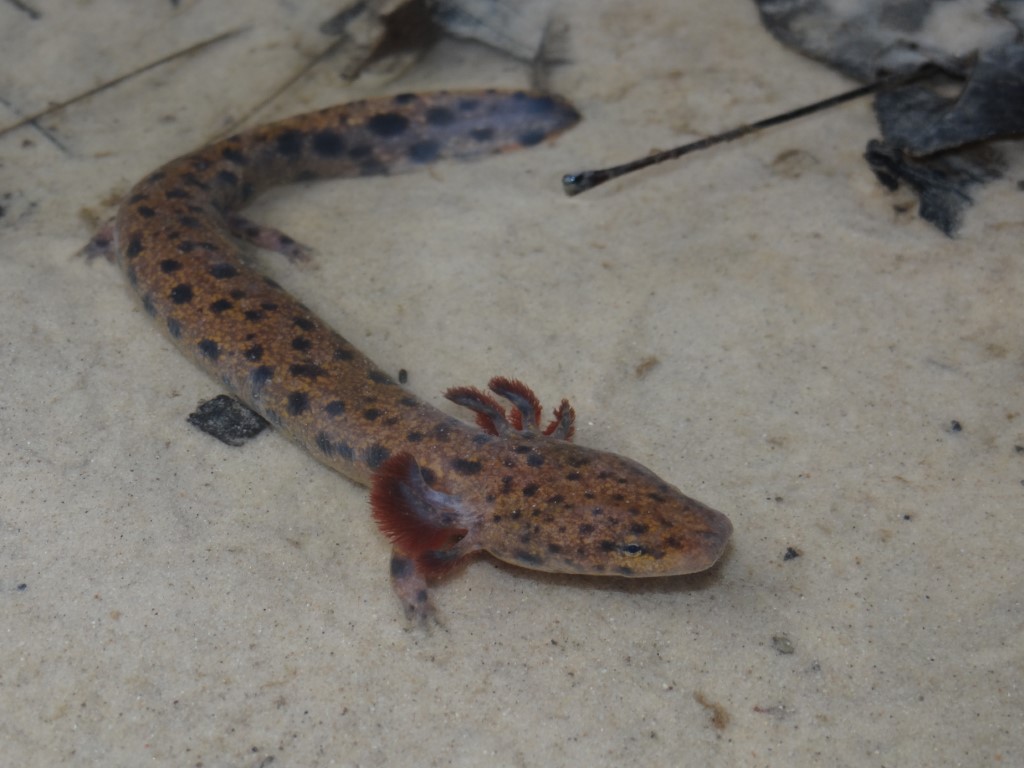
Habitat disturbance is an important cause of global amphibian declines, with especially strong effects in areas of high agricultural use. Determining the influence of site characteristics on amphibian presence and success is vital to developing effective conservation strategies. We used occupancy analysis to estimate presence of four anuran species at wetlands in northern Iowa as a function of eight environmental covariates hypothesized to affect occupancy: fish abundance, salamander abundance, invertebrate density, aquatic vegetative cover, wetland area, atrazine concentration in water, surrounding crop land use, and an overall wetland health score. We surveyed 27 wetlands in 2015 and 2016. Wetland site occupancy for all species in our study ranged from https://0.23 (Hyla spp. tadpoles) to https://0.95 (L. pipiens adults), indicating agricultural wetlands can provide refuge or habitat for amphibians. Detection probabilities ranged from https://0.13 (P. maculata adults) to https://0.61 (A. americanus adults). Fish abundance, percent of surrounding cropland within 500 m of the wetland, and salamander abundance were among the variables best supported in our model sets although their estimated effects were weak. The direction of predicted effects varied by species and life stage.Although we did not find strong evidence that the environmental factors we measured influenced amphibian populations in our study, we provide insight for managers and researchers on how amphibians use a landscape modified by agriculture.
Papers & Reports Characterization of microsatellite loci for the Gulf Coast waterdog (Necturus beyeri) using paired-end Illumina shotgun sequencing and cross-amplification in other Necturus
Authors: J Y Lamb; B R Kreiser; Hardin J Waddle; C P Qualls
Date: 2017-12-01 | Outlet: Herpetological Review 48:758-763
Papers & Reports A new framework for analyzing automated acoustic species-detection data: occupancy estimation and optimization of recordings post-processing
Authors: Thierry C Chambert; Hardin J Waddle; David AW Miller; Susan C Walls; J D Nichols
Date: 2017-10-05 | Outlet: Methods in Ecology and Evolution
Papers & Reports Identifying Species Conservation Strategies to Reduce Disease-Associated Declines
Authors: B D Gerber; S J Converse; Erin Muths; H Crockett; Brittany A Mosher; Larissa L Bailey
Date: 2017 | Outlet: Conservation Letters
Emerging infectious diseases (EIDs) are a salient threat to many animal taxa, causing local and global extinctions, altering communities and ecosystem function. The EID chytridiomycosis is a prominent driver of amphibian declines, which is caused by the fungal pathogen Batrachochytrium dendrobatidis (Bd). To guide conservation policy, we developed a predictive decision-analytic model that combines empirical knowledge of host-pathogen metapopulation dynamics with expert judgment regarding effects of management actions, to select from potential conservation strategies. We apply our approach to a boreal toad (Anaxyrus boreas boreas) and Bd system, identifying optimal strategies that balance tradeoffs in maximizing toad population persistence and landscape-level distribution, while considering costs. The most robust strategy is expected to reduce the decline of toad breeding sites from 53% to 21% over 50 years. Our findings are incorporated into management policy to guide conservation planning. Our online modeling application provides a template for managers of other systems challenged by EIDs.
Papers & Reports Range position and climate sensitivity: the structure of among-population demographic responses to climate variation
Authors: Staci M Amburgey; David AW Miller; G ra Campbell; Tracy A. Rittenhouse; Michael F Benard; Jonathan L Richardson; Mark C Urban; Ward Hughson; Adrianne B Brand; Christopher J Davis; Carmen R Hardin; Peter WC Paton; Christopher J Raithel; Rick A Relyea; A Fl Scott; David K Skelly; Dennis E Skidds; Charles K Smith; Earl E Werner