
Search ARMI Database

Search term(s)

Filter search results with:


To view all contents, leave all fields blank and click "Search" button.

Contribution Number


Search Results

1290 record(s) found.
News & Stories New WV vernal pool community science program collaborates with ARMI scientists
Authors: Adrianne B Brand
December 19, 2022

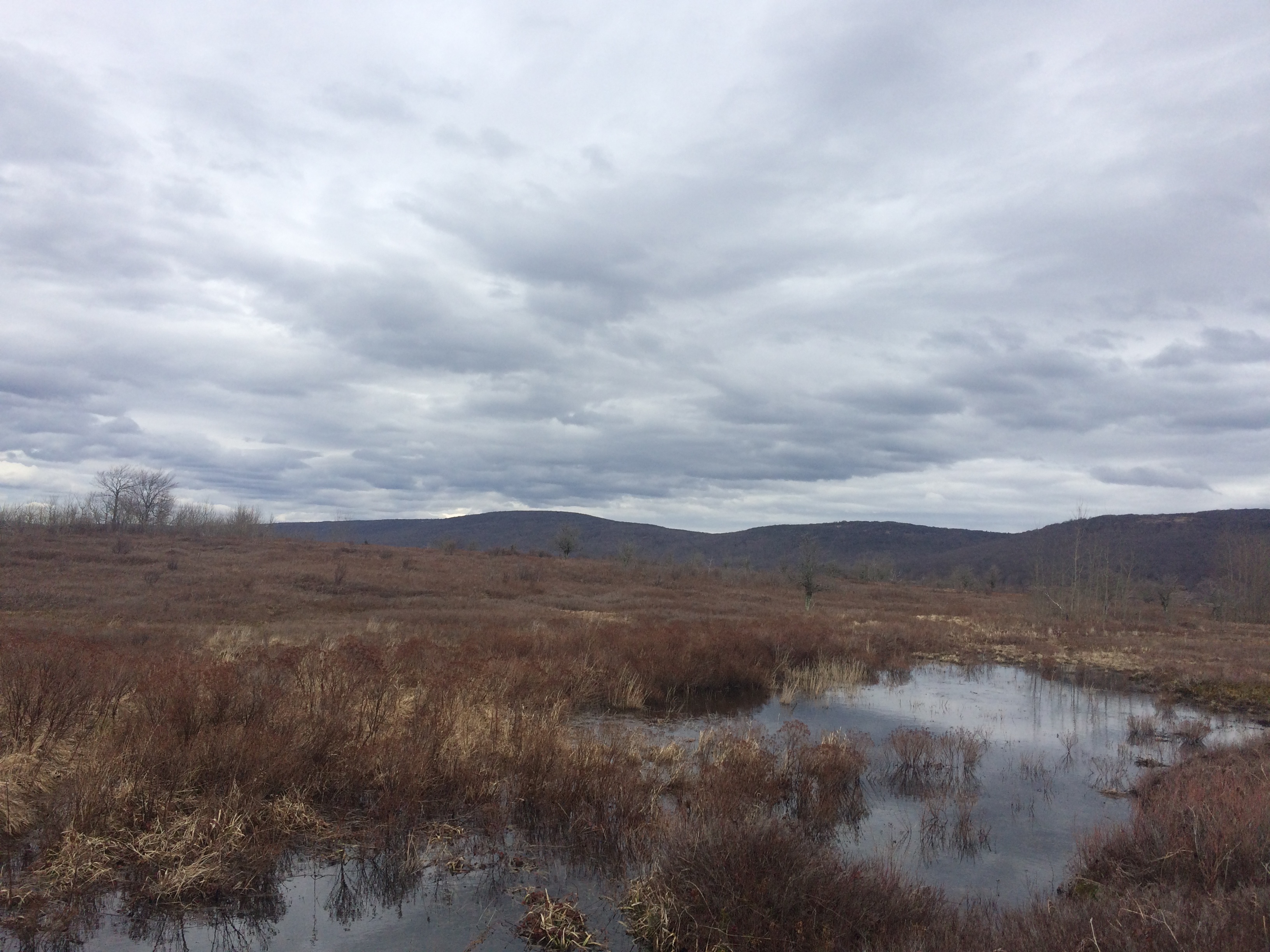
ARMI scientists have been collaborating with West Virginia’s Department of Environmental Protection and WV Division of Natural Resources to inform development of a Vernal Pool Mapping and Monitoring initiative which aims to engage community volunteers in wetland science. Startup and initial costs were funded by a grant received by WVDEP, and the program aims to mirror success of the WV Save Our Streams volunteer-based program and expand knowledge of vernal pools in the state. The program objectives are to increase public understanding of wetlands functions and values, improve knowledge of the location and extent of wetlands, and engage public participation in wetland policy, conservation, and restoration. Starting in 2023, volunteers will visit pools 1-3 times per year, submit photos of the pool and any observed amphibians to the WV iNaturalist project, and complete datasheets to document habitat conditions, species observed, and water levels at their assigned pools. ARMI scientists will continue to collaborate with the program to advise on data collection protocols, site selection, and provide opportunities for volunteers to engage with ARMI science occurring in wetlands across the northeast.
News & Stories Decision makers collaborate to address multiple threats to endemic salamander
Authors: Molly Bletz; Evan HC Grant
November 30, 2022

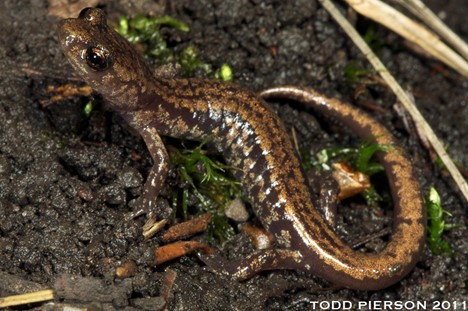
Salamanders in the US are at risk from the impending arrival of a novel chytrid fungus Batrachochytrium salamandrivorans (Bsal). In New Mexico, the state’s Department of Game and Fish and the US Forest Service are concerned about the risk this emerging pathogen poses to the state-threatened, endemic Sacramento Mountain salamander – Aneides hardii. Drought, warming temperatures, and increased risk of stand-replacing fires are a compounding and critical factors for the persistence of A. hardii populations. Wildlife disease problems are complex and require purposeful thinking and directed application of science to best optimize manger decision making. Since fall 2021, ARMI researchers E. Grant, M. Bletz have been leading a series of structured decision-making workshops with state, US Forest Service and Mescalero tribe decision makers and science experts in amphibian ecology and disease, including ARMI scientist E. Muths. They are working with this group to frame the problem, identify management objectives and possible management actions and to identify where and how science can reduce critical uncertainties pertinent to the manager’s decision to, in turn, identify the best course of action for the salamander threatened by disease and increased fire.
Papers & Reports Keeping the Heat On: Weighted Surveillance for Chytrid Fungus in Dixie Valley Toads
Authors: Matthew J Forrest; Brian J Halstead; Daniel A Grear; Patrick M Kleeman; Brian D Todd; Oliver J Miano; Kris Urquhart
Date: 2023-07-24 | Outlet: Journal of Wildlife Diseases
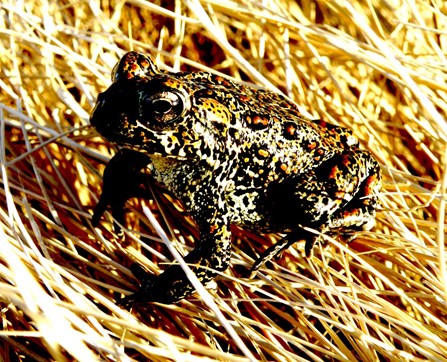
Introduced fungal pathogens have caused declines and extinctions of naive wildlife populations across vertebrate classes. Consequences of introduced pathogens to hosts with small ranges might be especially severe because of limited redundancy to rescue populations and lower abundance that may limit the resilience of populations to perturbations like disease introduction. As a complement to biosecurity measures to prevent the spread of pathogens, surveillance programs may enable early detection of pathogens, when management actions to limit the effects of pathogens on naïve hosts might be most bene?cial. We analyzed surveillance data for the endangered and narrowly endemic Dixie Valley toad (Anaxyrus [= Bufo] williamsi) from two time periods (2011–2014 and 2019–2021) to estimate the minimum detectable prevalence of the amphibian fungal pathogen Batrachochytrium dendrobatidis (Bd). We assessed if detection ef?ciency could be improved by using samples from both Dixie Valley toads and co-occurring introduced American bullfrogs (Lithobates catesbeianus) and literature-derived surveillance weights. We further evaluated a weighted surveillance design to increase the efficiency of surveillance efforts for Bd within the toad’s small (<6km2) range. We found that monitoring adult and larval American bullfrogs would probably detect Bd more ef?ciently than monitoring Dixie Valley toads alone. Given that no Bd was detected, minimum detectable prevalence of Bd was <3% in 2011–2014, and <5% (Dixie Valley toads only) and <10% (American bullfrogs only) in 2019–2021. Optimal management for Bd depends on the mechanisms underlying its apparent absence from the range of Dixie Valley toads, but a balanced surveillance scheme that includes sampling American bullfrogs to increase the likelihood of detecting Bd, and adult Dixie Valley toads to ensure broad spatial coverage where American bullfrogs do not occur, would probably result in ef?cient surveillance, which might permit timely management of Bd if it is detected.
Papers & Reports Abiotic and biotic factors reduce the viability of a high-elevation salamander in its native range
Authors: Evan HC Grant; Graziella V DiRenzo; Adrianne B Brand
Date: 2023-05-20 | Outlet: Journal of Applied Ecology
1. Amphibian populations are undergoing worldwide declines, and high-elevation, range-restricted amphibian species may be particularly vulnerable to environmental stressors. In particular, future climate change may have disproportional impacts to these ecosystems. Evaluating the combined effects of abiotic changes and biotic interactions simultaneously is important for forecasting the range of future outcomes. This information is necessary to aid conservation decision-making.
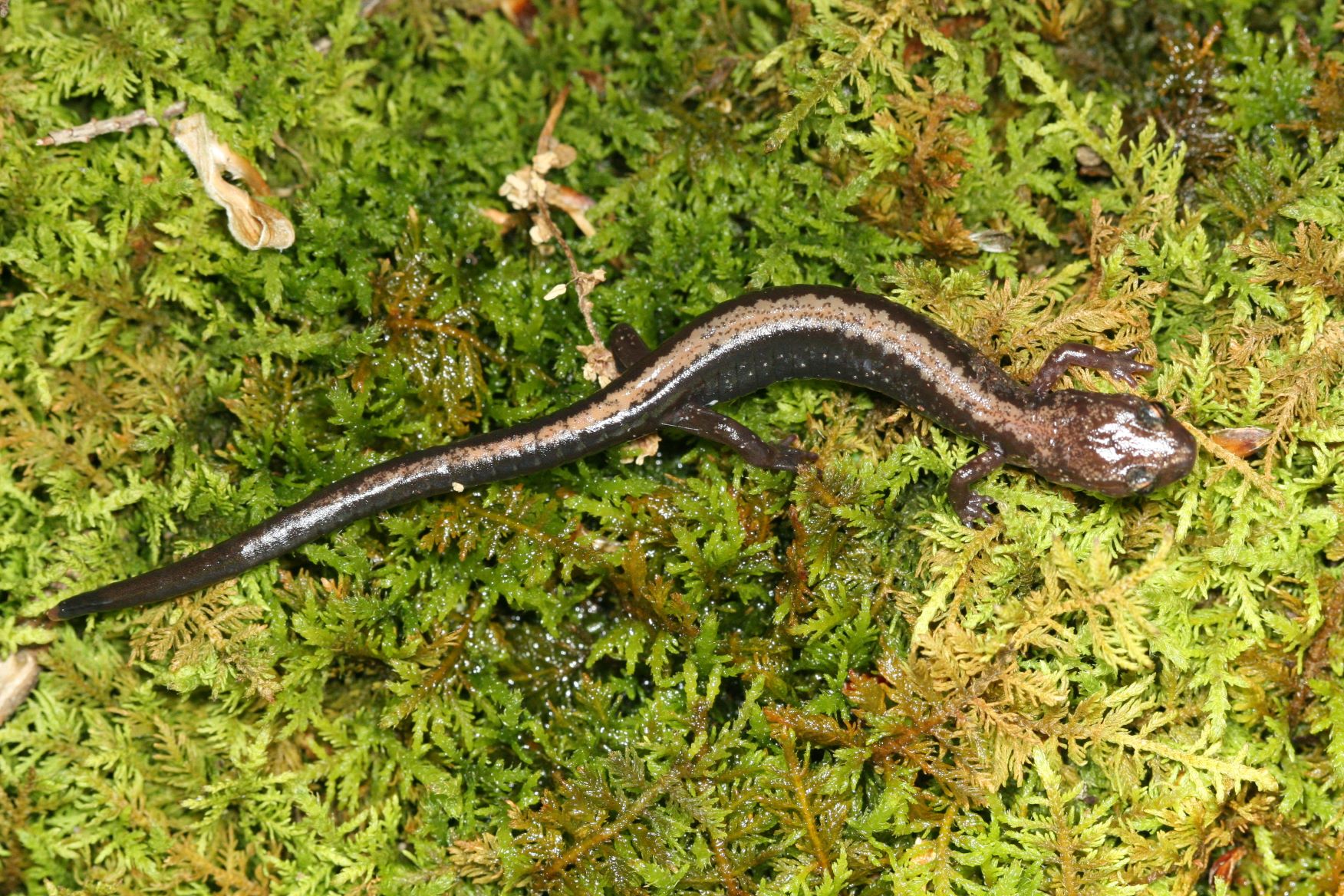
2. We use field data to estimate population demographic parameters for an exemplary high-elevation amphibian species, the federally endangered Shenandoah salamander (Plethodon shenandoah). These parameters were entered into a Markov projection model which we used to forecast the future population status of the Shenandoah salamander.
3. We found that if the population maintains its current site colonization and persistence rates, it is at risk of extinction that could be exacerbated by both climate and interspecific competition.
4. Synthesis and applications. Managers have a fundamental objective directed by official policy of maintaining the species ‘for the foreseeable future (Grant et al., 2014).’ Our evaluation of multiple hypotheses about population drivers reveals that extinction is projected for this species. Our analysis suggests that considering active management need not depend on resolving the uncertainty.
Data Release Calculations of BioLake climate data
Authors: Ryan C Burner; Richard E Erickson
Date: 2022-11-01 | Outlet: USGS GitLab
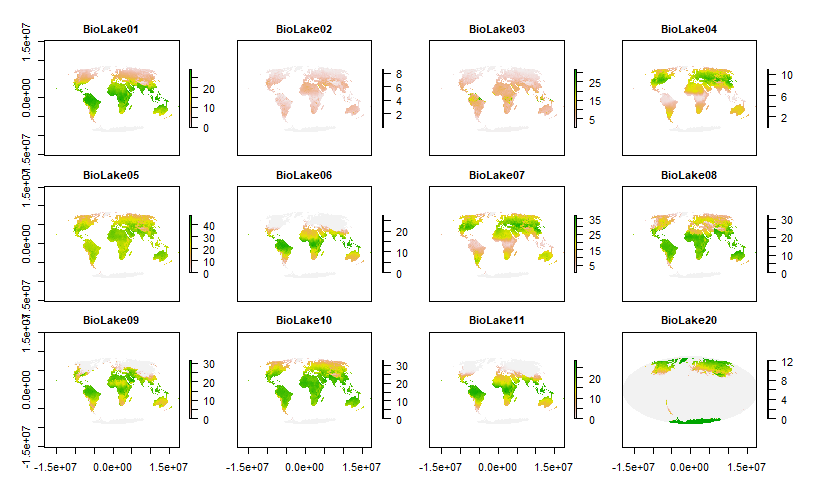
Climate data allow people to examine species distributions and possible distributions. This script takes ERA5-Land climate estimates (https://www.ecmwf.int/en/forecasts/datasets/reanalysis-datasets/era5) for precipitation and lake temperature and processes them to create summary climate layers for use with biological organisms in lakes. This code could be modified to use a different subset of years.

These BioLake raster data provide global estimates (~10.0 x 12.4 km resolution) of twelve bioclimatic variables based on estimated lake temperature. Eleven of these twelve variables (BioLake01 - BioLake11) are estimated for each of three lake strata: lake mix (surface) layer, lake bottom, and total lake water column. These eleven variables correspond to CHELSA (Climatologies at high resolution for the earth's land surface areas) bioclimatic variables BIO1 - BIO11, except that these BioLake variables are based on lake water temperature and CHELSA BIO1 - BIO11 variables are based on air temperature. CHELSA BIO is also calculated a finer spatial resolution (~1 x 1 km). The twelfth variable (BioLake20; months with non-zero ice cover) does not correspond to any CHELSA bioclimatic variable. The data are supplied as a multi-layer raster (.grd) file in the World Mollweide projection, accompanied by a header file (.gri) with layer names.

For BioLake layer download, see https://doi.org/10.5066/P96QLN5Y
Data Release BioLake bioclimatic variables based on ERA5-Land lake temperature estimates 1991-2020
Authors: Ryan C Burner; Richard E Erickson
Date: 2022-01-21 | Outlet: USGS ScienceBase
These BioLake raster data provide global estimates (~10.0 x 12.4 km resolution) of twelve bioclimatic variables based on estimated lake temperature. Eleven of these twelve variables (BioLake01 - BioLake11) are estimated for each of three lake strata: lake mix (surface) layer, lake bottom, and total lake water column. These eleven variables correspond to CHELSA (Climatologies at high resolution for the earth's land surface areas) bioclimatic variables BIO1 - BIO11, except that these BioLake variables are based on lake water temperature and CHELSA BIO1 - BIO11 variables are based on air temperature. CHELSA BIO is also calculated a finer spatial resolution (~1 x 1 km). The twelfth variable (BioLake20; months with non-zero ice cover) does not correspond to any CHELSA bioclimatic variable. The data are supplied as a multi-layer raster (.grd) file in the World Mollweide projection, accompanied by a header file (.gri) with layer names.
Papers & Reports Complex life histories alter patterns of mercury exposure and accumulation in linked aquatic-terrestrial food webs: an amphibian example
Authors: Freya Rowland; Erin Muths; Collin A Eagles-Smith; craig stricker; Johanna M Kraus; Rachel Harrington; David M Walters
Date: 2022-12-31 | Outlet: Environmental Science and Technology
Quantifying how contaminants change across life cycles of species who undergo metamorphosis is critical to assessing risk to organisms and their consumers. Pond-breeding amphibians can dominate aquatic animal biomass as larvae and are terrestrial prey as metamorphs and adults. Thus, amphibians can be vectors of mercury accumulation in both aquatic and terrestrial food webs. However, it is still unclear how mercury concentrations are affected by exogenous (e.g., habitat or diet) vs. endogenous factors (e.g., catabolism during hibernation) as amphibians undergo large diet shifts and periods of fasting during ontogeny. We measured total mercury (THg), methylmercury (MeHg), and isotopic compositions (?13C, ?15N) in boreal chorus frogs (Pseudacris maculata) across five life stages in two metapopulations in Colorado, USA. We found large differences in MeHg concentrations and percent of THg as MeHg among life stages. Frog MeHg concentrations spiked after metamorphosis and hibernation coinciding with the most energetically demanding stages of their life cycle. Transitions among life stages led to large step changes in mercury concentrations – the endogenous processes of metamorphosis and hibernation biomagnified MeHg, decoupling isotopic compositions and MeHg concentrations. These step changes are not often considered in conventional expectations of how food web processes predict trophic transfer, accumulation, and transport of contaminants. ?
Papers & Reports Disentangling direct and indirect effects of extreme events on coastal wetland communities
Authors: Courtney L Davis; Susan C Walls; William J Barichivich; Mary E Brown; David AW Miller
Date: 2022-12-16 | Outlet: Journal of Animal Ecology
1. One of the primary ways in which climate change will impact coastal freshwater wetlands is through changes in the frequency, intensity, timing, and distribution of extreme weather events. Disentangling the direct and indirect mechanisms of population- and community-level responses to extreme events is vital to predicting how species composition of coastal wetlands will change under future conditions.

2. We extended static structural equation modeling approaches to incorporate system dynamics in a multi-year multispecies occupancy model to quantify the effects of extreme weather events on a coastal freshwater wetland system.

3. We used data from an 8-year study (2009 to 2016) on St. Marks National Wildlife Refuge in Florida, USA, to quantify species-specific and community-level changes in amphibian and fish occupancy associated with two flooding events in 2012 and 2013. We examine how physical changes to the landscape, including potential changes in salinity and increased wetland connectivity, may have contributed to or exacerbated the effects of these extreme weather events on the biota of isolated coastal wetlands.

4. We provide evidence that the primary effects of flooding on the amphibian community were through indirect mechanisms via changes in the composition of the sympatric fish community that may have had lethal (i.e., through direct predation) or non-lethal (i.e., through direct or indirect competitive interactions) effects. In addition, we shown that amphibian species differed in their sensitivity to direct flooding effects and indirect changes in the fish community and wetland specific conductance, which led to variable responses across the community. These effects led to the overall decline in amphibian species richness from 2009 to 2016, suggesting that wetland-breeding amphibian communities on St. Marks may not be resilient to predicted changes in coastal disturbance regimes as a result of climate change.

5. Understanding both direct and indirect effects, as well as species interactions, is important for predicting the effects of a changing climate on individual species, communities, and ecosystems.
News & Stories ARMI biologists released captive-bred Mountain Yellow-legged Frogs to the San Gabriel Mountains
Authors: Adam R Backlin
September 19, 2022

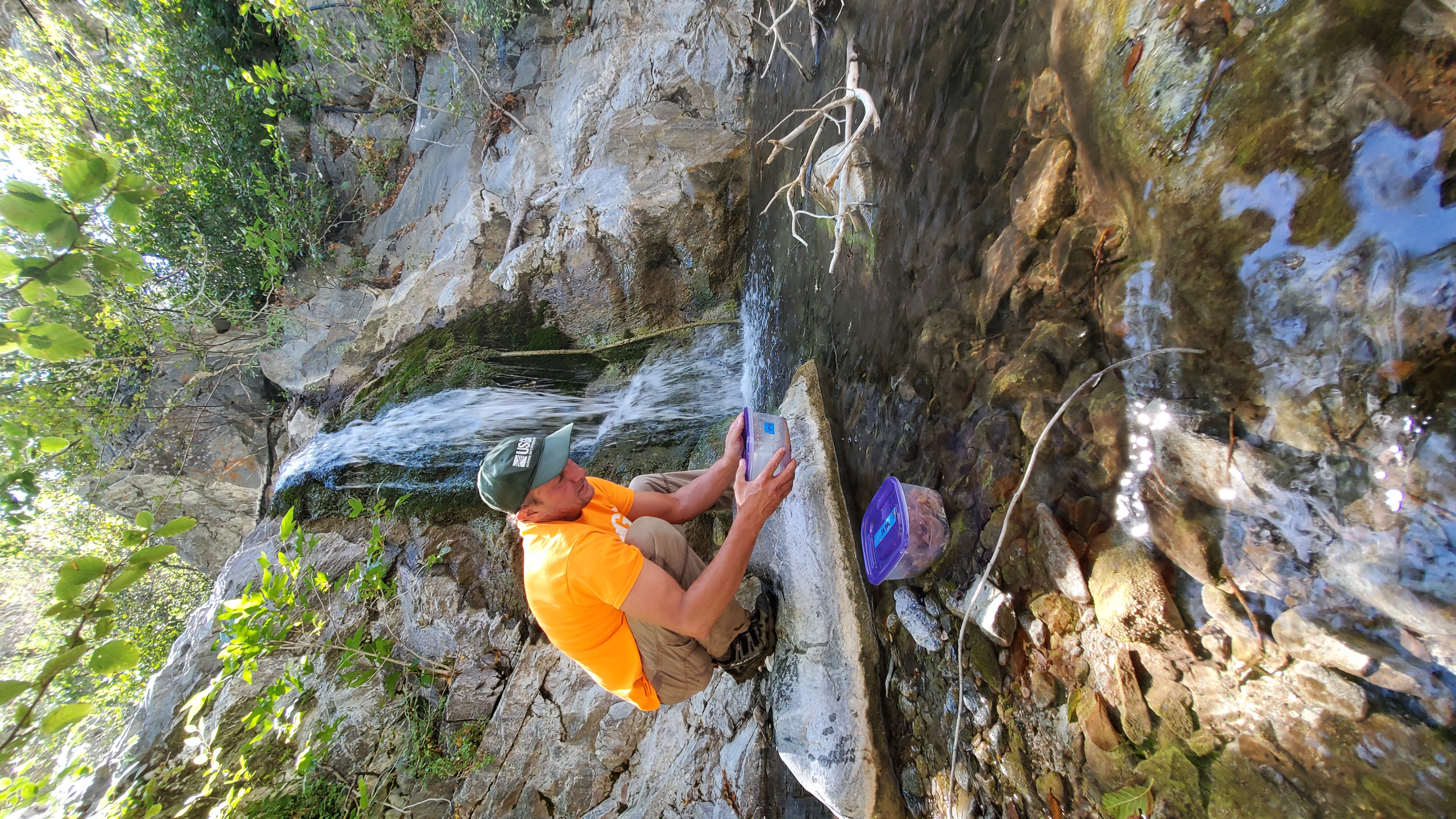
On Thursday, Sept. 9th, 2022, ARMI biologists Adam Backlin and Elizabeth Gallegos led two teams on a release of captive-bred southern California mountain yellow-legged frogs. Each team hiked to a remote canyon with spring-fed creek in the San Gabriel Mountains. These sites have been assessed and monitored through out the year to ensure they would be suitable for the frogs. This batch of frogs were bred at the Los Angeles Zoo and Botanical Gardens and head started by the Santa Ana Zoo and the Aquarium of the Pacific in Long Beach, CA. Thanks to their effort, these 200 sub-adult yellow-legged frogs will have a chance to restore their population in these mountains, where they once thrived for thousands of years.

More coverage of this release can be found at the LA Times website.
News & Stories ARMI Scientists participate in first Global Amphibian and Reptile Disease Conference
Authors: Erin Muths
September 19, 2022

The first Global Amphibian and Reptile Disease Conference was held in Knoxville, Tennessee in July 2022. ARMI scientists E. Muths and B. Hossack presented a synthesis of efforts to understand amphibian disease in the Greater Yellowstone Ecosystem, and B. Hardy and L. Bailey, a PhD student and ARMI affiliate (respectively) at Colorado State University, presented a paper on the potential for demographic compensation in amphibian populations challenged by disease. These presentations were among the few field-based papers at the conference. ARMI scientists E. Grant and M. Bletz led one of the conference workshops to discuss and design conceptual disease models for major herpetofaunal pathogens. The aim of this workshop was to identify differences in knowledge, processes, and possible management strategies among host-pathogen systems. In addition, M.C. Hopkins, Wildlife Disease Coordinator, USGS Ecosystems Mission Area, was a member of the Scientific Committee for the conference.

The goal of the GARD conference was to engage a wide range of people, from scientists and students to veterinarians, natural resource managers, and policy makers, in sharing knowledge about various amphibian and reptile diseases and in working to identify disease management strategies that are applicable to herpetofauna conservation. This hybrid meeting hosted scientists from 25 countries, with presentations ranging from the research reports, including the roles of biodiversity and climate change in amphibian disease risk and amphibian disease immunogenetics, to broad keynotes, such as “Comparative ecology and evolution of reptile pathogens” and “Ranaviruses: four things we (mostly) know and three we (largely) do not”.
(Conference website).

Papers & Reports Compensatory recruitment unlikely in high elevation amphibian populations challenged with disease
Authors: Bennett Hardy; Erin Muths; Brad A Lambert; S C Schneider; W C Funk; Larissa L Bailey
Date: 2022-07-12 | Outlet: Journal of Applied Ecology
1. Understanding the causes of population variation in host response to disease, and the mechanisms of persistence, can serve as vital information for species conservation. One such mechanism of population persistence that has gained support is the demographic process of compensatory recruitment. Host populations may persist by increasing recruitment to compensate for reduced survival due to infection, thus limiting the negative effects of the disease on population trajectories. However, high elevation populations are inherently vulnerable to stochastic processes and may be limited in their ability to exhibit compensatory recruitment relative to lower elevation populations.
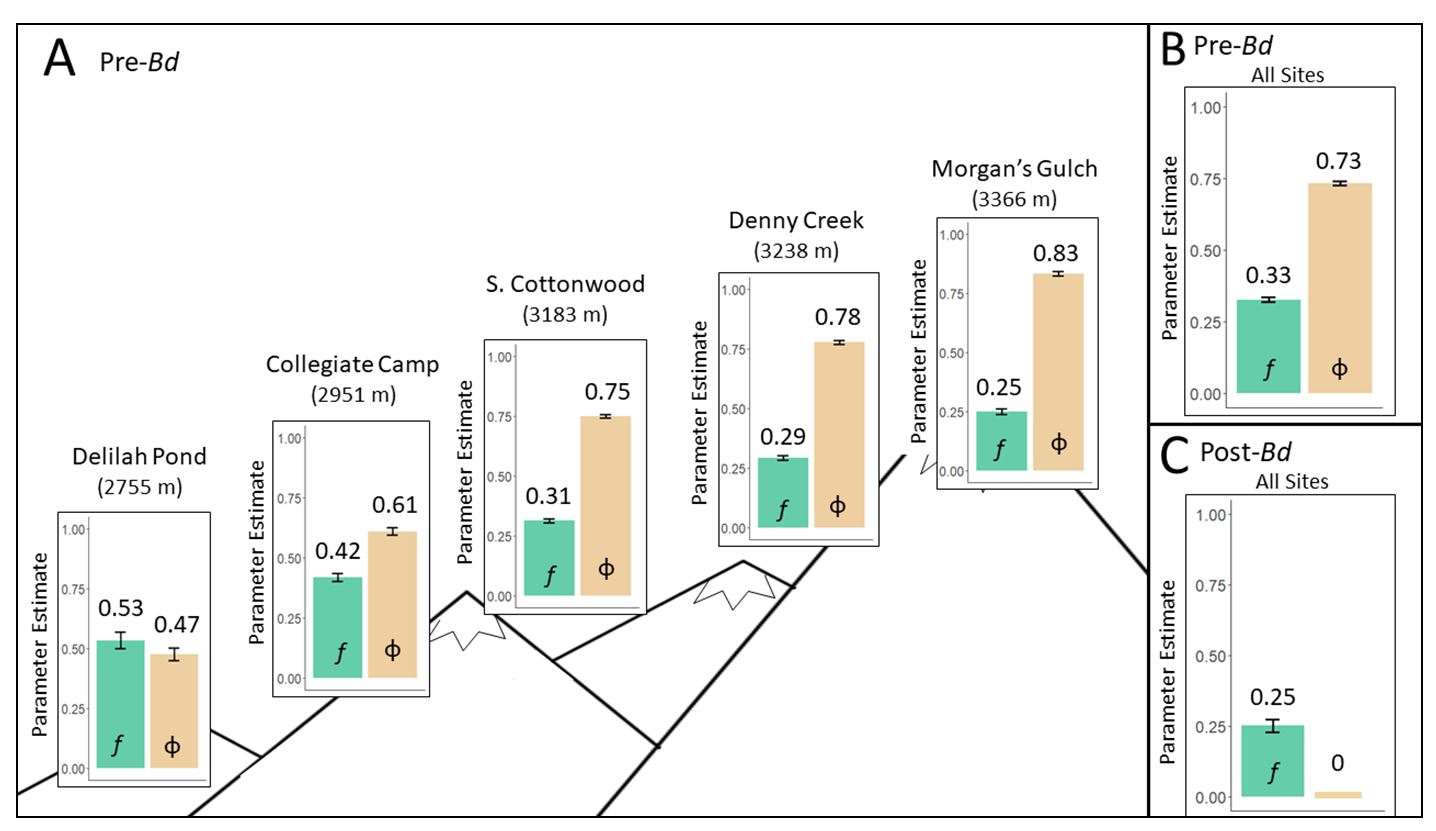
2. We use long-term mark-recapture data from five populations of boreal toads (Anaxyrus boreas boreas ), across an elevational gradient in Colorado, before and after pathogen arrival to assess whether populations can persist with Batrachochytrium dendrobatidis (Bd) via compensatory recruitment.
3. Prior to pathogen arrival, we found a life history tradeoff between survival and recruitment across elevations, where high elevation toads have high survival but lower recruitment and vice versa at lower elevations.
4. Pathogen arrival had a strong negative effect on apparent annual survival and recruitment leading to negative population growth rates and dramatically reduced host abundances. The data did not support the occurrence of compensatory recruitment.
5. Synthesis and applications. Our unique dataset indicates that demographic responses to pathogens may be environmentally (i.e., elevationally) context-dependent and highlights the value of long-term monitoring. We recommend that practitioners verify that potential persistence mechanisms occur across multiple populations and relevant environmental gradients to counter any assumptions of the mechanism existing species-wide. Quantifying variation in population responses to disease will aid in understanding the bounds of such persistence mechanisms and identify particularly vulnerable populations where mechanisms are non-existent.
Papers & Reports Captivity, reintroductions, and the rewilding of the amphibian microbiome
Authors: Timothy Korpita; Erin Muths; Mary K Watry; Valerie J McKenzie
Date: 2023 | Outlet: Microbial Ecology
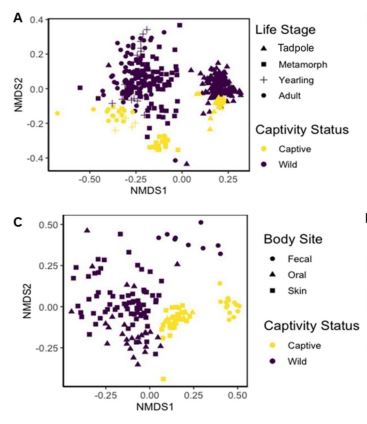
Many studies have noted apparent differences in microbes associated with animals reared in captivity compared to their wild counterparts. Few studies have examined how microbes change when animals are reintroduced to the wild after being reared in captivity. As captive assurance populations and reintroduction programs increase, a better understanding of how microbial symbionts respond during animal translocations is critical. We examined changes in microbes of boreal toads (Anaxyrus boreas) after reintroduction to the wild following captive rearing. Boreal toads, a long-lived high elevation species, are endangered in Colorado primarily due to chytridiomycosis. Previous studies demonstrate that developmental life stage of boreal toads is an important factor in their microbiomes such that microbiomes change over the course of development. i) comparisons of the skin, mouth, and gut bacteria of boreal toads across four developmental life stages in captivity and the wild, ii) pre-metamorphic tadpole skin bacteria before and after reintroduction to the wild, and iii) adult skin bacteria during reintroduction to the wild. We used barcoded amplicon sequencing of the 16S small subunit of the rRNA gene on the Illumina MiSeq platform to characterize the bacterial communities. We demonstrated that differences occur across the skin gut and mouth microbes in captive versus wild boreal toads, and that the degree of difference depend on developmental stage. Skin bacteria from captive versus wild tadpoles were more similar relative to post-metamorphic life stages. When captive reared tadpoles were introduced to a wild site, their skin bacteria changed to mirror wild boreal toads within weeks. Similarly, the microbiome of reintroduced adult boreal toads also shifted to mirror wild-type microbes. Our results indicate that the microbial signature of boreal toads reared in captivity does not persist after release into natural habitat. The relationship between changing microbes and host health is not well understood for the majority of animal species but is an important part of wildlife conservation.
Data Release Water level data from select depressional wetlands at Saint Marks National Wildlife Refuge: July 2010 - May 2019 (ver. 2.0, August 2022)
Authors: Jeffrey W Riley
Date: 2022-08-08 | Outlet: ScienceBase
This Data Release represents geospatial and tabular data for a study investigating linkages between local terrain and wetland hydroperiod and was supported by the U.S. Geological Survey (USGS) Amphibian Research and Monitoring Initiative (ARMI). This dataset contains wetland water level data from Saint Marks National Wildlife Refuge (SMNWR). Data include records of water level and water temperature measurements from select wetlands beginning in July 2010 and ending in 2019. Not all wetlands span this entire period as different phases of studies resulted in different time periods of data collection. Instrumentation included a staff gage and a non-vented continuous logging pressure transducer that logged data at 1-hour intervals. The dataset consists of 4 separate items:
1. water level monitoring site Locations (tabular data)
2. wetland perimeters (GIS vector data)
3. water level and water temperature data for 59 select wetlands (tabular data)
4. revision history text file that describes the changes from the original release to version 2.0.
Papers & Reports Revisiting conservation units for the endangered mountain yellow-legged frog species complex (Rana muscosa, Rana sierrae) using multiple genomic methods
Authors: Allison Q Byrne; Andrew P Rothstein; Lydia L Smith; Hannah Kania; Roland A Knapp; Danial M Boiano; Cheryl J Briggs; Adam R Backlin; Robert N Fisher; Erica B Rosenblum
Date: 2023-09-29 | Outlet: Conservation Genetics https://doi.org/10.1007/s10592-023-01568-5
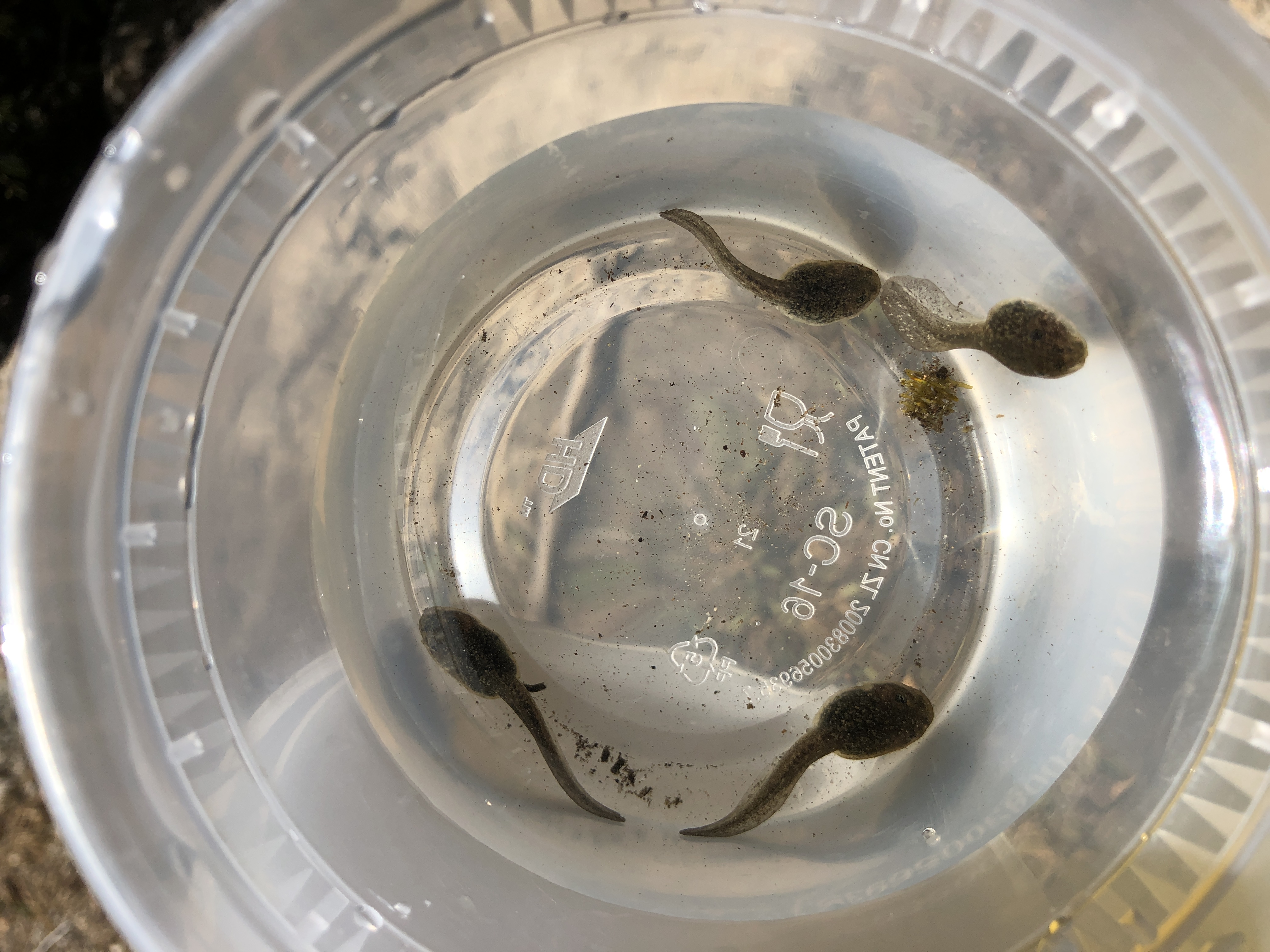
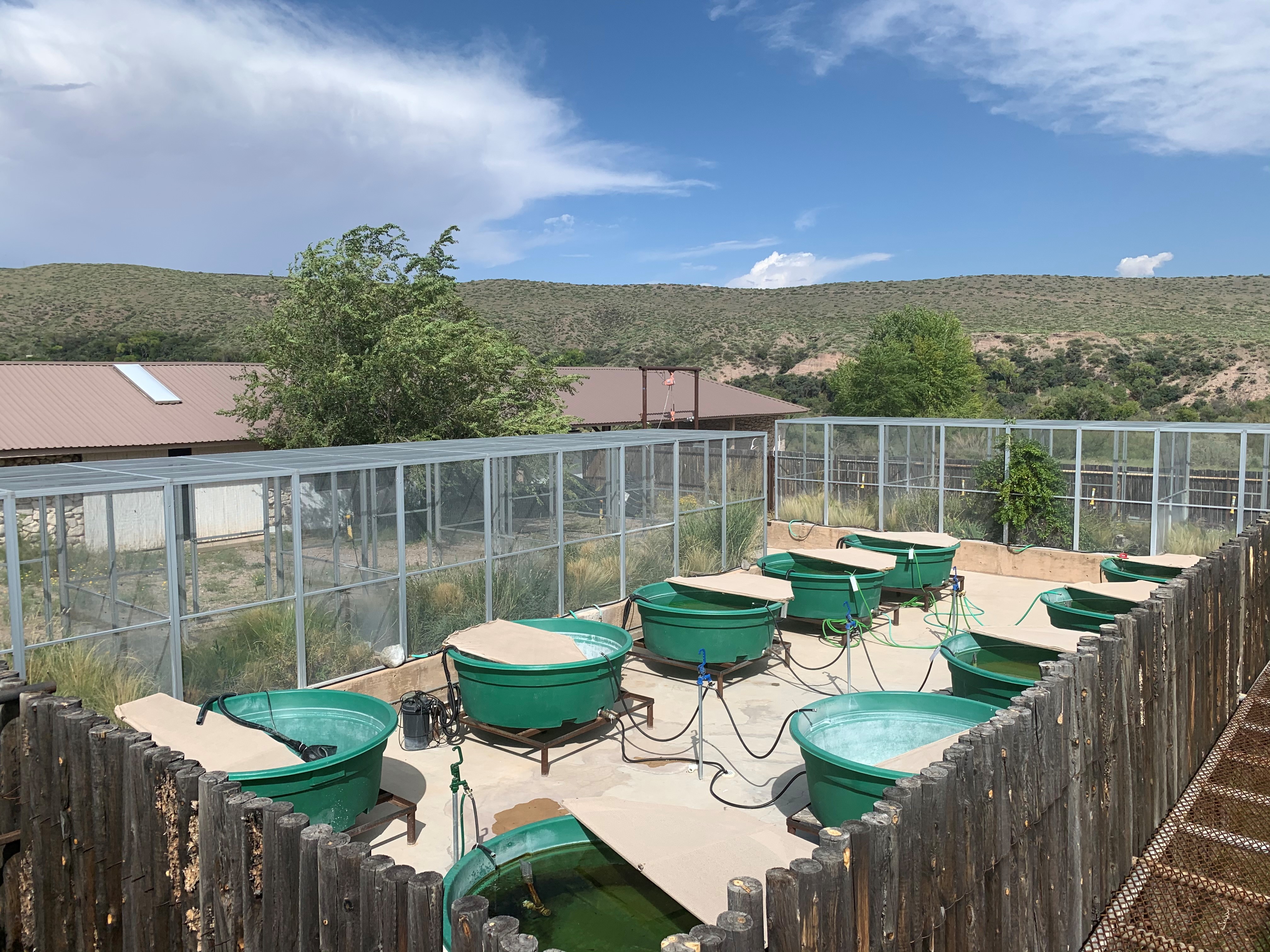
Insights from conservation genomics have dramatically improved recovery plans for numerous endangered species. However, most taxa have yet to benefit from the full application of genomic technologies. The mountain yellow-legged frog species complex, Rana muscosa and Rana sierrae, inhabits the Sierra Nevada mountains and Transverse/Peninsular Ranges of California and Nevada. Both species have declined precipitously throughout their historical distributions. Conservation management plans outline extensive ongoing recovery efforts but are still based on the genetic structure determined primarily using a single mitochondrial sequence. Our study used two different sequencing strategies – amplicon sequencing and exome capture – to refine our understanding of the population genetics of these imperiled amphibians. We used buccal swabs, museum tissue samples, and archived skin swabs to genotype frog populations across their range. Using the amplicon sequencing and exome capture datasets separately and combined, we document five major genetic clusters. Notably, we found evidence supporting previous species boundaries within Kings Canyon National Park with some exceptions at individual sites. Though we see evidence of genetic clustering, especially in the R. muscosa clade, we also found evidence of some admixture across cluster boundaries in the R. sierrae clade, suggesting a stepping-stone model of population structure. We also find that the southern R. muscosa cluster had large runs of homozygosity and the lowest overall heterozygosity of any of the clusters, consistent with previous reports of marked declines in this area. Overall, our results clarify management unit designations across the range of an endangered species and highlight the importance of sampling the entire range of a species, even when collecting genome-scale data.
Papers & Reports Winter severity affects occupancy of spring- and summer-breeding anurans across the eastern United States
Authors: Sara R weiskopf; Alexey N Shiklomanov; Laura Thompson; Sarah Wheedleton; Evan HC Grant
Date: 2022-08-09 | Outlet: Diversity and Distributions
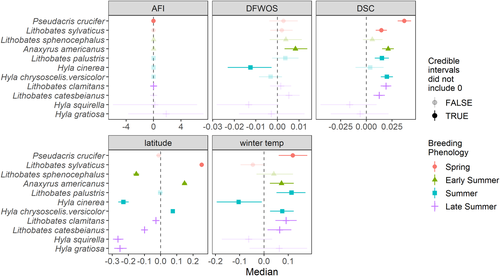
Climate change is an increasingly important driver of biodiversity loss. The ectothermic nature of amphibians may make them particularly sensitive to changes in normal temperature and precipitation regimes, exacerbating global declines from other threats. In this study, we used large-scale citizen science data from the eastern half of the United States to assess how variation in winter severity influenced occupancy dynamics of 11 anuran species. We found that most species had increased occupancy in years with greater than average snow cover and warmer than average mean winter temperatures. Surprisingly, we found that climatic conditions in winter affected occupancy dynamics of both spring and summer breeding species, indicating that changing winter conditions may have consequences for anuran species with varying life history characteristics. As the climate continues to change, expected reductions in snowpack may act as an additional stressor on already declining anuran populations, while milder winters may improve overwinter survival for some species.
News & Stories ARMI scientists lead analysis of factors linked with long-term reintroduction success for a threatened frog
Authors: Blake R Hossack
July 01, 2022

Reintroduction programs are growing in use to help recover imperiled species. However, there is still little information on the long-term success of these programs or factors linked with successful establishment of populations. ARMI scientists collaborated with partners from the US Fish and Wildlife Service, Arizona Game and Fish Department, Turner Endangered Species Fund, and university scientists to analyze 25 years of reintroductions for the Chiricahua Leopard Frog in Arizona and New Mexico. The reintroduction program stocks larvae and frogs reared in several captive and semi-captive facilities in the region, as well as egg masses and frogs moved from wild sources. The results from the study can help improve reintroduction success and speed recovery for the Chiricahua Leopard Frog and other species with similar life histories.

Citation

Hossack and others. 2022. Identifying factors linked with population persistence: Lessons learned from 25 years of amphibian translocations. Global Ecology and Conservation 35: e02078. https://doi.org/10.1016/j.gecco.2022.e02078

Papers & Reports Cryptic declines of small, cold-water specialists highlight potential vulnerabilities of headwater streams as climate refugia
Authors: Blake R Hossack; M LeMoine; Emily B Oja; Lisa A Eby
Date: 2023 | Outlet: Biological Conservation
Increasing temperatures and climate-driven disturbances like wildfire are a growing threat to many species,
including cold-water specialists. Montane areas and cold streams are often considered climate refugia that buffer
communities against change. However, climate refugia are often species-specific, and despite growing awareness
that life histories and habitat requirements shape responses to change, small or non-game species are often
under-represented in monitoring and planning programs. A recent study in Montana, USA, revealed much larger
warming-related declines in occupancy for small, non-game slimy sculpin (Cottus cognatus) between 1993 and
1995 and 2011–2013 than for two socially valued salmonid fishes that shape regional conservation efforts. To
broaden insight into climate change vulnerabilities of headwater stream communities, we analyzed data for
Rocky Mountain tailed frogs (Ascaphus montanus) that were collected during those same electrofishing surveys
for fishes from 241 stream reaches. Tailed frogs occupy small, cold streams and have several life-history traits
that make them sensitive to environmental change. We used a Bayesian framework to estimate occupancy,
colonization, and extinction dynamics relative to forest canopy, estimated stream temperature, and wildfire
effects. Tailed frog occupancy decreased by 19 % from 1993 to 1995 to 2011–2013. Changes in occupancy were
linked with increased extinction and reduced colonization where there were fire-driven reductions in canopy
cover, and reduced colonization of stream reaches that warmed on average 0.8 ?C during the study. Our results
highlight extensive extirpations for oft-overlooked species and emphasize the importance of including species
with diverse habitat requirements and life histories in conservation planning.
Papers & Reports Empirical evidence for effects of invasive American Bullfrogs on occurrence of native amphibians and emerging pathogens
Authors: Blake R Hossack; Emily B Oja; Audrey Owens; D Hall; C L Crawford; Caren S Goldberg; S Hedwall; J A Lemos-Espinal; S MacVean; Magnus McCaffery; Erin Muths; A McCall; C Mosley; Brent H Sigafus; M J Sredl,; James C Rorabaugh
Date: 2023 | Outlet: Ecological Applications
Invasive species and emerging infectious diseases are two of the greatest
threats to biodiversity. American Bullfrogs (Rana [Lithobates] catesbeiana),
which have been introduced to many parts of the world, are often linked with
declines in native amphibians via predation and the spread of emerging pathogens
such as amphibian chytrid fungus (Batrachochytrium dendrobatidis [Bd])
and ranaviruses. Although many studies have investigated the potential role of
bullfrogs in the decline of native amphibians, analyses that account for shared
habitat affinities and imperfect detection have found limited support for
clear effects. Similarly, the role of bullfrogs in shaping the patch-level distribution
of pathogens is unclear. We used eDNA methods to sample 233 sites in the southwestern USA and Sonora, Mexico (2016–2018) to estimate how
the presence of bullfrogs affects the occurrence of four native amphibians,
Bd, and ranaviruses. Based on two-species, dominant-subordinate occupancy
models fitted in a Bayesian context, federally threatened Chiricahua Leopard
Frogs (Rana chiricahuensis) and Western Tiger Salamanders (Ambystoma
mavortium) were eight times (32% vs. 4%) and two times (36% vs. 18%), respectively,
less likely to occur at sites where bullfrogs occurred. Evidence for the
negative effects of bullfrogs on Lowland Leopard Frogs (Rana yavapaiensis)
and Northern Leopard Frogs (Rana pipiens) was less clear, possibly because of
smaller numbers of sites where these native species still occurred and because
bullfrogs often occur at lower densities in streams, the primary habitat for
Lowland Leopard Frogs. At the community level, Bd was most likely to occur
where bullfrogs co-occurred with native amphibians, which could increase the
risk to native species. Ranaviruses were estimated to occur at 33% of bullfrogonly
sites, 10% of sites where bullfrogs and native amphibians co-occurred,
and only 3% of sites where only native amphibians occurred. Of the 85 sites
where we did not detect any of the five target amphibian species, we also did
not detect Bd or ranaviruses; this suggests other hosts do not drive the distribution
of these pathogens in our study area. Our results provide landscape-scale
evidence that bullfrogs reduce the occurrence of native amphibians and
increase the occurrence of pathogens, information that can clarify risks and
aid the prioritization of conservation actions.
Papers & Reports Future changes in habitat availability for two specialist snake species in the imperiled rocklands of South Florida, U.S.A
Authors: Suresh C. Subedi; Susan C Walls; William J Barichivich; Ryan Boyles; Michael S. Ross; J Aa Hogan; John A Tupy
Date: 2022-08-30 | Outlet: Conservation Science and Practice
Rockland habitat in South Florida, USA, is a threatened ecosystem that has been lost, fragmented, or degraded because of urbanization or other anthropogenic disturbance. Furthermore, low-lying islands and coastal areas are experiencing sea-level rise (SLR) and an increased frequency and intensity of tidal flooding, putting rockland habitats there at increasing risk of ecological change. We evaluated changes in the extent of rockland habitat under various scenarios of future SLR, tidal flooding, and human development for two endemic state-listed threatened species of snakes, the Rim Rock Crowned Snake (Tantilla oolitica) and the Key Ring-necked Snake (Diadophis punctatus acricus). Both snakes are restricted to South Florida. We used recent and historical species’ records to determine each species’ habitat range. We then estimated the extent of future habitat loss due to SLR and continued human development, as well as degradation of the remaining habitat. We also asked whether the future potential drivers of habitat loss and degradation differ between the two species and across their habitat ranges. We predicted that saltwater intrusion could negatively affect rocklands by 2050, resulting in degradation of 80% of the existing habitat because of an anticipated 42 cm of SLR. Moreover, short-term stochastic events such as storm surge and high tides will increasingly saturate the root zone of rockland vegetation before complete inundation. Most of the rockland habitat used by these two species of snakes will be inundated by 2080. Sea level rise will likely change current rocklands into more halophytic habitat (mangrove or salt marsh wetland) within 50 to 60 years. As much as 47% of rockland habitat will be lost due to human development by 2030. Therefore, immediate mitigation actions may be needed to conserve specialist species within rockland habitat that is threatened by human activities and climate change.
Papers & Reports Hot, wet, and rare: modeling the occupancy dynamics of the narrowly distributed Dixie Valley Toad
Authors: Jonathan P Rose; Patrick M Kleeman; Brian J Halstead
Date: 2022-08-29 | Outlet: Wildlife Research
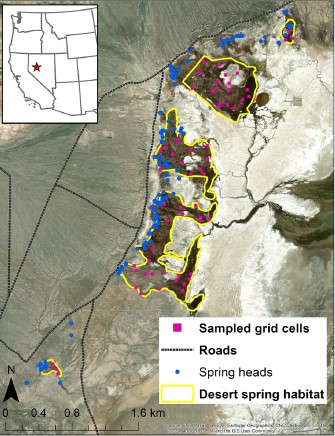
Small population sizes and no possibility of metapopulation rescue put narrowly distributed endemic species under elevated risk of extinction from anthropogenic change. Desert spring wetlands host many endemic species that require aquatic habitat and are isolated by the surrounding xeric terrestrial habitat. Aims. We sought to model the occupancy dynamics of the Dixie Valley toad (Anaxyrus williamsi), a recently described species endemic to a small desert spring wetland complex in Nevada, USA. Methods. We divided the species’ range into 20 m × 20 m cells and surveyed for Dixie Valley toads at 60 cells during six primary periods from 2018 to 2021, following an occupancy study design. We analysed our survey data by using a multi-state dynamic occupancy model to estimate the probability of adult occurrence, colonisation, site survival, and larval occurrence and the relationship of each to environmental covariates. Key results. The detection probabilities of adult and larval toads were affected by survey length and time of day. Adult Dixie Valley toads were widely distributed, with detections in 75% of surveyed cells at some point during the 3-year study, whereas larvae were observed only in 20% of cells during the study. Dixie Valley toad larvae were more likely to occur in cells far from spring heads with a high coverage of surface water, low emergent vegetation cover, and water temperatures between 20°C and 28°C. Adult toads were more likely to occur in cells with a greater coverage of surface water and water depth >10 cm. Cells with more emergent vegetation cover and surface water were more likely to be colonised by adult toads. Conclusions. Our results showed that Dixie Valley toads are highly dependent on surface water in both spring and autumn. Adults and larvae require different environmental conditions, with larvae occurring farther from spring heads and in fewer cells. Implications. Disturbances to the hydrology of the desert spring wetlands in Dixie Valley could threaten the persistence of this narrowly distributed toad.